×
×
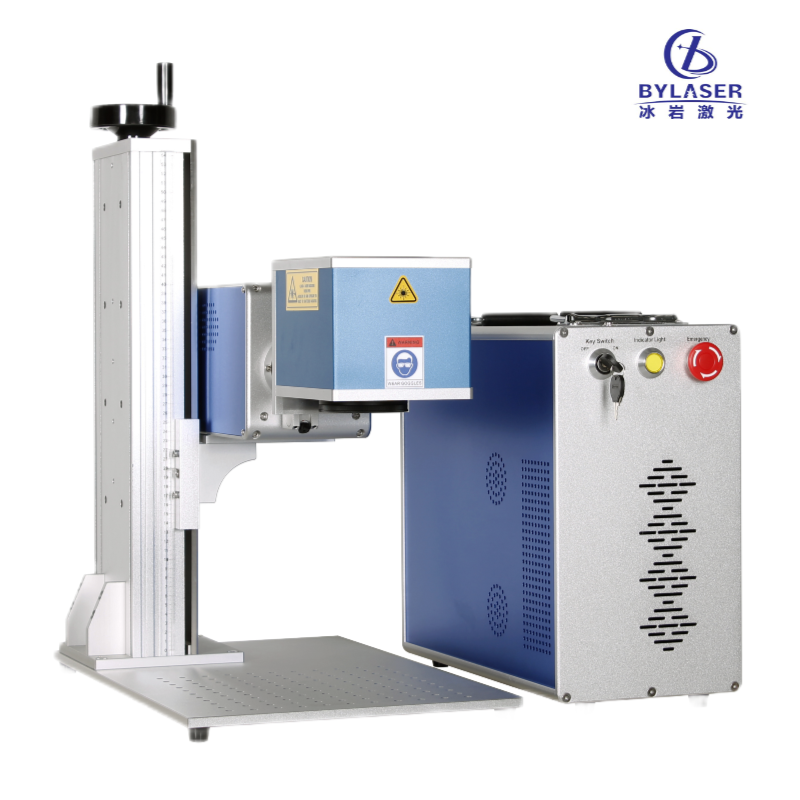
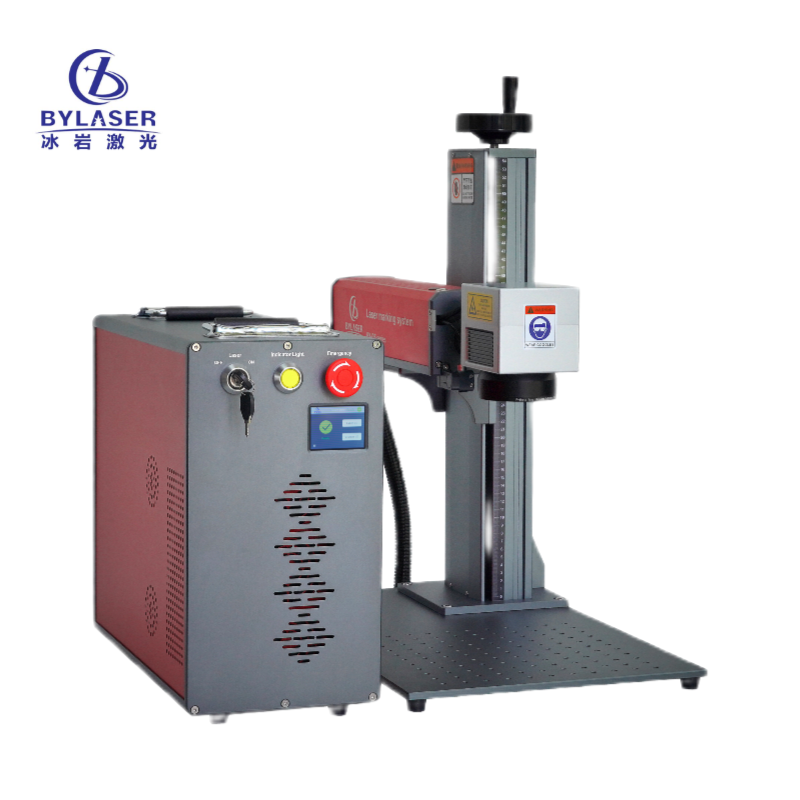
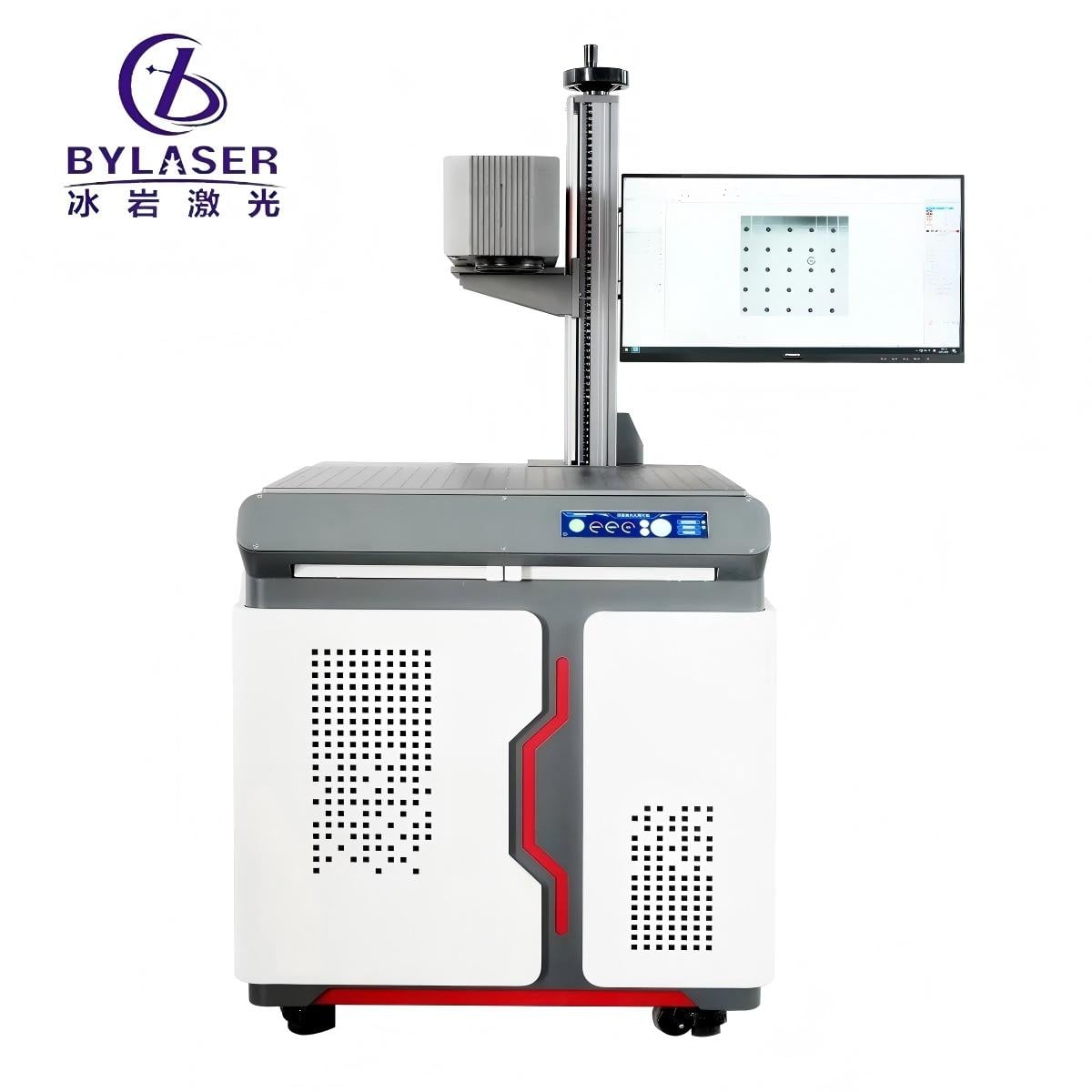
Manufacturing operations increasingly demand precise, permanent identification solutions that integrate seamlessly with high-volume production environments. The fiber laser marking machine has emerged as a transformative technology addressing these requirements through non-contact marking that delivers exceptional clarity, durability, and operational efficiency. Unlike traditional marking methods that rely on consumables, mechanical stress, or chemical processes, this advanced marking system uses concentrated laser energy to alter material surfaces at the molecular level, creating marks that resist wear, corrosion, and environmental degradation throughout the product lifecycle.
Manufacturers across automotive, aerospace, medical device, electronics, and industrial component sectors face mounting pressure to enhance traceability, reduce production costs, and meet stringent regulatory compliance standards. The adoption of fiber laser marking technology directly addresses these challenges by providing a versatile marking solution capable of processing diverse materials including metals, plastics, ceramics, and composites with minimal setup changes. This comprehensive examination explores the tangible operational, financial, and strategic advantages that make fiber laser marking machines essential assets in modern manufacturing facilities, revealing how this technology fundamentally improves product quality, production flexibility, and long-term profitability.
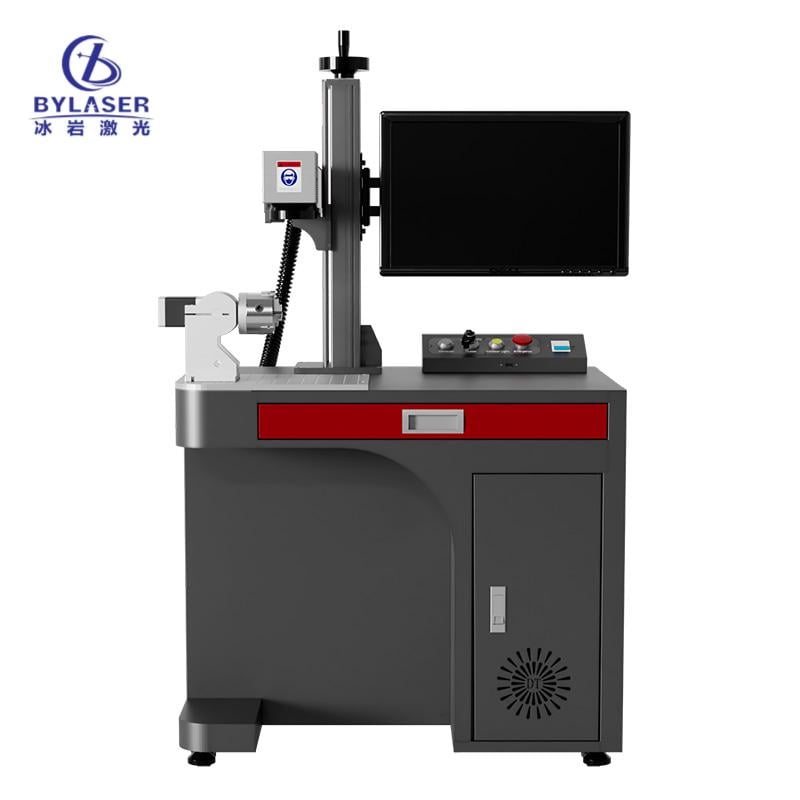
The fiber laser marking machine delivers marking speeds that fundamentally alter production line dynamics, with typical systems completing alphanumeric codes, logos, and data matrix patterns in one to three seconds per cycle. This rapid processing capability stems from the solid-state laser architecture that generates beam power without warm-up delays or performance degradation over extended operation periods. Manufacturers implementing this technology report throughput improvements ranging from forty to sixty percent compared to legacy marking methods, enabling production lines to maintain consistent output without bottlenecks at identification stations.
The speed advantage becomes particularly significant in high-volume manufacturing environments where even marginal cycle time reductions translate to substantial capacity gains. Automotive component suppliers marking tens of thousands of parts daily experience proportional increases in daily output without additional equipment investment or facility expansion. The elimination of consumable replacement downtime further enhances effective production time, as fiber laser systems operate continuously for thousands of hours between minimal maintenance intervals, ensuring predictable production schedules and delivery commitments.
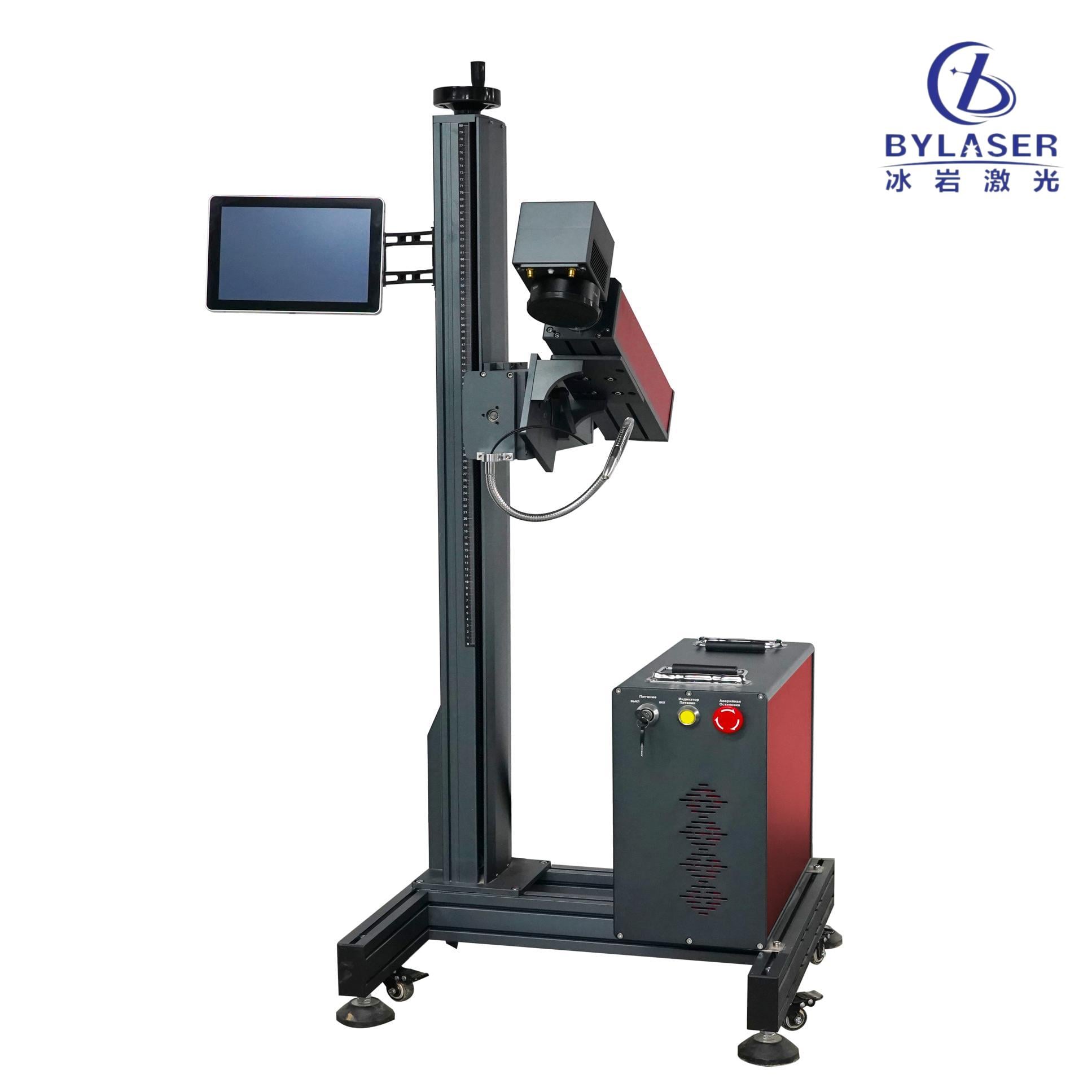
Modern fiber laser marking machines feature compact footprints and standardized communication protocols that facilitate seamless integration into existing production lines, robotic cells, and automated handling systems. The non-contact marking process eliminates workpiece fixturing complexity, allowing manufacturers to mark components while they remain in motion on conveyor systems or within robotic manipulation sequences. This integration capability reduces manual handling requirements, minimizes work-in-process inventory accumulation, and enables true inline quality verification where marking accuracy is confirmed immediately after application.
The programmable nature of fiber laser marking systems supports dynamic production environments where product variations occur frequently throughout daily operations. Manufacturers can switch between marking patterns instantaneously through software control, accommodating custom orders, engineering changes, and product mix variations without tooling changes or mechanical adjustments. This flexibility proves invaluable for contract manufacturers serving diverse clients and original equipment manufacturers managing extensive product portfolios, where traditional marking methods would require substantial setup time and inventory of consumable marking supplies.
The automated operation characteristics of fiber laser marking machines significantly reduce direct labor requirements compared to manual marking processes or technologies demanding frequent operator adjustments. Once programmed and calibrated, these systems execute marking operations with minimal supervision, freeing skilled personnel for higher-value manufacturing tasks such as quality analysis, process optimization, and equipment maintenance planning. The intuitive software interfaces enable operators with basic computer literacy to manage marking programs, reducing training time and supporting workforce flexibility across production departments.
Error reduction represents another critical labor-related benefit, as the fiber laser marking machine eliminates human transcription errors inherent in manual marking methods. Automated data retrieval from manufacturing execution systems ensures each component receives accurate serialization, batch codes, and traceability information without manual data entry. This reliability reduces quality control workload, minimizes rework costs associated with incorrectly marked parts, and strengthens compliance documentation accuracy for regulatory audits and customer quality reviews.
The fiber laser marking machine produces marks with exceptional resolution capabilities, typically achieving feature details below fifty micrometers that enable clear reproduction of complex logos, fine text, and high-density data matrix codes within minimal surface areas. This precision stems from the focused laser beam diameter and sophisticated galvanometer scanning systems that position the beam with micron-level accuracy across the marking field. Manufacturers benefit from this resolution when marking small components, creating aesthetically refined brand identifiers, or applying dense information content that must remain readable throughout product service life.
The contrast and readability of laser marks surpass alternative marking technologies, particularly on metallic surfaces where the controlled oxidation, annealing, or ablation processes create distinct visual differentiation from the base material. This clarity proves essential for automated vision inspection systems that verify marking accuracy during production, enabling real-time quality control without manual inspection bottlenecks. Medical device manufacturers particularly value this capability, as regulatory requirements mandate permanent, human-readable, and machine-scannable identification on instruments and implantable components throughout sterilization cycles and clinical use.
Unlike surface-applied inks, adhesive labels, or stamped impressions vulnerable to wear and environmental exposure, marks created by fiber laser marking machines become integral to the component surface through material modification. The marking process alters the molecular structure, removes surface layers, or creates oxidation patterns that cannot fade, peel, or wear away under normal operational conditions. This permanence ensures traceability throughout product lifecycles spanning decades in applications such as aerospace components, industrial machinery, and infrastructure equipment where identification retention is critical for maintenance records and safety compliance.
The resistance to harsh environmental conditions extends marking utility across challenging applications including components exposed to high temperatures, chemical contact, abrasive wear, and outdoor weathering. Automotive exhaust components marked with fiber laser systems maintain legibility despite extreme thermal cycling and corrosive exhaust gases, while electronics enclosures retain identification through cleaning processes, handling wear, and field service conditions. This durability eliminates recurring marking costs associated with label replacement and reduces warranty administration complexity when components require identification verification during service interventions.
The fiber laser marking machine delivers exceptional marking consistency regardless of production volume, maintaining uniform depth, contrast, and dimensional accuracy from the first component to the millionth without performance degradation. This consistency stems from the stable solid-state laser source and closed-loop beam control systems that compensate for environmental variations and maintain precise energy delivery to the workpiece surface. Manufacturers benefit from predictable quality outcomes that simplify statistical process control, reduce inspection sampling requirements, and strengthen customer confidence in product identification integrity.
The adaptability to material variations within product lines further demonstrates the technology's consistency advantages, as parameter adjustments accommodate different alloys, surface finishes, and coating treatments without compromising mark quality. A single fiber laser marking machine can effectively process stainless steel, aluminum, titanium, various plastics, and coated surfaces by selecting appropriate laser parameters optimized for each material combination. This versatility reduces equipment proliferation in facilities handling diverse product portfolios, consolidating marking operations onto fewer systems while maintaining quality standards across all material types.
The fiber laser marking machine operates without consumable materials such as inks, solvents, labels, stamps, or marking tools that create recurring operational expenses and supply chain vulnerabilities. This consumable-free operation fundamentally alters the cost structure of identification processes, converting variable per-part marking costs into fixed equipment depreciation that decreases on a per-unit basis as production volumes increase. Manufacturers marking millions of components annually realize substantial savings, with typical payback periods ranging from twelve to twenty-four months depending on production volumes and displaced marking technologies.
The elimination of consumable inventory management reduces warehouse space requirements, purchasing administration workload, and risks of production disruptions due to supply shortages or quality variations in marking materials. Facilities no longer maintain safety stocks of specialized inks compatible with specific materials or manage expiration dates on chemical marking solutions. This simplification proves particularly valuable for global manufacturers managing multiple facilities, where standardizing on fiber laser marking technology reduces procurement complexity and ensures consistent marking capabilities across production locations without regional supply chain dependencies.
Modern fiber laser marking machines feature solid-state laser sources rated for operational lifetimes exceeding one hundred thousand hours, equivalent to more than a decade of continuous industrial operation before laser replacement becomes necessary. This exceptional reliability stems from the absence of consumable flash lamps, complex optical alignments, or mechanical wear components found in alternative laser technologies. Manufacturers experience dramatically reduced maintenance workloads, with typical service requirements limited to periodic cleaning of optical windows and annual calibration verification rather than frequent component replacements or complex adjustments.
The high reliability translates directly to improved equipment availability metrics, with properly maintained fiber laser marking machines achieving uptime percentages exceeding ninety-eight percent in demanding production environments. This availability supports lean manufacturing initiatives by eliminating marking bottlenecks, reducing safety stock requirements for work-in-process inventory, and enabling just-in-time production scheduling. The predictable maintenance intervals facilitate planned downtime coordination with production schedules, avoiding emergency repairs that disrupt manufacturing flow and compromise delivery commitments to customers.
The fiber laser marking machine demonstrates superior energy efficiency compared to alternative marking technologies, typically consuming between two hundred and six hundred watts during active marking operations. This low power requirement stems from the efficient conversion of electrical energy to laser output in fiber laser architectures, which achieve wall-plug efficiencies approaching thirty percent compared to single-digit percentages in older laser technologies. Manufacturers benefit from reduced electrical operating costs, lower cooling requirements, and diminished environmental impact that supports corporate sustainability initiatives and regulatory compliance with energy consumption regulations.
The elimination of chemical consumables, waste disposal requirements, and ventilation infrastructure represents additional environmental cost advantages that strengthen the financial case for fiber laser marking technology adoption. Facilities no longer incur expenses for hazardous waste handling, solvent recycling, or regulatory compliance documentation associated with chemical marking processes. The clean marking process produces minimal waste limited to microscopic material removal that typically requires no special collection or disposal procedures, simplifying facility environmental management and reducing long-term liability exposure associated with chemical storage and usage.
The fiber laser marking machine enables manufacturers to implement sophisticated serialization strategies that create unique identifiers for individual components, assemblies, and finished products throughout complex supply chains. This capability supports advanced traceability requirements in regulated industries where component history, material certifications, and manufacturing process parameters must remain accessible throughout product lifecycles. The marking system integrates with enterprise resource planning and manufacturing execution systems to automatically retrieve and apply serialization data, ensuring complete traceability without manual data handling that introduces error risks and administrative overhead.
The permanent nature of laser-marked serial numbers ensures traceability information remains accessible throughout distribution, installation, operational service, and eventual disposition phases of product lifecycles. This continuity proves essential during quality investigations, field service actions, and regulatory compliance audits where manufacturers must demonstrate component provenance and process adherence. Automotive suppliers utilize fiber laser marking to create permanent vehicle identification derivatives on safety-critical components, enabling precise recall targeting and maintenance history tracking that strengthens brand reputation and reduces liability exposure.
Modern fiber laser marking machines excel at creating high-density two-dimensional codes such as data matrix and QR patterns that encode substantial information within minimal surface areas. These codes support direct part marking strategies where components carry comprehensive data including manufacturing dates, batch numbers, material certifications, inspection results, and configuration details without requiring separate documentation or database lookups. The marking precision ensures reliable code scanning throughout product lifecycles, enabling automated inventory management, quality verification, and field service support through mobile scanning technologies.
The implementation of two-dimensional codes transforms manufacturing operations by enabling real-time visibility into production status, work-in-process location, and quality attribute tracking without manual data collection. Assembly operations scan component codes to verify correct parts, retrieve torque specifications, and automatically populate manufacturing records that satisfy regulatory documentation requirements. This automated data capture reduces administrative labor, improves process control responsiveness, and creates comprehensive digital records supporting continuous improvement initiatives and customer quality requirements.
The fiber laser marking machine supports compliance with diverse regulatory frameworks and industry standards governing product identification across medical devices, aerospace components, automotive parts, and defense equipment. The technology readily accommodates marking requirements specified in standards such as ISO, ASTM, SAE, and industry-specific regulations that mandate permanent, legible identification resistant to sterilization, environmental exposure, and operational stresses. Medical device manufacturers utilize fiber laser marking to satisfy FDA unique device identification requirements, creating permanent marks on instruments and implants that remain scannable throughout sterilization cycles and clinical use.
The validation capabilities of fiber laser marking systems facilitate regulatory compliance documentation through integrated quality verification features, parameter monitoring, and mark inspection integration. Manufacturers create comprehensive process qualification documentation demonstrating marking consistency, readability verification, and parameter control that satisfy regulatory audit requirements. The digital nature of marking programs enables version control, electronic approval workflows, and change management documentation that strengthen quality management system integrity and demonstrate process control to regulatory authorities and customer audits.
The fiber laser marking machine processes an exceptionally wide range of materials encountered in industrial manufacturing, including ferrous and non-ferrous metals, engineering plastics, ceramics, composites, and coated surfaces. This versatility stems from the wavelength characteristics and power density control capabilities that enable appropriate material interaction for each substrate type. Manufacturers consolidate marking operations onto single equipment platforms rather than maintaining multiple technology types, reducing capital investment, training requirements, and facility space allocation while maintaining optimal marking quality across diverse product portfolios.
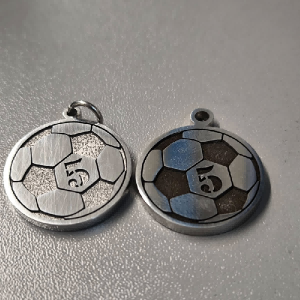
The marking mechanisms available through fiber laser technology accommodate different aesthetic and functional requirements, including surface engraving that removes material, annealing that creates contrast through controlled oxidation, foaming of plastics that generates raised marks, and color marking on metals through precise thermal effects. This process flexibility enables manufacturers to select marking approaches optimized for specific applications, balancing considerations such as mark visibility, surface integrity preservation, corrosion resistance, and aesthetic appearance. Medical device manufacturers frequently utilize annealing processes that create high-contrast marks without compromising surface smoothness critical for biocompatibility and cleaning effectiveness.
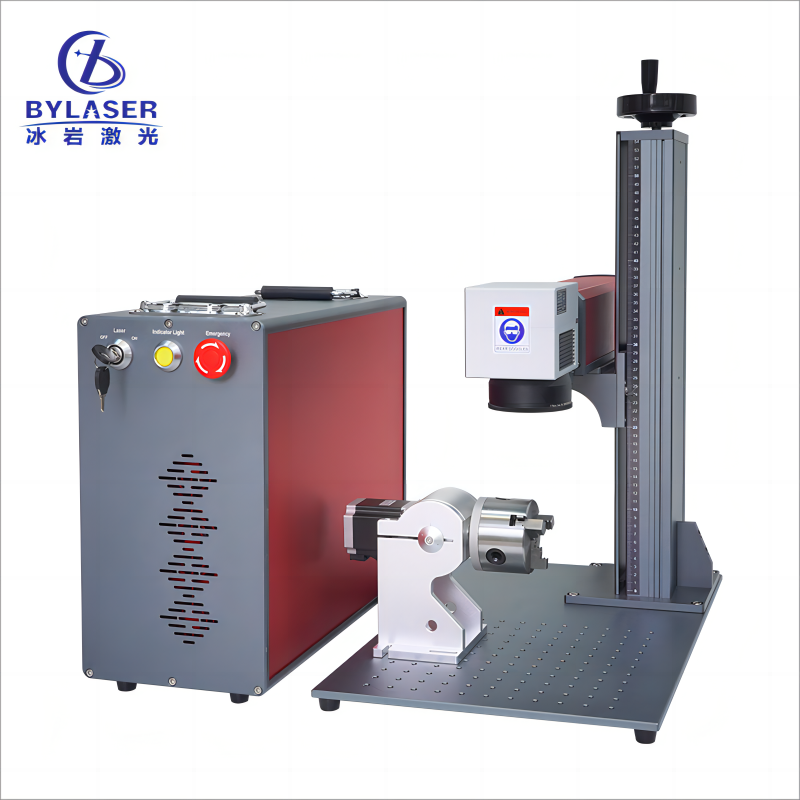
Advanced fiber laser marking machines incorporate rotary axis attachments, vision positioning systems, and three-dimensional marking capabilities that accommodate complex component geometries including cylindrical parts, curved surfaces, and irregular three-dimensional forms. These capabilities expand marking application possibilities beyond flat surfaces to include complete product identification solutions for items such as medical syringes, automotive fasteners, aerospace fittings, and consumer electronics enclosures. The technology marks internal diameters, external curves, and angled surfaces with consistent quality, eliminating secondary operations or specialized fixturing that increase handling costs and cycle times.
The fiber laser marking machine adapts to varying surface conditions including as-cast textures, machined finishes, polished surfaces, and pre-applied coatings through parameter optimization that accounts for surface reflectivity, thermal conductivity, and material response characteristics. This adaptability proves essential in manufacturing environments where components arrive at marking stations with diverse surface preparations depending on upstream processes. The ability to mark effectively across these variations reduces process constraints, supports flexible manufacturing sequences, and eliminates dedicated surface preparation requirements that would otherwise increase production complexity and costs.
The precision and control characteristics of fiber laser marking machines position the technology advantageously for emerging applications in advanced manufacturing sectors including additive manufacturing, flexible electronics, and micro-electromechanical systems. Manufacturers utilize fiber laser systems to apply identification and functional markings on three-dimensionally printed components, creating permanent part numbers and traceability codes without compromising the geometric complexity that makes additive manufacturing valuable. The non-contact nature preserves delicate features and thin-wall structures that mechanical marking methods would damage.
The technology supports specialized marking requirements in electronics manufacturing where component miniaturization demands exceptionally fine feature resolution and precise thermal control to avoid damage to sensitive substrates and adjacent components. Fiber laser marking machines create identification marks on printed circuit boards, semiconductor packages, and connector assemblies with positioning accuracy and thermal management that preserve electrical functionality while satisfying traceability requirements. This capability proves increasingly valuable as electronics products continue miniaturizing and manufacturers face mounting pressure to maintain component-level traceability throughout complex global supply chains.
The total cost of ownership for a fiber laser marking machine typically proves substantially lower than traditional marking methods when evaluated over a five-year operational period. Initial capital investment ranges higher than consumable-based technologies, but the elimination of recurring expenses for inks, labels, solvents, and marking tools creates significant operational savings. Maintenance costs remain minimal due to the exceptional reliability of solid-state fiber lasers, which require no consumable replacement and minimal service interventions. Energy consumption averages considerably lower than alternative technologies, further reducing operating expenses. When manufacturers account for direct consumable costs, maintenance labor, energy consumption, disposal fees, and productivity gains from higher speeds and reduced downtime, the fiber laser marking machine delivers return on investment within twelve to thirty months depending on production volumes, with continued cost advantages accumulating throughout the equipment lifecycle.
Modern fiber laser marking machines effectively process both metallic and plastic materials through software parameter adjustments without requiring hardware modifications or accessory changes. The marking mechanism differs between material types, with metals typically marked through surface oxidation, engraving, or annealing processes, while plastics respond through foaming, color change, or carbonization depending on polymer composition and additive content. Operators select appropriate parameters including laser power, scanning speed, frequency, and focal position to optimize marking quality for each material. Some plastic formulations require specialized additives to achieve high-contrast marks, but many engineering plastics mark effectively with standard fiber laser systems. This versatility enables manufacturers to consolidate marking operations for mixed-material product lines onto single equipment platforms, reducing capital investment and operational complexity while maintaining consistent marking quality across diverse substrates.
Selecting appropriate laser power for a fiber laser marking machine depends on several application-specific factors including material types, marking depth requirements, production speed expectations, and component size ranges. Entry-level systems with twenty to thirty watts suit applications involving shallow marking on metals, plastics, and coated surfaces where high throughput is not critical. Mid-range systems offering fifty to sixty watts provide faster marking speeds and accommodate deeper engraving applications while maintaining versatility across material types. Higher power systems exceeding one hundred watts support demanding applications requiring deep engraving, rapid production speeds, or marking on highly reflective materials such as copper and brass. Component size influences power selection as larger marking fields require higher power to maintain consistent speed across the working area. Manufacturers should evaluate typical material mixes, required mark depths, target cycle times, and future application flexibility needs when specifying laser power, recognizing that higher power systems offer greater application versatility and production capacity headroom to accommodate business growth and product evolution.
Contemporary fiber laser marking machines feature comprehensive connectivity options supporting integration with manufacturing execution systems, quality management software, and enterprise resource planning platforms through standard industrial communication protocols. Ethernet connectivity enables bidirectional data exchange where marking systems retrieve serialization data, production orders, and marking content from upstream systems while returning completion confirmations, quality verification results, and process parameters to central databases. This integration eliminates manual data entry, ensures marking accuracy, and creates comprehensive digital records supporting traceability requirements and quality documentation. Advanced systems incorporate vision verification capabilities that automatically inspect mark quality and readability, feeding results directly to quality management systems for real-time process monitoring and statistical analysis. Application programming interfaces facilitate custom integration scenarios where manufacturers implement specialized workflows, automated material handling coordination, or advanced analytics supporting continuous improvement initiatives. The flexibility of modern fiber laser marking machine connectivity supports both standalone operation in smaller facilities and comprehensive integration within sophisticated digital manufacturing environments.