×
×
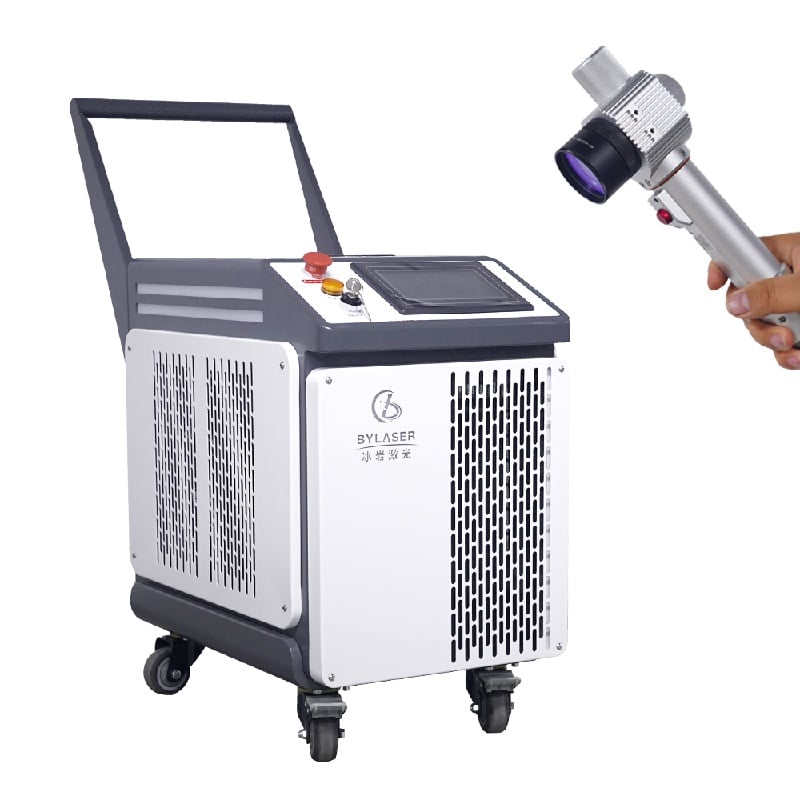
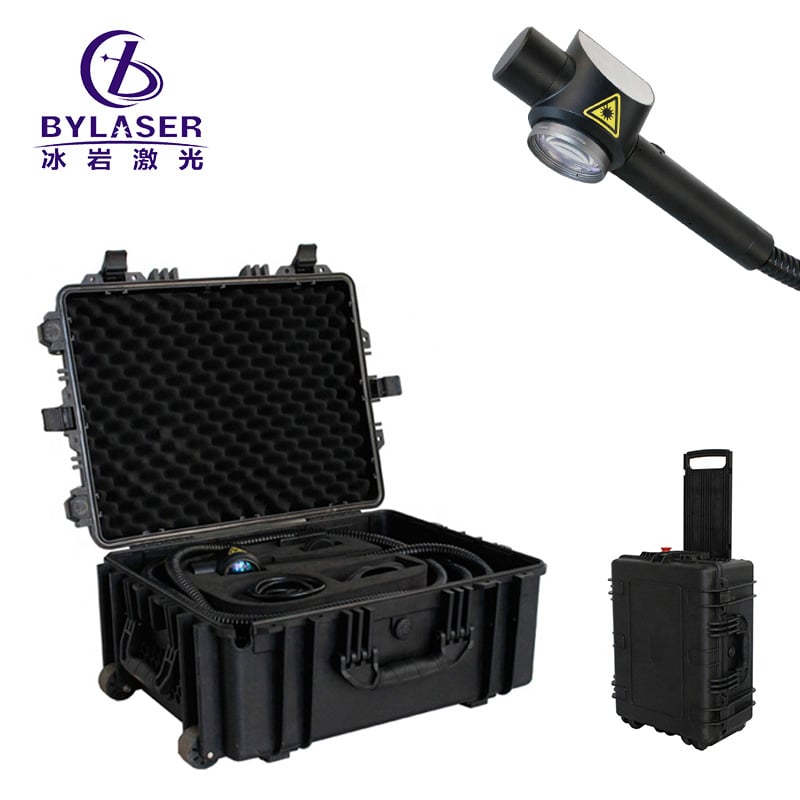
Metal fabrication and manufacturing industries face persistent challenges related to surface contamination, oxidation, rust, and coating removal. Traditional cleaning methods such as sandblasting, chemical stripping, and mechanical abrasion often introduce secondary contamination, generate hazardous waste, or cause substrate damage. A pulse laser cleaning machine offers a transformative solution by delivering high-intensity laser pulses that selectively ablate surface contaminants without affecting the base metal. This non-contact, environmentally friendly technology has become increasingly vital for industries requiring precise, repeatable, and sustainable metal surface preparation.
The adoption of a pulse laser cleaning machine enables metal processors to achieve superior surface quality while eliminating consumables, reducing labor costs, and meeting stringent environmental regulations. Unlike continuous wave lasers, pulsed systems deliver energy in discrete bursts, allowing precise control over thermal effects and minimizing heat-affected zones. This capability makes pulse laser cleaning machines particularly valuable for delicate substrates, complex geometries, and applications demanding exact material removal depth. Understanding the specific benefits this technology provides for metals helps manufacturers make informed decisions about integrating laser cleaning into their production workflows.
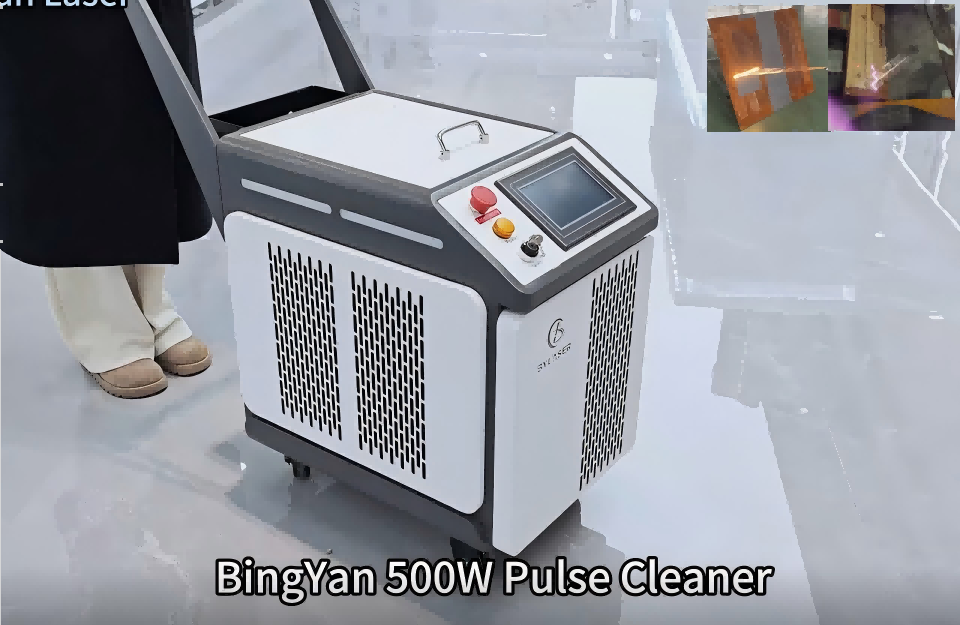
The pulse laser cleaning machine operates by emitting short-duration, high-peak-power laser pulses that interact with surface contaminants through photomechanical and photothermal mechanisms. Each pulse typically lasts between nanoseconds and microseconds, delivering energy rapidly enough to vaporize or ablate rust, oxides, paints, and other unwanted layers without transferring excessive heat to the underlying metal. This controlled energy delivery allows operators to remove specific contaminants layer by layer, preserving substrate integrity even on thin-walled components or heat-sensitive alloys. The precision achievable with a pulse laser cleaning machine far exceeds that of abrasive blasting or chemical treatments, which often affect base material properties.
Because a pulse laser cleaning machine delivers energy in discrete bursts rather than continuous streams, the thermal impact on the substrate remains minimal. The brief interaction time prevents significant heat accumulation, reducing the risk of warping, metallurgical phase changes, or mechanical property degradation. This characteristic proves essential when cleaning aluminum alloys, titanium, stainless steel, and other metals sensitive to thermal stress. The ability to maintain tight temperature control distinguishes pulse laser cleaning machines from continuous wave systems and conventional thermal cleaning methods, making them ideal for aerospace components, precision instrumentation, and automotive parts requiring dimensional stability.
Operators can fine-tune pulse duration, frequency, energy density, and scanning speed on a pulse laser cleaning machine to match specific contaminant characteristics and substrate conditions. Thick rust layers may require higher energy densities and slower scanning speeds, while light oxidation or thin coatings respond effectively to lower energies at faster rates. This flexibility allows a single pulse laser cleaning machine to handle diverse cleaning tasks across multiple metal types without requiring consumable changes or process reconfiguration. The adaptability reduces equipment redundancy and streamlines production planning, particularly in job shops and facilities processing varied workpieces.
Traditional metal cleaning methods often rely on acids, solvents, or alkaline solutions that generate hazardous liquid waste requiring collection, treatment, and disposal. A pulse laser cleaning machine eliminates these chemical consumables entirely, producing only solid particulate matter that can be captured through filtration systems. The absence of chemical waste reduces environmental liability, lowers disposal costs, and simplifies regulatory compliance for manufacturers operating under strict environmental standards. Industries transitioning to a pulse laser cleaning machine frequently report significant reductions in hazardous material handling and associated safety protocols, contributing to cleaner and safer working environments.
Unlike abrasive blasting systems that require continuous supplies of sand, grit, or beads, or chemical methods demanding solvent replenishment, a pulse laser cleaning machine operates without consumable media. The only ongoing costs involve electricity consumption and periodic maintenance of optical components. This consumable-free operation translates to predictable operating expenses and lower per-part cleaning costs, especially in high-volume production environments. Facilities using a pulse laser cleaning machine for metal surface preparation typically achieve return on investment within two to three years through consumable savings alone, before accounting for labor reduction and throughput improvements.
Mechanical abrasive cleaning and sandblasting generate significant noise levels that necessitate hearing protection and restricted work zones. A pulse laser cleaning machine operates with substantially lower acoustic emissions, creating quieter workspaces and reducing occupational health risks. Additionally, the non-contact nature of laser cleaning eliminates the physical hazards associated with rotating brushes, grinding wheels, or high-pressure abrasive streams. Workers operating a pulse laser cleaning machine face fewer exposure risks to airborne particulates, chemical vapors, or mechanical injuries, resulting in improved workplace safety metrics and reduced insurance liabilities for manufacturers.
Metal components often feature intricate shapes, recesses, threaded holes, and fine details that challenge traditional cleaning methods. Abrasive blasting may leave residual media trapped in cavities, while chemical cleaning struggles to reach tight corners uniformly. A pulse laser cleaning machine delivers consistent results regardless of surface geometry because the laser beam can be precisely directed and scanned across complex contours. Automated scanning systems integrated with pulse laser cleaning machines ensure repeatable coverage patterns, eliminating operator variability and producing uniform surface finishes on every workpiece. This consistency proves critical in industries requiring documented process control and traceability.
Aggressive mechanical cleaning methods inevitably alter substrate surface texture, removing microns of base material and potentially affecting dimensional tolerances. A pulse laser cleaning machine removes contaminants without abrading the underlying metal when properly configured, preserving original surface roughness profiles and maintaining critical dimensions. This non-abrasive characteristic makes pulse laser cleaning machines essential for cleaning precision-machined components, mating surfaces, bearing journals, and sealing faces where dimensional changes would compromise functionality. Manufacturers can clean parts multiple times throughout production cycles without cumulative dimensional loss, extending component service life and reducing scrap rates.
After cleaning with a pulse laser cleaning machine, metal surfaces require no additional rinsing, drying, or neutralization steps. The process leaves surfaces dry, chemically uncontaminated, and immediately ready for subsequent operations such as welding, coating, bonding, or assembly. This immediate readiness accelerates production workflows and eliminates intermediate handling steps that introduce recontamination risks. In contrast, chemically cleaned parts must be thoroughly rinsed and dried, while abrasively cleaned surfaces often require compressed air blowing or vacuum cleaning to remove embedded media. The streamlined workflow enabled by a pulse laser cleaning machine reduces cycle times and simplifies quality control procedures.
A pulse laser cleaning machine demonstrates effectiveness across the full spectrum of industrial metals, including carbon steel, stainless steel, aluminum, titanium, copper, brass, and specialty alloys. The technology adapts to different metal properties through parameter adjustment, accommodating variations in thermal conductivity, reflectivity, and melting points. Ferrous metals respond readily to pulse laser cleaning machine treatment for rust and mill scale removal, while non-ferrous metals benefit from gentle oxide layer removal without surface discoloration. This versatility allows manufacturers to standardize on a single cleaning technology rather than maintaining multiple specialized systems for different material families.
Industries ranging from aerospace and automotive to shipbuilding and electronics integration rely on pulse laser cleaning machine technology for critical applications. Aerospace manufacturers use pulse laser cleaning machines for pre-weld surface preparation on aluminum airframes and titanium engine components. Automotive suppliers employ the technology for removing e-coat and paint from body panels before repair welding. Shipyards utilize pulse laser cleaning machines for large-scale rust removal on steel hulls and structural members. Electronics manufacturers clean metal housings and connectors to ensure optimal electrical conductivity. The broad application range demonstrates how a pulse laser cleaning machine addresses fundamental metal cleaning needs across diverse sectors.
Modern pulse laser cleaning machines integrate seamlessly with robotic handling systems, conveyor lines, and computerized process control networks. Automated pulse laser cleaning machine cells can process batches of components with minimal operator intervention, performing consistent cleaning operations according to programmed parameters. Vision systems and sensors enable adaptive cleaning, where the pulse laser cleaning machine adjusts treatment intensity based on real-time contamination assessment. This automation capability supports lean manufacturing principles, reduces labor requirements, and enables lights-out production scenarios. Manufacturers implementing automated pulse laser cleaning machine systems report significant improvements in throughput consistency and reduced per-unit processing costs.
Evaluating a pulse laser cleaning machine requires examining total ownership costs rather than initial capital expenditure alone. While upfront investment for a pulse laser cleaning machine exceeds that of basic abrasive equipment, the absence of consumable costs, reduced labor requirements, lower waste disposal expenses, and minimal maintenance needs result in favorable long-term economics. Detailed cost modeling typically reveals breakeven points within 18 to 36 months for medium to high-volume applications. Facilities processing hundreds of components monthly find that a pulse laser cleaning machine delivers measurable cost advantages compared to outsourcing cleaning operations or maintaining consumable-intensive in-house methods.
The precision and repeatability of a pulse laser cleaning machine directly contribute to reduced defect rates and lower scrap costs. Consistent surface preparation improves subsequent process outcomes such as coating adhesion, weld quality, and bonding strength. Manufacturers transitioning to pulse laser cleaning machine technology frequently report reductions in rework rates, warranty claims, and field failures attributable to improved surface cleanliness. These quality improvements generate indirect economic benefits that complement direct operating cost savings, strengthening the business case for pulse laser cleaning machine adoption in quality-critical applications.
Environmental regulations governing chemical use, waste generation, and worker exposure continue tightening globally. Investing in a pulse laser cleaning machine positions manufacturers ahead of regulatory trends by eliminating problematic substances and processes before mandates force costly compliance retrofits. As jurisdictions phase out volatile organic compounds, restrict abrasive blasting emissions, and increase hazardous waste disposal costs, facilities operating pulse laser cleaning machines maintain operational continuity without disruptive process changes. This regulatory resilience provides strategic value beyond immediate financial returns, protecting long-term competitiveness and market access.
A pulse laser cleaning machine delivers energy in discrete, high-intensity bursts lasting nanoseconds to microseconds, while continuous wave systems emit steady laser beams. The pulsed approach provides superior control over thermal effects, minimizes heat-affected zones, and enables selective contaminant removal without substrate damage. Pulse laser cleaning machines excel at delicate cleaning tasks requiring precision, whereas continuous wave systems may generate excessive heat on temperature-sensitive materials.
Yes, a pulse laser cleaning machine effectively removes heavy rust accumulations, mill scale, and thick oxide layers from metal surfaces. Operators adjust pulse energy, frequency, and scanning speed to match contamination thickness, often employing multiple passes for severe cases. The technology removes rust down to bare metal without damaging the substrate, making pulse laser cleaning machines suitable for restoring corroded components and preparing weathered steel for protective coatings.
A pulse laser cleaning machine requires periodic inspection and cleaning of optical components such as lenses and protective windows to maintain beam quality. Filtration systems need regular filter replacement to capture ablated particulates. Laser source maintenance intervals vary by technology but typically range from several thousand to tens of thousands of operating hours. Overall maintenance demands remain significantly lower than those of abrasive blasting equipment or chemical processing systems, with most pulse laser cleaning machines requiring only routine preventive care.
Operating a pulse laser cleaning machine requires laser safety training covering beam hazards, proper use of protective equipment, and emergency procedures. Most manufacturers provide operator training programs covering equipment operation, parameter selection, and maintenance basics. While pulse laser cleaning machines incorporate safety interlocks and enclosed work areas, operators must understand laser classification, eye protection requirements, and safe work practices. Training duration typically ranges from several hours to two days depending on system complexity and operator experience level.