×
×
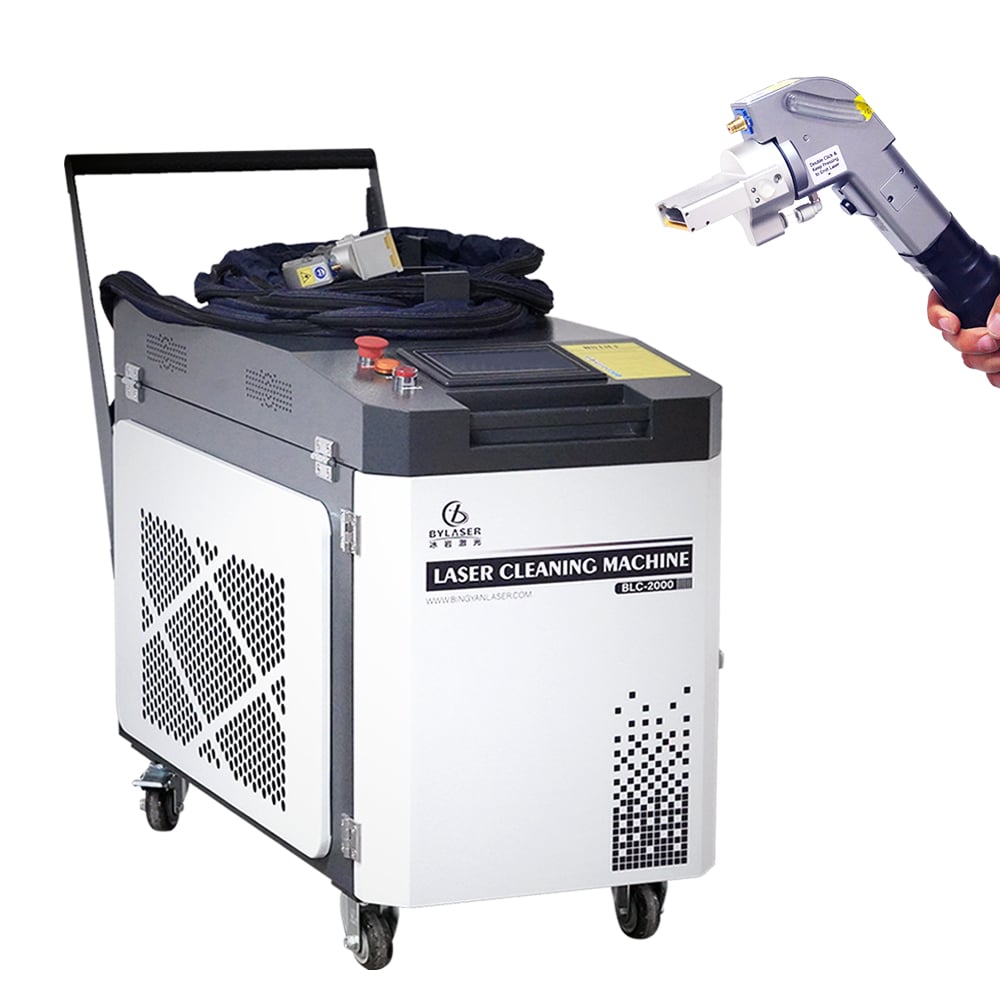
Maintaining a pulse laser cleaning machine is essential to ensure consistent performance, minimize downtime, and extend the operational lifespan of this sophisticated industrial equipment. Unlike traditional cleaning methods that rely on abrasives or chemicals, a pulse laser cleaning machine uses high-intensity laser pulses to remove contaminants, rust, coatings, and oxidation from metal surfaces without causing substrate damage. However, the advanced optical, mechanical, and electronic components within these systems require systematic maintenance protocols to preserve their precision and reliability over years of continuous operation. Understanding how to maintain your equipment properly translates directly into reduced total cost of ownership, sustained cleaning quality, and uninterrupted production workflows.
This comprehensive guide explains the step-by-step maintenance procedures, diagnostic checks, and preventive care strategies required to keep your pulse laser cleaning machine operating at peak efficiency. Whether you manage a single unit in a workshop or oversee multiple systems across industrial facilities, implementing these maintenance practices will safeguard your investment and ensure that your laser cleaning operations deliver reliable results day after day. The following sections detail critical maintenance areas including optical component care, cooling system management, protective window inspection, electrical system checks, and calibration procedures tailored specifically for pulse laser technology.
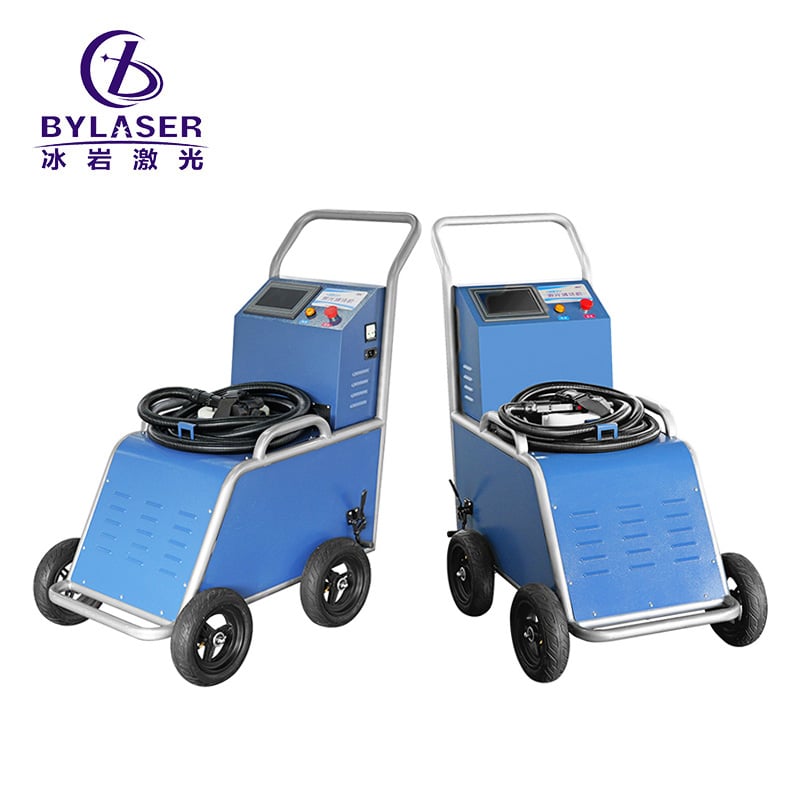
The unique operational characteristics of a pulse laser cleaning machine demand a maintenance approach that differs substantially from continuous wave laser systems. Pulse lasers generate extremely high peak power in short bursts, creating intense thermal and mechanical stress on optical components with each firing cycle. Over thousands of operational hours, this repetitive stress can cause microscopic degradation of lens coatings, alignment drift in the beam delivery system, and accumulation of debris on protective windows. Without systematic maintenance, these gradual changes compound into performance deterioration that manifests as reduced cleaning effectiveness, inconsistent ablation patterns, and eventual component failure that requires costly emergency repairs.
Establishing a structured maintenance schedule prevents these degradation patterns from reaching critical thresholds. Regular inspection intervals allow technicians to identify early warning signs such as slight reductions in beam quality, minor contamination on optical surfaces, or subtle changes in cooling system performance before they escalate into operational problems. This proactive approach minimizes unexpected downtime, extends component service life by preventing accelerated wear, and maintains the precision cleaning capabilities that justify the initial investment in pulse laser technology. Industrial facilities that implement disciplined maintenance protocols typically achieve three to five times longer operational lifespans compared to those that adopt reactive maintenance strategies.
Every pulse laser cleaning machine contains specific components that experience higher wear rates due to their exposure to environmental contaminants, thermal cycling, or direct interaction with the laser beam path. The protective window positioned at the output of the cleaning head represents the most vulnerable element, as it directly faces debris, dust, and ablated particles during every cleaning operation. Even microscopic contamination on this window can absorb laser energy, creating localized heating that degrades transmission efficiency and risks thermal damage to the glass substrate. Monitoring and cleaning this component should occur at intervals determined by your operational environment, ranging from daily inspection in heavy industrial settings to weekly checks in controlled workshop conditions.
The laser resonator cavity and beam delivery optics constitute another critical maintenance zone requiring specialized attention. Internal mirrors, lenses, and beam expanders within a pulse laser cleaning machine must maintain precise alignment and surface cleanliness to preserve beam quality and energy delivery efficiency. Vibration from industrial environments, thermal expansion during operation, and gradual accumulation of airborne particles can all compromise optical alignment over time. Additionally, the cooling system components including radiators, pumps, and fluid reservoirs play essential roles in maintaining stable operating temperatures that prevent thermal stress and ensure consistent pulse characteristics. Understanding which components in your specific system configuration experience the highest stress helps prioritize inspection schedules and spare parts inventory for optimal maintenance efficiency.
Beginning each work shift with a standardized pre-operation inspection creates the foundation for reliable pulse laser cleaning machine performance throughout the day. This brief but systematic check should start with a visual examination of the cleaning head and beam delivery arm for any signs of physical damage, loose connections, or contamination buildup. Operators should verify that all protective covers and safety interlocks remain properly secured, as compromised safety systems pose both operational and personnel risks. The protective window at the laser output deserves particular attention during these daily checks because contamination accumulates most rapidly at this interface between the optical system and the work environment.
After visual inspection, operators should review system status indicators and diagnostic displays to confirm that all subsystems report normal operating parameters before initiating laser operation. This includes verifying cooling system temperature readings, laser power supply voltage levels, and control system responsiveness. Many modern pulse laser cleaning machines incorporate self-diagnostic functions that automatically check critical parameters during startup sequences, but manual verification of these readings ensures that subtle anomalies receive appropriate attention before they affect production operations. Documenting these pre-operation checks in a maintenance log creates valuable historical data that helps identify gradual degradation trends and establishes accountability for proper equipment care.
Weekly maintenance intervals provide the opportunity for more thorough cleaning procedures that extend beyond the quick checks performed daily. During these sessions, technicians should carefully clean the protective window using appropriate optical-grade cleaning solutions and lint-free wipes specifically designed for laser optics. The cleaning process requires gentle circular motions that lift contamination without scratching delicate optical coatings, followed by inspection under proper lighting to verify complete removal of residues. For facilities operating in particularly dusty or contaminated environments, the pulse laser cleaning machine may require protective window cleaning at shorter intervals to maintain optimal beam transmission and prevent thermal damage from absorbed contaminants.
Weekly maintenance sessions should also include verification of cooling system fluid levels, inspection of electrical connections for signs of corrosion or loosening, and examination of the beam delivery articulation system for smooth operation throughout its full range of motion. Testing the emergency stop functions and safety interlocks during these weekly checks ensures that protective systems remain fully functional and comply with workplace safety requirements. Additionally, reviewing accumulated operating hours and cleaning cycle counts helps anticipate upcoming scheduled maintenance requirements such as filter replacements, coolant changes, or optical component servicing. This proactive scheduling prevents maintenance tasks from disrupting production schedules by allowing advance planning for parts procurement and technician availability.
The optical components within a pulse laser cleaning machine represent some of the most precision-engineered elements in the entire system, requiring specialized cleaning techniques that differ fundamentally from general industrial equipment maintenance. Standard cleaning materials such as paper towels, household glass cleaners, or compressed shop air can cause irreversible damage to optical coatings through scratching, chemical attack, or particulate contamination. Instead, optical maintenance demands purpose-designed cleaning solutions that dissolve contaminants without leaving residues, combined with specialized lens tissues or swabs that contact surfaces with minimal friction. Many manufacturers provide specific cleaning kits tailored to their optical assemblies, and following these recommendations protects warranty coverage while ensuring appropriate care methods.
When cleaning laser optics, technicians should work in environments with minimal airborne dust and avoid touching optical surfaces directly with bare fingers, as skin oils create difficult-to-remove contamination. The cleaning process typically begins with gentle removal of loose particles using filtered compressed air or specialized optical blowers, followed by application of cleaning solution to a lint-free wipe rather than directly onto the optic surface. Using circular motions from the center outward prevents contaminants from being redistributed across the optical surface while minimizing contact pressure that could damage delicate coatings. After cleaning, inspection under appropriate lighting reveals any remaining contamination or coating damage that requires additional attention or component replacement to maintain pulse laser cleaning machine performance standards.
Precise beam alignment forms the foundation of effective pulse laser cleaning machine operation, as even minor deviations from optimal alignment can significantly reduce cleaning efficiency and create uneven ablation patterns across the work surface. Most industrial laser systems incorporate alignment features such as adjustable mirrors, beam steering mechanisms, and focusing optics that require periodic verification and adjustment to compensate for thermal expansion, mechanical settling, and vibration-induced drift. Facilities should establish alignment verification procedures at intervals determined by operational intensity and environmental conditions, with high-volume operations requiring more frequent checks than occasional-use applications.
Beam alignment verification typically involves directing the laser output onto specialized alignment targets or sensor arrays that measure beam position, profile, and energy distribution. Some advanced pulse laser cleaning machines include built-in diagnostic modes that simplify this process by guiding operators through systematic alignment checks and providing quantitative feedback on beam characteristics. When alignment adjustments become necessary, technicians must follow manufacturer-specified procedures carefully, as improper adjustment can create cascading alignment errors throughout the optical path that are difficult to diagnose and correct. Documenting alignment measurements and adjustment actions in maintenance records helps establish baseline performance characteristics and identify unusual drift patterns that may indicate developing mechanical problems requiring more extensive investigation.
The cooling system in a pulse laser cleaning machine serves multiple critical functions beyond simple temperature control, directly influencing laser pulse characteristics, component longevity, and overall system reliability. During pulse generation, laser components experience rapid temperature increases that must be quickly dissipated to maintain stable optical properties and prevent thermal stress damage. The cooling system circulates temperature-controlled fluid through laser modules, optical assemblies, and electronic components, extracting accumulated heat and transferring it to external heat exchangers or radiators. Maintaining proper coolant temperature, flow rate, and fluid quality ensures that all thermally-sensitive components operate within their designed temperature ranges, preserving the precise optical properties that determine pulse laser cleaning machine cleaning effectiveness.
Cooling system performance directly affects pulse consistency and beam quality because temperature variations alter the optical characteristics of laser gain media and beam delivery components. As components heat during operation, thermal expansion can cause subtle changes in optical path lengths, focal positions, and beam divergence that compromise cleaning performance. A properly maintained cooling system prevents these thermal variations by maintaining stable operating temperatures regardless of ambient conditions or duty cycle variations. This thermal stability becomes particularly important during extended cleaning operations where accumulated heat loads would otherwise cause progressive performance degradation throughout the work shift. Regular cooling system maintenance ensures that thermal management capabilities remain sufficient for your operational demands.
Coolant degradation represents one of the most commonly overlooked maintenance issues in pulse laser cleaning machine operation, yet it significantly impacts system reliability and component service life. Over time, coolant absorbs contaminants from system components, breaks down chemically due to thermal cycling, and loses inhibitor additives that prevent corrosion and biological growth. Degraded coolant provides reduced heat transfer efficiency, can deposit scale or contaminants on heat exchanger surfaces, and may promote corrosion of metal components within the cooling circuit. Manufacturers typically specify coolant change intervals based on operating hours or calendar time, whichever occurs first, and adhering to these recommendations prevents coolant-related problems from compromising system performance.
The coolant replacement process should include complete system flushing to remove accumulated contaminants and degraded fluid residues that simple draining leaves behind. This involves circulating fresh coolant or a specialized flushing solution through the entire cooling system, including heat exchangers, pumps, and all connected components, until the discharge fluid runs clear and free of contamination. After flushing, the system should be filled with fresh coolant meeting manufacturer specifications, paying careful attention to proper fluid type, mixture ratios for glycol-based coolants, and filling procedures that eliminate air pockets from the circulation system. Some pulse laser cleaning machines incorporate coolant quality sensors that monitor fluid condition continuously, providing early warning when coolant degradation approaches levels requiring replacement even before scheduled intervals arrive.
The electrical systems within a pulse laser cleaning machine include high-voltage power supplies, precision control electronics, and sensor networks that require regular inspection to maintain safe and reliable operation. Electrical connections throughout the system face continuous thermal cycling as components heat during operation and cool between shifts, creating expansion and contraction forces that can gradually loosen terminal connections. Loose connections increase electrical resistance, generate localized heating, and may create intermittent faults that are difficult to diagnose. Monthly inspection of accessible electrical terminals, connector housings, and cable assemblies identifies developing connection issues before they cause operational failures or safety hazards.
During electrical inspections, technicians should look for signs of overheating such as discolored insulation, burned terminals, or melted connector housings that indicate excessive resistance or current flow. Cable assemblies deserve careful examination for damaged insulation, exposed conductors, or mechanical stress at connection points and strain reliefs. Control panel interiors should be checked for dust accumulation on electronic components, proper operation of cooling fans, and secure mounting of circuit boards and modules. For pulse laser cleaning machines operating in environments with significant electrical noise or power quality issues, verifying proper function of surge protection devices and power conditioning equipment helps prevent damage from voltage transients or harmonic distortion that can disrupt sensitive control electronics or damage power supply components.
Pulse laser performance depends critically on stable, clean electrical power because voltage variations and electrical noise directly affect pulse energy, duration, and repetition rate consistency. Poor power quality can manifest as inconsistent cleaning results, premature component wear, or control system errors that interrupt operations. Facilities should verify that incoming power meets voltage and frequency specifications with minimal distortion, and that dedicated circuits supply laser systems without sharing loads with motors, welders, or other equipment that generates electrical interference. Power quality monitoring equipment can record voltage variations, transient events, and harmonic content over extended periods, revealing patterns that may require correction through installation of voltage regulators, isolation transformers, or harmonic filters.
Grounding system integrity forms another essential aspect of electrical maintenance for pulse laser cleaning machine installations. Proper grounding provides both electrical safety protection and a low-impedance path for electrical noise that could otherwise couple into sensitive control circuits and affect system performance. Periodic verification of ground connection resistance and inspection of grounding conductors for corrosion or damage ensures that protective grounding remains effective. In facilities with multiple pieces of electrical equipment, establishing a single-point grounding scheme or isolated ground system for laser equipment prevents ground loop currents that can introduce noise into control signals and degrade pulse consistency. Consulting with qualified electrical engineers regarding power quality and grounding optimization often reveals opportunities to improve system reliability through relatively simple electrical infrastructure improvements.
Maintaining precise calibration of a pulse laser cleaning machine ensures that operator input settings translate accurately into actual cleaning parameters at the work surface. Over time, component aging, optical degradation, and electronic drift can cause discrepancies between programmed settings and actual laser output characteristics. Regular calibration procedures verify and adjust key parameters including pulse energy, repetition rate, spot size, and scan patterns to maintain consistency with factory specifications. Calibration intervals typically follow manufacturer recommendations, often ranging from quarterly to annual schedules depending on operational intensity and criticality of cleaning specifications in your applications.
The calibration process generally requires specialized measurement equipment such as laser power meters, beam profiling systems, and positioning accuracy fixtures that verify actual system performance against documented specifications. Some parameters can be checked using built-in diagnostic tools within the pulse laser cleaning machine control system, while others require external measurement instruments for accurate assessment. When calibration reveals deviations exceeding acceptable tolerances, adjustment procedures documented in service manuals guide technicians through systematic correction processes. Maintaining calibration records creates valuable documentation of system stability over time and provides evidence of proper equipment maintenance for quality management systems and regulatory compliance requirements.
Modern pulse laser cleaning machines incorporate sophisticated control software that manages laser parameters, motion control, safety interlocks, and user interfaces through embedded computers or industrial controllers. Manufacturers periodically release software updates that address discovered issues, add new features, or improve operational characteristics based on field experience and customer feedback. Establishing a systematic approach to evaluating and implementing software updates helps facilities benefit from these improvements while minimizing risks associated with changes to production equipment software. Before implementing any update, reviewing release notes carefully reveals whether the changes address issues relevant to your operations and whether the update requires supporting changes to operating procedures or operator training.
Software maintenance extends beyond updates to include regular backup of control programs, parameter settings, and custom configurations that define your specific pulse laser cleaning machine setup. These backups provide critical recovery capability if control system failures, accidental configuration changes, or corruption require restoration of operating parameters. Storing backups in multiple locations including removable media and network storage protects against data loss from local equipment failures or facility incidents. Additionally, documenting any custom programming, special parameter settings, or application-specific configurations ensures that knowledge about system setup remains available even when personnel change. This documentation becomes particularly valuable during troubleshooting sessions when comparing current settings against known-good configurations helps identify sources of performance problems.
The protective window cleaning frequency depends primarily on your operating environment and application characteristics. In heavy industrial settings with significant airborne contamination or when cleaning materials that generate substantial debris, daily inspection and cleaning may be necessary to maintain optimal performance. Cleaner workshop environments typically require weekly cleaning, while enclosed or filtered environments may extend intervals to bi-weekly schedules. The best approach involves monitoring window condition during daily pre-operation checks and cleaning whenever visible contamination appears, as accumulated debris reduces beam transmission efficiency and risks thermal damage to the window itself. Establishing a cleaning schedule based on your specific conditions prevents performance degradation while avoiding unnecessary maintenance effort.
Several warning signs indicate that immediate maintenance intervention is necessary to prevent equipment damage or safety hazards. Sudden reductions in cleaning effectiveness despite unchanged parameter settings often signal optical contamination, beam misalignment, or degraded laser output requiring investigation. Unusual sounds such as grinding, squealing, or knocking from mechanical assemblies suggest bearing wear, loose components, or lubrication problems that can cause rapid damage if operation continues. Temperature alarms or cooling system warnings indicate thermal management issues that risk overheating damage to expensive optical and electronic components. Additionally, error messages, unexpected shutdowns, or erratic control system behavior require immediate attention from qualified technicians before resuming normal operations. Never ignore safety interlock activations or continue operating equipment displaying warning indicators, as doing so risks both equipment damage and personnel safety.
The appropriate maintenance approach depends on the specific tasks required, your facility's technical capabilities, and manufacturer warranty or service agreement terms. Routine maintenance tasks such as protective window cleaning, cooling system level checks, pre-operation inspections, and external component cleaning can typically be performed by trained facility personnel following manufacturer guidelines. However, tasks involving internal optical adjustments, laser cavity servicing, high-voltage electrical work, or software modifications generally require specialized training, diagnostic equipment, and expertise that factory-certified technicians possess. Many manufacturers offer tiered maintenance programs where facilities handle daily and weekly tasks while factory service performs scheduled major maintenance at quarterly or annual intervals. This hybrid approach balances cost-effectiveness with access to specialized expertise for complex procedures. Always consult your equipment manual and warranty terms before performing any maintenance that might affect coverage or require specialized certification.
Comprehensive maintenance documentation serves multiple important purposes including warranty compliance, troubleshooting support, regulatory compliance, and equipment value preservation. Your maintenance records should include a daily operations log documenting operating hours, applications processed, any performance anomalies observed, and pre-operation inspection results. Detailed maintenance activity records should document all servicing performed including dates, tasks completed, parts replaced, measurements taken during calibration or alignment procedures, and technician identification. Tracking consumable component service life such as protective window replacements, coolant changes, and filter replacements helps predict future maintenance requirements and budget for replacement parts. Retaining calibration certificates, software version history, and manufacturer service reports creates a complete equipment history that proves valuable during troubleshooting, resale situations, or quality audits. Many facilities implement computerized maintenance management systems that organize this information systematically and generate automated reminders for scheduled maintenance tasks based on calendar intervals or accumulated operating hours.