×
×
Surface preparation stands as a critical foundation for countless industrial processes, from welding and coating to restoration and manufacturing. Traditional methods like sandblasting, chemical treatments, and mechanical abrasion have long dominated this field, yet they carry inherent limitations including environmental hazards, substrate damage, and inconsistent results. The emergence of advanced laser machine for cleaning technology has fundamentally transformed how industries approach surface preparation, offering precision, efficiency, and environmental responsibility that conventional methods cannot match. Understanding how these laser systems enhance surface preparation reveals why they have become indispensable across aerospace, automotive, maritime, and heritage conservation sectors.
The fundamental advantage of a laser machine for cleaning lies in its ability to selectively remove surface contaminants while preserving the base material integrity. This selective ablation occurs through precise energy delivery that vaporizes rust, paint, oxides, and other unwanted layers without mechanical contact or chemical reactions. Unlike abrasive blasting that can create surface roughness profiles inconsistent with subsequent coating requirements, laser cleaning produces predictable, controllable surface conditions tailored to specific preparation standards. This capability directly addresses the core challenge of surface preparation: achieving optimal cleanliness and texture for downstream processes while maintaining substrate dimensional accuracy and metallurgical properties.
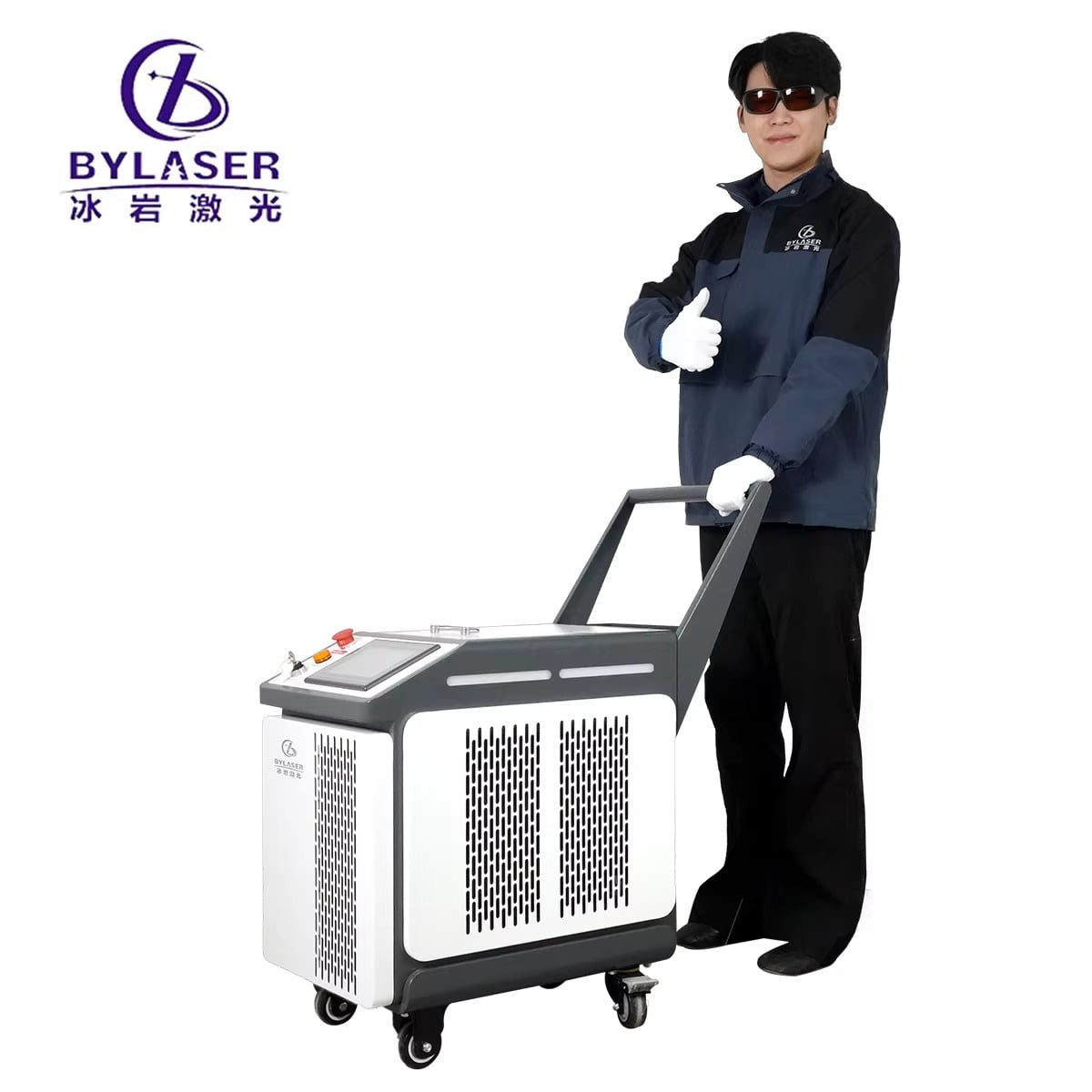
The operational principle of a laser machine for cleaning centers on differential thermal absorption between contaminants and substrate materials. When pulsed laser energy strikes a contaminated surface, the unwanted layer absorbs photons and rapidly heats to vaporization or sublimation temperatures. This phase transformation occurs within nanoseconds, creating a micro-explosive effect that ejects particles from the surface without transferring sufficient heat to affect the underlying material. The substrate, typically having different optical absorption characteristics, remains largely unaffected as the laser parameters are optimized for contaminant removal thresholds. This selective interaction explains why laser cleaning achieves superior preparation results compared to bulk removal methods that cannot distinguish between wanted and unwanted materials.
The pulse duration, wavelength, and energy density of a laser machine for cleaning determine the specific removal mechanism at play. Short pulse durations minimize thermal diffusion into the substrate, concentrating energy within the contaminant layer for clean ablation. Fiber lasers operating at wavelengths around one micrometer prove particularly effective for metallic surface preparation because these wavelengths match the absorption peaks of common industrial contaminants like rust and mill scale. By adjusting these parameters, operators achieve preparation outcomes ranging from light oxide removal to complete paint stripping across multiple layers, all while maintaining precise control that mechanical methods cannot replicate.
Traditional abrasive preparation methods create surface profiles through random mechanical impact, resulting in peak-to-valley variations that depend on abrasive particle size, impact velocity, and operator technique. A laser machine for cleaning delivers fundamentally different surface preparation by removing material layer by layer with micrometer-scale precision. This controlled removal produces surface textures that meet specific roughness parameters required for optimal coating adhesion or bonding operations. For applications demanding tight surface profile tolerances, such as aerospace component refurbishment or precision welding preparation, this consistency represents a transformative capability that reduces rejection rates and improves downstream process reliability.
The non-contact nature of laser cleaning eliminates the edge rounding and dimensional changes common with abrasive methods. When preparing surfaces with tight geometric tolerances or complex three-dimensional features, a laser machine for cleaning maintains original part dimensions while removing only the target contamination. This preservation of geometric accuracy proves essential in industries where component fit and clearances operate within narrow specifications. The ability to prepare surfaces without altering part dimensions reduces scrap rates, eliminates costly rework, and enables preparation of components that would be unsuitable for aggressive mechanical cleaning methods.
A properly configured laser machine for cleaning dramatically accelerates surface preparation compared to manual or semi-automated traditional methods. Modern handheld laser systems can clean at rates exceeding five to ten square meters per hour depending on contamination type and removal requirements, significantly outpacing manual wire brushing or chemical stripping. Automated laser cleaning systems integrated into production lines achieve even higher throughput by combining robotic positioning with continuous operation capabilities. This speed advantage directly impacts production economics by reducing labor costs, minimizing equipment downtime during maintenance preparation, and accelerating project timelines in sectors like shipbuilding and infrastructure maintenance where preparation activities represent substantial portions of total project duration.
The immediate readiness of surfaces following laser preparation eliminates the drying times, neutralization steps, and waste disposal procedures required by chemical cleaning methods. After a laser machine for cleaning completes its work, the prepared surface is immediately ready for coating, welding, or bonding operations without intermediate processing steps. This workflow simplification reduces handling, minimizes contamination risks during transfer between preparation and application areas, and shortens overall process cycles. In high-value manufacturing environments where production scheduling operates under tight constraints, this immediate readiness advantage provides measurable competitive benefits through improved asset utilization and reduced work-in-process inventory.
The environmental profile of a laser machine for cleaning represents a substantial improvement over chemical strippers, solvent baths, and abrasive blasting operations. Laser cleaning generates no chemical waste streams requiring disposal, no wastewater contamination, and minimal solid waste consisting only of the removed material itself, which typically falls as dry particles easily collected through vacuum systems. This waste reduction eliminates disposal costs, regulatory compliance burdens, and environmental liability risks associated with hazardous waste management. Industries facing increasingly stringent environmental regulations find laser cleaning technology offers a pathway to maintain operational capability while meeting or exceeding environmental performance standards.
Worker safety conditions improve dramatically when organizations replace traditional preparation methods with a laser machine for cleaning. Operators avoid exposure to toxic chemical fumes, hazardous dust clouds from abrasive blasting, and the physical strain of prolonged manual cleaning operations. Modern laser systems incorporate comprehensive safety interlocks, beam containment features, and ergonomic designs that minimize operator fatigue during extended use. The reduction in workplace injuries, respiratory hazards, and long-term health risks translates to lower insurance costs, improved worker retention, and enhanced corporate safety performance metrics that increasingly influence customer procurement decisions and regulatory compliance standing.
Pre-weld surface preparation critically influences joint quality, strength, and longevity across manufacturing sectors. A laser machine for cleaning excels in removing mill scale, oxides, and organic contaminants from weld preparation areas without introducing embedded abrasive particles that can compromise weld metallurgy. This cleanliness advantage proves particularly valuable in critical applications like aerospace structural welding, pipeline construction, and pressure vessel fabrication where weld integrity directly impacts safety and regulatory compliance. The precise control offered by laser cleaning enables preparation of complex joint geometries including tight corners, overlapping sections, and intricate assemblies where mechanical cleaning access proves difficult or impossible.
The consistency of surface preparation achieved with a laser machine for cleaning reduces weld defect rates by ensuring uniform conditions across all joint surfaces. Variations in cleanliness and surface chemistry create inconsistent weld penetration, porosity issues, and strength variations that compromise joint reliability. By delivering repeatable preparation results regardless of operator skill level or environmental conditions, laser cleaning technology supports quality assurance objectives and reduces the expensive rework associated with failed weld inspections. This consistency advantage extends to automated welding operations where robotic systems depend on predictable surface conditions to maintain process parameters within acceptable ranges.
Coating adhesion and longevity depend fundamentally on surface preparation quality, making the precision of a laser machine for cleaning particularly valuable in protective coating applications. Laser preparation removes contaminants while creating controlled surface profiles that optimize mechanical anchoring of coatings without the subsurface damage and stress concentrations introduced by aggressive abrasive blasting. This gentle preparation proves essential for thin-walled components, heat-sensitive materials, and precision parts where excessive surface working can compromise dimensional accuracy or induce residual stresses that accelerate fatigue failure. The ability to prepare surfaces to exact roughness specifications ensures coating systems perform according to manufacturer specifications and achieve predicted service lifetimes.
Selective preparation capabilities enable a laser machine for cleaning to address specific problem areas without disturbing adjacent surfaces or existing coating systems in good condition. This targeted approach proves invaluable during maintenance operations where localized corrosion requires removal before spot coating application, or where coating systems have failed in discrete areas while remaining serviceable elsewhere. Traditional preparation methods struggle to achieve such selectivity without extensive masking, while laser systems simply direct energy only where preparation is needed. This precision reduces material consumption, minimizes preparation time, and extends the service life of coating systems by enabling timely intervention before localized failures propagate across larger areas.
While the initial capital investment in a laser machine for cleaning exceeds that of conventional preparation equipment, the total cost of ownership calculation reveals substantial long-term savings across multiple operational dimensions. Elimination of consumable abrasive materials, chemical agents, and their associated disposal costs creates immediate per-operation savings that accumulate rapidly in high-volume environments. Reduced labor requirements due to faster preparation rates and simplified workflows lower direct operational costs while enabling workforce redeployment to higher-value activities. These tangible cost reductions typically enable investment payback within one to three years depending on utilization intensity and the specific cost structure of displaced conventional methods.
The operational flexibility of a laser machine for cleaning contributes additional economic value through equipment utilization optimization. A single laser system handles diverse preparation tasks across different substrate materials, contamination types, and cleanliness requirements by simply adjusting operational parameters. This versatility eliminates the need for multiple specialized preparation systems, reduces equipment inventory costs, and simplifies maintenance logistics. Organizations operating across varied project types find this adaptability particularly valuable, as the same equipment serves applications ranging from delicate historical artifact restoration to heavy industrial tank cleaning without requiring dedicated tools for each application category.
The superior preparation consistency delivered by a laser machine for cleaning reduces downstream quality defects that originate from inadequate or inconsistent surface preparation. Coating failures, weld defects, and bonding issues traced to preparation inadequacies represent significant costs through rework, warranty claims, and potential safety incidents. By virtually eliminating preparation-related quality variations, laser cleaning technology avoids these failure costs while improving overall process capability indices. This quality improvement translates to reduced inspection requirements, lower rejection rates, and enhanced customer satisfaction metrics that support premium pricing and customer retention.
Production scheduling benefits emerge from the predictable, reliable performance characteristics of a laser machine for cleaning compared to traditional methods affected by consumable supply variations, equipment wear patterns, and operator skill dependencies. Maintenance planners can accurately forecast preparation durations, optimize resource allocation, and minimize schedule disruptions caused by preparation bottlenecks or quality holds. This scheduling reliability proves especially valuable in industries operating under tight delivery commitments or contractual penalty clauses for schedule delays. The ability to confidently commit to aggressive timelines without risking preparation-related delays provides competitive advantages in bidding processes and customer relationship management.
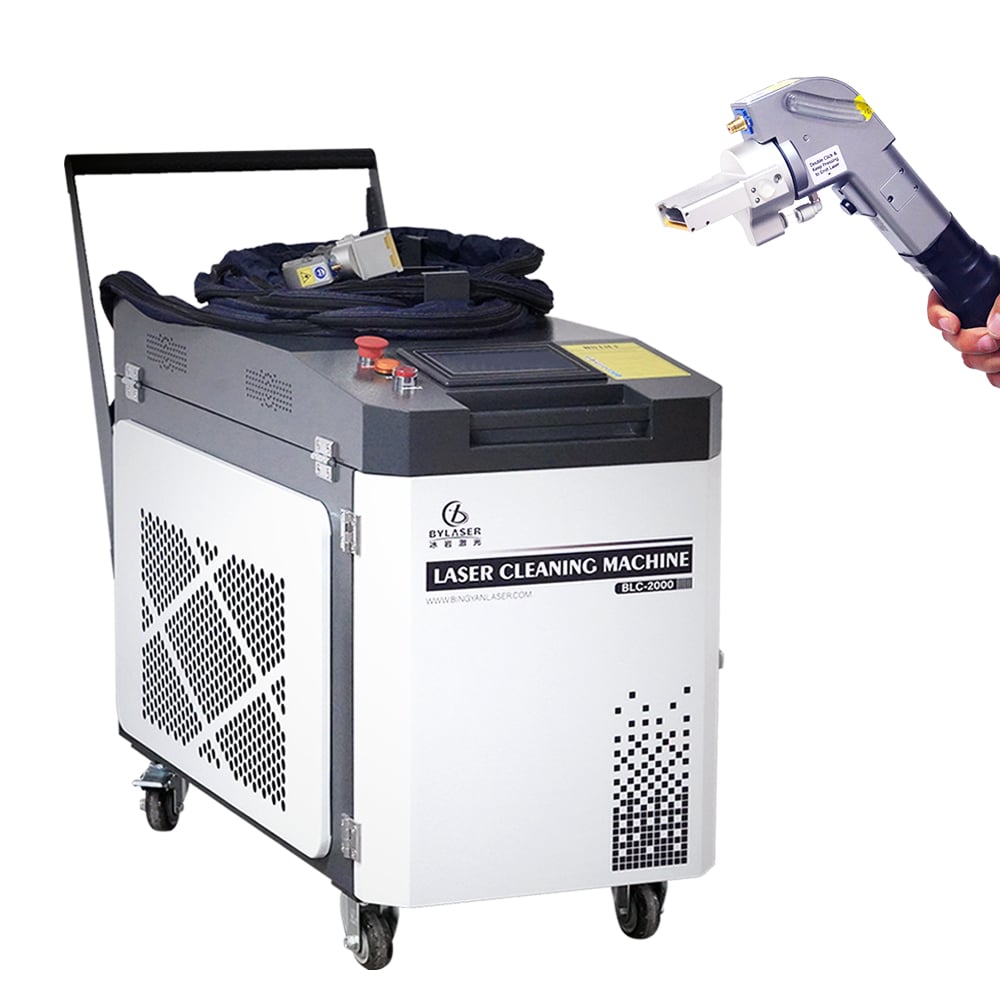
Successful implementation of a laser machine for cleaning begins with careful matching of system capabilities to application requirements. Critical specification parameters include laser power output, pulse frequency, wavelength, and beam delivery configuration, each influencing suitability for specific contaminant types and substrate materials. Handheld systems offer maximum flexibility for varied geometries and field deployment, while automated systems integrated into production lines optimize throughput for high-volume repetitive operations. Organizations should conduct thorough application analysis including contamination characterization, throughput requirements, and geometric complexity assessment before committing to specific equipment configurations.
The operational environment significantly influences system selection decisions for a laser machine for cleaning. Indoor manufacturing environments with controlled conditions allow more compact systems without extensive environmental protection, while field deployment in maritime, infrastructure, or remote locations demands ruggedized designs with weather protection and portable power options. Safety infrastructure requirements including beam containment, fume extraction, and operator protection equipment vary with system power levels and operational settings, necessitating comprehensive safety analysis during planning phases. Engaging equipment suppliers early in the specification process ensures system designs address site-specific constraints and regulatory requirements that might otherwise necessitate costly post-installation modifications.
Maximizing the preparation enhancement potential of a laser machine for cleaning requires comprehensive operator training programs covering both theoretical principles and practical technique development. Operators must understand how parameter adjustments affect removal rates, surface profiles, and substrate protection to optimize settings for diverse applications encountered in typical operational scenarios. Hands-on training with representative materials and contamination types builds the operator judgment necessary for real-time process adjustment and quality verification. Organizations investing in thorough training programs achieve faster implementation timelines, higher equipment utilization rates, and better overall return on investment compared to those treating laser cleaning as a simple drop-in replacement for conventional methods.
Process documentation and standard operating procedure development ensure consistent preparation results across multiple operators and work shifts. Detailed procedures specifying parameter settings, technique patterns, quality acceptance criteria, and safety protocols for each common application type reduce variability and support quality management system requirements. Regular process audits and operator competency assessments maintain performance standards as workforce composition changes over time. These organizational practices surrounding a laser machine for cleaning technology prove as important to successful implementation as the equipment itself, transforming technical capability into reliable operational performance that delivers sustained competitive advantages.
A laser machine for cleaning effectively removes rust, mill scale, oxides, paint, powder coatings, oils, greases, and various other organic and inorganic contaminants from metal surfaces. The technology works particularly well on ferrous and non-ferrous metals including steel, aluminum, titanium, and copper alloys. Some advanced systems can also prepare composite materials, stone, and concrete surfaces depending on contamination type and substrate sensitivity. The key limitation involves materials that might be damaged by thermal effects or those with optical properties that prevent effective energy absorption, though most industrial surface preparation applications fall well within laser cleaning capabilities.
Laser preparation typically produces cleaner surfaces with more consistent and controllable roughness profiles compared to abrasive blasting. While abrasive methods can achieve various surface profile depths by changing media type and pressure, they introduce random variations and may embed particles that compromise coating adhesion. A laser machine for cleaning removes contaminants without embedding foreign materials and creates predictable surface textures through precise parameter control. For applications requiring specific cleanliness standards or controlled roughness parameters, laser preparation often exceeds abrasive blasting performance while avoiding substrate damage risks associated with aggressive mechanical methods. The choice between methods depends on specific application requirements, throughput needs, and economic considerations.
Modern laser cleaning systems require relatively minimal maintenance compared to traditional preparation equipment. Primary maintenance activities include regular cleaning of optical components, periodic replacement of protective windows exposed to ablation debris, and routine inspection of beam delivery systems. Fiber laser sources typically offer operational lifetimes exceeding 100,000 hours with minimal performance degradation. Cooling system maintenance, filter changes for fume extraction units, and calibration verification represent additional periodic tasks. Overall maintenance demands prove significantly lower than those for abrasive blasting equipment requiring media handling systems, blast nozzle replacement, and containment facility upkeep, or chemical systems needing solution monitoring and disposal management.
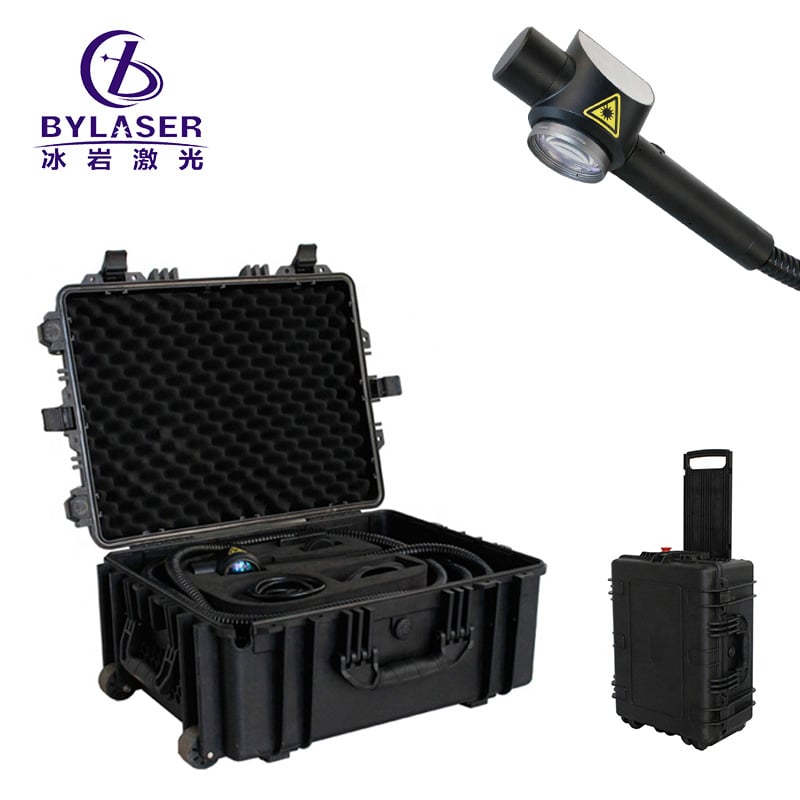
Many laser cleaning systems are specifically designed for field deployment in uncontrolled environments including shipyards, construction sites, pipeline projects, and infrastructure maintenance locations. Portable handheld units with ruggedized designs operate effectively in outdoor conditions, though extreme weather may require temporary shelters for optimal performance and operator comfort. Battery-powered and generator-compatible systems enable operation in locations without facility power infrastructure. The primary field considerations involve establishing appropriate safety zones for laser operation, providing adequate ventilation or fume extraction, and protecting equipment from moisture and contamination. These requirements prove far more manageable than establishing abrasive blasting containment or managing chemical treatment logistics in field settings, making laser technology increasingly popular for remote and challenging preparation applications.