×
×
Manufacturing environments face persistent safety challenges rooted in traditional cleaning methods that expose workers to hazardous chemicals, abrasive materials, and repetitive strain injuries. A pulse laser cleaning machine represents a transformative approach to surface preparation and contamination removal, fundamentally altering how industrial facilities manage worker safety while maintaining operational efficiency. This technology eliminates the need for toxic solvents, reduces physical labor demands, and minimizes environmental hazards that have plagued conventional cleaning processes for decades. Understanding how this advanced equipment enhances workplace safety requires examining its operational principles, risk mitigation capabilities, and practical implementation across diverse manufacturing sectors.
The shift from chemical-intensive and mechanically abrasive cleaning methods to laser-based technology directly addresses the root causes of workplace injuries and occupational illnesses in manufacturing settings. Traditional approaches require workers to handle corrosive substances, operate grinding equipment in close proximity to workpieces, and perform repetitive motions that lead to musculoskeletal disorders. By contrast, a pulse laser cleaning machine operates through photonic energy delivery that vaporizes contaminants without physical contact or chemical intermediaries. This fundamental operational difference creates a cascade of safety improvements that extend beyond immediate worker protection to encompass environmental compliance, long-term health outcomes, and systemic risk reduction throughout production facilities.
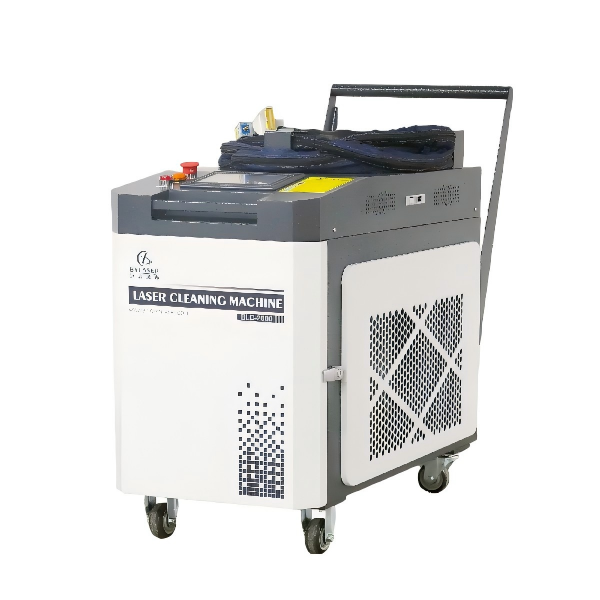
Conventional industrial cleaning relies heavily on solvents such as methylene chloride, trichloroethylene, and acetone that pose acute and chronic health risks to manufacturing personnel. These substances cause respiratory irritation, neurological damage, dermatitis, and potential carcinogenic effects with prolonged exposure. Workers handling these chemicals require personal protective equipment that itself creates discomfort and mobility restrictions during extended shifts. The pulse laser cleaning machine eliminates this entire category of hazard by removing rust, paint, grease, and oxidation through controlled laser pulse energy rather than chemical dissolution. Facilities implementing this technology report complete elimination of solvent storage requirements, spill response protocols, and chemical exposure monitoring programs that previously consumed significant safety resources.
The transition away from chemical cleaning agents extends safety benefits beyond the immediate operators to include maintenance personnel, warehouse staff handling chemical deliveries, and environmental health specialists managing waste disposal. Chemical storage facilities within manufacturing plants represent concentrated hazard zones requiring specialized ventilation, containment systems, and emergency response equipment. A pulse laser cleaning machine operates using only electrical power, replacing hazardous material storage areas with compact equipment footprints that integrate seamlessly into existing production lines. This spatial reconfiguration reduces the number of designated hazardous zones within facilities, simplifies emergency evacuation planning, and lowers insurance premiums associated with chemical handling operations.
Chemical cleaning processes generate contaminated waste streams that require careful handling, treatment, and disposal to prevent environmental contamination and worker exposure during secondary processing. Spent solvents contain dissolved contaminants including heavy metals, organic compounds, and particulate matter that create additional safety risks during collection, transport, and waste management activities. The pulse laser cleaning machine produces minimal waste consisting primarily of vaporized particulate matter that can be captured through localized fume extraction systems. This waste stream contains no liquid chemicals, reducing the complexity of waste handling procedures and eliminating the risk of chemical spills during transfer operations that have historically caused workplace injuries and environmental incidents.
The absence of wet chemical residues on cleaned surfaces further enhances safety by eliminating slip hazards associated with solvent drips and puddles in work areas. Traditional cleaning operations often leave surfaces temporarily coated with residual chemicals that require drying time before subsequent manufacturing steps can proceed. During this interim period, walkways and work zones become slippery, creating fall risks for personnel moving through production areas. A pulse laser cleaning machine leaves surfaces immediately dry and ready for coating, welding, or assembly operations without intermediate drying steps. This operational efficiency not only improves production throughput but also maintains consistent surface traction throughout manufacturing facilities, reducing the incidence of slip-and-fall accidents that constitute a leading cause of workplace injuries across industrial sectors.
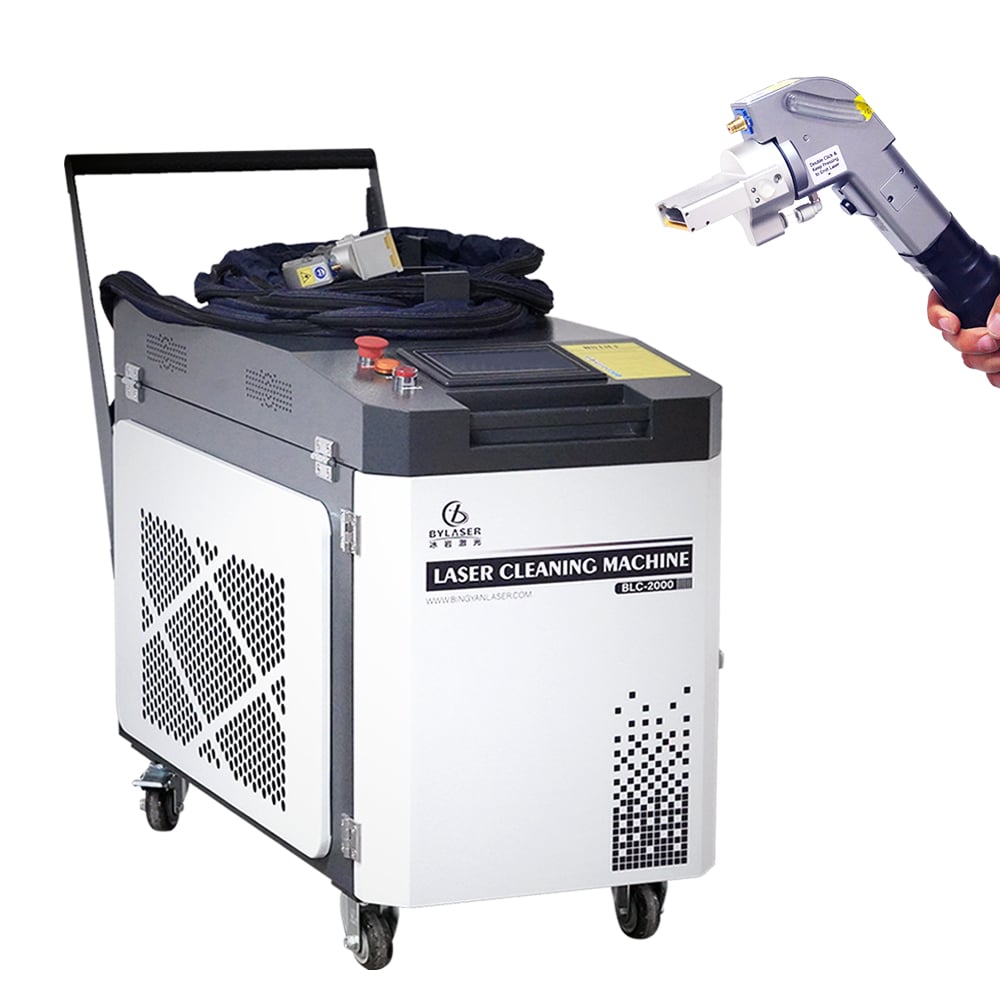
Mechanical cleaning methods such as grinding, sandblasting, and wire brushing require workers to maintain physical contact with workpieces or operate handheld tools that transmit vibration and force directly to the operator. These contact-intensive processes cause hand-arm vibration syndrome, repetitive strain injuries, and acute trauma from tool slippage or workpiece movement. The pulse laser cleaning machine functions through directed photonic energy delivery at standoff distances ranging from several centimeters to over a meter, depending on optical configuration and power output. Operators guide the cleaning process without direct tool contact, eliminating vibration transmission and reducing the physical force requirements that contribute to cumulative musculoskeletal disorders in manufacturing workforces.
The standoff operational capability of a pulse laser cleaning machine creates inherent separation between workers and hazard sources including sharp edges, rotating components, and thermally active surfaces undergoing treatment. Traditional abrasive methods require operators to position themselves in close proximity to workpieces, often in awkward postures that increase injury risk. Laser cleaning allows operators to maintain ergonomically favorable positions while directing the cleaning beam across large surface areas without repositioning themselves or the workpiece frequently. This operational geometry reduces physical strain, lowers fatigue accumulation during extended production runs, and minimizes the probability of contact injuries that occur when workers lose balance or coordination during physically demanding cleaning tasks.
Mechanical abrasive cleaning processes generate high-velocity particulate matter and debris fragments that pose eye injury risks and respiratory hazards to workers in the immediate vicinity. Grinding operations produce sparks and metal fragments traveling at significant velocities that can penetrate inadequate personal protective equipment or strike unprotected workers in adjacent areas. Sandblasting creates airborne abrasive media clouds that reduce visibility and contaminate work environments beyond the immediate treatment zone. The pulse laser cleaning machine vaporizes surface contaminants into fine particulate matter that can be captured at the point of generation through integrated or portable fume extraction systems, preventing the dispersal of hazardous airborne material throughout manufacturing facilities.
The controlled nature of laser ablation reduces the unpredictability inherent in mechanical cleaning methods where tool breakage, workpiece failure, or unexpected material behavior can suddenly release projectiles into work areas. Grinding wheel disintegration represents a catastrophic failure mode in mechanical cleaning operations, launching large fragments at dangerous velocities with minimal warning. The pulse laser cleaning machine operates without consumable abrasive components or rotating mechanical elements subject to fatigue failure, eliminating this category of catastrophic equipment failure. The predictable, controlled energy delivery of pulsed laser systems allows operators to anticipate equipment behavior and respond to operational anomalies before they escalate into safety incidents, creating a more stable and manageable risk profile compared to traditional mechanical cleaning technologies.
The vaporization process inherent to pulse laser cleaning machine operation generates a plume of microscopic particulate matter at the point where the laser beam contacts contaminated surfaces. This plume contains the chemical constituents of the removed material in aerosol form, requiring capture and filtration to prevent respiratory exposure. Modern laser cleaning systems integrate with portable or fixed fume extraction units positioned immediately adjacent to the cleaning zone, capturing particulate matter before it disperses into the broader work environment. These extraction systems typically employ multi-stage filtration including HEPA filters and activated carbon elements that remove particulate contaminants and residual organic vapors, ensuring that exhaust air meets or exceeds regulatory standards for workplace air quality.
The localized nature of fume generation during pulse laser cleaning machine operation allows for targeted ventilation strategies that concentrate air quality control resources at emission points rather than requiring facility-wide ventilation enhancements. Traditional chemical cleaning operations release volatile organic compounds throughout large work areas, necessitating extensive ventilation infrastructure with high air exchange rates that consume significant energy and still may not adequately protect workers in poorly ventilated zones. Laser cleaning concentrates emissions at the beam contact point where small, mobile extraction units provide effective capture, reducing the overall ventilation burden on facility HVAC systems while improving capture efficiency. This targeted approach delivers superior protection at emission sources while reducing the energy costs associated with maintaining acceptable air quality across entire manufacturing buildings.
Mechanical abrasive methods generate extensive dust clouds that obscure visibility, settle on surfaces throughout facilities, and create secondary cleanup requirements that expose additional workers to particulate hazards. These dust accumulations represent both immediate respiratory risks and potential combustible dust hazards in facilities processing materials with flammable characteristics. The pulse laser cleaning machine produces significantly lower total particulate volumes compared to grinding or sandblasting operations, and the particles generated are immediately available for capture at the source rather than dispersing widely before settling. This fundamental difference in particulate generation patterns reduces the burden on facility housekeeping programs and lowers the risk of dust accumulation in elevated spaces where ignition sources might trigger combustible dust explosions.
The reduction in airborne dust concentrations achieved through pulse laser cleaning machine implementation creates a clearer work environment that enhances visibility and reduces eye irritation complaints common in facilities employing traditional abrasive methods. Improved visibility contributes to overall safety by allowing workers to better perceive their surroundings, identify potential hazards, and navigate work areas without visual impairment. The cleaner air environment also reduces the maintenance burden on precision equipment and control systems that can malfunction when contaminated with abrasive dust, preventing equipment failures that might create secondary safety hazards during production operations.
Modern pulse laser cleaning machine designs incorporate multiple safety interlocks that prevent inadvertent laser activation and protect operators from exposure to hazardous laser radiation. These systems include beam shutter mechanisms that physically block the laser output when not actively cleaning, emergency stop controls accessible from multiple positions around the equipment, and interlock circuits that disable laser operation if safety enclosures are opened or protective barriers are removed. The integration of these safety features at the equipment design level creates defense-in-depth protection that prevents single-point failures from resulting in operator exposure, establishing a safety foundation that exceeds the protection available with manually operated abrasive tools.
Advanced pulse laser cleaning machine models incorporate sensors that detect operator proximity and automatically reduce power output or pause operation when personnel approach hazard zones beyond safe thresholds. These proximity detection systems use infrared sensors, pressure-sensitive mats, or optical curtains to create protective zones around active cleaning operations. When integrated with robotic handling systems, these sensors enable automated cleaning operations that remove workers entirely from hazard zones during processing, relegating human operators to supervisory roles in protected control stations. This evolution toward automated laser cleaning represents the ultimate safety enhancement, eliminating worker presence in areas where residual hazards including noise, fumes, and reflected laser energy exist despite engineering controls.
The operational simplicity of pulse laser cleaning machine systems compared to complex chemical processes or technique-dependent mechanical methods reduces the training burden required to develop competent operators and lowers the probability of procedural errors that lead to safety incidents. Chemical cleaning requires workers to understand material compatibility, mixing ratios, exposure time parameters, and proper disposal procedures, each representing potential error points where mistakes create safety consequences. Mechanical cleaning depends heavily on operator technique, tool selection, and physical positioning, with performance variability directly tied to individual skill and experience. Laser cleaning systems present operators with intuitive controls for power output, scan speed, and pattern selection, with most operational parameters pre-programmed for specific applications by engineering personnel.
The reduced complexity of pulse laser cleaning machine operation allows facilities to train operators to competency more quickly and with higher confidence in consistent performance across shifts and personnel changes. Shorter training cycles reduce the period during which new operators work with elevated error risk, and the intuitive nature of laser system controls minimizes the probability of operational mistakes that might compromise safety. The equipment's digital control interfaces provide clear feedback on operational status, error conditions, and maintenance requirements, enabling operators to identify and respond to abnormal conditions before they escalate into safety incidents. This transparency in equipment status represents a significant advancement over mechanical tools and chemical processes where operational anomalies may not become apparent until after safety consequences have already occurred.
The cumulative health impacts of traditional cleaning methods manifest as chronic conditions including occupational asthma, contact dermatitis, hearing loss from noise exposure, and neurological effects from solvent exposure that develop over years of workplace activity. These chronic conditions represent significant human costs and create substantial liabilities for employers through workers' compensation claims, disability accommodations, and productivity losses. The pulse laser cleaning machine eliminates or substantially reduces the causative exposures underlying these chronic conditions by removing chemical solvents, reducing noise generation compared to grinding operations, and eliminating repetitive physical strain patterns associated with manual tool operation.
Facilities that transition from traditional cleaning methods to pulse laser cleaning machine technology report measurable improvements in long-term workforce health metrics including reduced rates of occupational illness claims, lower rates of restrictive work assignments due to physical limitations, and improved employee retention in roles that previously experienced high turnover due to physically demanding or hazardous working conditions. These workforce health improvements translate directly into economic benefits through reduced insurance premiums, lower recruiting and training costs, and enhanced productivity from experienced workers who remain capable of performing their roles without physical limitations. The public health dimension of reducing chronic occupational exposures extends beyond individual facilities to benefit communities by lowering healthcare system burdens and improving quality of life for manufacturing workers throughout their careers and into retirement.
Repetitive strain injuries represent one of the most prevalent categories of workplace injury in manufacturing sectors, resulting from the cumulative effects of repetitive motions, forceful exertions, and sustained awkward postures required by traditional cleaning methods. Workers operating grinders, wire brushes, and other handheld tools perform thousands of repetitive motions during typical shifts, applying sustained grip force and controlling tool position against workpiece resistance. These biomechanical demands accumulate over time, eventually manifesting as carpal tunnel syndrome, tendonitis, and other musculoskeletal disorders that limit worker capability and create permanent functional impairments. The pulse laser cleaning machine reduces these biomechanical demands by minimizing required grip force, eliminating tool reaction forces, and enabling operation from ergonomically favorable positions that reduce postural strain.
The ergonomic advantages of pulse laser cleaning machine operation become particularly significant in applications requiring extended cleaning operations on large surface areas where traditional methods would demand hours of continuous physical exertion. Laser systems can be mounted on articulated arms, gantry systems, or robotic manipulators that position the cleaning beam across work surfaces while operators control the process from stationary positions without supporting equipment weight or resisting reaction forces. This operational configuration eliminates the physical demands that cause fatigue and injury during extended manual cleaning operations, allowing workers to maintain consistent performance throughout shifts without accumulating the microtrauma that eventually manifests as chronic musculoskeletal disorders. The long-term reduction in cumulative trauma disorders achieved through laser cleaning implementation protects worker health while simultaneously improving quality consistency by eliminating the performance degradation that occurs as workers fatigue during physically demanding operations.
Industrial pulse laser cleaning machines should comply with laser safety standards including IEC 60825-1 for laser product classification, typically operating as Class 4 devices requiring appropriate engineering controls and safety procedures. Equipment should also meet relevant electrical safety standards such as UL or CE certification, electromagnetic compatibility requirements, and industry-specific standards for manufacturing equipment. Facilities must ensure that laser systems comply with occupational safety regulations including OSHA requirements in the United States or equivalent national standards, with particular attention to operator training requirements, protective equipment specifications, and workplace exposure limits for laser radiation and generated fumes.
Pulse laser cleaning machines generate significantly lower noise levels compared to grinding, sandblasting, or pneumatic needle scaling equipment. Typical laser cleaning operations produce sound levels in the 70-80 dB range, primarily from fume extraction systems rather than the cleaning process itself. This contrasts with mechanical methods that commonly exceed 90-100 dB, requiring mandatory hearing protection and creating noise exposure risks for workers throughout facilities. The reduced noise generation of laser systems improves communication capability during operations, reduces fatigue from sustained noise exposure, and eliminates the hearing loss risk that represents a significant occupational health concern with traditional abrasive cleaning technologies.
Regular maintenance for pulse laser cleaning machines includes inspection and cleaning of optical components to maintain beam quality and prevent unexpected power fluctuations, verification of safety interlock function to ensure protective systems remain operational, and filter replacement in fume extraction systems to maintain capture efficiency. Facilities should establish preventive maintenance schedules based on manufacturer recommendations, typically including quarterly safety system audits, semi-annual optical alignment verification, and annual comprehensive equipment inspection by qualified technicians. Proper maintenance prevents equipment degradation that might compromise safety features and ensures consistent performance that allows operators to anticipate equipment behavior and maintain control during cleaning operations.
Pulse laser cleaning machines can be adapted for confined space applications through the use of fiber-delivered laser systems that separate the power source from the cleaning head, allowing compact delivery units to access restricted areas while operators remain in safe zones. Successful confined space implementation requires careful attention to fume extraction to prevent accumulation of vaporized contaminants in restricted volumes, adequate lighting to ensure operators can monitor cleaning progress, and communication systems that maintain contact between confined space workers and external supervisors. The non-contact nature of laser cleaning provides advantages over mechanical methods in confined spaces by eliminating the need to maneuver bulky grinding equipment or manage air supply hoses for pneumatic tools, reducing the overall hazard profile of cleaning operations in challenging access environments.