×
×
Modern manufacturing facilities rely heavily on advanced cutting technologies to maintain competitive production standards, and the metal laser cutting machine stands as one of the most critical assets in precision fabrication operations. These sophisticated systems represent substantial capital investments that can range from tens of thousands to several hundred thousand dollars, making their operational longevity a paramount concern for facility managers and production engineers. Understanding proper maintenance protocols is not merely about extending equipment lifespan—it directly impacts production consistency, cut quality, operational safety, and the overall return on investment that defines manufacturing profitability in today's demanding industrial landscape.
The pathway to achieving maximum service life from your metal laser cutting machine requires a systematic approach that addresses multiple operational aspects simultaneously. From daily cleaning routines to comprehensive component inspections, from cooling system management to optical alignment verification, each maintenance activity contributes to a cumulative protective effect that preserves both cutting performance and mechanical integrity. This comprehensive guide examines the specific maintenance procedures that experienced operators and technicians implement to ensure their metal laser cutting machine continues delivering precise cuts and reliable operation for many years beyond standard warranty periods, ultimately transforming maintenance from a cost center into a strategic value preservation activity.
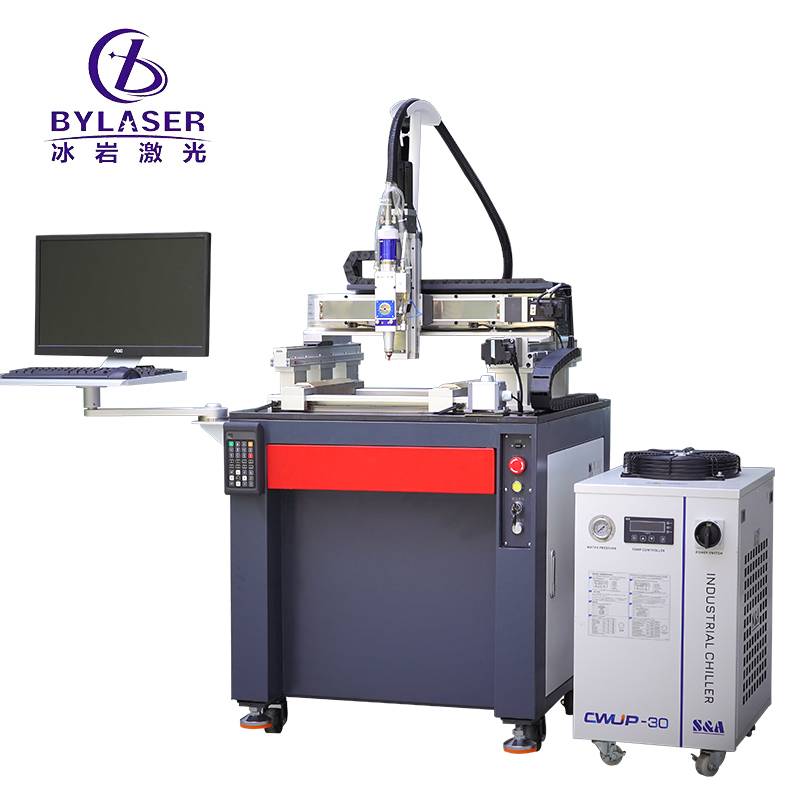
The laser source represents the most expensive single component within any metal laser cutting machine, typically accounting for thirty to forty percent of the total system cost. Whether your system utilizes fiber laser technology, CO2 laser generation, or solid-state laser mechanisms, the resonator or diode module requires specific environmental conditions and operational parameters to maintain optimal beam quality and power stability. Temperature fluctuations, contamination exposure, and electrical power inconsistencies can degrade laser performance gradually, often in ways that remain undetected until cutting quality deteriorates noticeably. Establishing baseline power measurements during commissioning and conducting regular power output verification tests enables early detection of degradation patterns that signal maintenance needs before catastrophic failure occurs.
Modern fiber laser sources in metal laser cutting machine systems offer significantly longer operational lifespans compared to older CO2 technologies, frequently exceeding one hundred thousand hours of cutting time when properly maintained. However, this longevity depends entirely on maintaining clean electrical connections, ensuring stable input voltage within manufacturer specifications, and preventing thermal stress through consistent cooling system operation. Many facilities implement automated monitoring systems that track laser output power continuously, generating alerts when measurements fall below established thresholds that indicate developing issues. This proactive approach allows maintenance interventions during planned downtime rather than during critical production runs, minimizing the business impact of necessary repairs while preventing secondary damage that occurs when operators continue running equipment with declining laser performance.
The beam delivery system that transports laser energy from the source to the cutting head contains multiple precision optical elements including mirrors, lenses, and protective windows that must maintain absolute cleanliness and proper alignment to preserve cutting capability. Even microscopic contamination on optical surfaces can create absorption points that generate localized heating, leading to thermal distortion, coating damage, or complete optical failure during high-power operation. Daily visual inspection of accessible optical elements should become standard practice, with cleaning performed using manufacturer-approved methods, materials, and solvents that remove contaminants without damaging delicate anti-reflective coatings or precision-polished surfaces that define optical quality in professional cutting systems.
The protective window at the cutting head experiences the harshest operating environment within the entire metal laser cutting machine optical path, subjected to spatter, fume exposure, and potential collision with workpieces or debris. This component requires more frequent inspection and replacement compared to upstream optical elements, with replacement intervals varying from weekly to monthly depending on material types being processed and cutting parameters employed. Establishing a structured replacement schedule based on actual operational hours and visual condition assessment prevents sudden failures that halt production unexpectedly. Additionally, maintaining proper assist gas pressure and flow characteristics helps minimize contamination exposure to optical surfaces by creating protective gas barriers that deflect debris and fumes away from precision components.
The mechanical systems that position the cutting head with sub-millimeter precision across the work envelope include linear guides, ball screws, rack-and-pinion drives, and servo motors that collectively determine positioning accuracy and repeatability. These components experience continuous mechanical stress during cutting operations, with wear accumulating gradually through friction, vibration, and repetitive motion cycles that can total millions of movements annually in high-utilization production environments. Regular lubrication according to manufacturer specifications prevents accelerated wear, reduces mechanical friction that causes energy waste and heat generation, and ensures smooth motion characteristics that directly affect cut edge quality and dimensional accuracy in finished parts.
Alignment verification of motion system components represents another critical maintenance activity for metal laser cutting machine longevity, as even minor deviations from geometric specifications can cause uneven wear patterns, increased vibration, and declining accuracy that compounds over time. Professional maintenance protocols include periodic measurement of perpendicularity between axes, straightness along travel paths, and backlash in drive systems using precision measurement equipment like laser interferometers or dial indicators. Detecting and correcting alignment issues during scheduled maintenance prevents the progressive accuracy degradation that eventually renders equipment unsuitable for precision work, necessitating expensive rebuilding or premature replacement that proper maintenance would have prevented.
Beginning each production shift with systematic equipment inspection establishes a foundation for reliable operation and early problem detection that prevents minor issues from escalating into major failures. Daily procedures for metal laser cutting machine maintenance should include visual examination of all accessible components, checking for unusual accumulations of dust or debris, verifying proper operation of cooling fans and extraction systems, and confirming that all safety interlocks and emergency stops function correctly. This initial assessment takes only ten to fifteen minutes but provides invaluable early warning of developing problems while reinforcing operator awareness of equipment condition and normal operational characteristics.
The cutting table and surrounding work area accumulate metal fragments, slag, and dust throughout production operations, creating both contamination risks for precision components and potential fire hazards from combustible residue accumulation. Daily removal of these materials using appropriate cleaning methods—typically involving vacuum systems rather than compressed air that disperses contaminants—maintains a clean operating environment that reduces component exposure to damaging particles. Special attention should focus on cleaning the cutting table slats or support structures, removing accumulated slag that can interfere with material support and cause focusing errors, while also inspecting these components for damage that might require replacement to maintain proper material support during cutting operations.
Weekly maintenance intervals provide opportunities for more thorough inspection and testing procedures that exceed the scope of daily routines while still maintaining manageable time investment relative to production schedules. These sessions should include detailed examination of consumable components like cutting nozzles, checking for wear, damage, or contamination that affects gas flow dynamics and cutting performance. Nozzle condition directly influences assist gas delivery characteristics, which in turn affect kerf quality, dross formation, and cutting speed capabilities, making this simple inspection a high-value maintenance activity that preserves cutting quality and prevents material waste from suboptimal cutting results.
Cooling system inspection represents another critical weekly activity for metal laser cutting machine maintenance, involving verification of coolant levels, visual assessment of coolant condition for contamination or degradation, and confirmation that temperature control systems maintain proper operating ranges. Many laser sources and optical components have narrow temperature tolerance ranges, with performance degrading or protection systems activating if temperatures drift outside specifications. Testing cooling system performance by monitoring temperature differentials and flow rates provides early indication of developing issues like pump degradation, heat exchanger fouling, or coolant degradation that require corrective action before equipment protection systems interrupt production or thermal stress causes component damage.
Monthly maintenance schedules provide the appropriate interval for more invasive inspection procedures and calibration verification activities that require extended equipment downtime. These sessions typically involve detailed optical system cleaning beyond daily surface maintenance, including careful cleaning of internal optical elements following manufacturer protocols that often require partial disassembly of beam delivery components. Professional cleaning of these precision elements demands proper training, appropriate cleaning materials, and controlled environmental conditions to prevent introducing new contamination during the cleaning process itself, highlighting why many facilities assign these tasks to specialized maintenance technicians rather than production operators.
The monthly interval also suits comprehensive examination of electrical systems within the metal laser cutting machine, including inspection of cable conditions, verification of connection tightness, and thermal imaging of electrical cabinets to detect developing hot spots that indicate loose connections, component degradation, or inadequate ventilation. Electrical problems often develop gradually, with increasing resistance at connection points generating heat that accelerates oxidation and further increases resistance in a self-reinforcing deterioration cycle. Early detection through systematic inspection prevents sudden failures while also reducing energy waste from poor electrical connections that consume power without performing useful work.
Quarterly maintenance intervals provide appropriate timing for comprehensive accuracy verification and calibration procedures that ensure your metal laser cutting machine maintains specification-level performance throughout its service life. These procedures typically include cutting test patterns designed to reveal positioning accuracy, perpendicularity between axes, focus position accuracy, and beam alignment relative to mechanical axes. Comparing measured results against equipment specifications and historical baseline data reveals gradual degradation trends that guide preventive maintenance decisions, allowing planned interventions before accuracy degradation reaches levels that affect production part quality or cause rejection during quality inspection processes.
The quarterly schedule also aligns well with major consumable component replacement including filters in extraction systems, cooling system filters, and cabinet ventilation filters that protect sensitive electronics from dust accumulation. While specific replacement intervals depend on operating environment cleanliness and utilization intensity, quarterly replacement represents a conservative approach that prevents filter saturation from compromising system protection. Additionally, this interval suits comprehensive lubrication of motion system components according to manufacturer specifications, ensuring adequate lubricant quantity and proper lubricant condition throughout the mechanical system that keeps your metal laser cutting machine moving smoothly and accurately.
The operating environment surrounding your metal laser cutting machine significantly influences component longevity and performance stability, with temperature and humidity representing the most critical environmental parameters requiring active management. Excessive ambient temperatures stress cooling systems, reduce electrical component reliability, and can affect dimensional stability of mechanical components through thermal expansion effects. Most manufacturers specify operating temperature ranges typically between fifteen and thirty-five degrees Celsius, with optimal performance occurring in the middle of this range where cooling systems operate efficiently without excessive duty cycles that accelerate component wear.
Humidity control prevents condensation formation on optical surfaces and electrical components while also reducing corrosion risks for metallic structures and motion system components. Excessively dry conditions can increase static electricity accumulation that poses risks to sensitive electronic components, while high humidity accelerates oxidation processes and creates contamination concerns for optical elements. Maintaining relative humidity between forty and sixty percent provides optimal conditions for metal laser cutting machine operation, balancing corrosion prevention against static electricity concerns. Facilities in challenging climates may require dedicated HVAC systems for equipment areas to maintain appropriate environmental conditions regardless of external weather variations.
The ambient air quality within your facility directly affects equipment cleanliness and maintenance requirements, with airborne particulates settling on surfaces throughout the metal laser cutting machine and potentially infiltrating sensitive areas despite protective enclosures. Implementing facility-level air quality improvements through proper ventilation, filtration, and housekeeping practices reduces contamination exposure for all equipment while creating healthier working conditions for personnel. The investment in facility air quality management delivers returns through reduced component cleaning frequency, extended consumable service life, and improved reliability across all manufacturing equipment, not just laser cutting systems.
The fume extraction system integrated with your metal laser cutting machine serves dual purposes of protecting operator health and preventing contamination of equipment components with cutting byproducts. Proper extraction system design and maintenance ensures adequate capture velocity at the cutting point, preventing fumes and particulates from circulating through the machine enclosure where they can deposit on optical elements, mechanical components, and electronic assemblies. Regular filter replacement and extraction system cleaning maintains proper airflow characteristics that preserve both protective capability and energy efficiency, as restricted airflow increases fan power consumption while reducing protective effectiveness in a doubly wasteful degradation pattern.
Effective predictive maintenance for metal laser cutting machine systems begins with comprehensive documentation of equipment performance characteristics during initial commissioning and early operational periods when components are new and systems are properly calibrated. Recording baseline measurements including laser power output, positioning accuracy, cutting speed capabilities at various material thicknesses, and assist gas consumption rates creates reference standards for future comparison that reveal developing degradation trends before they impact production quality. This historical data proves invaluable for distinguishing normal variation from meaningful performance changes that warrant investigation and potential maintenance intervention.
Modern metal laser cutting machine systems often include integrated monitoring capabilities that automatically record operational parameters, creating detailed performance logs without requiring manual data collection. Leveraging these built-in capabilities through regular data review and trend analysis transforms raw monitoring data into actionable maintenance intelligence. Parameters worthy of systematic tracking include beam power stability, positioning system following errors, actual versus commanded speeds during various cutting processes, and frequency of alarm conditions or process interruptions. Analyzing these metrics over time reveals patterns associated with component wear, calibration drift, or developing problems that might otherwise escape notice until manifesting as obvious performance deficiencies.
Transitioning from time-based maintenance schedules to condition-based approaches represents an advanced strategy that optimizes maintenance resource allocation while potentially extending component service life beyond conservative replacement intervals. This methodology relies on objective condition assessment through measurement, testing, and inspection to determine actual component status rather than assuming degradation based solely on operating hours or calendar time. For metal laser cutting machine applications, condition-based strategies might include optical power transmission testing to determine actual lens condition, vibration analysis of motion system components to detect bearing wear, or thermal imaging of electrical systems to identify developing connection problems.
The effectiveness of condition-based maintenance depends entirely on selecting appropriate monitoring parameters and establishing meaningful threshold values that reliably indicate when intervention is warranted. This requires combining manufacturer guidance, industry best practices, and facility-specific experience to develop monitoring protocols that detect problems early while avoiding excessive false alarms that waste maintenance resources and reduce operator confidence in the monitoring system. Successfully implemented condition-based maintenance for metal laser cutting machine systems typically reduces unexpected failures, extends consumable component service life, and concentrates maintenance resources on equipment actually requiring attention rather than distributing effort equally across assets regardless of actual condition.
Protective window replacement frequency varies significantly based on materials being cut, cutting parameters employed, and assist gas quality, but most production environments require replacement every one to four weeks. Materials that generate heavy spatter like stainless steel or brass cause faster contamination compared to cleaner-cutting materials like mild steel or aluminum. Visual inspection should guide replacement timing—replace windows when contamination, pitting, or discoloration becomes visible, as continuing operation with degraded windows risks sudden failure during cutting that can damage expensive focusing lenses positioned upstream. Maintaining several spare windows enables immediate replacement when inspection reveals deterioration, minimizing production interruption.
The most damaging maintenance mistakes include neglecting regular cleaning of optical components, allowing cooling system maintenance to lapse until temperature control becomes inadequate, operating equipment beyond recommended duty cycles without allowing proper cool-down periods, and ignoring early warning signs like minor accuracy degradation or unusual noises that indicate developing problems. Additionally, using incorrect consumables like improper nozzle specifications, wrong assist gas types or purities, or non-approved cleaning materials for optical elements can cause immediate damage or accelerate wear. Perhaps most critically, failing to follow manufacturer maintenance schedules and procedures—often in misguided attempts to reduce maintenance costs or extend production time—consistently results in expensive repairs and shortened equipment lifespan that far exceed any short-term savings achieved.
Maintenance responsibilities should be distributed based on task complexity and required expertise, with daily and simple weekly procedures typically handled by trained production operators, while monthly and quarterly activities often require specialized maintenance technicians with specific training on metal laser cutting machine systems. Operators can effectively perform visual inspections, basic cleaning of accessible areas, consumable component replacement like nozzles, and routine checks of cooling system levels and filter conditions. More complex tasks including internal optical cleaning, precision alignment verification, electrical system inspection, and calibration procedures require technical training and often specialized measurement equipment beyond what production operators typically possess. Establishing clear responsibility assignments with appropriate training for each role ensures comprehensive maintenance coverage while respecting the skill requirements of different maintenance activities.
Several indicators signal the need for professional service intervention including persistent cutting quality problems that routine maintenance and parameter adjustments cannot resolve, repeated alarms or protective system activations indicating underlying system problems, visible damage to major components like cracked optics or worn mechanical elements, and measured performance degradation in laser power output or positioning accuracy that exceeds acceptable ranges. Additionally, any unusual sounds, vibrations, or operational behaviors that differ from normal equipment characteristics warrant professional evaluation, as these often indicate developing mechanical problems that will worsen without proper diagnosis and repair. Establishing a relationship with qualified service providers before emergency situations arise ensures rapid response when professional intervention becomes necessary, minimizing production downtime and preventing secondary damage that occurs when equipment continues operating with significant malfunctions.