×
×
Laser cleaning technology has transformed industrial surface preparation and rust removal operations, offering unmatched precision and environmental benefits over traditional methods. However, even the most advanced laser machine for cleaning requires systematic maintenance to preserve optimal performance and extend operational lifespan. Without proper care, these sophisticated systems can experience reduced beam quality, inconsistent cleaning results, and premature component failure that compromises productivity and increases operational costs.
This comprehensive guide explains proven maintenance strategies that preserve efficiency in your laser machine for cleaning while minimizing downtime and repair expenses. From daily inspection routines to long-term component care, understanding these maintenance principles enables operators to maximize return on investment while maintaining consistent cleaning quality. Whether you manage a portable unit for field operations or a stationary system in a controlled manufacturing environment, implementing these maintenance practices ensures your equipment delivers reliable performance throughout its service life.
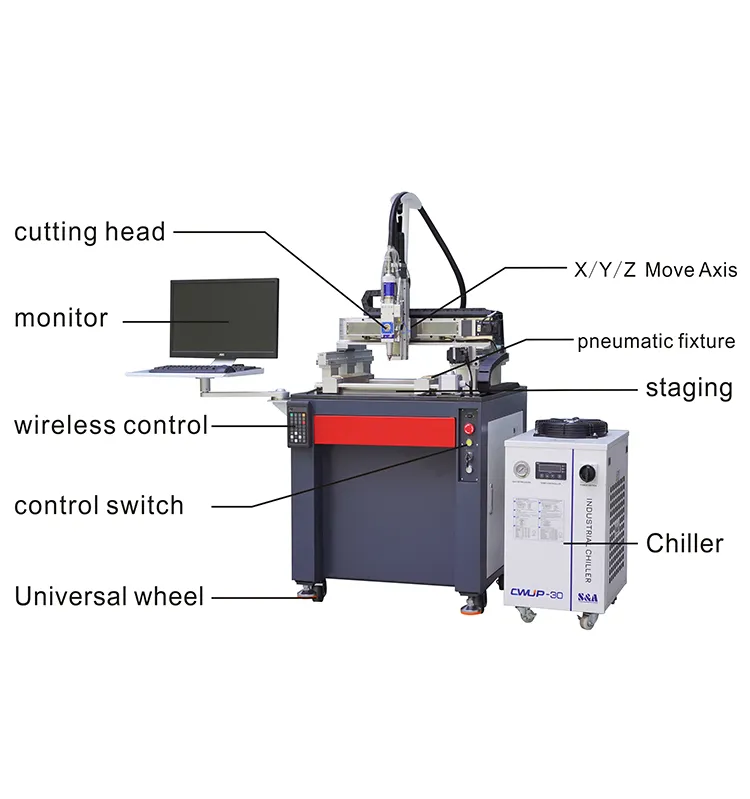
The laser source represents the heart of any laser machine for cleaning, converting electrical energy into focused light energy capable of ablating surface contaminants without damaging base materials. This component typically includes laser diodes, fiber amplifiers, or solid-state crystal assemblies depending on the system architecture. Maintaining optimal laser source performance requires monitoring output power consistency, beam quality parameters, and thermal management efficiency to prevent gradual degradation that reduces cleaning effectiveness.
Regular inspection of the optical path ensures that laser energy travels from the source to the working surface without significant losses or distortions. Protective windows, focusing lenses, and beam delivery systems accumulate dust particles and vaporized contaminant residue during normal operation. Even microscopic deposits on optical surfaces can scatter laser energy, reducing cleaning efficiency and potentially causing localized heating that damages expensive optical components. Establishing a cleaning schedule for these elements based on operational intensity prevents performance deterioration.
Temperature regulation systems supporting the laser source require consistent monitoring to prevent overheating conditions that accelerate component aging. Most industrial laser machine for cleaning systems incorporate water chillers or air cooling mechanisms that maintain stable operating temperatures. Coolant quality, flow rates, and heat exchanger cleanliness directly impact laser efficiency and longevity, making these auxiliary systems essential maintenance priorities rather than secondary considerations.
The beam delivery system channels laser energy from the source to the cleaning head through fiber optic cables or mirror assemblies, depending on system design. Fiber-coupled systems offer flexibility and portability but require careful handling to prevent fiber damage from excessive bending or mechanical stress. Regularly inspecting fiber connectors for contamination and verifying proper coupling alignment prevents energy losses that reduce cleaning power at the working surface.
Focusing optics concentrate laser energy into precisely controlled spot sizes that determine cleaning intensity and coverage area. The condition of focusing lenses directly affects the working distance, spot diameter, and energy density delivered to contaminated surfaces. Maintaining these optics involves both protective measures during operation and periodic cleaning procedures that remove accumulated debris without scratching delicate optical coatings designed to maximize laser transmission.
Scanning systems that move the laser beam across cleaning areas contain precision galvanometer mirrors or motorized stages requiring periodic calibration and lubrication. These mechanical components experience wear from continuous motion cycles, potentially causing positioning errors that create uneven cleaning patterns or missed areas. Implementing preventive maintenance schedules for scanning mechanisms preserves consistent coverage and prevents unexpected failures during critical production operations.
Modern laser machine for cleaning systems incorporate sophisticated control electronics that regulate pulse frequency, power levels, scanning patterns, and safety interlocks. These digital systems require periodic software updates that address operational bugs, enhance functionality, and improve user interface responsiveness. Maintaining current firmware versions ensures compatibility with newer accessories and preserves optimal communication between system components.
Parameter documentation helps operators track optimal settings for different cleaning applications and material types. Creating reference profiles for common tasks reduces setup time and minimizes the risk of using inappropriate power levels that either fail to remove contaminants effectively or damage substrate surfaces. Regularly reviewing and updating these operational parameters based on cleaning results maintains process consistency across different operators and production shifts.
Beginning each operating session with a systematic visual inspection identifies potential issues before they compromise cleaning quality or cause equipment damage. Examining the laser machine for cleaning exterior surfaces reveals accumulated dust, debris, or signs of coolant leakage that might indicate developing problems. Checking cable connections, emergency stop functionality, and protective enclosure integrity ensures safe operation while preventing minor issues from escalating into costly repairs.
Verifying optical cleanliness before starting production runs prevents contaminated lenses from reducing cleaning efficiency or causing thermal damage to expensive components. Using appropriate inspection tools such as clean compressed air, lint-free wipes, and specialized optical cleaning solutions allows operators to assess and address optical surface conditions without introducing new contaminants. This simple daily practice significantly extends the service life of optical components while maintaining consistent cleaning performance.
Testing laser output power with calibrated measurement tools confirms that the system maintains specification levels rather than gradually declining in capability. Many laser machine for cleaning systems include built-in power monitoring features that display real-time output measurements during operation. Comparing these readings against baseline values established during equipment commissioning reveals performance trends that indicate the need for maintenance interventions before cleaning quality becomes noticeably affected.
Concluding each work session with proper equipment cleaning prevents contaminant accumulation that degrades performance over time. Removing debris from the cleaning head, protective windows, and surrounding work area using approved cleaning methods maintains optical clarity and prevents particulate matter from entering sensitive mechanical assemblies. This practice proves especially critical when transitioning between different material types or contaminant categories that might cross-contaminate subsequent cleaning operations.
Proper shutdown sequences for laser machine for cleaning systems protect sensitive electronics and preserve coolant system integrity. Following manufacturer-recommended power-down procedures ensures that laser sources cool gradually rather than experiencing thermal shock, while circulation systems purge residual heat before complete shutdown. These protocols extend component lifespan and prevent condensation formation that could damage electronic assemblies during idle periods.
Documenting operational parameters and any unusual observations in maintenance logs creates valuable historical records for troubleshooting and trend analysis. Recording cleaning times, material types processed, power settings used, and any performance anomalies helps identify patterns that predict maintenance needs. This documentation supports data-driven maintenance scheduling rather than relying solely on fixed time intervals that may not align with actual equipment usage intensity.
Conducting thorough weekly inspections addresses maintenance requirements that extend beyond daily operational checks. Examining cooling system components including radiator fins, coolant levels, and circulation pump performance ensures adequate thermal management capacity. Cleaning heat exchanger surfaces and verifying proper coolant concentration prevents efficiency losses that force the laser machine for cleaning to operate at elevated temperatures that accelerate component aging.
Assessing mechanical components such as adjustment mechanisms, mounting hardware, and protective enclosure fasteners identifies loose connections or developing wear before failures occur. Tightening hardware to proper torque specifications and lubricating moving parts according to manufacturer guidelines maintains mechanical precision essential for consistent cleaning results. These preventive measures prove far less expensive and disruptive than emergency repairs necessitated by component failures during production operations.
Monthly maintenance intervals provide opportunities for more extensive cleaning procedures that cannot be performed during brief daily or weekly checks. Disassembling accessible optical assemblies for thorough cleaning with appropriate solvents removes accumulated contamination that resists routine surface wiping. This deeper maintenance for your laser machine for cleaning restores optical transmission efficiency and prevents gradual performance degradation that operators might not notice during incremental decline.
Calibrating beam alignment and focus positioning ensures that laser energy concentrates precisely at the intended working distance. Over time, thermal cycling and mechanical vibrations can cause subtle misalignments that reduce cleaning efficiency or create uneven power distribution across the beam profile. Using specialized alignment tools and following manufacturer protocols restores optimal beam geometry and maintains consistent cleaning quality across the entire working area.
Inspecting electrical connections and control system functionality identifies potential reliability issues before they cause operational disruptions. Checking for signs of corrosion on terminals, verifying proper grounding continuity, and testing safety interlock systems ensures both operational reliability and personnel safety. These comprehensive checks complement daily operational inspections by addressing components and systems that do not require frequent attention but remain critical for long-term performance.
Establishing quarterly maintenance windows for consumable component replacement prevents unexpected failures that interrupt production schedules. Items such as protective windows, air filters, and cooling system components have predictable service lives based on operational intensity. Replacing these elements before they reach failure thresholds maintains consistent laser machine for cleaning performance and prevents cascade failures where one degraded component damages others through excessive heat or contamination.
Comprehensive performance testing during quarterly maintenance periods establishes baseline metrics for trending analysis. Measuring parameters including beam quality factor, pulse energy stability, scanning accuracy, and coolant system efficiency creates quantifiable performance records. Comparing these measurements across maintenance cycles reveals gradual changes that indicate the need for adjustments or component replacements before cleaning quality becomes visibly affected.
Updating operational documentation and operator training materials ensures that all personnel understand current best practices and system capabilities. As operators gain experience and discover optimization techniques, incorporating these insights into standard procedures improves overall efficiency. Regular training refreshers reinforce proper maintenance practices and ensure consistent care across different shifts and operators working with the laser machine for cleaning equipment.
Scheduling annual comprehensive inspections by qualified service technicians provides expert assessment of system condition and remaining component life. Professional technicians possess specialized diagnostic equipment and manufacturer training that enables detection of developing issues that routine operator maintenance might miss. This professional service typically includes detailed optical system analysis, laser source performance verification, and precision alignment procedures that restore factory-specification performance.
Annual maintenance cycles provide optimal timing for major component replacements and system upgrades that extend equipment capabilities. Evaluating whether laser source modules, cooling systems, or control electronics approach end-of-life thresholds allows planned replacements during scheduled downtime rather than emergency repairs during critical production periods. Proactive component management for your laser machine for cleaning maximizes uptime and prevents costly expedited parts procurement.
Documenting annual inspection results and updating maintenance records creates valuable equipment history that supports accurate lifecycle cost analysis and replacement planning. Understanding actual maintenance requirements and component longevity specific to your operational patterns enables more accurate budgeting and helps justify capital expenditures for equipment upgrades or additions. This data-driven approach to equipment management optimizes resource allocation and supports strategic operational planning.
When operators notice that their laser machine for cleaning requires multiple passes to remove contaminants that previously cleaned in single passes, systematic troubleshooting identifies the root cause. Reduced efficiency most commonly results from optical contamination, laser source degradation, or incorrect parameter settings. Beginning with the simplest potential causes, checking and cleaning protective windows and focusing lenses often restores normal performance without requiring more extensive interventions.
Measuring actual laser output power compared to control panel settings reveals whether power delivery matches operator expectations. Significant discrepancies indicate potential issues with the laser source, power supply components, or optical path losses. Identifying where power loss occurs through systematic measurement at different points along the beam path localizes the problem and directs maintenance efforts toward specific components requiring attention or replacement.
Evaluating coolant system performance when experiencing efficiency reductions ensures that thermal management maintains laser source within optimal operating temperature ranges. Elevated operating temperatures reduce laser efficiency and can cause permanent damage to sensitive components. Verifying coolant flow rates, checking for air bubbles in circulation lines, and confirming proper chiller operation addresses thermal issues that manifest as reduced cleaning performance.
Uneven cleaning results across the work area typically indicate scanning system problems, beam profile irregularities, or focus positioning errors. Inspecting scanning mirror mechanisms for contamination or mechanical binding ensures consistent beam positioning throughout the cleaning pattern. Cleaning mirror surfaces and verifying proper lubrication of mechanical assemblies often eliminates pattern inconsistencies without requiring extensive repairs or adjustments to the laser machine for cleaning system.
Checking focus distance accuracy ensures that laser energy concentrates optimally at the working surface rather than focusing above or below the target plane. Incorrect focus positioning creates energy density variations that clean some areas effectively while leaving others inadequately treated. Using calibrated measurement tools to verify working distance and adjusting focusing mechanisms to specification restores uniform cleaning intensity across the entire pattern area.
Examining beam quality parameters identifies optical aberrations that create irregular power distribution within the laser spot. Contaminated or damaged optical components can introduce distortions that concentrate energy in certain regions while starving others. Systematic inspection and cleaning or replacement of optical elements along the beam path eliminates these quality issues and restores consistent cleaning performance.
Operating environments significantly influence maintenance requirements for laser machine for cleaning systems, particularly in demanding industrial settings with high dust levels, temperature extremes, or humidity variations. Implementing environmental controls such as air filtration, climate management, and protective enclosures reduces contamination exposure and creates more stable operating conditions. These protective measures decrease maintenance frequency while extending component service life and improving operational reliability.
Adapting maintenance schedules to environmental conditions optimizes resource allocation without compromising equipment performance. Systems operating in harsh environments require more frequent cleaning and inspection compared to units in controlled manufacturing facilities. Recognizing these differences and customizing maintenance intervals based on actual contamination rates and environmental stresses ensures adequate care without excessive maintenance overhead that reduces productivity.
Modern laser machine for cleaning systems increasingly incorporate sensor technologies that monitor critical parameters and predict maintenance needs before performance degradation becomes apparent. Power monitoring systems, thermal sensors, and vibration detectors provide continuous data streams that reveal developing trends indicating component wear or degradation. Analyzing this information enables condition-based maintenance that addresses actual equipment needs rather than relying on fixed time intervals that may not align with usage patterns.
Establishing baseline performance metrics during initial commissioning creates reference standards for ongoing condition monitoring. Tracking parameters such as laser output stability, cooling efficiency, and beam quality over time reveals gradual changes that indicate the need for maintenance interventions. This data-driven approach optimizes maintenance timing, performing service when conditions warrant rather than prematurely replacing components with remaining useful life or delaying until failures occur.
Integrating maintenance management software with equipment monitoring systems automates record-keeping and generates maintenance alerts based on operational thresholds rather than calendar schedules. These digital tools track component life cycles, schedule preventive maintenance tasks, and document service history that supports warranty claims and equipment valuation. Leveraging technology for maintenance management reduces administrative burden while improving compliance with recommended service intervals.
Investing in comprehensive operator training delivers substantial returns through improved maintenance quality and reduced equipment damage from improper procedures. Well-trained personnel understand the importance of specific maintenance tasks, recognize early warning signs of developing problems, and execute procedures correctly without inadvertently causing damage. Ongoing training programs that refresh fundamental skills and introduce new techniques maintain high competency levels across the entire operator team working with the laser machine for cleaning equipment.
Creating detailed maintenance documentation with clear procedures, safety warnings, and quality standards ensures consistency across different personnel and shifts. Documented procedures reduce reliance on individual knowledge and prevent important steps from being overlooked or performed incorrectly. Visual aids including photographs and diagrams enhance comprehension and serve as quick references during maintenance execution, particularly for tasks performed infrequently.
Establishing accountability systems that assign specific maintenance responsibilities to qualified individuals ensures that critical tasks receive appropriate attention. Regular audits of maintenance completion and quality verify that procedures are followed consistently and identify opportunities for improvement. This systematic approach to maintenance management creates a culture of equipment care that extends beyond minimum requirements and fosters operational excellence.
Using manufacturer-approved replacement parts ensures compatibility, performance, and reliability when servicing laser machine for cleaning systems. Aftermarket components may offer cost savings but frequently compromise performance through inferior materials, inadequate quality control, or dimensional variations that affect precise optical alignment. The initial savings from cheaper alternatives often disappear through reduced component life, additional maintenance requirements, or damage to other system elements.
Maintaining adequate spare parts inventory for critical components minimizes downtime when maintenance or repairs become necessary. Identifying components with long lead times or limited availability and stocking appropriate quantities prevents extended production interruptions waiting for parts delivery. Balancing inventory investment against downtime risk requires understanding component failure rates and business impact of equipment unavailability.
Developing relationships with reliable suppliers who understand laser cleaning technology provides access to technical support and expedited service when urgent needs arise. Knowledgeable suppliers can recommend appropriate products, provide application guidance, and troubleshoot problems remotely before dispatching technicians or shipping parts. These partnerships deliver value beyond simple parts transactions and support more effective overall equipment management.
Optical component cleaning frequency depends on operational intensity and environmental conditions, but most industrial applications benefit from daily inspection and cleaning of protective windows, with focusing lenses requiring attention weekly or when power output declines noticeably. Systems operating in particularly dusty environments or processing materials that generate significant vapor may need more frequent optical maintenance to prevent contamination buildup that reduces efficiency or damages components through localized heating. Establishing a baseline inspection routine and adjusting frequency based on observed contamination rates optimizes cleaning schedules for specific operational conditions.
Progressive power output decline despite clean optics and proper cooling indicates laser source degradation requiring professional evaluation. Additional warning signs include increased operating temperature, unstable pulse energy, visible changes in beam quality, or error messages from control systems monitoring laser performance. Most industrial laser sources provide thousands of operating hours before requiring service, but actual lifespan varies based on power levels used, duty cycle, thermal management effectiveness, and environmental conditions. Documenting power measurements over time creates baseline data that reveals gradual performance trends and helps predict when service becomes necessary before complete failure occurs.
Most manufacturer warranties require following specified maintenance procedures and using approved parts to maintain coverage, with documentation requirements varying by manufacturer and warranty terms. Using unauthorized components, performing maintenance incorrectly, or neglecting required service intervals typically voids warranty protection and may result in denied claims for subsequent failures. Carefully reviewing warranty terms and maintaining detailed service records including dates, procedures performed, parts used, and personnel involved protects warranty coverage and supports claims if equipment failures occur during the warranty period. When uncertain about specific maintenance procedures, consulting manufacturer documentation or contacting technical support prevents inadvertent warranty violations.
Monitoring coolant temperature, flow rate, and system pressure provides reliable indicators of cooling system health for your laser machine for cleaning equipment. Most systems display coolant temperature on control panels, with readings consistently within manufacturer specifications indicating proper operation. Warning signs of cooling problems include gradually increasing operating temperatures, reduced laser output power, frequent thermal shutdown events, visible coolant leaks, unusual pump noises, or error messages related to thermal management. Regular inspection of coolant level, concentration, and clarity helps identify developing issues before they compromise equipment performance or cause expensive damage to temperature-sensitive components.