×
×
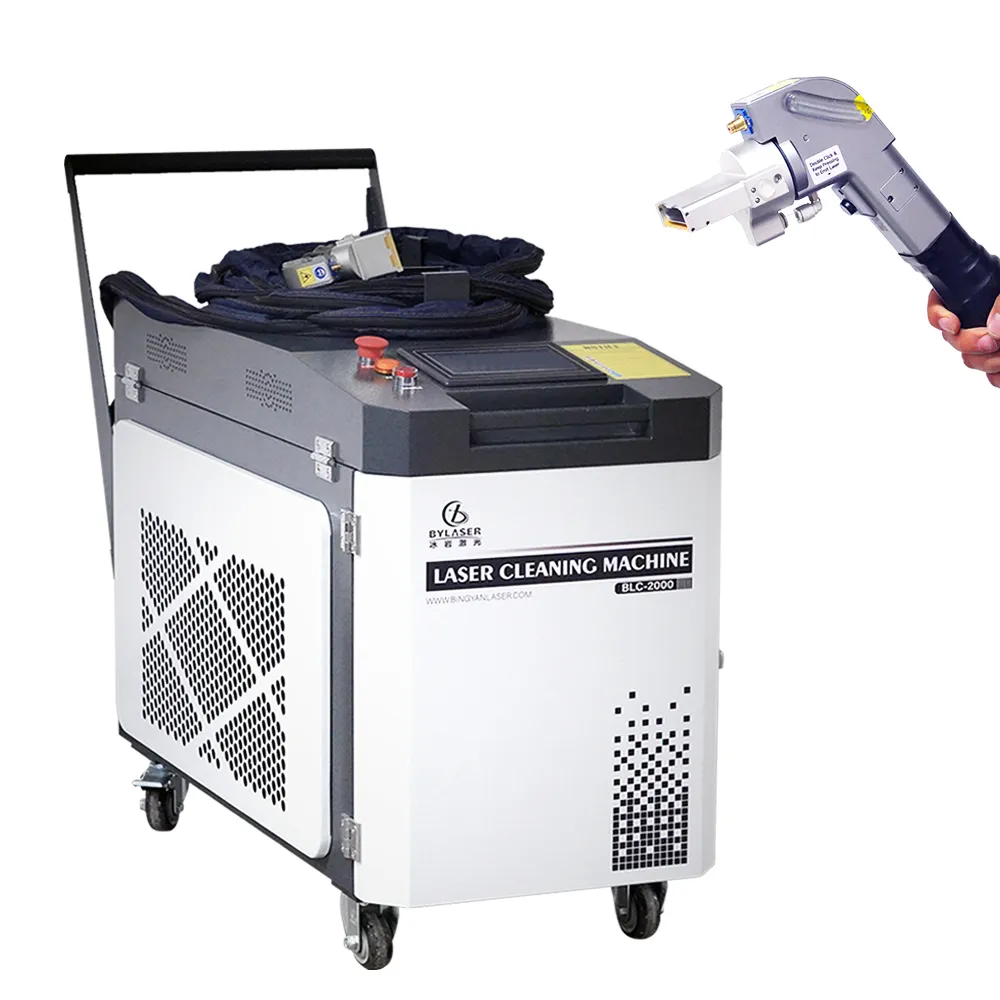
Industries around the world are increasingly turning to advanced surface preparation technologies to meet stringent quality standards, reduce environmental impact, and enhance operational efficiency. Among these emerging solutions, the laser machine for cleaning has emerged as a transformative tool that addresses the limitations of traditional abrasive methods while delivering precision, speed, and sustainability. This shift is not uniform across all sectors; certain industries have demonstrated a stronger preference for laser-based cleaning due to their specific operational requirements, regulatory pressures, and material handling challenges.
Understanding which industries prefer using a laser machine for cleaning processes requires examining the unique challenges each sector faces, from heritage preservation to heavy manufacturing, and from aerospace precision to maritime corrosion control. The selection criteria for adopting laser cleaning technology vary significantly based on substrate sensitivity, contamination types, production volume, environmental compliance mandates, and the economic justification for capital investment. This article explores the industrial sectors that have embraced laser cleaning most enthusiastically and examines the operational and business factors driving their adoption decisions.

The automotive industry has become one of the most prominent adopters of laser machine for cleaning technology, driven by the need for precise surface preparation before welding, coating, and bonding operations. Modern vehicle assembly requires contaminant-free surfaces to ensure proper adhesion of structural adhesives, paint systems, and protective coatings. Traditional cleaning methods such as sandblasting or chemical treatments often leave residual media, generate hazardous waste, or damage sensitive substrates, making them increasingly incompatible with lean manufacturing principles and environmental regulations.
Laser cleaning systems have proven particularly valuable in removing anti-corrosion wax, oils, and oxides from stamped body panels and welding zones without affecting the base metal. The non-contact nature of the process eliminates the risk of warping thin gauge steel or aluminum components, while the absence of consumable media reduces operational costs over time. Many automotive manufacturers have integrated portable and robotic laser machine for cleaning units directly into production lines, enabling real-time surface preparation that maintains high throughput without creating bottlenecks.
Component remanufacturing represents another significant application area within the automotive sector. Engine blocks, transmission housings, and suspension components often require thorough cleaning to remove carbon deposits, gasket residues, and paint layers before inspection and reconditioning. The selective ablation capability of laser cleaning allows technicians to remove coatings and contaminants while preserving critical dimensional tolerances and surface finishes, extending component service life and supporting circular economy initiatives.
Steel mills and metal fabrication facilities have adopted laser machine for cleaning technology primarily for descaling operations and pre-weld surface preparation. Hot-rolled steel develops oxide scale layers during production that must be removed before subsequent processing such as cold rolling, galvanizing, or coating application. Traditional descaling methods involve acid pickling or mechanical abrasion, both of which generate significant waste streams and require extensive safety controls and environmental permits.
Laser-based descaling offers a cleaner alternative that eliminates chemical handling risks and reduces waste disposal costs. The technology is particularly effective for removing mill scale from structural steel sections, plate edges, and complex geometries where mechanical methods struggle to achieve complete coverage. Some steel service centers have deployed automated laser machine for cleaning systems that process incoming material before further fabrication, adding value by delivering ready-to-weld or ready-to-coat products to downstream customers.
In heavy fabrication environments, laser cleaning has found applications in removing weld spatter, heat tint, and oxidation from stainless steel assemblies used in chemical processing equipment, food production machinery, and architectural metalwork. The ability to clean complex weldments without disassembly or masking adjacent areas significantly reduces labor time while improving final product appearance and corrosion resistance. This efficiency gain becomes especially important for job shop fabricators competing on both quality and delivery speed.
The aerospace industry represents one of the most demanding applications for laser machine for cleaning technology, where material preservation, precision, and documentation requirements exceed those of most other sectors. Commercial and military aircraft undergo regular maintenance cycles that include paint stripping, corrosion removal, and surface preparation for inspection and repair. Traditional methods such as chemical stripping or abrasive blasting present significant challenges including hazardous waste generation, substrate damage risks, and lengthy processing times that extend aircraft downtime.
Laser cleaning systems have been validated for selective paint removal from aluminum aircraft skins, allowing maintenance technicians to expose underlying surfaces for non-destructive testing without removing material or altering surface properties. The process generates minimal heat-affected zones and produces no secondary waste requiring disposal, addressing both technical and environmental concerns. Major maintenance, repair, and overhaul facilities have invested in both handheld and robotic laser machine for cleaning platforms capable of processing entire fuselage sections with consistent quality and full traceability.
Engine component refurbishment represents another critical aerospace application where laser cleaning delivers unique advantages. Turbine blades, combustion chambers, and other hot-section components develop carbon deposits, oxidation, and coating degradation during service that must be removed before inspection and recoating. The gentle, controlled nature of laser ablation enables cleaning of these precision-engineered components without introducing stress concentrations, dimensional changes, or surface roughness alterations that could compromise performance or fatigue life.
As carbon fiber reinforced polymers and other advanced composites become increasingly prevalent in aerospace structures, specialized cleaning requirements have emerged that favor laser technology over conventional methods. Composite surfaces require meticulous preparation before bonding or repair operations to ensure proper adhesion and structural integrity. Mechanical abrasion risks fiber damage, while chemical treatments may alter resin properties or leave residues that interfere with bonding.
Laser machine for cleaning systems equipped with appropriate wavelength and power settings can selectively remove release agents, contaminants, and degraded resin layers from composite surfaces while preserving fiber architecture and mechanical properties. This capability has proven essential for repair operations on aircraft components where maintaining original structural performance is mandatory. The non-contact process also eliminates the foreign object debris concerns associated with abrasive methods in sensitive aerospace manufacturing environments.
The maritime industry faces ongoing challenges with biofouling, corrosion, and coating degradation that require periodic hull cleaning and repainting to maintain vessel performance and longevity. Traditional hull preparation methods including grit blasting generate enormous quantities of contaminated waste containing heavy metals, old paint, and abrasive media that require costly disposal and pose environmental risks, particularly in enclosed dry dock facilities and near waterways.
Shipyards and vessel operators have begun adopting laser machine for cleaning technology for selective coating removal, corrosion treatment, and surface preparation before recoating. The technology offers particular advantages for treating localized corrosion spots, preparing complex geometries such as rudders and propellers, and working in confined spaces where traditional blasting equipment cannot effectively operate. Some systems can process underwater surfaces during routine maintenance, eliminating the need for full dry-docking and reducing operational downtime.
The environmental benefits of laser cleaning align particularly well with increasingly stringent maritime regulations regarding waste generation and water pollution. Laser ablation produces dry, easily collected debris that simplifies waste handling and reduces disposal costs compared to contaminated slurry from water blasting or chemical stripping. As port authorities and environmental agencies tighten restrictions on traditional maintenance practices, the adoption rate of laser machine for cleaning systems in the maritime sector continues to accelerate.
Offshore oil and gas facilities operate in highly corrosive marine environments that necessitate continuous maintenance of structural steel, piping systems, and equipment surfaces. Maintaining protective coating systems and addressing corrosion before it compromises structural integrity represents a constant operational priority. The remote locations, confined spaces, and hazardous area classifications typical of offshore platforms create significant constraints for traditional cleaning methods that require extensive setup, generate airborne contaminants, or introduce ignition sources.
Portable laser machine for cleaning units designed for hazardous area operation provide offshore maintenance teams with a versatile tool for spot repairs, pre-weld cleaning, and coating removal without the logistical burden of abrasive blasting equipment. The technology eliminates the need to transport large quantities of blast media to remote platforms and removes the safety concerns associated with high-pressure water jetting in confined spaces. Battery-powered and fiber-delivered systems enable technicians to access difficult locations including internal piping sections and the underside of platform decks.
The cultural heritage sector has emerged as an enthusiastic early adopter of laser machine for cleaning technology, driven by the need to remove pollution crusts, biological growth, and degraded coatings from irreplaceable historic surfaces without causing damage. Conservation professionals require cleaning methods that can be precisely controlled, fully documented, and completely reversible—criteria that traditional mechanical or chemical approaches rarely satisfy.
Laser cleaning systems allow conservators to selectively remove black gypsum crusts from marble and limestone monuments, corrosion products from bronze sculptures, and overpaint from historic murals with unprecedented control and safety. The technology enables layer-by-layer removal that can be stopped at any point, preserving original patinas and surface textures that contribute to the historical and aesthetic value of cultural objects. Major restoration projects on cathedrals, monuments, and archaeological sites worldwide have demonstrated the effectiveness of laser machine for cleaning technology for revealing original surfaces while minimizing intervention.
The documentation capabilities inherent to laser systems—including precise energy delivery parameters, treatment area mapping, and before-after imaging—satisfy the rigorous recording requirements of professional conservation practice. This traceability ensures that future conservators can understand exactly what interventions occurred and make informed decisions about subsequent treatments. As awareness of the technology spreads through the conservation community, adoption continues to expand from large institutional projects to smaller regional heritage sites and private conservation studios.
Museums housing collections of metal artifacts, painted objects, and decorative arts have incorporated laser machine for cleaning technology into their conservation laboratories to address specific cleaning challenges that resist traditional methods. Archaeological metals often exhibit complex corrosion products and burial encrustations that obscure details and threaten long-term stability. Removing these deposits mechanically risks damaging fragile surfaces, while chemical treatments may not be fully reversible or may cause unintended reactions.
Laser systems provide conservators with a tool for controlled removal of unstable corrosion layers while preserving stable patinas and original surface details that provide evidence of manufacturing techniques, use patterns, and historical context. The non-contact nature of the process eliminates vibration and mechanical stress that could propagate cracks in fragile materials. Treatment can be performed under magnification with real-time observation, allowing conservators to respond immediately to any unexpected material responses.
Nuclear, coal, and gas-fired power plants require regular maintenance of critical components including turbines, heat exchangers, and reactor vessel internals to maintain efficiency and ensure safe operation. Cleaning these components traditionally involves chemical treatments, abrasive methods, or extensive manual labor, each presenting challenges related to waste generation, worker exposure, or processing time that impacts plant availability.
The power generation sector has adopted laser machine for cleaning technology particularly for removing oxide scale, fouling deposits, and contamination from turbine blades and heat exchanger tubes. The ability to process components in situ without disassembly reduces maintenance duration and associated generation losses. In nuclear facilities, laser cleaning offers the additional advantage of minimizing secondary waste generation, reducing the volume of radioactively contaminated materials requiring special handling and disposal.
Utility companies have also deployed laser systems for maintaining electrical infrastructure including insulator strings, transformer housings, and substation equipment. Removing pollution deposits and oxidation from these components improves electrical performance and extends service intervals. The non-conductive nature of fiber-delivered laser energy provides an inherent safety advantage when working near energized equipment compared to water-based or abrasive cleaning methods that could create inadvertent ground paths.
Oil, gas, and water pipeline operators face ongoing challenges maintaining protective coating systems and addressing corrosion on both exposed and buried infrastructure. Pipeline repair and rehabilitation projects require thorough surface preparation before applying protective coatings or composite repair systems. Traditional methods generate significant waste and may be impractical in environmentally sensitive areas or locations with limited access.
Mobile laser machine for cleaning systems designed for field deployment enable pipeline maintenance crews to prepare surfaces for repair without transporting blasting equipment, containment structures, and disposal containers to remote locations. The technology proves particularly valuable for treating pipeline sections in areas where environmental regulations prohibit abrasive blasting or chemical treatments, such as near waterways, residential areas, or protected habitats. Some utility companies have developed specialized vehicles equipped with laser cleaning systems for routine inspection and maintenance programs along extensive pipeline networks.
Industries prefer laser cleaning technology when their operations involve sensitive substrates that cannot tolerate abrasive damage, when they face stringent environmental regulations regarding waste generation and chemical use, when precision and selective material removal are critical, or when they require documented and repeatable processes for quality assurance. Sectors dealing with high-value components, irreplaceable materials, or hazardous operating environments find the non-contact, waste-minimizing characteristics of laser systems particularly advantageous. The total cost of ownership calculation also favors laser technology in applications where consumable costs, waste disposal fees, and labor time for traditional methods accumulate significantly over the equipment lifecycle.
Several industries including general construction, small-scale manufacturing, and routine commercial maintenance have been slower to adopt laser cleaning technology primarily due to capital cost considerations and the availability of low-cost traditional alternatives that remain adequate for their less demanding applications. Industries with very high throughput requirements and lower quality standards may find that the processing speed of current laser systems does not justify the investment compared to established high-volume methods. Additionally, sectors lacking technical personnel familiar with laser safety protocols and maintenance requirements may perceive implementation barriers that delay adoption until turnkey solutions and service support networks become more widely available.
Industries typically evaluate laser cleaning technology through a multi-stage process beginning with identifying specific cleaning challenges that traditional methods address inadequately or inefficiently. This includes analyzing substrate materials, contamination types, required removal selectivity, and acceptable processing times. Organizations then conduct trial demonstrations on actual production samples to verify cleaning effectiveness, surface quality outcomes, and integration compatibility with existing workflows. The evaluation extends to total cost analysis comparing equipment investment, operating costs, labor requirements, waste disposal expenses, and downtime impacts against current methods. Regulatory compliance benefits, quality improvement potential, and competitive positioning advantages also factor into adoption decisions, particularly for industries facing tightening environmental standards or increasing customer quality expectations.
Smaller operations can justify laser cleaning investment when they serve niche markets with premium pricing that rewards superior quality, when they face regulatory pressures that make traditional methods increasingly expensive or restricted, or when they identify specific high-value applications where laser technology delivers unique capabilities their competitors cannot match. The growing availability of more affordable entry-level systems, equipment leasing options, and contract cleaning services using laser technology has lowered barriers for smaller organizations. Some smaller firms have successfully positioned laser cleaning capabilities as a competitive differentiator that allows them to win projects requiring advanced surface preparation or to serve clients in regulated industries who audit supplier processes. Regional equipment sharing arrangements and industry cooperative purchasing have also emerged as models enabling smaller operations to access laser technology without bearing full capital costs individually.