


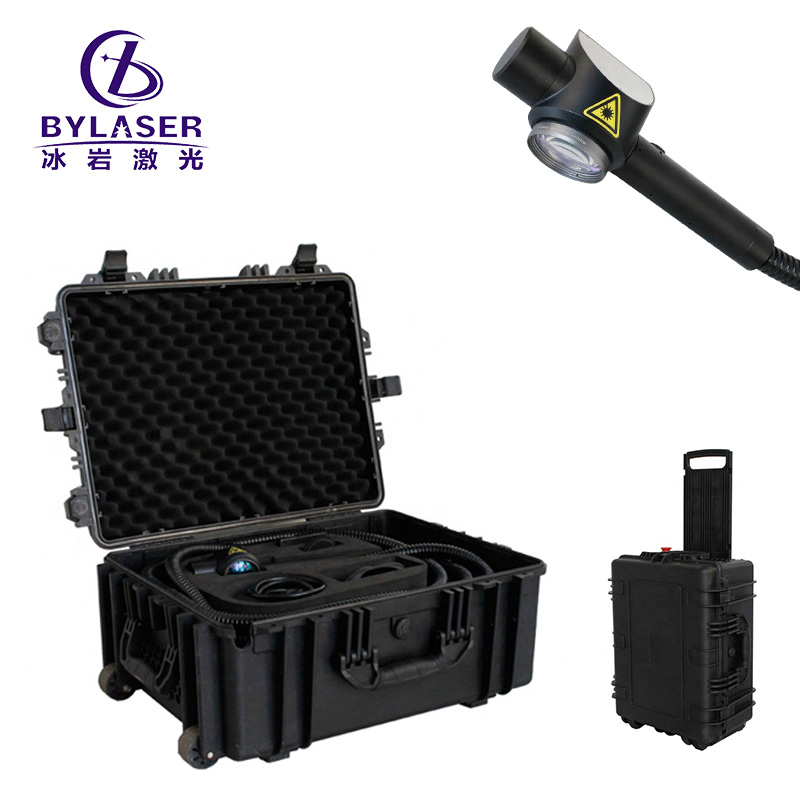
Precision is the cornerstone of modern manufacturing, and nowhere is this more evident than in the role of a laser marker within industrial production. A laser marker delivers micro-level accuracy that traditional marking methods simply cannot match, enabling manufacturers to create permanent, detailed marks on virtually any material with minimal waste and maximum consistency. Understanding why laser marker precision matters fundamentally changes how businesses approach quality control, product identification, and regulatory compliance across diverse industries.
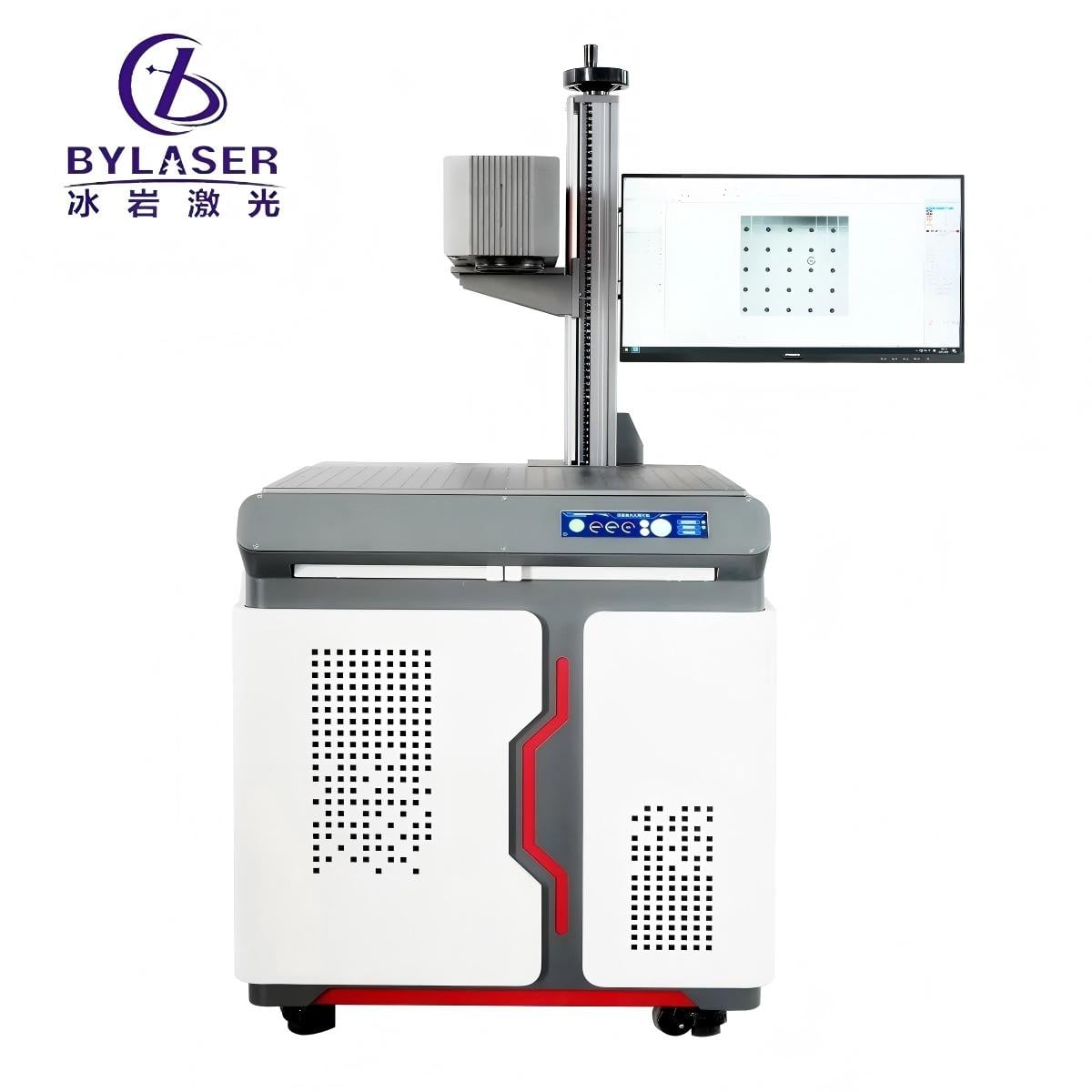
The precision of a laser marking machine distinguishes it from outdated mechanical or chemical marking techniques. By focusing concentrated laser energy onto a material surface, a fiber laser engraving system removes or alters material at scales down to 0.01 millimeters, creating marks that are both visually sharp and mechanically permanent. This capability directly impacts product longevity, traceability, and customer confidence in ways that extend far beyond simple aesthetics.
How Laser Marker Precision Ensures Quality and Compliance
Meeting Strict Industry Standards
Industries such as aerospace, medical device manufacturing, and electronics demand marking accuracy that leaves no room for error. A laser marking machine must deliver consistent, repeatable precision across thousands of components without degradation or drift. This consistency ensures that serial numbers, part identifiers, and safety warnings remain legible throughout the product lifecycle, directly supporting regulatory compliance and traceability requirements. When regulatory agencies inspect a finished component, the clarity and permanence of the mark—delivered by a laser marker—often determines whether certification is approved or rejected.
Reducing Scrap and Rework Costs
Imprecise marking techniques often require rework or material replacement when marks fall outside specification limits. An industrial laser system eliminates this costly cycle by achieving first-pass accuracy on virtually every component. The precision inherent to fiber laser engraving technology means manufacturers avoid the hidden costs of quality failures, rejected batches, and customer returns. Each correctly marked part represents both compliance assurance and direct savings to the bottom line.
Competitive Advantage Through Precision and Differentiation
Enhanced Product Identification and Branding
A laser marking machine enables manufacturers to create intricate, high-resolution marks that reinforce brand identity and product authenticity. Luxury goods, electronics, and industrial equipment all benefit from the capability of a laser marker to engrave logos, barcodes, and QR codes with exceptional clarity. This precision builds customer trust and supports anti-counterfeiting efforts, as the mark quality itself becomes a signal of product legitimacy. Competitors using lower-precision methods cannot match the visual sophistication and permanence that fiber laser engraving delivers.
Enabling Rapid Production Without Quality Loss
Industrial laser systems operate at speeds that mechanical marking methods cannot achieve, yet maintain unwavering precision. This combination means manufacturers can scale production volumes upward without the traditional tradeoff between speed and quality. A laser marker operating at maximum throughput still produces marks that meet stringent dimensional and aesthetic standards, giving businesses a genuine productivity advantage while maintaining the reliability that customers and regulators expect.
Real-World Impact of Laser Marker Precision on Operations
Traceability and Supply Chain Integration
Modern supply chains depend on permanently readable identification marks to track components from manufacture through distribution and end-of-life. A laser marker ensures that serial numbers, batch codes, and date stamps remain machine-readable and human-legible through decades of storage, transport, and use. When a component must be recalled or authenticated, the precision of the mark—stamped by a laser marking machine—directly supports or prevents successful traceability. This capability is no longer optional in sectors handling safety-critical or high-value products.
Material Flexibility and Consistency
Different materials present different marking challenges, yet a fiber laser engraving platform delivers consistent precision across metals, plastics, ceramics, glass, and composites. This versatility means a single industrial laser system can support multiple product lines and customer specifications without recalibration or setup delays. The precision remains uniform whether marking steel, anodized aluminum, or polymer components, providing operational consistency that older marking technologies cannot match across such a diverse material spectrum.
FAQ
Why is laser marker precision more important than cost-based alternatives?
Precision directly determines whether a product passes regulatory inspection, avoids costly rework, and maintains customer trust. While lower-precision marking methods may seem cheaper upfront, they generate hidden costs through rejections, recalls, and compliance failures. A laser marking machine delivers precision that prevents these downstream expenses, making the true cost of ownership significantly lower despite higher equipment investment. For safety-critical or regulated industries, precision is not negotiable.
How does fiber laser engraving maintain precision over long production runs?
Fiber laser engraving systems use solid-state laser technology that exhibits minimal drift or degradation over extended operation. Unlike gas or lamp-pumped lasers, a fiber laser maintains consistent energy output and beam quality across thousands of marking cycles without requiring frequent recalibration. This inherent stability means an industrial laser system continues producing marks within specification limits from the first component to the last, eliminating the quality variance that accumulates with mechanical marking tools.
What industries benefit most from laser marker precision?
Aerospace, medical device manufacturing, electronics, automotive, and jewelry industries all depend heavily on laser marker precision for compliance, authenticity, and traceability. However, any sector requiring permanent, detailed, machine-readable identification—such as pharmaceutical packaging, high-value tools, or custom components—gains competitive advantage from the precision and consistency of a laser marking machine. The flexibility of fiber laser engraving makes it valuable across manufacturing segments far broader than specialized niches.
