


Understanding the power requirements of a laser marker is essential for businesses planning to invest in marking or engraving equipment. The power level directly impacts production speed, marking depth, material compatibility, and overall operational efficiency. Industrial facilities, manufacturing plants, and custom engraving shops must carefully evaluate power specifications to match their specific production demands and material types.
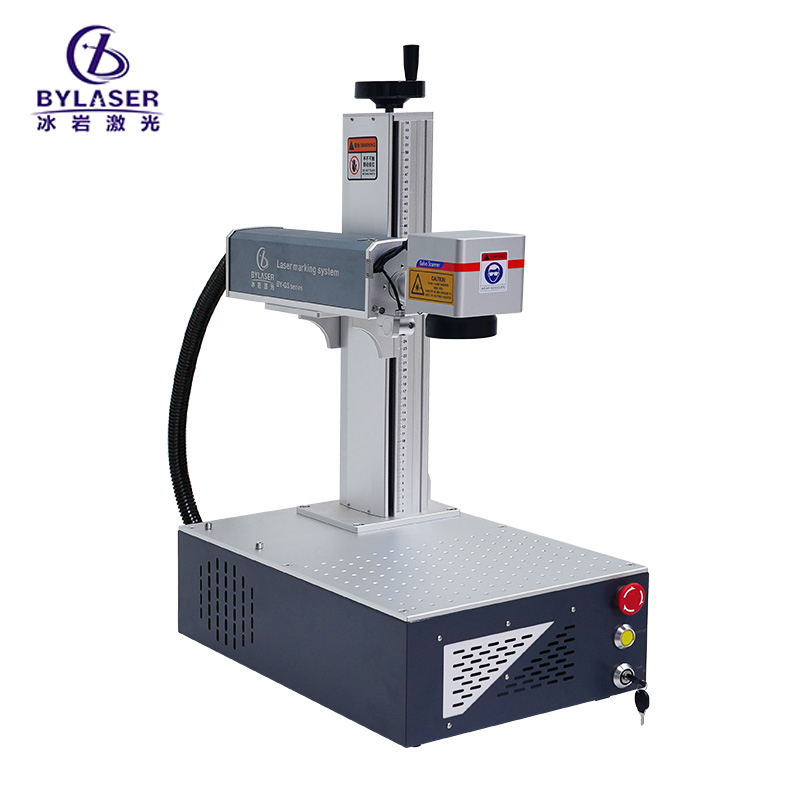
A laser marking machine operates within a defined power range that determines its capabilities and limitations. Typical industrial laser systems range from 10 watts to 100 watts or higher, depending on the application. Fiber laser engraving technology has become the industry standard for metal marking, requiring substantially different power levels than CO2-based systems. The choice of power directly influences material processing speed, marking precision, and the range of materials that can be effectively marked.
Understanding Laser Marker Power Specifications
Power Output and Material Compatibility
The laser marker power level determines which materials can be effectively processed. Fiber laser engraving typically requires 20 to 50 watts for most metals, including aluminum, steel, titanium, and copper alloys. Lighter power outputs between 10 and 20 watts suit thin metal sheets, anodized surfaces, and decorative applications. For demanding industrial tasks like deep engraving or high-speed production runs, systems with 50 watts or greater offer superior performance and faster processing times.
Processing Speed and Production Efficiency
Industrial laser systems with higher wattage deliver faster marking speeds, directly improving production throughput. A laser marking machine operating at 20 watts typically completes surface marks in seconds, while 50-watt systems reduce cycle times by 50 percent or more. Manufacturing environments prioritizing high-volume output benefit from stronger laser systems, though power consumption and equipment cost increase proportionally. Understanding the relationship between power and speed helps operations align equipment investment with production forecasts.
Power Requirements by Application Type
Metal Marking and Engraving Operations
Fiber laser engraving dominates the industrial metal marking sector, requiring specific power thresholds for optimal results. Standard metal marking applications demand 20 to 30 watts for crisp, readable marks on ferrous and non-ferrous surfaces. Decorative engraving and detailed artwork require higher precision but not necessarily greater power. An industrial laser system designed for serial number marking, barcodes, or part identification typically operates efficiently in the 20 to 40-watt range, balancing speed, quality, and operational cost.
Advanced Industrial Applications
Heavy-duty industrial sectors, such as automotive, aerospace, and medical device manufacturing, frequently require laser marking machines with 50 watts or higher. These applications demand deep contrast marks, resistance to environmental degradation, and consistent quality across millions of parts. Fiber laser engraving systems at 50 watts or greater excel in challenging scenarios where surface contamination, rough substrates, or demanding durability standards necessitate more powerful marking capabilities. The laser marking machine must deliver reliable, repeatable results under strict regulatory and quality requirements.
Balancing Power, Cost, and Operational Needs
System Selection Criteria
Selecting appropriate power for an industrial laser system requires evaluating production volume, material types, marking complexity, and budget constraints. A small custom engraving business may operate effectively with a 20-watt fiber laser engraving setup, while high-volume manufacturers justify investment in 50 to 100-watt systems. The laser marking machine must match realistic production demands without unnecessary over-specification that increases equipment cost, electricity consumption, and maintenance overhead. Facility managers should conduct a thorough needs assessment before finalizing power specifications.
Energy Consumption and Operating Costs
Power consumption scales with laser marking machine output, affecting long-term operational economics. A 20-watt system consumes considerably less electricity than a 50-watt alternative, resulting in lower utility bills and reduced environmental impact. An industrial laser system's electrical footprint must align with facility infrastructure, power supply capacity, and energy budget constraints. Understanding the connection between laser marker power and operating costs ensures informed purchasing decisions that balance performance with financial responsibility.
FAQ
What power level laser marking machine do most manufacturers use?
Most manufacturing operations employ fiber laser engraving systems in the 20 to 50-watt range. This power bracket offers optimal balance between marking speed, material versatility, and operational cost. A laser marking machine at 30 watts satisfies the majority of industrial metal marking requirements, from automotive components to electronics manufacturing.
Can a lower-power industrial laser system achieve high-quality marks?
Yes, a laser marker with 10 to 20 watts produces excellent quality marks on suitable materials. Lower-power fiber laser engraving excels for thin metals, anodized surfaces, and precision applications where high contrast is achievable. The trade-off is reduced speed and limited ability to engrave thick materials or achieve maximum marking depths.
How does power affect the lifespan of an industrial laser system?
Higher-wattage laser marking machines operate at elevated stress levels, potentially shortening component lifespan compared to lower-power alternatives. A laser marker running continuously at maximum capacity experiences accelerated wear on optics and mechanical components. Proper maintenance, appropriate power selection for the task, and scheduled service intervals help extend the operational life of any fiber laser engraving or industrial laser system.
