


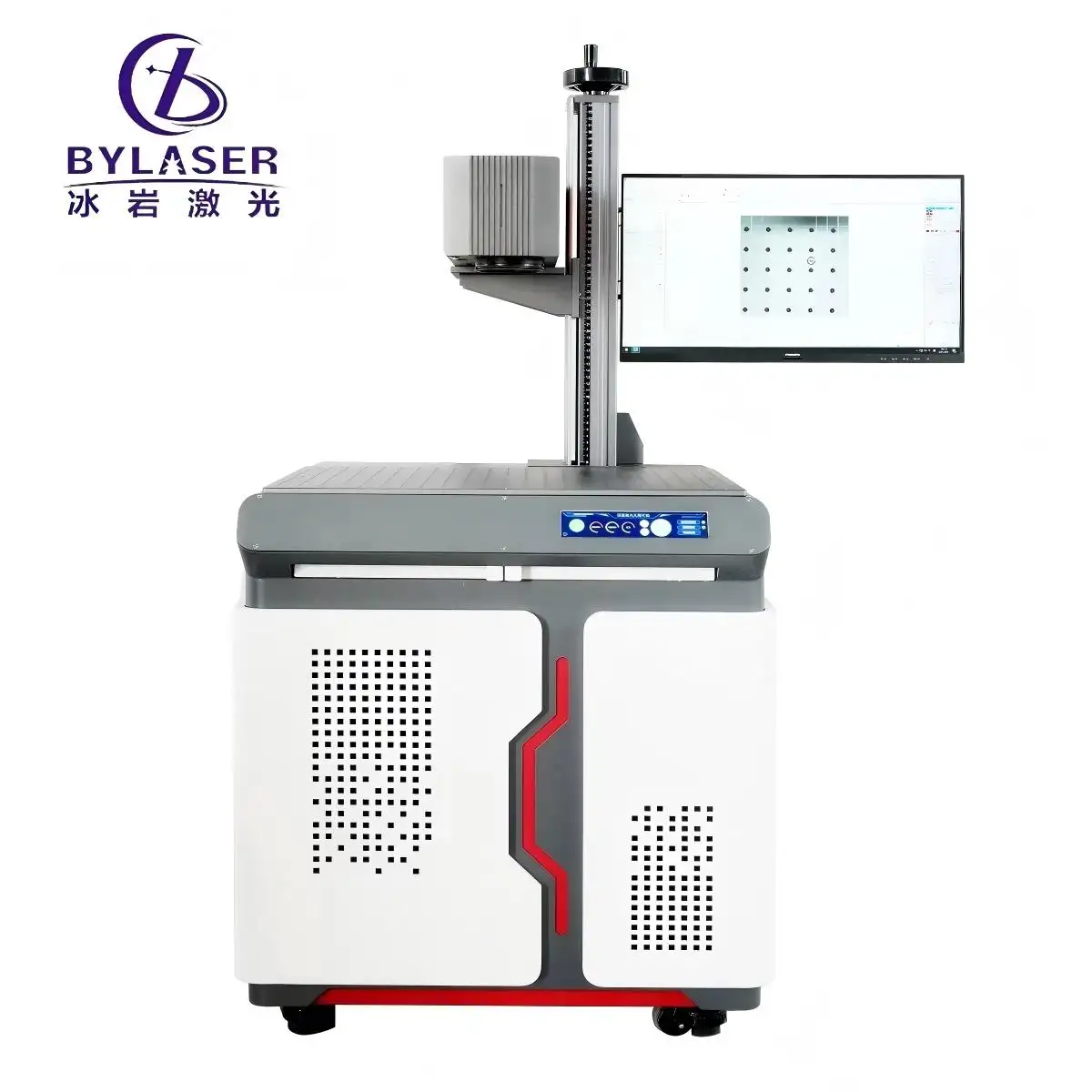
A laser rust remover represents a significant investment in industrial maintenance and metal surface treatment capability. Like any precision equipment, however, it requires proper care and regular maintenance to ensure consistent performance, extend operational lifespan, and maintain safety standards. Understanding the maintenance requirements of your laser cleaning machine is essential for maximizing return on investment and preventing costly downtime in your facility.
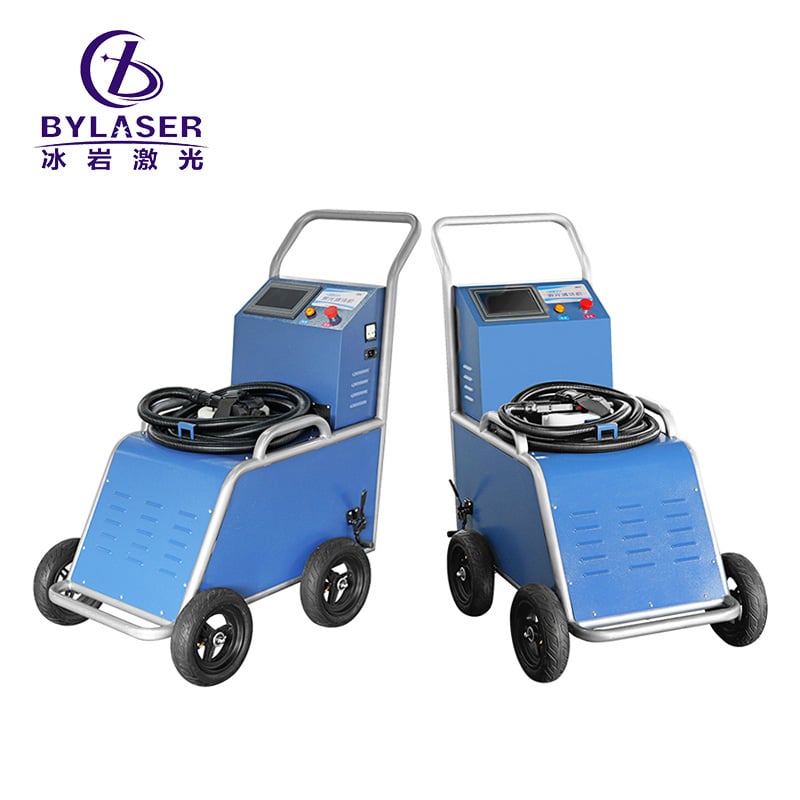
The maintenance demands of rust removal technology differ substantially from conventional cleaning or surface preparation methods. Because laser cleaning machines operate using high-precision optical and electrical components, preventive maintenance becomes critical to avoid performance degradation. Proper upkeep ensures your equipment delivers reliable metal surface treatment results while protecting operator safety and minimizing interruptions to production schedules.
Optical and Lens Maintenance for Laser Cleaning Systems
Cleaning and Inspecting Optical Components
The optical path within your laser rust remover requires consistent attention to maintain beam quality and output effectiveness. Dust, debris, and residue from rust removal technology operations can accumulate on lens surfaces, reducing laser power transmission and treatment precision. Regular visual inspection under proper lighting helps identify contamination early, allowing you to address issues before they compromise metal surface treatment quality or damage sensitive components permanently.
Cleaning procedures must follow manufacturer specifications precisely, as improper techniques can scratch or damage lens coatings. Most laser cleaning machine professionals recommend using specialized lens cleaning solutions, microfiber cloths, and gentle circular motions rather than harsh abrasive methods. The frequency of cleaning depends on your operating environment; facilities with high dust levels may require weekly attention, while cleaner environments might need monthly inspection intervals.
Laser Tube Alignment and Output Verification
Over time, vibration from equipment operation and temperature fluctuations can shift laser tube alignment, compromising the efficiency of rust removal technology. Quarterly alignment checks ensure the laser beam maintains proper focus and beam quality throughout your metal surface treatment work. Professional technicians use calibrated measuring equipment to verify alignment and make micro-adjustments to optical mirrors when necessary.
Output power verification complements alignment maintenance by confirming your laser cleaning machine delivers rated performance. Power degradation often indicates aging components or optical contamination requiring attention. Documenting output measurements over time creates a maintenance history that helps predict component replacement needs and prevents unexpected performance failures during critical production runs.
Electrical, Cooling, and Safety System Maintenance
Power Supply and Electrical Connection Integrity
The electrical infrastructure supporting your laser rust remover demands regular inspection to prevent equipment failure and ensure operator safety. Corroded connectors, loose terminals, and damaged power cables compromise rust removal technology reliability and create potential electrical hazards. Monthly visual inspections of all power connections, coupled with annual professional electrical testing, identify degradation before critical failures occur on your laser cleaning machine.
Ground connections deserve particular attention because proper grounding protects against electrical faults and ensures safe operation of metal surface treatment activities. Oxidized ground terminals can develop high resistance, reducing the effectiveness of safety protection systems. Cleaning corroded connections with appropriate wire brushes and applying dielectric grease maintains low resistance and reliable safety function throughout your equipment life.
Cooling System Maintenance and Temperature Monitoring
Efficient cooling is critical to rust removal technology performance, as excessive heat reduces laser output and can damage internal optical components. Regular cleaning of cooling system filters, inspection of coolant condition, and monitoring of operating temperatures prevent thermal stress on your laser cleaning machine. Most manufacturers recommend monthly filter inspection and replacement when restrictions develop, ensuring unobstructed coolant flow and stable operating temperatures.
Temperature sensors provide early warning of cooling system problems, triggering alarms when metal surface treatment operation approaches thermal limits. Quarterly verification of sensor accuracy through professional testing prevents false alarms and ensures protective shutdown systems function properly. Coolant should be checked for discoloration, contamination, or debris indicating internal component wear requiring attention before catastrophic failure.
Mechanical Components and Operational Integrity
Beam Delivery System and Scanning Head Inspection
The mechanical precision of your laser rust remover's beam delivery system directly impacts rust removal technology effectiveness and metal surface treatment consistency. Protective nozzles, fiber optic cables, and scanning heads experience wear during normal operation and require regular inspection for damage or misalignment. Monthly visual checks combined with quarterly professional servicing catch developing problems before they compromise beam quality or damage expensive components.
Protective nozzles accumulate rust particles and residue during operation, potentially obstructing the laser beam and reducing cleaning effectiveness. Regular removal and cleaning of nozzles, followed by careful reinstallation, maintains optimal beam focus and ensures uniform metal surface treatment results. Damaged or worn nozzles should be replaced promptly, as continued use with compromised components risks damage to internal optical elements.
Mechanical Alignment and Vibration Isolation
Vibration from industrial environments or aggressive rust removal technology operation can gradually shift mechanical components, affecting beam accuracy and treatment uniformity. Periodic verification of mounting stability and inspection of vibration isolation systems keeps your laser cleaning machine performing at design specifications. Professional technicians use precision leveling equipment to verify proper alignment and adjust mounting components when drift is detected.
Environmental factors such as floor settling, nearby heavy machinery operation, or temperature cycling can contribute to mechanical stress over months or years. Quarterly walk-around inspections for loose fasteners, visible wear, or unusual vibration help catch developing problems early. Tightening connections and replacing worn dampening elements prevents cascading mechanical failures that could disable your entire metal surface treatment capability unexpectedly.
FAQ
How often should I perform maintenance on my laser rust remover?
Laser cleaning machine maintenance should follow a tiered schedule: daily visual inspection for obvious damage or misalignment, weekly cleaning of accessible optical surfaces in dusty environments, monthly power and coolant verification, quarterly professional alignment checks, and annual comprehensive service by factory-trained technicians. Your rust removal technology equipment manual provides specific intervals based on operating duty cycle and environmental conditions, which should be your primary reference guide.
Can improper maintenance damage rust removal technology components?
Yes, neglected maintenance causes accelerating damage to laser cleaning machine components and metal surface treatment quality. Contaminated optics reduce beam power, forcing increased operating parameters that stress electrical systems and generate excessive heat. Misalignment forces the system to work harder, reducing lifespan of tubes and electrical components. Poor cooling system maintenance leads to thermal shutdown, while corroded electrical connections create safety hazards and unreliable performance during critical applications.
What tools and expertise do I need for laser rust remover maintenance?
Basic daily and weekly maintenance requires only soft cloths, specialized lens cleaning solution, and visual inspection skills any operator can develop through training. However, quarterly alignment verification, power output testing, and electrical diagnostics require professional equipment and factory-certified technician expertise. Most manufacturers offer training programs and recommend annual or biennial factory service contracts that provide comprehensive inspection, parts replacement, and performance verification your laser cleaning machine needs to deliver reliable metal surface treatment results.
