


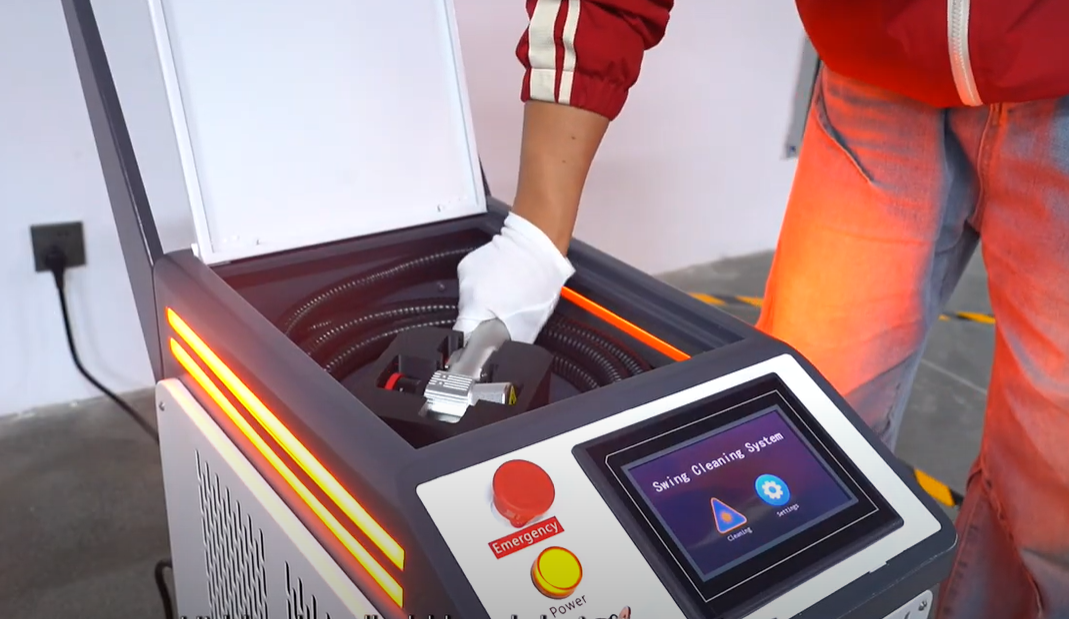
The question of whether a laser rust remover is safe to use has become increasingly important as industries adopt advanced rust removal technology for maintenance and restoration work. Unlike traditional abrasive methods such as sandblasting or chemical cleaning, laser cleaning machines offer a fundamentally different approach to removing rust, corrosion, and contaminants from metal surfaces. The answer is nuanced: laser rust removal is generally safe when proper protocols are followed, but it requires understanding the technology, recognizing potential hazards, and implementing appropriate safety measures to protect both operators and surrounding environments.
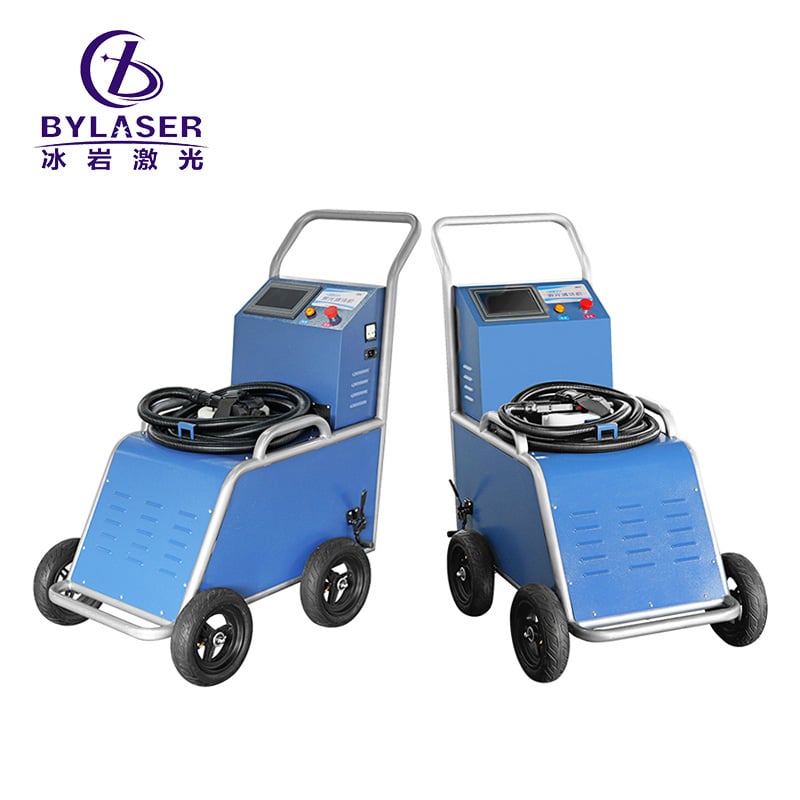
Safety with a laser cleaning machine depends on several interconnected factors including beam intensity, exposure time, material composition, operator training, and environmental controls. Modern rust removal technology incorporates multiple safety features designed to minimize risks while maximizing cleaning efficiency on metal surface treatment applications. Understanding these protective elements and adhering to manufacturer guidelines significantly reduces hazards associated with laser-based rust removal systems.
Understanding Laser Rust Removal Safety Fundamentals
How Laser Cleaning Machines Work and Inherent Safety Advantages
A laser cleaning machine removes rust through a non-contact process called laser ablation, where focused light energy vaporizes rust and contaminants directly from metal surfaces without touching the substrate. This fundamental mechanism offers inherent safety advantages over mechanical or chemical rust removal methods. Because the laser operates at a distance and produces no secondary waste materials like dust clouds or chemical residue, exposure pathways for operators are naturally limited compared to traditional techniques.
The precision of rust removal technology allows operators to target only affected areas while leaving base material intact, reducing the risk of accidental damage or excessive material loss. Unlike sandblasting, which generates airborne particles that workers must avoid, or chemical cleaning, which produces hazardous fumes, laser-based approaches contain the energy within a defined beam path. This containment characteristic makes laser rust remover systems particularly suitable for environments where other rust removal methods pose unacceptable health or environmental risks.
Primary Hazards Associated with Laser Rust Removal
Despite these advantages, laser cleaning machines do present specific hazards that must be managed through proper safety controls. The primary concern involves direct or reflected laser beam exposure to the eyes and skin, as even brief exposure to unfocused or stray laser radiation can cause tissue damage ranging from mild irritation to permanent vision loss. The metal surface treatment process also generates plasma plumes and occasional minor sparks at the point of contact, though at much lower intensity than traditional welding or cutting operations.
Secondary hazards include potential exposure to trace metals or oxidation byproducts released during rust removal, though the volume released is substantially lower than dusty abrasive methods. Operators may also experience discomfort from repetitive motion if using handheld laser rust remover units for extended periods. The laser cleaning machine itself generates minimal vibration or noise compared to pneumatic tools, reducing ergonomic strain during prolonged rust removal technology applications.
Safety Features and Protective Mechanisms in Modern Laser Cleaning Machines
Engineered Safety Systems in Contemporary Equipment
Manufacturers of laser rust remover systems have integrated multiple engineered safeguards into modern equipment design. Interlock systems automatically shut down the laser when access panels are opened or when the laser cleaning machine is moved beyond its operational enclosure. Beam path monitoring systems track the laser position continuously, and many units incorporate automatic shutoff if the beam strays from intended targets or if surfaces are closer than safe working distance parameters.
Advanced rust removal technology now includes real-time safety indicators that alert operators when beam conditions deviate from normal parameters. Thermal sensors monitor equipment temperature, preventing overheating that could compromise safety integrity. Built-in shielding within the laser cleaning machine housing reduces ambient radiation levels in the work area, though point-of-use protective equipment remains necessary for full compliance with occupational safety standards during metal surface treatment activities.
Operator Protection Equipment and Best Practices
Proper personal protective equipment forms the essential foundation of safe laser rust remover operation. Laser safety goggles rated for the specific wavelength and power output of the equipment must be worn continuously during rust removal technology activities. These specialized eyewear options block dangerous wavelengths while maintaining visibility for precise aiming and monitoring of the laser cleaning machine performance.
Protective clothing including long-sleeved shirts, gloves, and closed-toe footwear shield skin from potential beam exposure and minor thermal effects. Work area controls are equally critical—barriers and warning signs should demarcate laser rust remover operating zones, preventing unauthorized personnel from entering active treatment areas. Ventilation systems and dust extraction equipment, though minimal compared to abrasive methods, should still be operational during metal surface treatment to capture any airborne particles released during the rust removal process.
Safe Operating Practices and Risk Management for Laser Cleaning Machines
Training, Documentation, and Operational Protocols
Comprehensive operator training is the cornerstone of safe laser rust remover use. Qualified personnel must understand the equipment specifications, inherent hazards, proper emergency procedures, and maintenance requirements before operating a laser cleaning machine. Training should cover the specific rust removal technology being used, including maximum safe exposure times, appropriate working distances, and recognition of abnormal equipment behavior indicating potential safety issues.
Documentation including manufacturer safety guidelines, Material Safety Data Sheets for any solvents used during metal surface treatment preparation, and facility-specific standard operating procedures should be readily accessible at the work site. Regular competency assessments ensure operators maintain proficiency and stay current with evolving safety protocols for laser rust remover systems. Written procedures should specify handling of different material types, as some substances behave differently when exposed to laser cleaning machine radiation.
Maintenance, Environmental Factors, and Ongoing Safety
Scheduled maintenance of the laser cleaning machine is essential for sustained safe operation throughout the equipment lifespan. Regular inspections of optical components, seals, and structural integrity prevent degradation that could compromise rust removal technology safety features. Calibration checks ensure the laser delivers consistent power output and maintains proper beam characteristics, reducing risk of uncontrolled energy release or unexpected behavior during rust removal processes.
Environmental conditions affect laser rust remover safety and effectiveness. Operating equipment in stable temperature environments prevents thermal drift that could alter beam characteristics. Moisture control is important, as excessive humidity can affect optical element clarity and laser cleaning machine performance. Areas with adequate workspace, clear sight lines, and proper lighting enable operators to maintain full awareness of equipment condition and beam path throughout metal surface treatment activities, reducing the likelihood of accidental exposure or equipment mishandling.
FAQ
Can prolonged exposure to laser rust remover cause cumulative health damage?
When proper protective equipment and safety protocols are followed consistently, prolonged occupational exposure to laser rust remover systems does not cause cumulative health damage. The key distinction is between controlled exposure during correct operation versus accidental beam contact. Workers in facilities using laser cleaning machines for regular rust removal technology applications have documented health profiles comparable to those in similar industrial roles, provided PPE compliance and training standards remain high.
How does laser rust remover compare to chemical rust removal in terms of safety?
Laser rust remover presents fewer acute chemical hazards than traditional chemical rust removal methods, which involve corrosive substances, volatile organic compounds, and hazardous waste disposal considerations. However, laser cleaning machine operation introduces beam-related hazards requiring different protective measures. Neither approach is universally 'safer'—the choice depends on specific metal surface treatment requirements, facility infrastructure, and personnel capability. Chemical methods require chemical safety management; laser rust removal technology requires laser safety expertise.
What should facilities do if they lack prior laser equipment experience?
Facilities new to laser rust remover technology should engage certified trainers for operator qualification before purchasing or operating equipment. Consulting with laser safety officers helps establish appropriate controls for the specific work environment. Starting with lower-power laser cleaning machine units on non-critical metal surface treatment projects allows teams to build competency safely. Many reputable manufacturers provide on-site training and ongoing support specifically designed for customers transitioning from traditional rust removal methods to laser-based solutions.
