


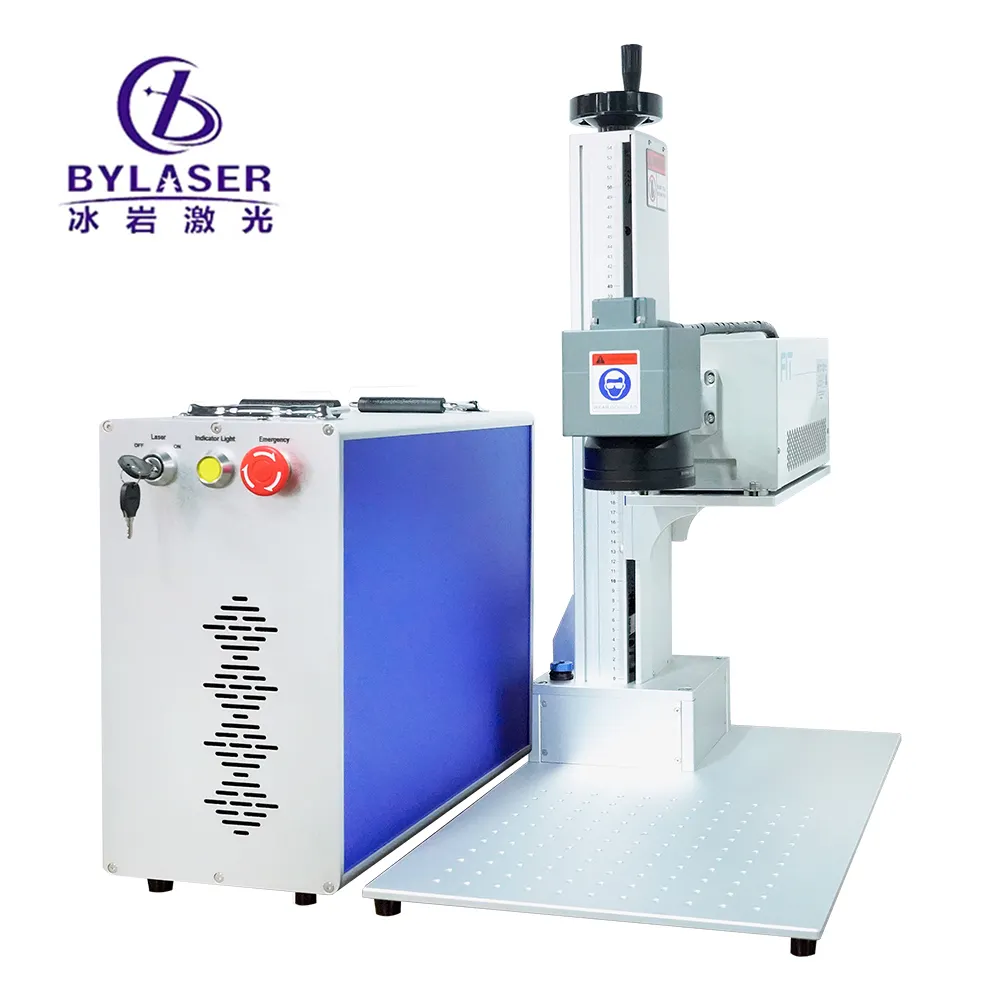
Understanding the depth capabilities of a laser engraving machine for metal is essential for manufacturers seeking precise results in metal marking applications. The depth achieved depends on multiple factors including laser power, wavelength, material composition, and processing parameters. Modern fiber laser metal processing technology enables controlled penetration depths ranging from shallow surface marks to deeper structural engravings, making precision metal engraving equipment indispensable for industrial operations.
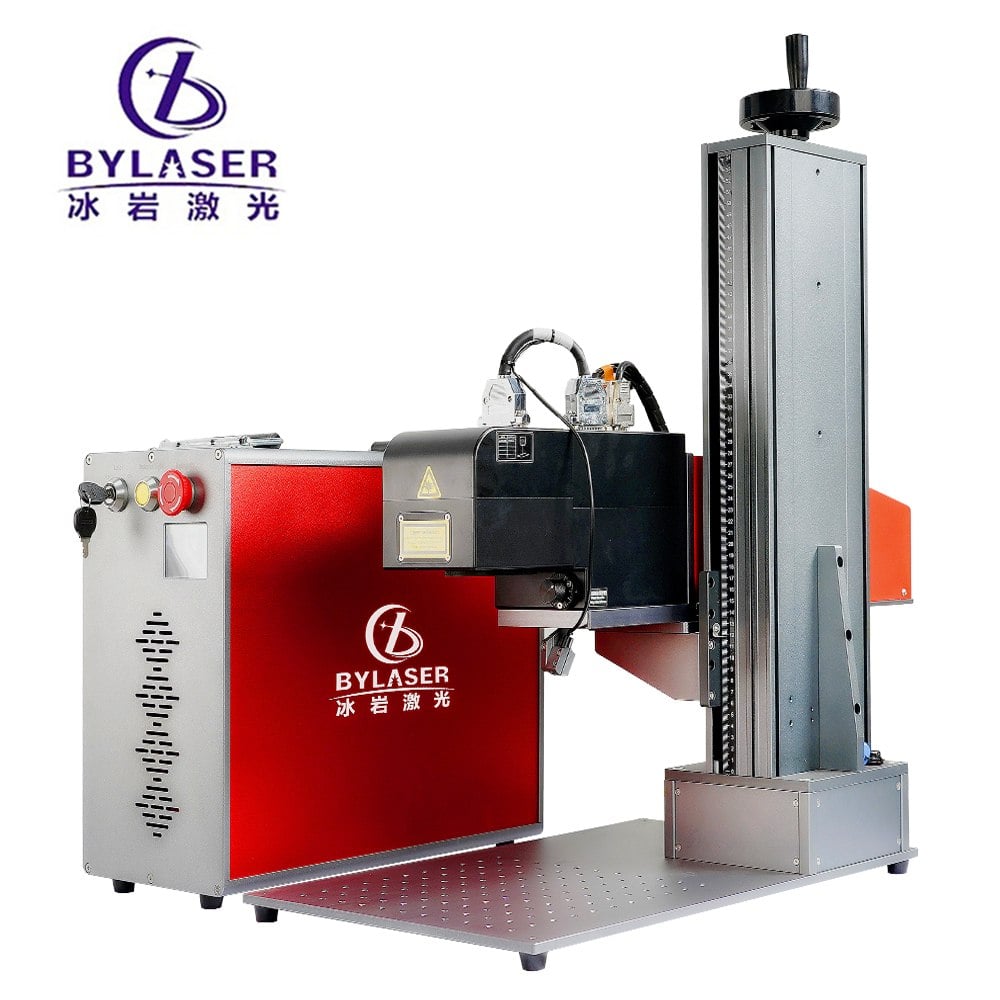
The precision metal engraving equipment market has evolved significantly with fiber laser innovations, allowing manufacturers to achieve consistent depth control across various metal substrates. Stainless steel, aluminum, copper, and titanium alloys each respond differently to laser energy, creating distinct depth profiles. Understanding these material-specific behaviors helps operators optimize their metal marking technology settings for desired results without compromising material integrity or creating unwanted surface damage.
Typical Depth Range and Laser Power Relationship
Surface Marking Versus Deep Engraving
Laser engraving machines for metal typically achieve surface marks between 0.1 and 0.5 millimeters deep using standard fiber laser metal processing settings. These shallow depths are ideal for serial numbers, logos, and decorative patterns where appearance matters more than structural modification. Deeper engravings ranging from 0.5 to 3 millimeters require higher laser power output and multiple passes through the same area, a technique called multi-pass engraving.
Power Output Impact on Penetration Depth
A 20-watt fiber laser metal processing system typically produces marks 0.3 to 0.8 millimeters deep in a single pass on aluminum or copper. Upgrading to 30-watt or 50-watt precision metal engraving equipment substantially increases depth capability, allowing single-pass engravings of 1 to 2 millimeters. Industrial-grade systems exceeding 100 watts can achieve depths beyond 5 millimeters, though such aggressive processing is reserved for specialized applications requiring structural modification rather than mere surface marking.
Material-Specific Depth Characteristics
Soft Metals and Reactive Materials
Aluminum and copper, being softer metals, absorb laser energy efficiently and allow relatively deep penetration with moderate laser power. Metal marking technology designed for these materials can achieve 1 to 2 millimeter depths with 20-30 watt systems. However, reactive materials like copper may oxidize or experience thermal distortion at the engraving edges, requiring careful control of pulse duration and frequency to maintain clean, deep marks without excessive heat damage.
Hard Metals and Stainless Steel Behavior
Stainless steel requires more laser energy to achieve equivalent depth compared to softer metals, making precision metal engraving equipment with higher power ratings essential for industrial applications. Fiber laser metal processing on stainless steel typically achieves 0.5 to 1.5 millimeter depths with standard 30-watt systems. The higher reflectivity and thermal conductivity of stainless steel necessitate optimized wavelength absorption and extended dwell times to prevent shallow, incomplete engravings.
Factors Controlling Maximum Achievable Depth
Laser Wavelength and Material Interaction
Fiber laser systems operate at 1064 nanometers wavelength, which is efficiently absorbed by most metals, enabling controlled energy transfer. This metal marking technology characteristic allows precision metal engraving equipment to concentrate energy into focused spots as small as 20 micrometers, directing maximum power density into minimal surface areas. The optical properties of the metal substrate interact with this wavelength differently, meaning copper and brass may achieve greater depths than titanium at identical power settings.
Pulse Duration, Frequency, and Cooling Effects
Shorter pulse durations concentrating energy into microsecond intervals create deep, clean engravings by minimizing heat spread to surrounding material. Fiber laser metal processing systems typically operate at pulse widths between 20 and 200 nanoseconds, enabling rapid material removal with minimal thermal damage. Conversely, extended pulse durations or high-frequency continuous engraving can accumulate heat, potentially causing depth inconsistencies or thermal warping in sensitive applications.
Speed Settings and Material Removal Rate
Engraving speed directly influences depth; slower scan speeds allow longer interaction time between laser and material, resulting in deeper penetration. A laser engraving machine for metal moving at 50 millimeters per second typically produces shallower marks than the same system operating at 10 millimeters per second. Operators must balance speed requirements against depth objectives, as production efficiency sometimes conflicts with maximum depth capability.
Practical Depth Optimization Techniques
Multi-Pass Engraving Strategies
Achieving depths beyond single-pass capability requires multiple laser passes over identical areas, progressively deepening the engraving. This metal marking technology approach, supported by precision metal engraving equipment software, allows controlled depth buildup without thermally damaging surrounding material. Three to five passes on stainless steel can achieve 2 to 3 millimeter depths using 30-watt fiber laser metal processing, particularly effective for logos or identification numbers requiring visibility from distance.
Parameter Tuning for Consistent Depth
Modern precision metal engraving equipment offers adjustable parameters including power percentage, pulse frequency, scan speed, and focus offset, all influencing final depth. Testing sample materials before production runs ensures depth consistency across batches. Maintaining optimal focus distance—typically between 0 and 2 millimeters above the material surface—is critical, as defocused beams produce shallower, wider marks with reduced depth control precision.
FAQ
How deep can fiber laser metal processing typically mark stainless steel in a single pass?
Standard fiber laser metal processing systems rated 20-50 watts typically achieve 0.5 to 1.5 millimeter single-pass depths on stainless steel, depending on exact power output and pulse settings. Achieving greater depths requires multi-pass techniques or higher-powered equipment exceeding 100 watts, making precision metal engraving equipment selection critical for specific industrial requirements.
Does a laser engraving machine for metal achieve uniform depth across curved or uneven surfaces?
Maintaining uniform depth on uneven surfaces challenges even advanced precision metal engraving equipment because focus distance variations alter laser energy density. Three-dimensional fiber laser metal processing systems with dynamic focus correction can partially compensate for surface irregularities, though slight depth variations remain inevitable on severely curved components.
What factors most influence the maximum achievable depth with metal marking technology?
Laser power output, material composition, pulse duration, scan speed, and focus precision collectively determine maximum achievable depth. Among these variables, laser power offers the most direct impact on depth capability, while material thermal properties and optical absorption characteristics create secondary but significant influences on precision metal engraving equipment performance.
