


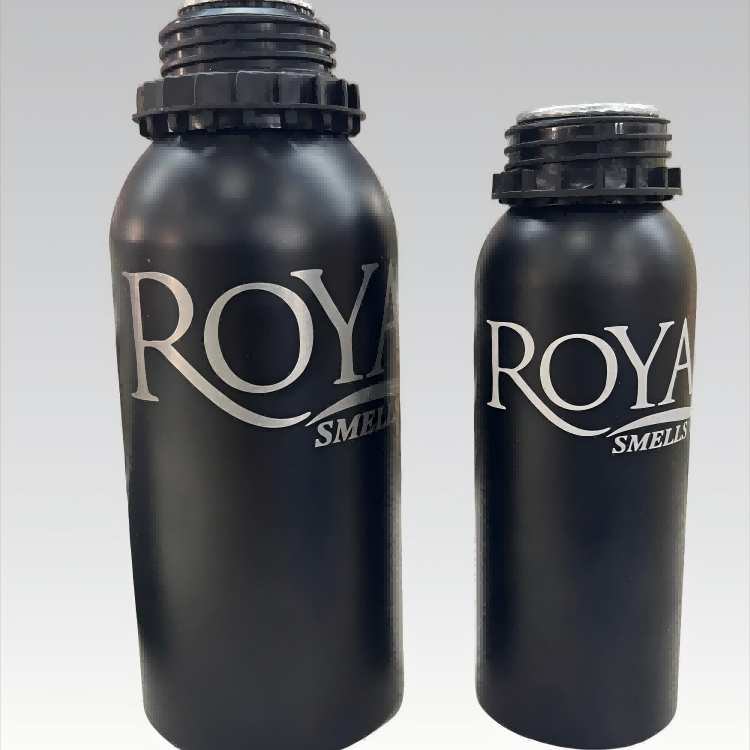
A laser engraving machine for metal operates through sophisticated technology that adapts to the unique properties of different alloys. Each metal composition presents distinct challenges related to thermal conductivity, reflectivity, and surface hardness, requiring precise parameter adjustments to achieve optimal marking results. Understanding how these machines interact with various alloys is essential for manufacturers seeking reliable, high-quality metal marking technology solutions.
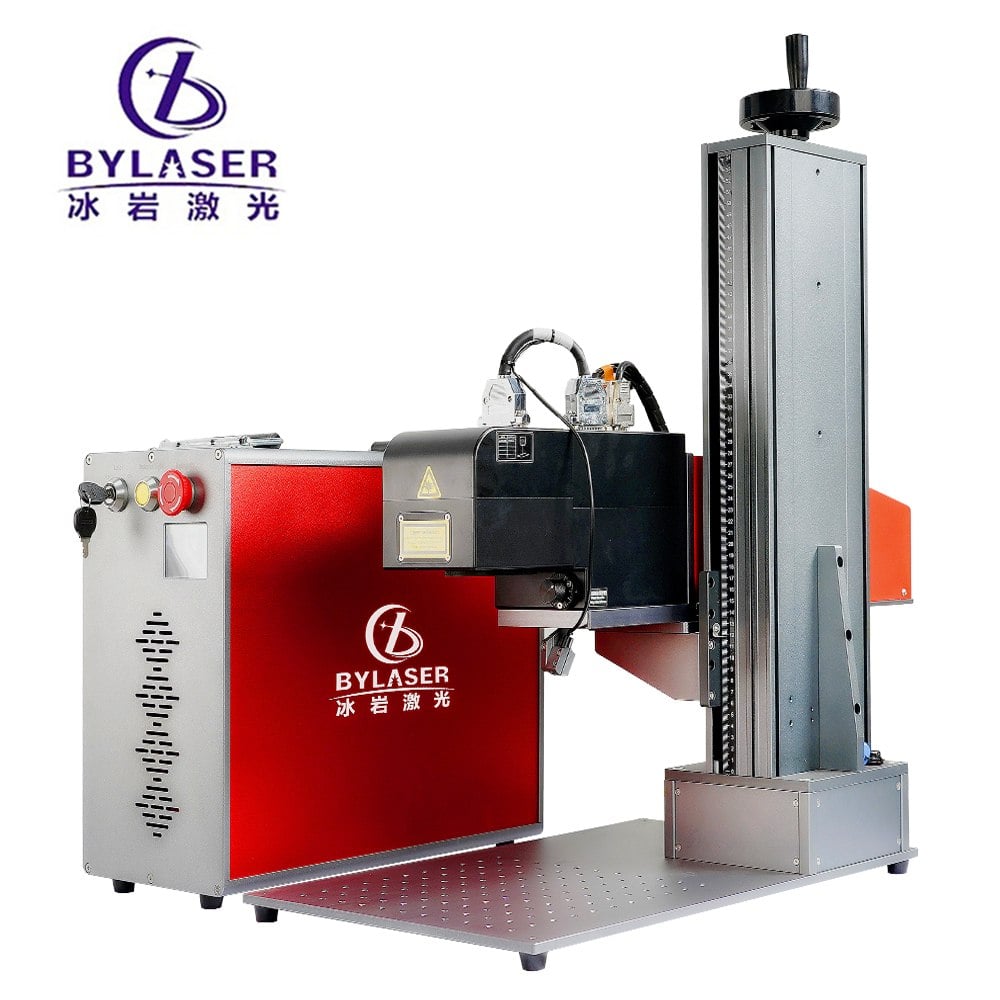
The fiber laser metal processing method forms the backbone of modern precision metal engraving equipment. Unlike CO2 lasers, fiber laser technology delivers wavelengths that metals absorb efficiently, enabling cleaner marks with minimal thermal distortion. This fundamental advantage explains why fiber laser metal processing has become the industrial standard for demanding applications requiring repeatability and durability across diverse alloy families.
Metal Composition and Laser Interaction
Understanding Alloy Properties
Different alloys respond to laser energy based on their elemental composition, crystalline structure, and surface characteristics. Stainless steel alloys, aluminum compositions, titanium variants, and copper-based metals each exhibit unique absorption rates and thermal behaviors. When a laser engraving machine for metal encounters these variations, the machine's control system must compensate through power adjustment, pulse frequency modification, and scanning speed changes. Precision metal engraving equipment manufacturers design systems with preset profiles for common alloy families, allowing operators to select settings aligned with their specific material composition.
Reflectivity represents a critical factor influencing engrave quality. Copper and brass alloys naturally reflect laser wavelengths more aggressively than steel, requiring higher power settings and adjusted timing parameters. Conversely, anodized aluminum absorbs energy more readily, demanding lower intensity to prevent surface damage. Understanding these physical properties enables production teams to optimize metal marking technology performance and reduce material waste during testing phases.
Thermal Management During Engraving
Fiber laser metal processing generates intense heat concentration at the focal point, creating controlled material removal through vaporization and microchipping. Alloys with high thermal conductivity, such as aluminum and copper variants, dissipate this heat rapidly away from the marked area, potentially reducing mark contrast unless power compensates appropriately. Steel alloys with lower thermal conductivity retain heat longer, creating deeper, more pronounced marks with identical machine settings. Precision metal engraving equipment operators must understand these thermodynamic differences to maintain consistent quality across material batches and alloy families.
Processing Techniques for Diverse Alloys
Stainless Steel and Iron-Based Alloys
Stainless steel represents one of the most commonly processed materials in industrial metal marking technology applications. Its relatively predictable laser interaction and consistent results across different stainless grades make it ideal for precision metal engraving equipment. Austenitic stainless steels, ferritic variants, and martensitic compositions each respond slightly differently, but all absorb fiber laser wavelengths effectively. The laser engraving machine for metal typically achieves high-contrast marks with minimal surface heat effect, preserving material integrity and preventing corrosion concerns that sometimes accompany thermal processing.
Tool steels and specialized iron-based alloys used in dies, cutting implements, and precision components respond exceptionally well to fiber laser metal processing. The controlled energy delivery produces fine-detail marks without the residual stress that older machining methods introduce. Industrial users appreciate how precision metal engraving equipment can add serial numbers, date codes, and barcodes to complex tool geometries without secondary processes or setup complexity.
Aluminum and Non-Ferrous Metals
Aluminum alloys present unique challenges for laser engraving machines due to high reflectivity and thermal conductivity characteristics. However, modern fiber laser metal processing technology has overcome these limitations through optimized wavelength delivery and pulse structure adaptation. 6061, 7075, and 5083 aluminum grades all respond positively when machine settings account for their thermal properties. Metal marking technology achieves excellent contrast on anodized aluminum, creating permanent identification without secondary coloring processes.
Titanium alloys, copper composites, and specialty non-ferrous metals demand even more precise parameter tuning from precision metal engraving equipment. Titanium's exceptional strength and low thermal conductivity create narrow processing windows, but the resulting marks exhibit outstanding durability in aerospace and medical applications. Copper-based alloys require power calibration but deliver unique aesthetic effects that manufacturers appreciate for branding and decorative applications. Each alloy category benefits from fiber laser metal processing because the technology's precision enables repeatability without material degradation.
Quality Control and Optimization
Parameter Development and Testing
Establishing optimal laser engraving machine for metal settings begins with systematic material testing. Production teams select sample pieces from each alloy batch, adjusting power levels, pulse frequencies, and scan speeds while observing mark quality, edge definition, and surface effects. Fiber laser metal processing flexibility allows rapid iteration and documentation of successful parameters for future production runs. Precision metal engraving equipment systems often include software databases storing these profiles, enabling instant recall and consistency across shifts and operators.
Environmental factors influence results meaningfully. Material temperature, ambient humidity, and surface cleanliness all affect how metal marking technology performs. Operators must validate parameters under production conditions, not just in controlled laboratory environments. High-volume manufacturers establish documented procedures for surface preparation, fixture positioning, and periodic machine recalibration to maintain quality consistency across extended production campaigns.
Achieving Repeatability and Durability
The permanence of marks created by a laser engraving machine for metal stems from the physical change created at the material surface. Unlike chemical etching or mechanical engraving, fiber laser metal processing removes or transforms the top surface layer through precise thermal energy delivery. This fundamental mechanism ensures marks remain stable through washing, handling, and environmental exposure. Precision metal engraving equipment specifications emphasize mark depth, contrast ratio, and adhesion testing standards that correlate to long-term durability expectations.
Quality assurance protocols typically include mark scanning and vision verification, ensuring every component meets specification before shipment. Metal marking technology's consistency enables automated verification, reducing manual inspection burden while guaranteeing traceability and compliance documentation throughout the supply chain. Manufacturers relying on these systems achieve defect rates below one percent across complex alloy portfolios and demanding application environments.
FAQ
Can a single laser engraving machine for metal handle all alloy types equally well?
While fiber laser metal processing technology offers broad material compatibility, optimal results require parameter adjustments for different alloy families. A laser engraving machine for metal designed for stainless steel will mark aluminum and copper, but contrast and speed may suffer without setting optimization. Precision metal engraving equipment includes adjustment capabilities allowing operators to accommodate material variations while maintaining production efficiency. Most industrial systems process three to five primary alloy categories with minimal recalibration overhead.
What causes marking failures when processing different alloys?
Common failures include insufficient contrast from incorrect power settings, thermal damage from excessive energy delivery, and incomplete marks from scanning speeds mismatched to material properties. Reflective alloys like copper may require power increases that inexperienced operators overlook. Metal marking technology failures often trace to surface contamination, inadequate fixturing, or using outdated parameter profiles from different material lots. Fiber laser metal processing demands attention to baseline process validation and documented change control when introducing new alloy suppliers or compositions.
How does fiber laser metal processing compare to older engraving methods?
Fiber laser metal processing delivers superior precision, speed, and permanence compared to mechanical or chemical alternatives. Precision metal engraving equipment produces marks without tool wear, material removal debris, or chemical disposal requirements. A laser engraving machine for metal creates fine details impossible with conventional techniques while maintaining consistent quality across production runs. The technology's flexibility with metal marking technology applications, combined with rapid setup and minimal operator training needs, makes fiber laser systems the preferred choice for modern manufacturing environments requiring traceability and aesthetic quality simultaneously.
