


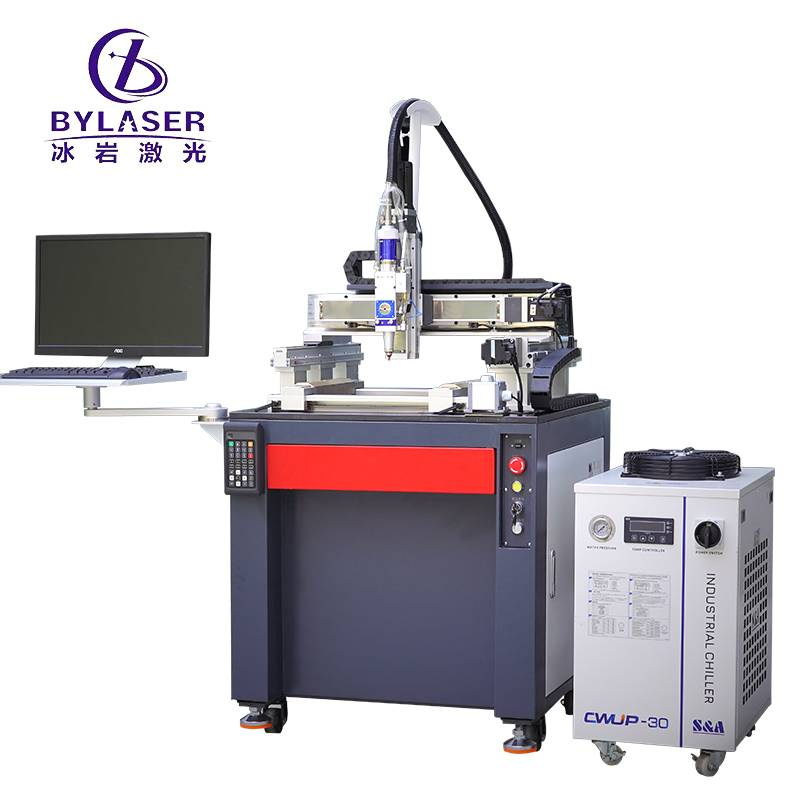
A laser marker operates by focusing intense light energy onto metal surfaces to create permanent marks, engravings, and detailed designs without physical contact. Unlike traditional engraving methods that use mechanical tools, a laser marker achieves precision through concentrated photon beams that interact directly with the metal substrate. This technology has transformed industrial manufacturing, quality control, and product customization across countless sectors. Understanding how this process works reveals why fiber laser engraving has become the standard for metal marking applications worldwide.
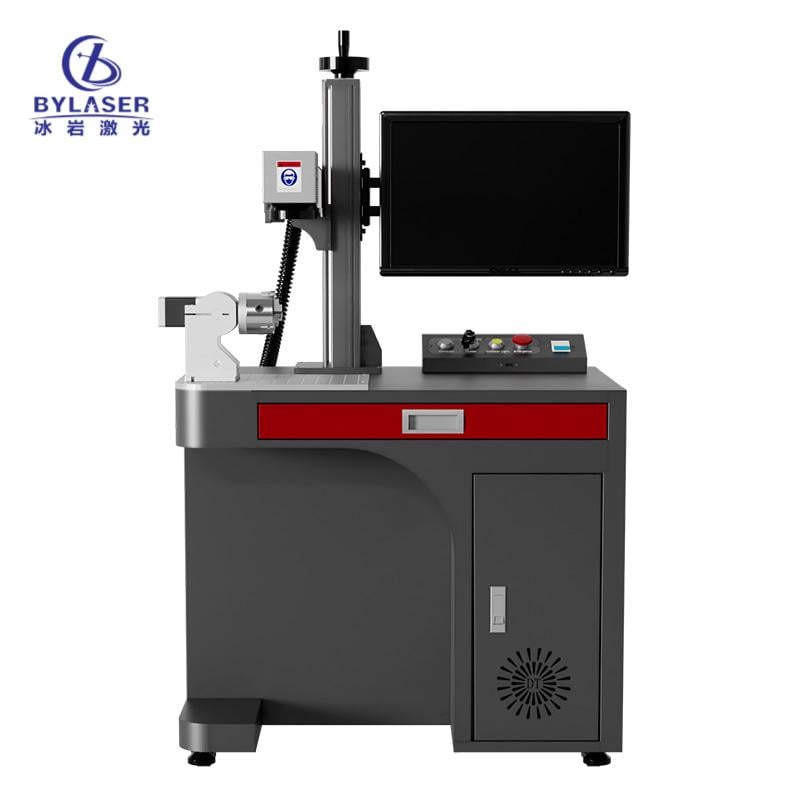
The laser marking machine generates coherent light through a process called stimulated emission, where electrons move between energy levels within a specialized medium. When this high-energy light beam strikes metal, it transfers thermal energy to the surface, causing rapid heating in a microscopically small area. The metal then undergoes surface transformation—oxidation, ablation, or melting—depending on the laser's power settings and pulse duration. This controlled interaction between light and metal creates marks ranging from shallow surface etchings to deep engravings with remarkable clarity and precision.
Fundamental Principles of Fiber Laser Engraving
How Fiber Laser Technology Generates the Marking Beam
Fiber laser engraving utilizes a specialized optical fiber doped with rare-earth elements, typically erbium or ytterbium, to produce coherent infrared light at a wavelength of approximately 1064 nanometers. This industrial laser system excites the dopant ions using a pump laser, creating a population inversion where more electrons occupy higher energy states than lower ones. When stimulated by photons already present in the cavity, these excited electrons emit additional photons in perfect phase alignment, generating an amplified beam of coherent light. This beam exits the fiber and travels through focusing optics that concentrate the energy into a spot measuring just micrometers in diameter.
Energy Transfer and Surface Modification
When the concentrated laser marker beam strikes metal, the photon energy transfers to free electrons in the metal lattice, causing them to vibrate intensely and generate heat. This rapid temperature increase—often exceeding thousands of degrees in fractions of a microsecond—forces the metal surface to undergo one of three primary transformations. Oxidation occurs when heated metal reacts with oxygen, creating a dark oxide layer that contrasts sharply with the base metal. Ablation happens when surface material vaporizes entirely, leaving a depression. Melting and resolidification creates subtle surface texture changes that catch light differently.
Technical Mechanisms Behind Metal Marking
Pulse Duration and Power Control in Laser Marking
A laser marking machine controls mark depth, width, and appearance through precise pulse timing and power intensity. Nanosecond pulses—lasting billionths of a second—deliver energy so quickly that the metal has minimal time to conduct heat away, concentrating thermal effects at the surface only. Longer pulses allow heat to penetrate deeper, creating wider marks and more substantial material removal. The industrial laser system's power level determines how much energy arrives per pulse; higher power produces darker marks and deeper material modification, while lower power creates lighter, more superficial engravings. Operators adjust these parameters based on the specific metal type, desired mark appearance, and production requirements.
Interaction Between Infrared Light and Metal Substrates
Different metals respond differently to fiber laser engraving due to variations in thermal conductivity, melting points, and light absorption characteristics. Aluminum and copper conduct heat rapidly away from the mark site, requiring higher laser power to achieve consistent marking. Stainless steel and titanium respond readily to the laser marker with excellent contrast and sharp detail. The infrared wavelength of fiber lasers couples particularly well with metal surfaces because metals absorb infrared radiation efficiently, converting it to heat with minimal reflection loss. This wavelength choice ensures consistent, repeatable results across diverse metal types without requiring different laser systems.
Industrial Applications and Practical Implementation
Real-World Use Cases for Metal Marking
Manufacturing facilities deploy laser marking machines to apply serial numbers, batch codes, and product specifications directly onto metal components, ensuring permanent identification that withstands environmental exposure and handling. Aerospace industries use fiber laser engraving to mark critical part numbers and traceability codes on turbine blades and fuselage components. Medical device manufacturers apply the laser marker to surgical instruments, implants, and equipment housing for regulatory compliance and patient safety tracking. Automotive suppliers mark VIN numbers, part identifiers, and certification codes on metal brackets, shafts, and housings. Electronics manufacturers engrave circuit board identifiers and component specifications. Each application relies on the precision and permanence that only industrial laser system technology can provide reliably at production speed.
Production Speed and Consistency Advantages
A laser marking machine completes most marks in seconds or less, enabling integration into high-speed manufacturing lines without slowing production flow. Unlike mechanical engraving tools that wear down and require frequent replacement, fiber laser engraving maintains consistent output quality across thousands of parts without tool degradation. The marking process requires no physical force on the workpiece, eliminating concerns about deformation or damage to delicate components. The industrial laser system achieves this speed and reliability through fully automated beam control, where computer instructions direct the laser marker precisely across preprogrammed mark patterns. This combination of speed, accuracy, and durability makes laser marking the dominant technology for permanent metal identification across industries.
FAQ
Does laser marking damage the metal structure?
Properly calibrated fiber laser engraving creates marks through controlled surface modification without compromising the metal's structural integrity. The affected zone penetrates only micrometers into the material, leaving the bulk material unchanged. The laser marker generates no stress concentration or mechanical damage as occurs with stamping or grinding methods. High-strength components like aircraft landing gear, springs, and critical fasteners routinely receive laser marking without any measurable impact on fatigue life or performance characteristics.
Which metals are best suited for laser marking?
Stainless steel, titanium, aluminum, brass, copper, and tool steel all respond excellently to laser marking machines with sharp, high-contrast results. Fiber laser engraving performs well across virtually all ferrous and non-ferrous metals used in industrial applications. Surface condition matters more than material type—clean, unpainted metal surfaces accept the laser marker beam uniformly for consistent marking quality. Painted, anodized, or heavily oxidized surfaces may require pre-cleaning to achieve optimal results from the industrial laser system.
Can a laser marking machine create color variations in metal?
Yes, different laser power levels and pulse durations produce varying colors through oxidation depth control on certain metals like stainless steel and titanium. Light marks result from minimal oxidation appearing gold or light tan, while darker marks reflect thicker oxide layers appearing blue, purple, or black. Fiber laser engraving cannot deposit actual color pigments on metal, but precise control over the laser marker's thermal input allows skilled operators to generate multicolor effects through oxidation variation across a single mark.
