


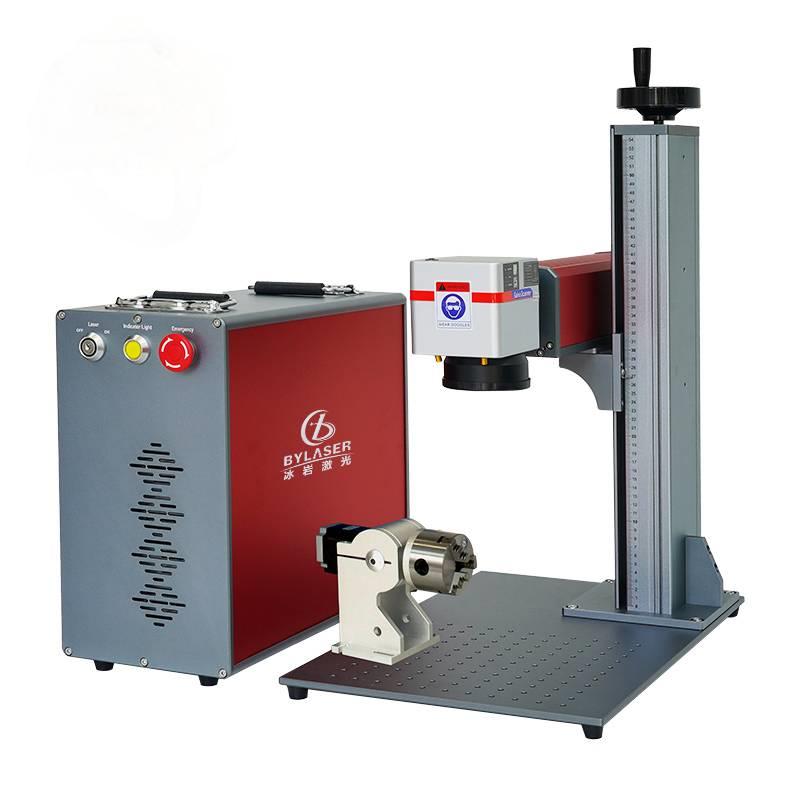
Yes, a laser marker excels at marking metal surfaces with precision and durability that traditional methods cannot match. Modern laser marking technology has revolutionized how manufacturers, businesses, and industrial operations identify, brand, and trace metal components. Whether you're marking stainless steel, aluminum, titanium, brass, or other alloys, a laser marker delivers permanent, high-contrast marks that withstand harsh environments, repeated handling, and industrial cleaning processes. This technology has become essential across aerospace, automotive, medical device manufacturing, electronics, and contract manufacturing sectors where traceability and product identification are critical.
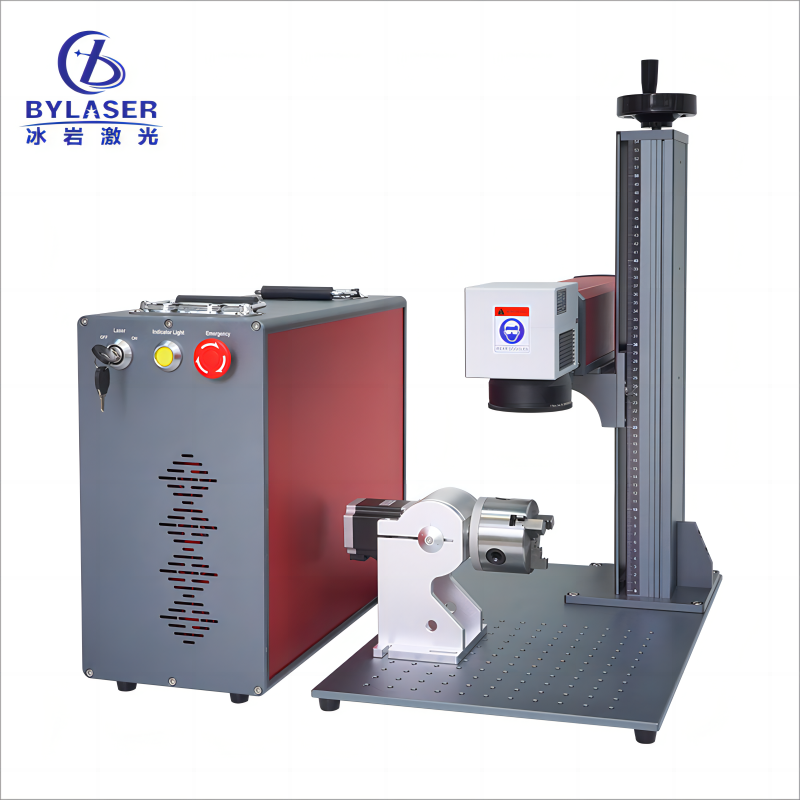
The core mechanism behind metal marking involves a laser marker beam concentrating intense energy on a small spot on the metal surface. This energy heats, oxidizes, or ablates the material, creating permanent contrast marks without damaging the structural integrity of the part. Unlike mechanical engraving or chemical etching, laser marking machines operate non-contact, require no consumables for each mark, and produce repeatable results across thousands of identical parts. Understanding the capabilities and limitations of laser marking systems helps businesses choose the right solution for their production needs.
How Fiber Laser Engraving Works on Metal
Energy Concentration and Material Interaction
Fiber laser engraving operates using infrared wavelengths that are highly absorbed by metals. When a fiber laser marking machine directs its beam onto a metal surface, the focused laser energy reaches temperatures that exceed 1000 degrees Celsius in a microsecond. This rapid heating causes the metal surface to oxidize, creating a dark mark, or in deeper applications, to ablate or melt slightly, creating visible contrast. Different metals respond distinctly to fiber laser engraving; stainless steel produces a bright white or light gray mark due to oxidation, while copper and brass develop darker contrasts. The industrial laser system's power, focus, and dwell time determine mark depth, darkness, and clarity.
Precision and Quality Control
An industrial laser system can produce marks with precision down to 0.1 millimeters, making it ideal for serial numbers, barcodes, QR codes, logos, and part identification. The fiber laser engraving process is repeatable; marking the 10,000th part produces the same quality as the first. This consistency eliminates human error and reduces waste. Laser marking machines integrate with production workflows, allowing automatic marking of moving parts on conveyor systems or robotic arms. The non-contact nature means no physical force is applied to delicate or precisely finished parts, preserving surface quality and dimensional tolerances.
Industrial Applications and Material Compatibility
Metals That Respond Well to Laser Marking
A laser marking machine works efficiently on all ferrous and non-ferrous metals. Stainless steel, aluminum, copper, brass, titanium, and tool steel all mark cleanly and durably. Precious metals including gold and silver also respond well, making laser marking essential in jewelry and luxury goods manufacturing. Even hardened tool steel and exotic alloys used in aerospace applications can be marked without affecting material properties. The laser marking process does not create heat distortion in surrounding areas because the beam affects only a tiny spot for microseconds. This precision makes fiber laser engraving suitable for high-tolerance components where post-marking stress relief or rework is impractical.
Industry-Specific Use Cases
Automotive manufacturers use laser marking machines to etch VIN numbers, production dates, and supplier codes onto engine blocks, chassis components, and brackets. Medical device companies use fiber laser engraving to mark surgical instruments and implants with lot numbers and sterilization batch codes that must survive autoclaving and chemical disinfection. Electronics manufacturers mark circuit board assemblies, connectors, and metal heat sinks with part numbers and traceability information. Defense and aerospace suppliers rely on laser marking machines to permanently identify components with serialization data required by regulatory standards. Contract manufacturers often offer laser marking as a value-added service, and an industrial laser system pays for itself quickly through volume work.
Advantages and Performance Characteristics
Permanence and Environmental Resistance
Marks created by a laser marker are permanent because they are chemically bonded to the metal surface or created through material ablation. Unlike printing or adhesive labels, laser-marked identifiers do not fade, peel, or wash away during industrial cleaning, exposure to solvents, high temperatures, or moisture. This durability is why laser marking machines are mandated in regulated industries including medical, aerospace, and automotive. Fiber laser engraving produces marks that remain legible after years of use, temperature cycling, and environmental exposure. The industrial laser system creates no secondary waste because no inks, solvents, or consumables are involved in the marking process.
Speed, Cost Efficiency, and Scalability
Modern laser marking machines mark a typical part in one to five seconds, depending on mark complexity and depth. This speed translates to throughput rates of 500 to 1000 parts per hour for simple identifiers. Once programmed, a laser marking machine requires minimal operator intervention, making it ideal for lights-out manufacturing environments. Initial capital investment in an industrial laser system is offset by reduced labor costs, elimination of consumables, and minimal maintenance. Fiber laser engraving systems have long operational lifespans, with laser tubes and components rated for tens of thousands of operating hours. Unlike mechanical engraving tools that wear and require frequent replacement, a laser marker provides consistent mark quality throughout its service life without degradation.
FAQ
Can laser marking machines mark painted or coated metal surfaces?
Yes, a laser marker can mark through some coatings, though results depend on coating type and thickness. Thin paint, anodize, and powder coat layers can be ablated to reveal contrasting base metal underneath, creating visible marks. However, thick coatings or specialized finishes may require partial removal before marking. For applications where coated metal must be marked, consult with your laser marking machine provider to confirm the coating material is compatible with fiber laser engraving.
What is the typical lifespan of a fiber laser marking machine?
A quality industrial laser system typically operates reliably for 5 to 10 years with proper maintenance. Fiber laser engraving components, including the laser tube, are rated for 20,000 to 50,000 operating hours depending on usage intensity. Regular cleaning, proper cooling, and alignment checks extend the laser marking machine's life and maintain mark quality. Replacement parts are available, and many systems can continue operating well beyond initial design life with component upgrades.
Is fiber laser engraving suitable for small batch or prototype marking?
Absolutely. While laser marking machines deliver maximum value in high-volume applications, a laser marker is also cost-effective for small batches and prototypes. Programming time for each new design is minimal, typically under 30 minutes. No tooling, dies, or setup costs are required like traditional marking methods. This flexibility makes fiber laser engraving ideal for job shops, custom manufacturers, and businesses that need rapid prototyping with permanent part identification.
