


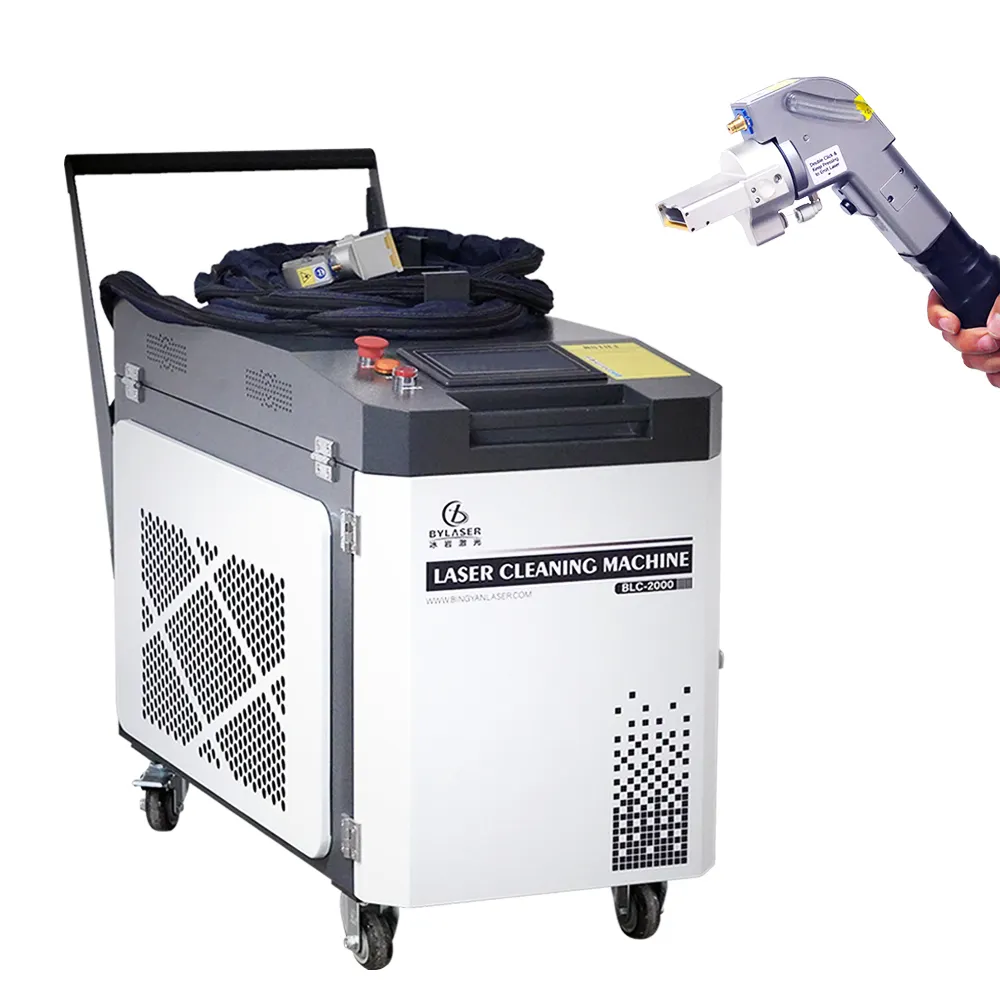
A laser marking machine represents a significant investment in your manufacturing or production facility, requiring systematic care to ensure consistent performance and longevity. Regular maintenance is not optional—it directly impacts marking quality, system reliability, and total cost of ownership. Whether you operate a fiber laser marking system or a CO2 laser marking device, understanding the specific maintenance requirements keeps your equipment running efficiently and extends its operational life significantly.
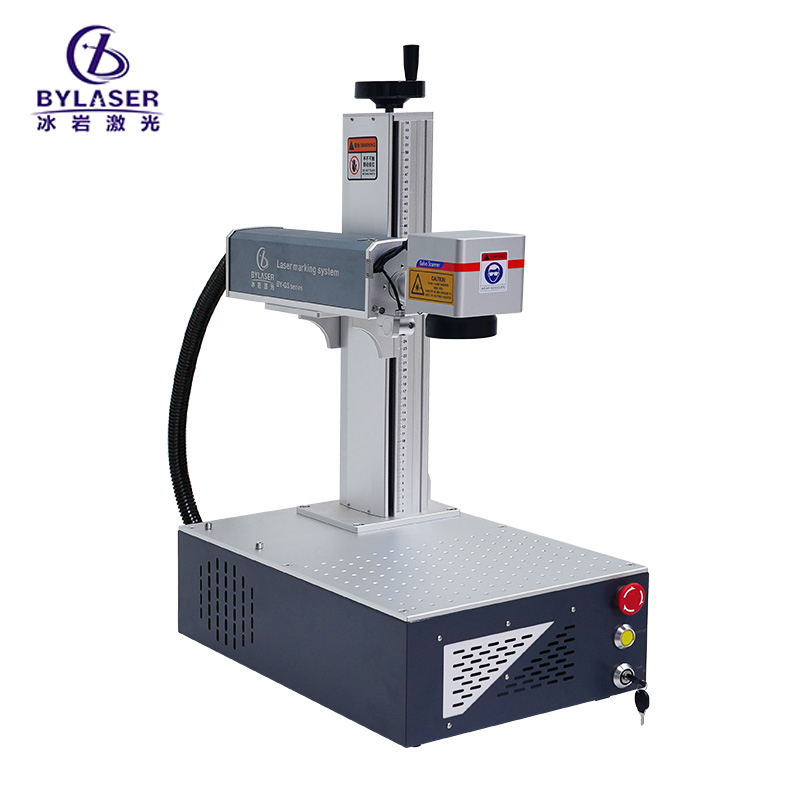
Proper maintenance of your industrial marking system prevents unexpected downtime and maintains mark quality across production runs. Both fiber laser marking and CO2 laser marking systems share common maintenance principles, though each technology has unique requirements based on its operating mechanism and components. Understanding these distinctions helps you develop a targeted maintenance schedule that protects your investment and supports consistent output.
Optical System Care and Cleaning Protocols
Lens and Mirror Maintenance
The optical components in a laser marking machine are critical to marking precision and system performance. Lenses and mirrors accumulate dust, debris, and contaminants that degrade beam quality and reduce marking contrast over time. For fiber laser marking systems, the protective lens requires gentle cleaning with lens paper and approved solvents, typically performed weekly or based on operational hours. CO2 laser marking equipment requires similar care, with particular attention to the mirrors that direct the laser beam through the optical path.
When cleaning optical surfaces, always use anti-reflective lens cleaning solutions and soft, lint-free materials to avoid scratches that permanently damage optical quality. Never use compressed air alone, as particles can embed in the glass surface. For your industrial marking system, establish a cleaning log documenting when cleaning occurs and any observable changes in beam quality or marking definition. This proactive approach identifies potential optical degradation before it affects production output significantly.
Beam Path Alignment and Testing
Beam alignment directly determines marking accuracy and consistency across your laser marking machine. Vibration, thermal cycling, and component wear gradually shift optical alignment, causing marks to move or become distorted. Monthly alignment checks using laser alignment tools help catch drift before it reaches customer-visible thresholds. Both fiber laser marking and CO2 laser marking systems benefit from quarterly professional alignment service, particularly in high-volume production environments where accumulated misalignment compounds quickly.
Testing beam quality involves assessing spot size, uniformity, and focus characteristics. Many industrial marking system operators use test patterns on comparable materials to verify consistency. If marks show shifting edges, variable depth, or inconsistent appearance compared to baseline samples, schedule immediate alignment service. Addressing alignment issues promptly prevents scrapped parts and maintains your production schedule.
Cooling System Maintenance and Temperature Control
Coolant Circulation and Filtration
The cooling system in a laser marking machine removes heat from the laser tube and optical components, maintaining optimal operating temperatures. Inadequate cooling causes performance degradation and dramatically shortens laser tube life. Your fiber laser marking or CO2 laser marking equipment requires regular coolant level checks—typically weekly—and filter replacement based on your equipment manual specifications or when pressure gauges indicate restriction. Contaminated coolant with mineral deposits or biological growth reduces heat transfer efficiency and potentially clogs cooling passages.
Establish a coolant replacement schedule; most industrial marking systems benefit from complete coolant changes every six to twelve months, depending on operational intensity and environmental conditions. Use only approved coolant types specified by your equipment manufacturer, as mixing incompatible coolants creates chemical reactions that damage seals and cause system failures. Monitor coolant temperature during operation—excessive heat indicates cooling inadequacy requiring immediate investigation.
Temperature Sensor Verification
Temperature sensors integrated into your laser marking machine prevent overheating by monitoring component temperatures and triggering shutdowns when limits are exceeded. These sensors occasionally drift or fail, providing false readings that either allow dangerous overheating or trigger unnecessary shutdowns. During routine maintenance, verify sensor functionality by checking displayed temperatures against infrared thermometer readings of actual components. If discrepancies exceed acceptable tolerances, replace the sensor to maintain reliable temperature protection in your industrial marking system.
Component Replacement and Preventive Schedules
Laser Tube and Power Supply Management
The laser tube represents the core generating element in both fiber laser marking and CO2 laser marking equipment. Fiber laser marking systems typically maintain tube performance for 20,000 to 50,000 operating hours before output power diminishes noticeably. CO2 laser marking tubes generally support 10,000 to 15,000 hours before requiring replacement. Tracking cumulative operating hours enables predictive replacement before performance becomes unacceptable, preventing customer delivery delays.
Power supply units in your laser marking machine require less frequent replacement but benefit from thermal stress monitoring. Check for abnormal heat from power supply casings, unusual fan noise, or declining output power—these indicate approaching failure. Maintaining adequate ventilation around power supplies and keeping them clean extends operational life significantly. Plan tube and power supply replacement during scheduled maintenance windows rather than responding to emergency failures.
Optical Coatings and Protective Surfaces
Optical coatings on lenses and mirrors degrade gradually through UV exposure and contact with environmental contaminants. Protective coatings guard against laser damage and maintain reflectivity critical for your industrial marking system's efficiency. When coating degradation becomes visible through increased beam scatter or reduced mark quality, schedule coating replacement or component refurbishment. Many facilities maintain spare coated optics on hand to minimize downtime when replacement becomes necessary.
FAQ
How often should I perform maintenance on my laser marking machine?
Maintenance frequency depends on operational intensity and equipment type. Weekly inspections of coolant levels and lens cleanliness are standard across fiber laser marking and CO2 laser marking systems. Monthly alignment checks catch drift early, while quarterly professional service addresses component wear before failures occur. High-volume production environments may require more frequent intervals. Consult your specific industrial marking system manual for manufacturer-recommended schedules and adjust based on your operational conditions.
What distinguishes maintenance needs between fiber laser marking and CO2 laser marking?
Fiber laser marking systems generate heat internally within the fiber and require precise thermal management to maintain wavelength stability. CO2 laser marking equipment dissipates heat through the tube, requiring robust cooling circulation to the tube itself. Both technologies share optical alignment and cleaning requirements, but cooling system focus differs. Fiber laser marking typically demands less frequent coolant replacement, while CO2 laser marking tubes require more aggressive cooling protocols. Understanding these distinctions helps you prioritize maintenance tasks appropriately for your equipment.
What warning signs indicate my laser marking machine needs immediate service?
Watch for reduced mark quality, inconsistent depth or appearance, visible beam deviation, excessive coolant temperature, or unusual noise from cooling fans. These symptoms indicate misalignment, optical contamination, cooling inadequacy, or component wear requiring immediate attention. Continuing operation with these warning signs risks permanent damage to your laser marking machine and compromises product quality. Address problems promptly to maintain both equipment reliability and your industrial marking system's reputation for consistent output.
