


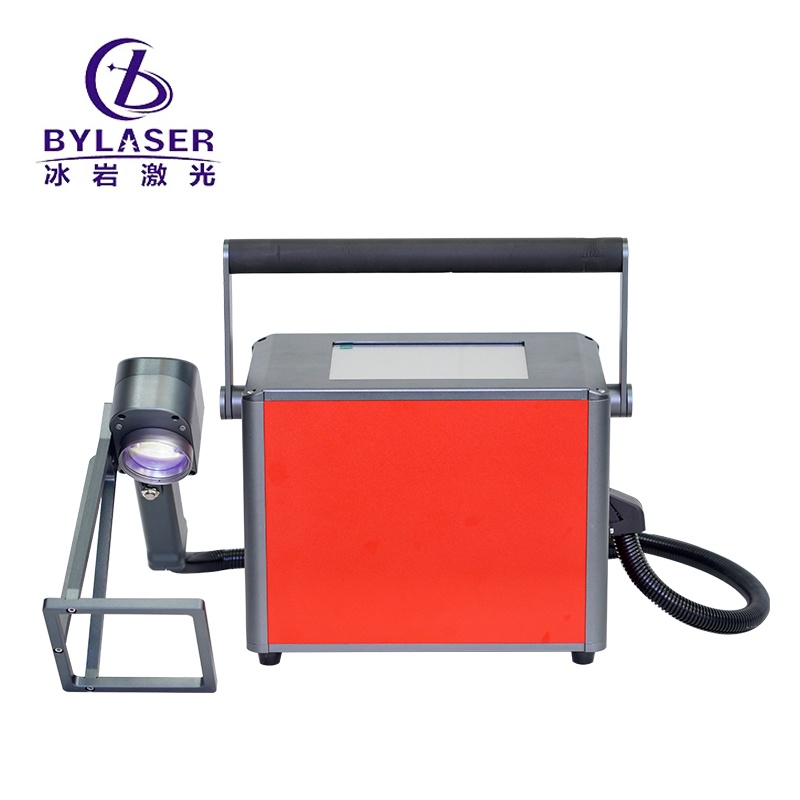
Selecting the right materials for your laser marking machine is critical to achieving consistent, high-quality results while maximizing equipment performance and longevity. Different marking technologies interact with materials in distinct ways, and understanding these interactions helps manufacturers, engineers, and workshop operators make informed decisions about material compatibility, processing parameters, and project feasibility. Whether you work with metals, plastics, ceramics, or composites, knowing how your laser marking machine performs on each substrate is essential for success.
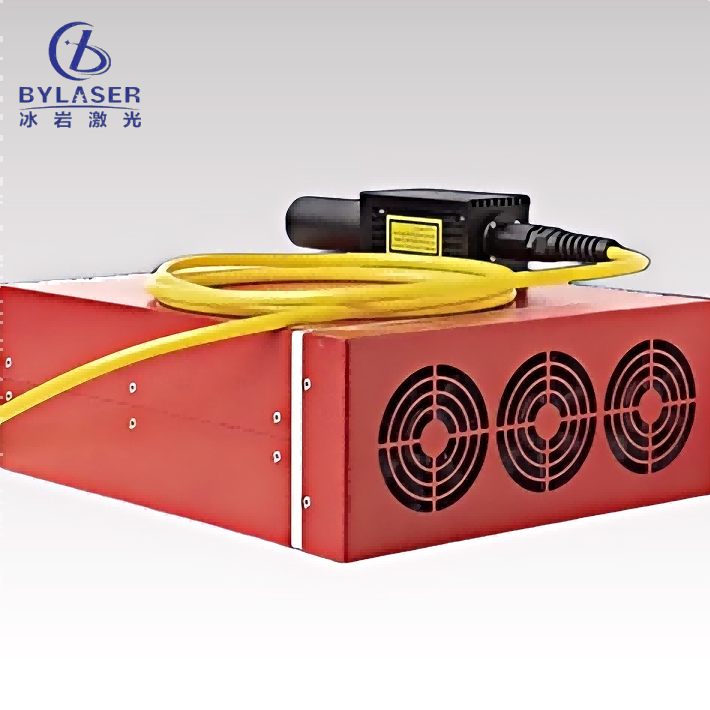
The choice between fiber laser marking, CO2 laser marking, and other industrial marking systems depends on your specific material composition, desired mark quality, production volume, and long-term operational budget. Each laser type has unique wavelength characteristics that determine how effectively it interacts with various substrates. This guide walks through material compatibility for each major laser technology, helping you identify which laser marking machine type best suits your manufacturing environment.
Metals and Fiber Laser Marking Machines
Optimal Metal Substrates for Fiber Laser Marking
Fiber laser marking technology excels on metals, making it the industry standard for metal marking applications across automotive, aerospace, electronics, and medical device manufacturing. Steel, stainless steel, aluminum, titanium, copper, brass, and nickel-based alloys respond exceptionally well to fiber laser marking because the laser wavelength (typically 1064 nanometers) is highly absorbed by metallic surfaces. The focused beam creates precise, permanent marks through melting, oxidation, or annealing without requiring consumable inks, coatings, or mechanical contact that could damage sensitive components.
Ferrous metals such as carbon steel and stainless steel are among the easiest materials to mark with a laser marking machine, producing dark, high-contrast marks that resist fading, chemical corrosion, and wear. Non-ferrous metals like aluminum and copper also mark effectively with fiber laser marking systems, though processing parameters may require adjustment to achieve optimal contrast. Precious metals including gold, silver, and platinum respond predictably to fiber laser marking, making it valuable for jewelry, watchmaking, and luxury goods manufacturing. Hardened tool steels, cast iron, and specialized alloys used in demanding industrial applications all benefit from fiber laser marking's ability to create durable identification without thermal distortion or metallurgical change.
Anodized and Coated Metal Surfaces
Anodized aluminum and other surface-treated metals present unique opportunities for laser marking machines because the anodized layer absorbs laser energy differently than bare metal. Fiber laser marking can produce high-contrast marks on anodized surfaces by selectively removing the colored oxide layer, revealing the underlying metal while preserving the structural integrity of the anodize. This capability makes fiber laser marking ideal for aerospace components, architectural aluminum trim, and consumer electronics where anodized surfaces are prevalent. Paint, powder coating, plating, and other protective finishes also respond to fiber laser marking, allowing manufacturers to create permanent marks on finished products without delamination or adhesion failure.
Non-Metal Materials and CO2 Laser Marking
Organic Materials and CO2 Laser Marking Systems
CO2 laser marking dominates applications involving organic and non-metallic materials because its longer infrared wavelength (approximately 10.6 micrometers) is strongly absorbed by carbon-based compounds, polymers, and natural materials. Wood, leather, rubber, cork, and paper mark beautifully with CO2 laser marking technology, making it essential for personalization, branding, and artistic applications across woodworking, leather goods, packaging, and signage industries. Plastics including acrylic, polycarbonate, polyester, and ABS respond effectively to CO2 laser marking, which can engrave, cut, or mark these materials with precision that mechanical methods cannot achieve.
The CO2 laser marking approach creates marks by vaporizing material or causing surface discoloration through thermal interaction, producing permanent, tamper-proof identification on organic substrates. Textiles, fabrics, and composite materials with organic resin matrices benefit from CO2 laser marking because the technology offers fine detail, no consumables, and reproducible results across batch production. For applications like product serialization, QR code marking, company logos, or decorative personalization on natural materials, an industrial marking system using CO2 technology represents the most cost-effective and versatile solution available to manufacturers serving diverse customer bases.
Ceramics, Glass, and Specialized Substrates
Ceramics and glass present distinct marking challenges because they absorb laser energy differently than metals or organic polymers. CO2 laser marking can create marks on certain ceramic glazes and glass surfaces through thermal stress or surface discoloration, though results vary by specific formulation. A fiber laser marking machine may offer better performance on some ceramic compositions and specialized materials like marble, stone, and certain composites, making it valuable for architectural, artistic, and heritage preservation applications. Manufacturers working with ceramics, glass, or specialty substrates should evaluate both fiber laser marking and CO2 laser marking options through test samples to confirm suitability before committing to production-scale operations.
Selecting Your Industrial Marking System
Matching Laser Technology to Your Production Requirements
Choosing between fiber laser marking, CO2 laser marking, or hybrid industrial marking system configurations requires evaluating material composition, mark quality expectations, production speed, operational costs, and space constraints. If your manufacturing process centers on metal components—whether ferrous, stainless, aluminum, or specialty alloys—fiber laser marking delivers superior contrast, durability, and speed with minimal maintenance and zero consumables. Fiber laser marking machines also handle anodized and coated surfaces exceptionally well, making them versatile solutions for integrated manufacturing environments that process both raw and finished metal parts.
Conversely, if your products include organic materials, polymers, wood, leather, or paper, a CO2-based laser marking machine offers the precision, speed, and mark quality these materials require. Some advanced manufacturing facilities deploy both fiber laser marking and CO2 laser marking systems within the same production environment to serve diverse material portfolios without compromising performance or requiring multiple external vendors. Industrial marking system designers often incorporate modular laser source options, allowing customers to upgrade or reconfigure their equipment as product lines evolve or material requirements change.
Operational Considerations and Long-Term Performance
Beyond material compatibility, fiber laser marking systems typically offer superior electrical efficiency, longer operational lifespan, and lower maintenance requirements compared to CO2 laser marking alternatives. Fiber lasers generate less waste heat, operate effectively in varied ambient temperatures, and tolerate dust and moisture better than CO2 systems, making them suitable for harsh industrial environments including foundries, machine shops, and outdoor manufacturing facilities. CO2 laser marking technology demands more rigorous environmental control, regular mirror alignment, and periodic gas refilling, but delivers unique capabilities on organic materials that fiber systems cannot match. Your choice of industrial marking system ultimately depends on your specific material requirements, facility constraints, production volume, and budget allocation for equipment acquisition and ongoing operational support.
FAQ
Can I use a single laser marking machine for both metals and plastics?
Most single-source systems excel on either metals or organics but not both equally well. Fiber laser marking machines handle metals superbly but struggle with many plastics, while CO2 systems mark plastics beautifully but cannot effectively mark metals. Some advanced industrial marking systems feature switchable or dual laser sources, allowing one platform to handle diverse material portfolios. If your production mix is truly mixed, evaluate modular or hybrid configurations, or plan separate fiber laser marking and CO2 laser marking stations tailored to each material category.
What surface finish do laser markings have on different materials?
Fiber laser marking on metals creates smooth, polished marks through melting or oxidation, producing high-contrast results ideal for part identification and traceability. CO2 laser marking on organics typically creates matte, vaporized surfaces that feel slightly etched or engraved depending on mark depth. On anodized aluminum or coated metals, fiber laser marking reveals bright bare metal beneath the surface layer, producing striking visual contrast. Glass and ceramics may show subtle thermal stress marks or frosted effects. Testing actual samples under your intended processing parameters ensures the mark appearance meets your aesthetic and functional specifications.
How do I maintain my laser marking machine for consistent results?
Fiber laser marking systems require minimal maintenance—primarily monitoring optics for dust accumulation and ensuring electrical connections remain secure. CO2 laser marking machines demand regular mirror alignment, periodic laser tube replacement, and CO2 gas level monitoring to sustain performance. Both systems benefit from stable operating environments, adequate cooling airflow, and periodic inspection of marking heads or focusing lenses. Following the equipment manufacturer's maintenance schedule and keeping detailed processing records helps identify drift and prevents mark quality degradation. Preventive maintenance extends equipment lifespan and reduces unexpected downtime across your industrial marking system investment.
