


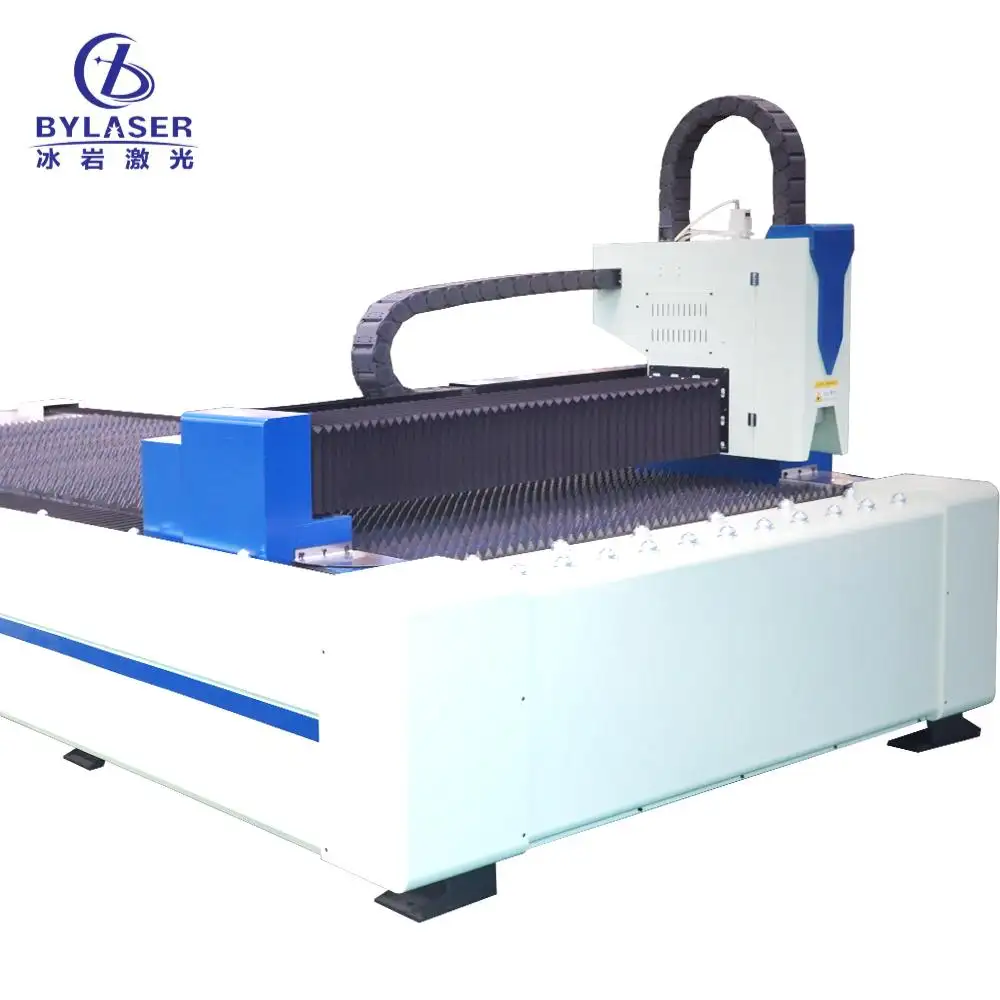
Selecting the right laser cutting machine is one of the most critical decisions for manufacturing operations, fabrication shops, and design businesses. The wrong choice can lead to wasted capital, missed production deadlines, and poor cut quality. Each laser technology serves different materials, production volumes, and precision requirements. Understanding your specific needs before making an investment ensures you acquire equipment that delivers both efficiency and profitability.
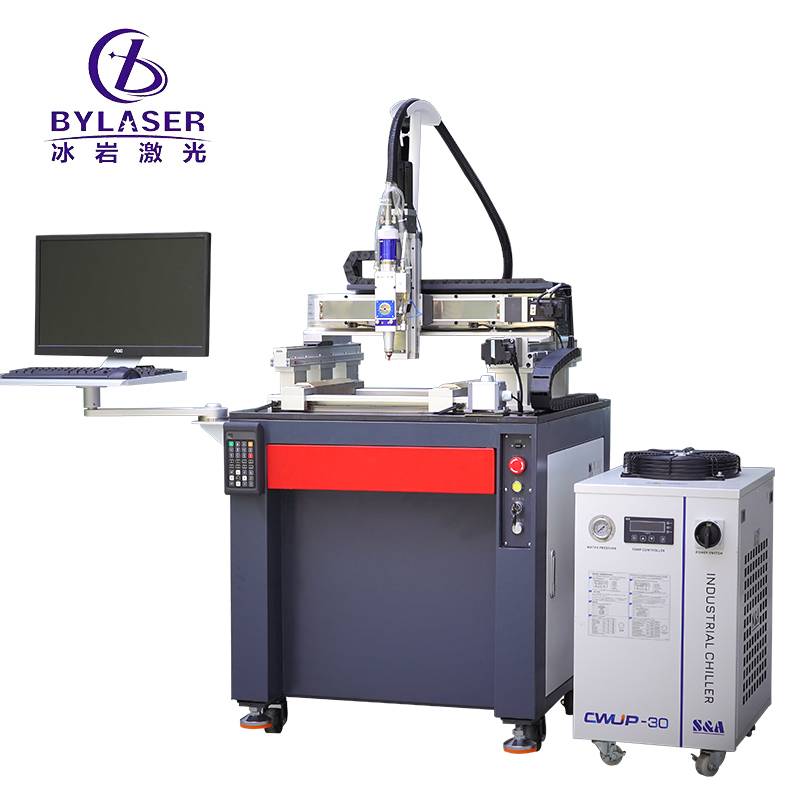
The market offers multiple laser cutting technologies, each with distinct advantages. Fiber laser cutters excel at processing metals with speed and precision, while CO2 laser cutting systems dominate in nonmetal applications like acrylic, wood, and textiles. Understanding these differences, along with your production requirements and budget constraints, empowers you to make an informed decision that aligns with your long-term business goals.
Understanding Laser Technology Types
Fiber Laser Cutter Technology and Applications
Fiber laser cutters utilize solid-state laser technology that generates a beam through fiber-optic cables. This technology is exceptionally efficient at cutting and engraving metals, including aluminum, copper, stainless steel, and brass. A fiber laser cutter operates at high beam quality and maintains consistent power output, making it ideal for high-volume production environments. The compact design and lower maintenance requirements make fiber laser cutters popular in job shops and contract manufacturers who demand reliability and speed.
Metal fabrication businesses benefit significantly from fiber laser cutters because of their superior edge quality and minimal material waste. The cutting speed for metals using a fiber laser cutter typically ranges from three to five times faster than traditional mechanical cutting methods. This performance advantage translates directly into higher throughput and reduced production costs per part.
CO2 Laser Cutting for Organic Materials
CO2 laser cutting systems use a gas-based laser tube filled with carbon dioxide mixed with nitrogen and helium. These systems excel at cutting and engraving organic materials such as wood, acrylic, leather, fabric, and paper. CO2 laser cutting provides exceptional versatility for signage producers, architectural firms, and craft-oriented businesses. The wavelength of CO2 lasers is well-absorbed by these materials, producing clean, precise cuts with minimal thermal damage to surrounding areas.
For businesses working primarily with nonmetals, CO2 laser cutting offers superior economics and performance compared to fiber technology. The initial equipment cost is often lower, and operating costs remain manageable for businesses with moderate to high production volumes of organic material cutting.
Key Selection Criteria for Your Operation
Material Compatibility and Cutting Requirements
Begin your evaluation by identifying the primary materials your operation must process. If your business focuses on laser cut metal components, a fiber laser cutter delivers the best speed, edge quality, and long-term value. If your work involves wood, acrylic, textiles, or leather, CO2 laser cutting technology is more appropriate and cost-effective. Some advanced operations maintain both technologies to serve diverse customer needs.
Consider the thickness range and edge quality your applications demand. Fiber laser cutters handle thick metals efficiently, while CO2 systems may struggle with materials thicker than one-quarter inch. Conversely, CO2 laser cutting produces superior engraving quality on wood and creates less material discoloration on heat-sensitive materials.
Production Volume and Speed Requirements
Your annual production volume directly influences which laser cutting machine type makes financial sense. High-volume metal cutting operations justify the investment in a fiber laser cutter because the speed advantage generates rapid payback. Low-volume custom job shops may find a smaller, less expensive CO2 system more appropriate for their business model.
Evaluate your peak production demands and seasonal variations. A laser cutting machine must handle your maximum throughput without becoming a bottleneck. Cutting speed, bed size, and automation features all factor into your production capacity. Undersizing the equipment leads to missed opportunities and customer dissatisfaction, while oversizing wastes capital on unnecessary capability.
Space, Budget, and Operating Costs
Physical space constraints often influence laser cutting machine selection. Fiber laser cutters typically occupy less floor space than comparable CO2 systems, making them suitable for shop environments with limited real estate. However, cooling requirements and electrical infrastructure vary by model and power rating.
Budget considerations extend beyond purchase price to include installation, training, maintenance, and consumables. Fiber laser cutters generally require less maintenance and have lower ongoing costs despite higher initial investment. CO2 laser cutting systems incur recurring expenses for gas refills and mirror replacements. Factor in the total cost of ownership over five to ten years, not just the sticker price.
Practical Implementation and Vendor Evaluation
Testing and Demonstration Before Purchase
Never purchase a laser cutting machine without first testing it with your actual materials and specifications. Request manufacturer demonstrations using your design files and material samples. This hands-on evaluation reveals whether the equipment meets your edge quality standards, cutting speed expectations, and precision requirements. Many manufacturers offer trial periods or can arrange visits to existing customer sites where you can observe the system in operation.
Evaluate how intuitive the software interface is for your team. Poor user experience creates training overhead and mistakes. Test whether the laser cutting machine integrates smoothly with your existing CAD software and workflow processes. Post-purchase troubleshooting becomes much easier when the vendor's system aligns with your operations.
Vendor Support and Long-Term Reliability
Assess the manufacturer's warranty coverage, technical support availability, and spare parts supply chain. A reliable laser cutting machine from a responsive vendor prevents costly downtime and production delays. Check whether the supplier maintains local service technicians or requires remote assistance only. Vendor reputation in your industry provides valuable insight into real-world reliability and customer satisfaction.
Request references from existing customers who operate similar equipment. Ask about their experience with maintenance, repair turnaround times, and vendor responsiveness. These conversations reveal practical considerations that specification sheets alone cannot convey, helping you avoid vendors with poor service records.
FAQ
What is the main difference between a fiber laser cutter and CO2 laser cutting?
The primary difference lies in their wavelength and material compatibility. Fiber laser cutters use solid-state technology optimized for metals, delivering superior speed and edge quality for steel, aluminum, and brass. CO2 laser cutting systems use gas-based technology that performs better on organic materials like wood, acrylic, leather, and textiles. Your material focus determines which technology serves your business best.
How much does a laser cut metal operation typically cost to set up?
A fiber laser cutter suitable for laser cut metal production ranges from twenty thousand to one hundred fifty thousand dollars, depending on power rating and bed size. Entry-level systems start around twenty thousand, while production-grade equipment capable of handling high-volume work costs sixty thousand to one hundred fifty thousand dollars. CO2 laser cutting equipment costs generally fall between ten thousand and eighty thousand dollars. Total cost of ownership includes installation, training, software, maintenance, and consumables over the equipment's lifetime.
Can a single laser cutting machine handle both metal and nonmetal materials?
Fiber laser cutters can process some nonmetals, but they excel specifically at metals and perform poorly on materials like wood and fabric. CO2 laser cutting systems cannot effectively cut metals. Businesses requiring both capabilities typically maintain separate equipment. Some operations invest in a fiber laser cutter for metal work and a CO2 laser cutting system for their nonmetal applications, allowing them to serve diverse customer needs and maximize equipment utilization.
