


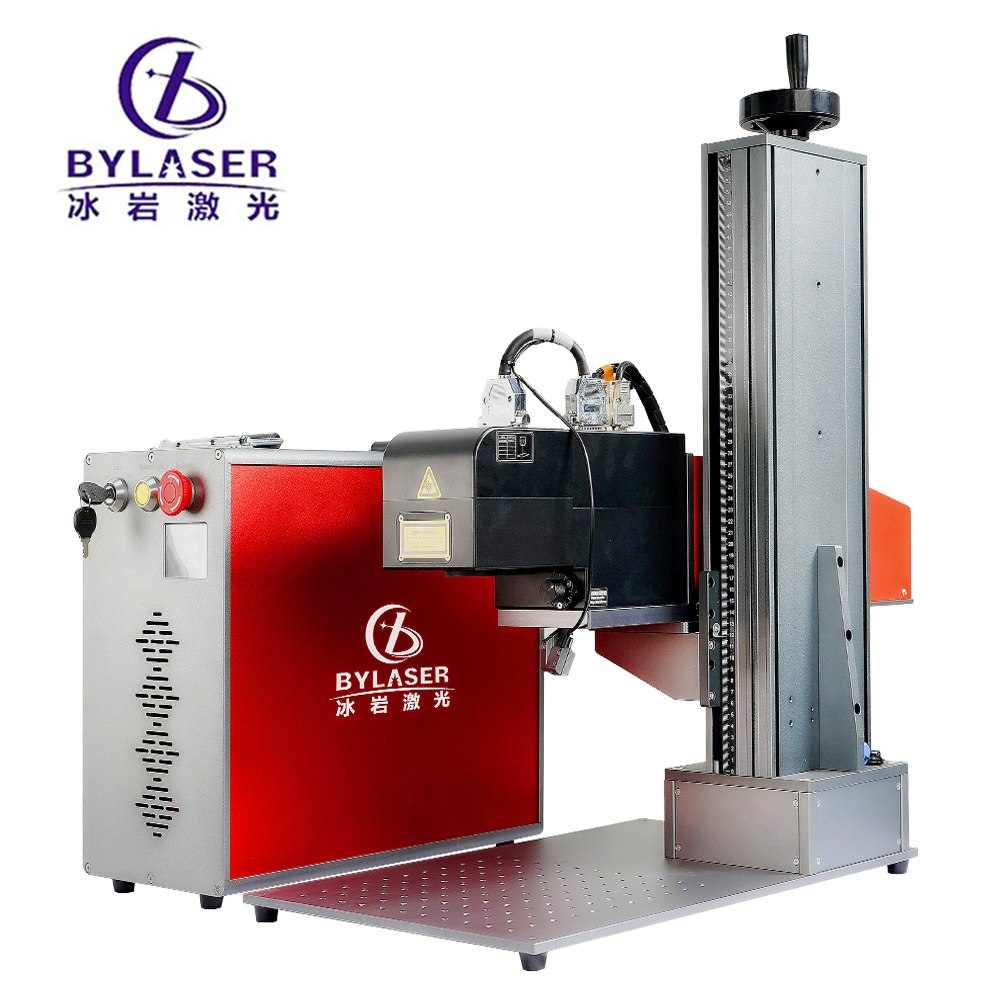
Operating a laser cutting machine represents a significant investment for industrial and manufacturing businesses. Understanding the total cost of ownership goes beyond the initial purchase price and includes energy consumption, maintenance, material waste, labor, and facility requirements. A comprehensive cost analysis helps businesses determine whether laser technology aligns with their production goals and budget constraints. The expenses associated with running a laser cutting machine vary based on equipment type, production volume, and operational efficiency, making it essential to evaluate all cost factors before committing to this technology.
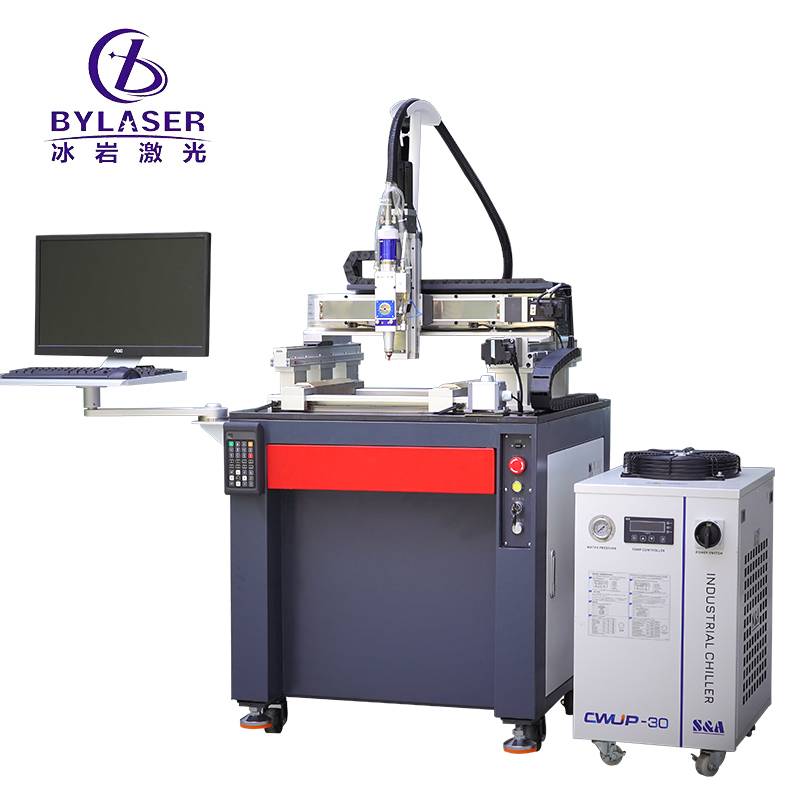
The operating costs of a laser cutting machine depend on multiple factors including machine type, cutting capacity, and daily utilization rates. Both fiber laser cutter and CO2 laser cutting systems have distinct cost profiles that impact long-term financial planning. Organizations must account for electricity usage, maintenance schedules, spare parts inventory, consumables, and operator training to calculate true operational expenses. This guide breaks down each cost component and provides practical insights for estimating your total investment in laser cutting technology.
Initial Equipment and Installation Costs
Machine Purchase Price
The primary capital expense is purchasing the laser cutting machine itself. Fiber laser cutter systems typically range from tens of thousands to several hundred thousand dollars depending on cutting power and work surface dimensions. CO2 laser cutting equipment generally falls in a similar price range, though specific pricing varies by manufacturer specifications and market conditions. Entry-level machines for small businesses and startups usually cost less than industrial-grade systems designed for high-volume production. Installation, calibration, and setup fees add between five and fifteen percent to the base machine cost and should be included in your initial budget.
Facility Preparation and Infrastructure
Installing a laser cutting machine requires dedicated facility space, electrical infrastructure, and ventilation systems. Workspace modifications including reinforced flooring, electrical panels, water cooling systems, and air extraction equipment represent significant additional expenses. A fiber laser cutter typically demands less ventilation capacity than CO2 laser cutting systems, potentially reducing facility costs. Specialized tables, positioning equipment, and safety enclosures must meet industrial standards and regulations. Budget an additional twenty to forty percent of equipment cost for facility preparation to ensure proper installation and safe operation.
Energy and Operational Expenses
Electricity Consumption
Electricity consumption represents the largest ongoing operational cost for any laser cutting machine. Fiber laser cutter systems consume between three and eight kilowatts during active cutting operations, while CO2 laser cutting equipment typically uses between four and twelve kilowatts. Running costs depend on electricity rates in your region, which range from eight to fifteen cents per kilowatt-hour across North America. Operating a laser cutting machine for eight hours daily translates to monthly electricity bills between fifteen hundred and four thousand dollars depending on system type and power intensity. Seasonal variations and peak-hour pricing may increase costs during high-demand periods, so consider this variability in your annual budget projections.
Cooling and Support Systems
Most laser cutting machines require active cooling systems to maintain optimal performance and prevent heat damage. Water-cooled systems demand regular maintenance including filter changes, chemical treatments, and coolant replacement occurring every three to six months. Air-cooled alternatives reduce cooling costs but may limit cutting speed and maximum power output. Compressed air systems for assist gas and machine operation add supplementary energy expenses to your monthly operational budget. Plan to allocate five hundred to one thousand five hundred dollars annually for cooling system maintenance, depending on laser cutting machine configuration and usage intensity.
Maintenance, Materials, and Labor Costs
Maintenance and Parts Replacement
Regular maintenance ensures your laser cutting machine operates efficiently and maintains cutting precision. Consumable parts including focus lenses, protective windows, and nozzles require replacement every two to six months based on cutting volume and material types processed. Fiber laser cutter systems typically have lower maintenance costs than CO2 laser cutting systems due to fewer moving parts and reduced wear. Annual maintenance contracts range from three thousand to eight thousand dollars for industrial machines and include scheduled inspections, lubrication, alignment checks, and calibration. Emergency repairs outside warranty periods can cost thousands of dollars, making preventive maintenance financially advantageous over reactive repairs.
Material and Assist Gas Expenses
Operating a laser cutting machine requires assist gases including nitrogen, oxygen, or compressed air to achieve optimal cutting quality. Monthly gas cylinder purchases or bulk supply contracts add two hundred to six hundred dollars to operational expenses depending on cutting volume. Material waste during laser cut metal processing and other materials represents another cost factor, typically ranging from three to fifteen percent of material consumption depending on nesting efficiency and design complexity. These consumable costs scale directly with production volume, so increasing cutting output proportionally increases monthly material and gas expenses.
Labor and Training Investment
Skilled operators are essential for maximizing laser cutting machine productivity and maintaining safety standards. Initial operator training requires twenty to forty hours of instruction, costing between five hundred and two thousand dollars depending on training provider and complexity level. Ongoing technical staff for maintenance, troubleshooting, and process optimization adds permanent labor costs to your operational budget. Salaries for laser equipment operators typically range from thirty-five thousand to fifty-five thousand dollars annually depending on experience, location, and specialization. Training new operators whenever team turnover occurs ensures continuous productivity but represents recurring training investments throughout the machine's operational life.
Production Efficiency and Hidden Costs
Setup Time and Material Waste
Each cutting job requires setup time for fixture installation, alignment, and laser calibration, typically consuming thirty minutes to two hours depending on design complexity. Material preparation including cutting, sorting, and handling before laser processing adds labor hours to each production cycle. Scrap material from laser cut metal and other materials represents waste costs that reduce overall profitability if not properly managed through nesting optimization. Test runs and process validation consume material and machine time without generating revenue, particularly during job transitions or new material introduction. Minimizing waste through efficient design files and optimized nesting strategies significantly reduces true operational costs per unit produced.
Downtime and Emergency Repairs
Unexpected equipment failures disrupt production schedules and generate lost revenue during downtime periods. Laser cutting machine repairs can take days or weeks if replacement parts require ordering or specialized technician availability. Maintaining spare parts inventory including backup lenses, nozzles, and electronic components requires storage space and capital investment but enables faster repairs. Service contracts with guaranteed response times cost more upfront but reduce expensive downtime costs. Many manufacturers experience one to three weeks of unplanned downtime annually, translating to significant hidden costs beyond direct repair expenses.
FAQ
What is the average monthly operating cost for a laser cutting machine?
Average monthly operating costs for a fiber laser cutter range from two thousand to four thousand five hundred dollars when including electricity, maintenance, materials, and labor allocation. Larger CO2 laser cutting systems can exceed five thousand dollars monthly due to higher power consumption and maintenance requirements. Small startup operations might operate at one thousand to two thousand five hundred dollars monthly with part-time operators and lower production volumes. These estimates assume moderate production schedules of twenty to thirty operating hours weekly and routine preventive maintenance compliance.
How do fiber laser cutter costs compare to CO2 laser cutting expenses?
Fiber laser cutter systems typically cost ten to twenty percent more initially but offer lower operational expenses due to reduced energy consumption and minimal maintenance requirements. CO2 laser cutting equipment has lower upfront costs but generates higher monthly electricity bills and requires more frequent maintenance and consumable replacement. Fiber systems excel at laser cut metal and reflective materials, while CO2 systems work better on organic materials like wood and acrylic. Long-term cost comparison favors fiber systems for metal-focused operations over five to seven year ownership periods.
Can operating costs be reduced without sacrificing productivity?
Operating costs decrease significantly through process optimization including improved nesting efficiency, optimized cutting parameters, and reduced material waste. Preventive maintenance extends equipment lifespan and prevents costly emergency repairs that disrupt production schedules. Training operators on energy-efficient settings and proper machine operation reduces waste and electricity consumption. Bulk purchasing of consumables and assist gases often provides volume discounts lowering monthly expenses. Regular maintenance prevents small problems from becoming expensive failures, making scheduled servicing one of the most effective cost-reduction strategies.
