


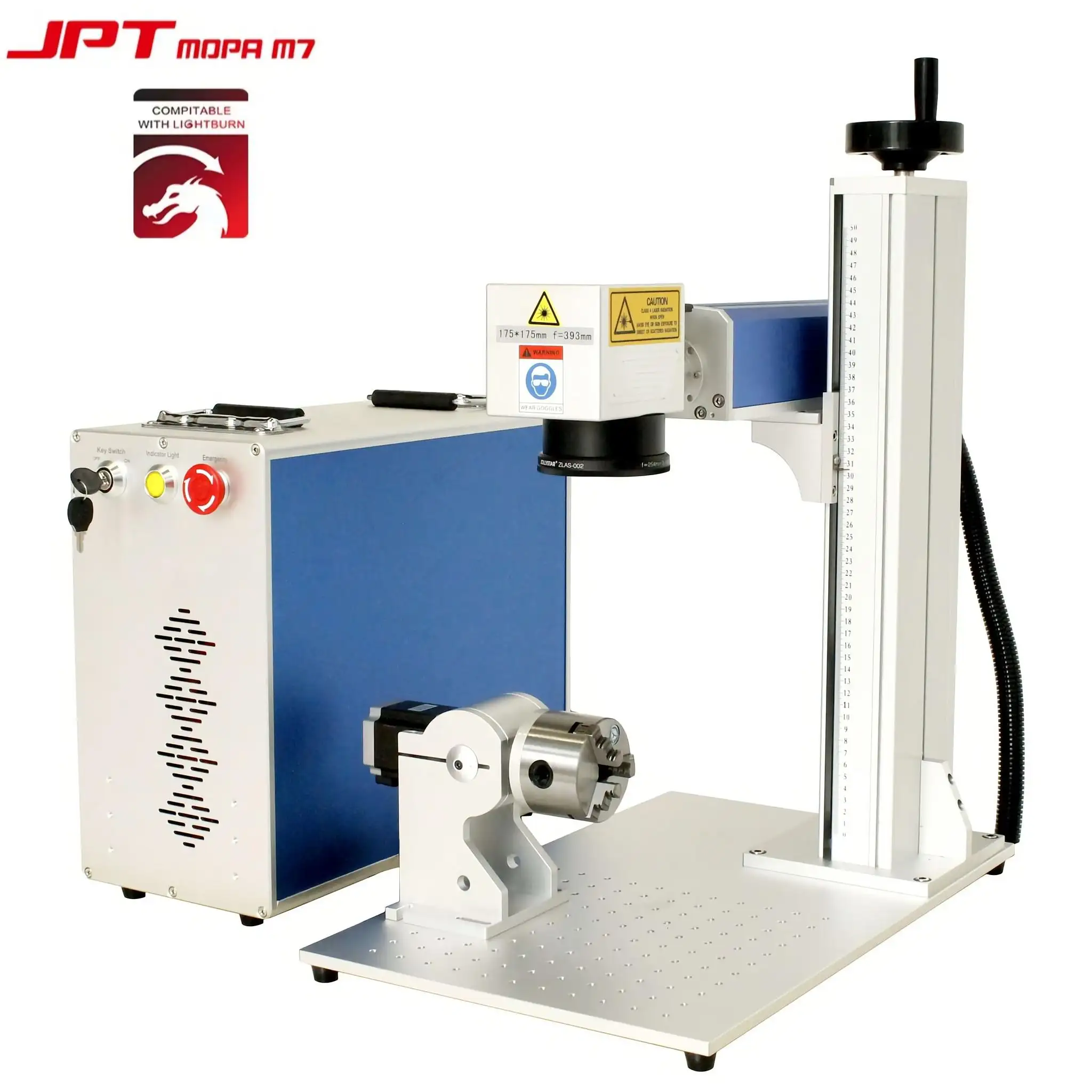
Thermal management is a critical consideration for any industrial marking system, and understanding the cooling requirements of your equipment directly impacts performance, reliability, and operational costs. A laser marking machine generates substantial heat during operation, and without proper cooling infrastructure, the system risks component degradation, reduced marking precision, and shortened equipment lifespan. The type and capacity of cooling system you need depends on several factors including laser power, duty cycle, ambient conditions, and the specific marking technology employed.
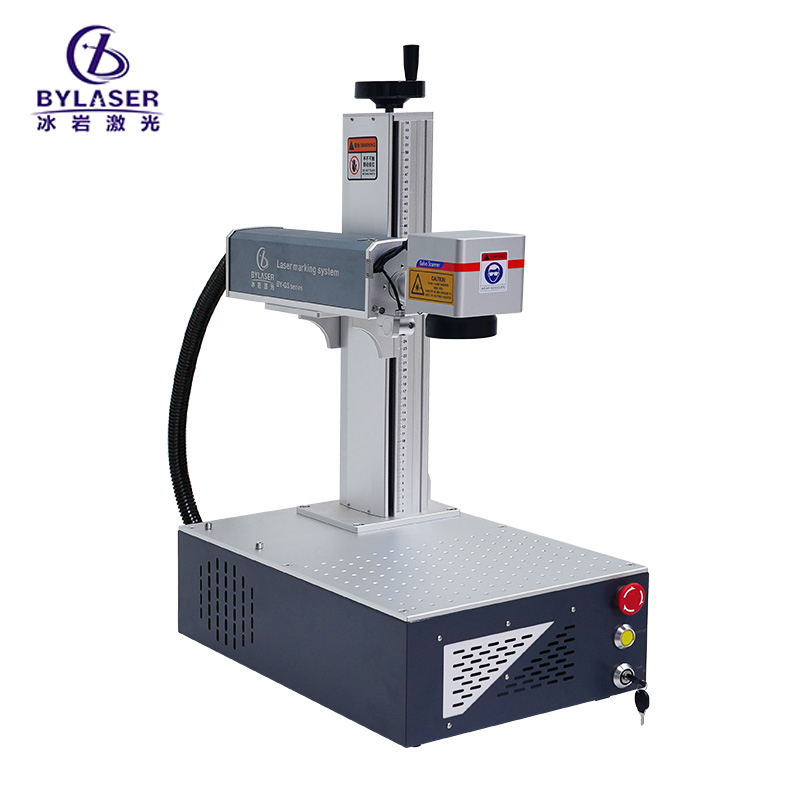
Whether you operate a fiber laser marking system or a CO2 laser marking application, heat dissipation remains one of the most overlooked design factors in industrial production environments. Undersized cooling systems lead to thermal throttling, where the laser automatically reduces power to prevent overheating. This compromise directly affects marking quality and throughput. Proper cooling also extends the operational life of optical components, particularly mirrors and lenses that are sensitive to temperature fluctuations.
Understanding Heat Generation in Laser Marking Equipment
Heat Sources in Fiber and CO2 Systems
Every laser marking machine produces heat as a byproduct of energy conversion. In a fiber laser marking system, the fiber laser tube itself generates significant thermal energy alongside the electrical components that drive it. CO2 laser marking systems produce heat in both the gas discharge tube and the supporting electronics. The amount of waste heat correlates directly with laser power output and duty cycle. A 50-watt fiber laser marking source operating at full capacity for extended periods generates roughly 150–200 watts of heat that must be removed from the system, depending on electrical efficiency.
An industrial marking system also produces heat in auxiliary components including power supplies, control boards, galvanometer mirrors, and optical scanning heads. This distributed thermal load means that cooling cannot be addressed by targeting the laser tube alone. The entire enclosure and supporting infrastructure must work together to maintain optimal operating temperatures. Without adequate thermal management, hot spots develop in sensitive areas, causing misalignment and drift that compromises marking precision.
Thermal Load Calculation Basics
Determining the correct cooling capacity requires calculating the total thermal load of your laser marking machine. Start with the laser tube efficiency rating provided by the manufacturer. If a fiber laser marking source operates at 40% electrical efficiency with a 100-watt output, approximately 150 watts of heat must be dissipated. Add thermal contributions from the power supply (typically 10–20% additional loss), control electronics, and auxiliary cooling of optical components. Most industrial marking system designers apply a 1.25 safety factor to the calculated thermal load, meaning a system with 200 watts of calculated heat should be sized for 250-watt cooling capacity to maintain operational headroom.
Cooling System Types and Selection Criteria
Air-Cooled Solutions
Air cooling is the most common approach for compact laser marking machines and small to medium-power CO2 laser marking applications. An air-cooled industrial marking system uses forced convection with fans to pull ambient air across heat-dissipating fins or radiators mounted on the laser tube and electronics enclosure. This approach requires minimal infrastructure, no external water connections, and offers easy installation in most factory environments. Air cooling works well for systems with average thermal loads below 300 watts and duty cycles that allow periodic cooling periods.
The main limitation of air cooling is its dependence on ambient temperature. In hot factory environments or during summer months, air-cooled systems may struggle to maintain optimal operating temperature, particularly if the ambient exceeds 30°C. Additionally, dust and particulates in manufacturing areas can clog cooling fins, reducing efficiency over time. For this reason, air-cooled laser marking machines typically include washable air filters and require regular maintenance schedules.
Water-Cooled Systems
Water cooling delivers superior thermal management for high-power fiber laser marking and CO2 laser marking applications. A water-cooled laser marking machine circulates temperature-controlled water through a closed loop that absorbs heat from the laser tube and optical components. Water has a heat capacity roughly 3,500 times greater than air, allowing smaller volume flow rates to achieve equivalent cooling performance. Industrial marking systems operating above 500 watts typically employ water cooling to maintain consistent temperature stability and achieve full rated power during continuous operation.
Water-cooled installations require a dedicated chiller unit that maintains water temperature within a narrow band, typically ±2°C. This precision cooling preserves laser wavelength stability and ensures consistent marking quality across long production runs. The chiller adds capital cost and requires electrical power, but the investment returns through improved productivity and reduced downtime. Many modern industrial marking systems feature integrated water cooling designed for factory environments with standard electrical infrastructure.
Hybrid and Custom Solutions
Some advanced laser marking machine configurations use hybrid approaches combining air and water cooling for different subsystems. The laser tube may employ water cooling while auxiliary electronics use air-cooled dissipation. Custom solutions are sometimes engineered for unique industrial marking system applications, such as marking machines integrated into assembly lines where space constraints or production requirements demand specialized thermal management. These custom configurations are typically developed in consultation with equipment manufacturers who understand your specific operational demands.
Practical Implementation and Maintenance Considerations
Installation Best Practices
Proper installation of your laser marking machine's cooling system directly determines its effectiveness. For air-cooled systems, ensure adequate clearance around ventilation inlets and outlets—at least 15 centimeters of open space prevents recirculation of hot air. Position the marking machine away from direct sunlight and other heat sources when possible. For water-cooled fiber laser marking or CO2 laser marking installations, use high-quality tubing rated for the operating pressure, typically 2–4 bar in industrial systems, and ensure all connections are secure to prevent leaks near electrical components.
Temperature monitoring is essential for any laser marking machine. Modern systems include thermistors that trigger power reduction or shutdown if temperatures exceed safe limits. Some industrial marking systems feature smart temperature logging that records thermal data for preventive maintenance analysis. Establish baseline temperature readings during the first week of operation so you can recognize when cooling efficiency begins to degrade.
Maintenance and Troubleshooting
Regular maintenance keeps your laser marking machine operating at peak efficiency. For air-cooled systems, inspect and clean intake filters monthly in dusty environments or quarterly in cleaner spaces. Water-cooled systems require checking coolant levels monthly and replacing coolant annually or per manufacturer specification—contaminated coolant can cause blockages in narrow cooling passages. Inspect hoses and connections for cracks or leaks before they cause damage.
If your laser marking machine experiences thermal throttling—where output power unexpectedly decreases—first verify that cooling fans are operating normally and filters are clean. Check that ambient temperature remains within the rated operating range. If a water-cooled system shows temperature instability, the chiller may require servicing. Monitor for unusual noise from cooling fans, which can indicate bearing wear requiring replacement.
FAQ
What is the typical cooling capacity needed for a 50-watt fiber laser marking system?
A 50-watt fiber laser marking system with 40% electrical efficiency generates approximately 75 watts of waste heat from the laser tube alone, plus additional thermal load from electronics. Plan for a cooling capacity of 150–200 watts total to maintain stable operating temperature during continuous operation. This can be achieved through either a robust air-cooled design or a modest water-cooled chiller.
Can CO2 laser marking equipment operate without active cooling in a climate-controlled facility?
Low-power CO2 laser marking applications under 20 watts can sometimes operate with passive cooling or minimal active cooling if the ambient environment remains below 25°C. However, even modest CO2 laser marking installations benefit from active air cooling to maintain consistency and preserve component lifespan. Any industrial marking system operating in variable temperature conditions should include active thermal management to ensure reliable performance.
How often should water cooling systems be serviced on an industrial marking system?
Water-cooled laser marking machines should be inspected monthly for leaks and pressure stability, with coolant replacement annually or as specified by the chiller manufacturer. Some industrial marking system operators in demanding environments perform quarterly coolant analysis to detect early signs of contamination. Regular preventive maintenance prevents costly thermal-related shutdowns and extends overall system reliability.
