


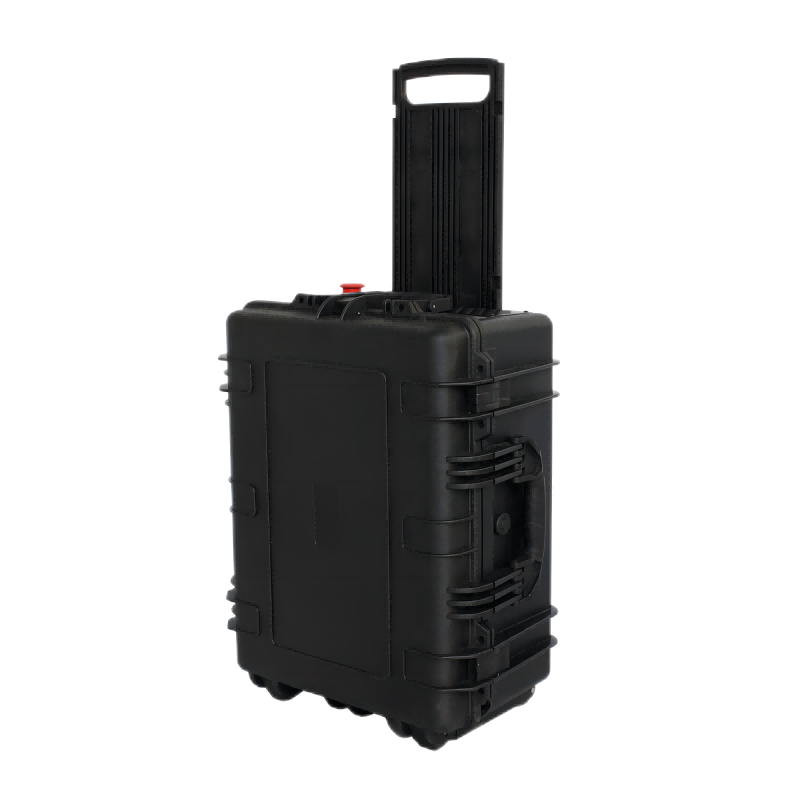
A pulse laser cleaning machine is an advanced industrial technology that uses concentrated light energy to remove rust, paint, contaminants, and oxidation from surfaces without chemical solvents or abrasive methods. Unlike traditional cleaning approaches, this technology delivers energy in short, controlled pulses that vaporize unwanted material while preserving the substrate underneath. The pulse laser cleaning machine has become essential in manufacturing, aerospace, automotive, and construction industries where precision and material preservation are critical.
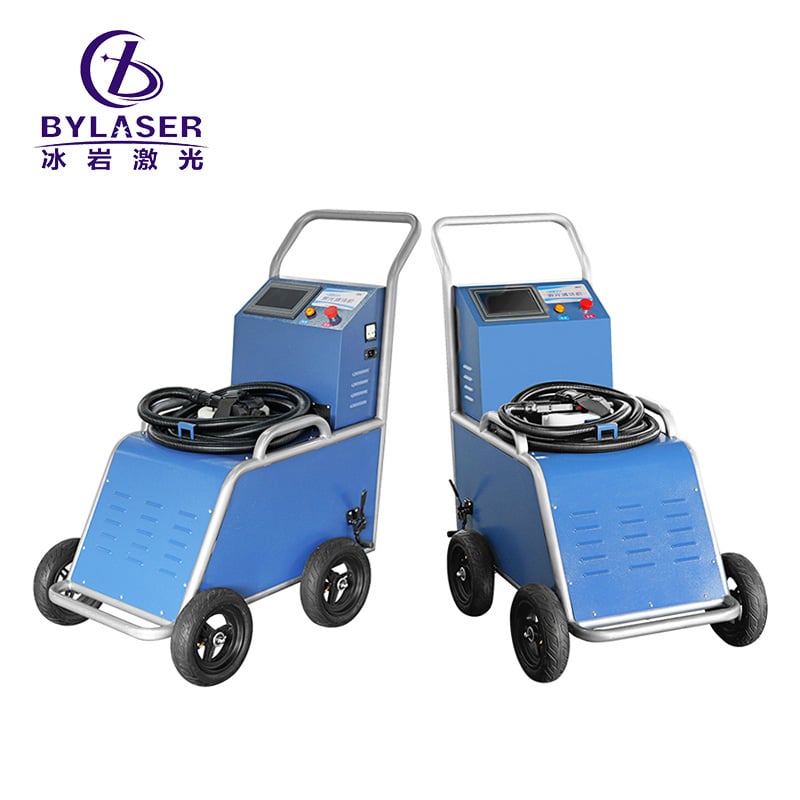
The core function of fiber laser surface cleaning relies on the photoacoustic and photothermal effects created when laser pulses strike contaminated surfaces. Each pulse generates acoustic waves that dislodge particles and rust without thermal damage to the base material. This controlled energy release makes pulsed laser rust removal far more effective than grinding or sandblasting, which can degrade component integrity and create secondary waste streams that require environmental management.
How Pulse Laser Cleaning Technology Works
Pulsed Energy Release and Surface Interaction
A pulse laser cleaning machine operates by concentrating high-power laser light into extremely short time intervals, typically measured in microseconds to nanoseconds. When these pulses hit a contaminated surface, the energy is absorbed by rust, paint, or foreign matter layers. The rapid temperature spike causes the unwanted material to ablate, or vaporize, and separate from the underlying substrate. The key advantage of pulsed laser rust removal is its precision: the pulse duration is so brief that the base material receives minimal thermal influence, preventing warping, discoloration, or metallurgical changes.
Fiber Laser Surface Cleaning Mechanism
Fiber laser technology powers most modern pulse laser cleaning machines because of its efficiency, wavelength compatibility with oxides and rust, and beam quality. The fiber laser generates light at 1064 nanometers, a wavelength optimized for interaction with contamination layers. Industrial laser contamination removal systems using fiber lasers deliver consistent, repeatable results across diverse materials including steel, aluminum, copper, and composite surfaces. The laser beam is typically delivered through a flexible fiber optic cable to a handheld or robotic scan head, allowing operators to treat complex geometries and hard-to-reach areas with precision.
Applications and Industrial Benefits
Manufacturing and Maintenance Use Cases
Industrial laser contamination removal is transforming maintenance routines in manufacturing plants. Before welding or adhesive bonding operations, surfaces must be free of oxides and contaminants to ensure joint strength and reliability. A pulse laser cleaning machine can clean components in seconds without chemicals, solvents, or downstream waste processing. Aerospace suppliers use fiber laser surface cleaning to prepare turbine blades and structural components, where surface integrity is non-negotiable. In automotive production, pulsed laser rust removal eliminates preprocessing delays and reduces the environmental burden of chemical cleaners.
Economic and Environmental Advantages
Investment in a pulse laser cleaning machine typically yields rapid return through labor efficiency, waste reduction, and improved product quality. Unlike abrasive blasting, which generates dust clouds and requires containment infrastructure, industrial laser contamination removal operates with minimal environmental footprint. No hazardous chemical disposal is required, no water consumption for wet cleaning, and no sandblasting residue to manage. The pulsed laser rust removal process is also safer for operators: no noise exposure, no respiratory hazards, and no chemical contact. Maintenance costs are lower because the pulse laser cleaning machine has fewer moving parts than rotary or reciprocating cleaning systems.
Key Performance Parameters and Selection Factors
Power, Frequency, and Cleaning Speed
The effectiveness of a pulse laser cleaning machine depends on laser power, pulse frequency, and pulse duration. Higher power outputs enable faster cleaning on thicker contamination layers. Pulse frequency—measured in kilohertz—determines how many impacts per second strike the surface; typical ranges are 20 kHz to 100 kHz. Fiber laser surface cleaning systems with adjustable pulse duration allow operators to fine-tune the ablation process for different materials and contamination types. Pulsed laser rust removal performance improves with optimal frequency settings: too low a frequency leaves material partially cleaned, while excessively high frequency may scatter energy without deep cleaning effect.
Beam Delivery and Targeting Precision
A pulse laser cleaning machine must deliver its beam to the target surface with precision and consistency. Scan head accuracy, focal lens quality, and beam diameter all influence cleaning uniformity and efficiency. Industrial laser contamination removal systems often include optical sensors and camera systems to detect target position and beam focus in real time. The ability to adjust the spot size—typically ranging from 1 to 5 millimeters—allows operators to work on intricate patterns, channels, or large flat surfaces with equal effectiveness. Robotic integration amplifies these capabilities, enabling the pulse laser cleaning machine to follow complex part profiles automatically and maintain focus without operator fatigue.
FAQ
Can a pulse laser cleaning machine damage sensitive components?
When properly configured, a pulse laser cleaning machine removes only the contamination layer and leaves the base material untouched. The pulsed laser rust removal process is non-contact, eliminating mechanical stress, and the brief energy pulse minimizes thermal diffusion into the substrate. However, mismatched power levels or pulse duration can cause surface discoloration or minor pitting on soft metals like aluminum. Operators should always test settings on sample parts first, and fiber laser surface cleaning systems include adjustable parameters to match material sensitivity. Most manufacturers provide application guidelines for specific material types, ensuring safe operation of industrial laser contamination removal equipment.
How does a pulse laser cleaning machine compare to chemical cleaning and abrasive blasting?
A pulse laser cleaning machine eliminates chemical waste streams, eliminates hazardous dust exposure, and eliminates secondary material damage inherent to abrasive blasting. Pulsed laser rust removal is faster than manual chemical soaking and does not require post-cleaning solvent disposal or water treatment. Chemical cleaning often leaves residues and requires drying time, while a pulse laser cleaning machine produces a dry surface ready for immediate downstream processing. Fiber laser surface cleaning also allows selective cleaning of small areas without affecting nearby coatings or protected surfaces, which chemical and blast methods cannot achieve. Industrial laser contamination removal represents a modernization step that reduces operational complexity and environmental liability.
What is the typical maintenance requirement for a pulse laser cleaning machine?
A pulse laser cleaning machine requires minimal maintenance compared to rotary or abrasive systems. Fiber laser surface cleaning systems need periodic lens cleaning to maintain beam quality, typically every 100 to 200 operating hours depending on dust exposure. The laser tube itself has a rated lifespan of 10,000 to 15,000 hours, after which replacement is necessary; this represents years of continuous operation at typical industrial duty cycles. Pulsed laser rust removal equipment should be stored in a climate-controlled environment to prevent optical alignment drift. Industrial laser contamination removal systems benefit from preventive maintenance schedules that include visual inspections of fiber routing, beam path alignment checks, and electrical connection verification. Most manufacturers offer spare parts kits and service support contracts to maximize uptime.
