


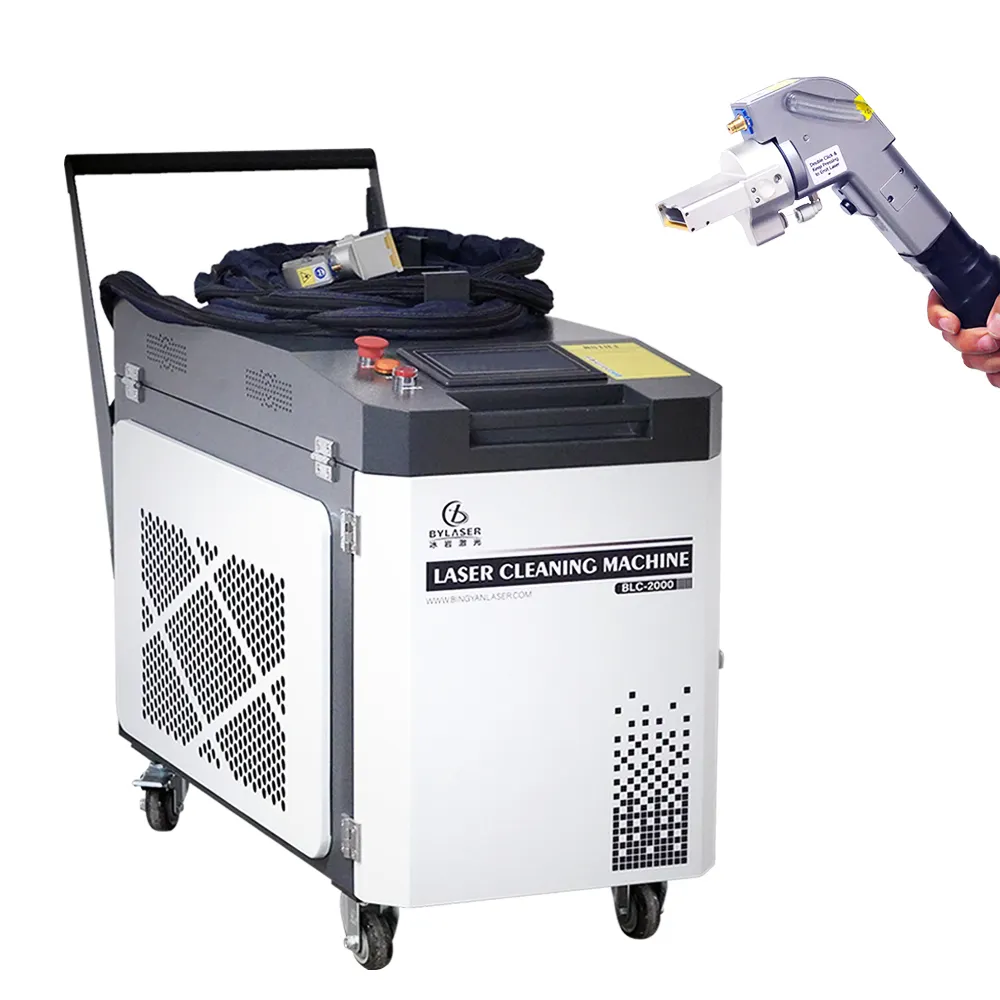
A laser marking machine represents a sophisticated technology that enables precise, permanent marking on diverse materials through focused light energy. Unlike traditional marking methods such as mechanical etching or ink-based printing, a laser marking machine uses concentrated beam energy to create marks at the surface level without requiring physical contact or consumable inks. 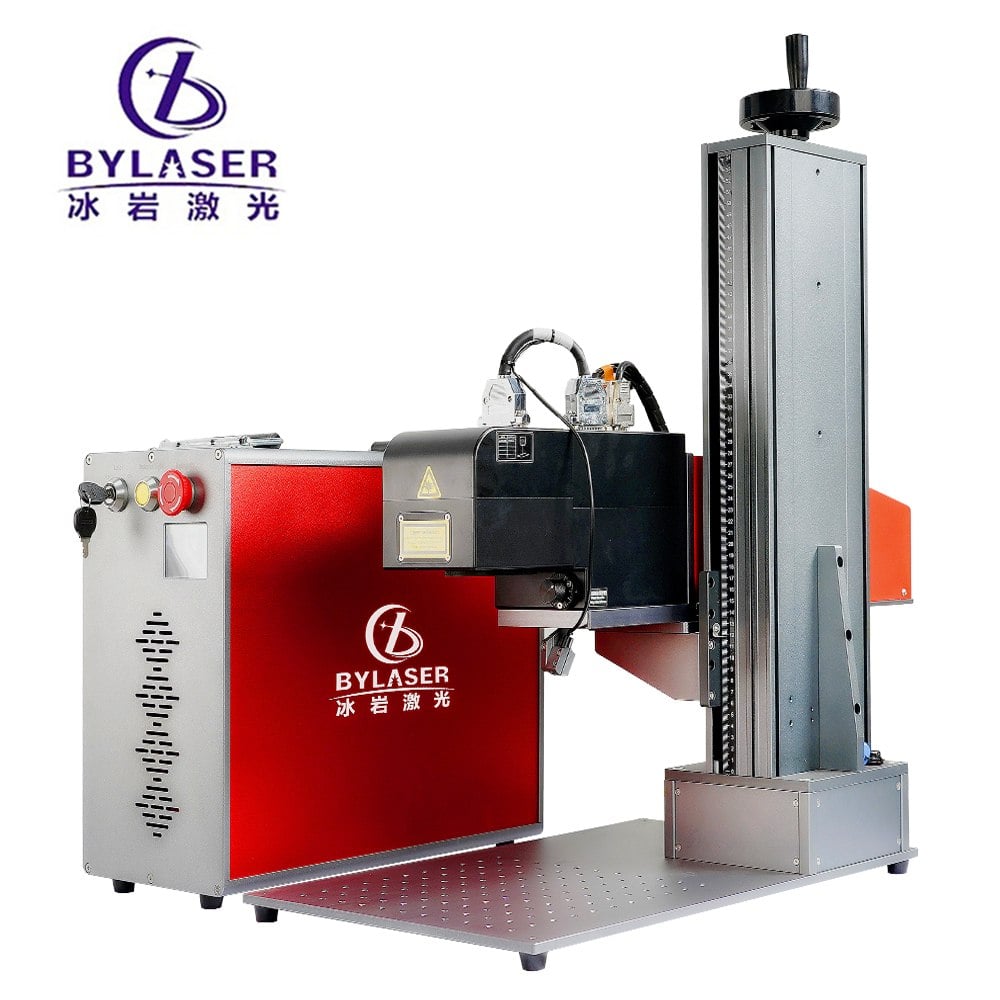
Understanding how a laser marking machine adapts to different material properties is essential for selecting the right industrial marking system for your production needs. Each material class—metals, polymers, glass, and organic materials—responds differently to laser wavelengths and power settings. The marking process varies significantly depending on whether you're working with conductive metals, transparent ceramics, or translucent polymers.
Understanding Laser Marking Technology and Material Interaction
Core Principles of Laser Marking Systems
A laser marking machine operates by emitting a concentrated, coherent light beam that interacts with material surfaces through several distinct mechanisms. Fiber laser marking employs a solid-state laser medium that generates infrared wavelengths around 1064 nanometers, making it exceptionally efficient for marking metals and certain dark polymers. The fiber laser marking approach delivers energy in a highly focused spot, typically ranging from 10 to 100 micrometers in diameter, allowing precision marks with minimal heat dissipation to surrounding areas. CO2 laser marking, conversely, operates at a longer wavelength of approximately 10.6 micrometers and excels at marking organic materials, wood, leather, acrylic, and lighter-colored plastics. When laser energy strikes a material surface, it undergoes one of three primary transformations: ablation (vaporization of surface layers), oxidation (chemical color change through heat), or annealing (discoloration through controlled thermal cycling).
Energy Absorption and Wavelength Compatibility
The effectiveness of any laser marking machine depends critically on how well the material absorbs the specific wavelength being emitted. Metals generally absorb infrared radiation very effectively, which is why fiber laser marking dominates in automotive, aerospace, and electronics manufacturing. Steel, aluminum, copper, and titanium all respond well to the 1064-nanometer wavelength typical of fiber laser marking systems. Carbon, another key consideration, has different absorptive properties depending on its form—amorphous carbon in certain plastics absorbs fiber laser energy readily, while graphite and carbon-based coatings also mark cleanly. CO2 laser marking works through a fundamentally different absorption mechanism; materials containing carbon, oxygen, and hydrogen bonds (such as polymers, rubber, and organic compounds) readily absorb this longer infrared wavelength. When wavelength and material absorption align properly, the industrial marking system achieves sharp contrast, minimal thermal damage, and repeatable mark quality across production runs.
Fiber Laser Marking and Metal Applications
How Fiber Laser Marking Excels on Metallic Surfaces
Fiber laser marking represents the preferred technology for industrial marking systems targeting metallic components because metals' crystalline structure and high thermal conductivity align perfectly with the fiber laser's infrared wavelength and rapid pulse frequency. When fiber laser marking energy strikes a steel or aluminum surface, the intense localized heat (often exceeding 1500 degrees Celsius) causes rapid oxidation and surface discoloration without deep melting or structural compromise. This oxidation process creates dark, permanent marks through a controlled chemical transformation—the metal surface develops a thin oxide layer that contrasts sharply with the base material. Stainless steel marks particularly well under fiber laser marking because the chromium oxide layer produced by the laser interaction is highly stable and resistant to corrosion. The fiber laser marking approach is also exceptionally fast; modern industrial marking systems can produce marks at speeds exceeding 1000 millimeters per second, enabling high-volume production environments.
Material-Specific Marking Depth and Durability
Different metals exhibit varying marking depths when subjected to fiber laser marking energy, depending on the material's thermal properties and the laser parameters selected. Anodized aluminum, common in aerospace and consumer electronics, marks with excellent contrast because the porous aluminum oxide layer readily absorbs the laser energy and oxidizes further. Coated metals—such as powder-coated steel or electroplated surfaces—often mark cleanly when the coating is thin enough for the laser to interact with the underlying base metal. Conversely, thick painted or epoxy-coated surfaces may require higher laser power settings or multiple passes, which an industrial marking system can be programmed to deliver automatically. The marked area on metals is permanently fused to the surface and resists wear, chemical exposure, and environmental degradation, making fiber laser marking ideal for part traceability, serial numbers, and branding in harsh operating environments.
CO2 Laser Marking and Non-Metal Applications
Why CO2 Laser Marking Dominates Organic Materials
CO2 laser marking technology operates optimally on organic and polymer-based materials where the longer infrared wavelength is readily absorbed by carbon-containing molecular structures. Plastics, rubber, leather, wood, cardboard, and acrylic all respond predictably to CO2 laser marking because these materials' molecular bonds efficiently capture photons in the 10.6-micrometer range. When CO2 laser marking energy strikes a plastic surface, it typically causes localized vaporization or charring, producing high-contrast black marks against the lighter base material. The CO2 laser marking approach also allows for shading and grayscale imaging on certain materials—by varying the laser power and pulse duration, an industrial marking system can produce marks ranging from light gray to deep black, enabling photographic-quality images on suitable substrates. This capability makes CO2 laser marking particularly valuable for decorative marking, branding, and intricate designs on consumer products and packaging.
Non-Metal Material Characteristics and Mark Quality
Each non-metal material class exhibits distinct responses to CO2 laser marking that require tailored system parameters. Acrylic and polycarbonate, transparent materials, transmit visible light but absorb infrared energy effectively; CO2 laser marking on these materials typically produces a frosted or engraved appearance through controlled vaporization. Dark-colored plastics and rubber show dramatic contrast when marked with CO2 laser marking because the carbon-rich structure chars readily, creating sharp, visible marks. Leather and paper-based materials also respond excellently to CO2 laser marking—the laser selectively burns or discolors specific regions without cutting through the entire thickness when power is controlled properly. An industrial marking system configured for non-metals can preserve the material's structural integrity while producing marks of exceptional clarity. Conversely, metallic surfaces do not respond well to CO2 laser marking because metal's reflective properties and poor absorption at that wavelength require extremely high power settings and often produce poor-quality, inconsistent marks—this is why fiber laser marking technology is overwhelmingly preferred for metal applications.
Advanced Material Considerations and System Selection
Mixed-Composition and Specialty Materials
Modern industrial marking system applications increasingly involve composite materials, laminates, coatings, and specialty substrates that require nuanced technical understanding. Ceramic tiles, glass, and silicate-based materials present unique challenges because many are transparent to both fiber and CO2 wavelengths; however, specialized laser marking systems can mark these materials through controlled fracturing or coloration at the surface. Semiconductors and circuit boards, containing both copper traces and polymer substrates, often require fiber laser marking to preserve conductive properties while marking component identifiers or date codes. Anodized finishes, whether aluminum or titanium, provide excellent marking contrast with fiber laser marking because the porous oxide layer captures laser energy efficiently. Conversely, reflective metallic coatings or highly polished surfaces sometimes require surface preparation or specialized focus techniques to ensure consistent laser marking performance across an industrial marking system's entire production cycle.
Selection Criteria for Industrial Marking Systems
Choosing between fiber laser marking and CO2 laser marking technologies—or investing in a hybrid industrial marking system—requires clear understanding of your material portfolio and production requirements. If your operations primarily involve metals, stainless steel, anodized aluminum, or coated components, fiber laser marking delivers superior speed, mark quality, and long-term durability. If your production centers on plastics, wood, textiles, leather, or acrylic materials, CO2 laser marking provides optimal contrast and marking flexibility. Production volume matters significantly; high-speed, high-volume metal marking demands fiber laser marking efficiency, while lower-volume, design-intensive marking on mixed materials may justify a CO2 laser marking system's flexibility.
FAQ
Can a laser marking machine mark all materials equally well?
No, laser marking machine effectiveness depends heavily on material composition and laser wavelength compatibility. Fiber laser marking excels on metals and certain dark polymers, while CO2 laser marking performs best on organic materials, plastics, and wood. Some specialty materials like certain ceramics or reflective surfaces require specialized techniques or adapted industrial marking systems to achieve acceptable mark quality. The key is matching laser wavelength to material absorption characteristics for optimal results.
What determines the permanence of marks created by a laser marking machine?
Mark permanence depends on the interaction mechanism between the laser and material. When fiber laser marking oxidizes metal surfaces, the resulting oxide layer is chemically bonded and highly resistant to wear and corrosion. When CO2 laser marking vaporizes or chars polymers, the mark is similarly permanent because molecular structure has been chemically altered. In both cases, the industrial marking system creates marks that resist fading, scratching, and environmental exposure far better than ink-based or mechanical marking methods.
