


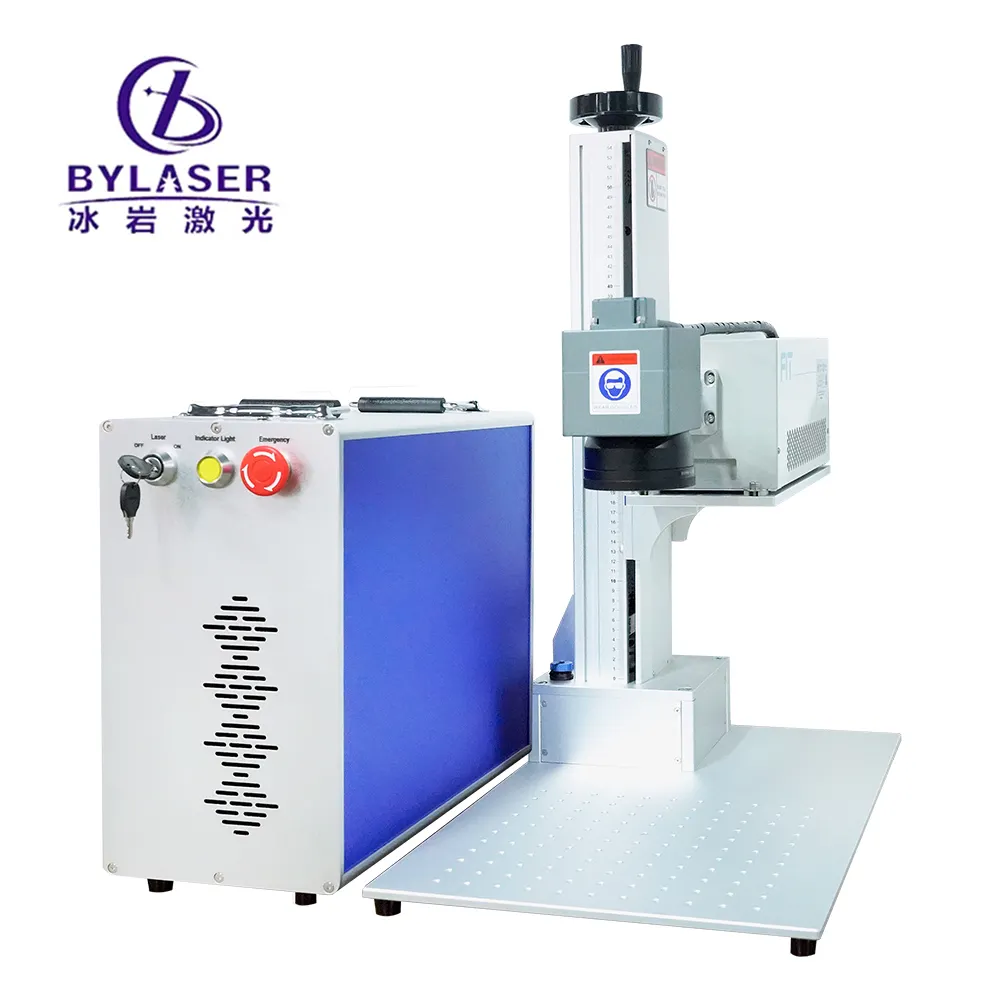
A uv laser marking machine represents a specialized industrial tool that uses ultraviolet laser technology to create precise marks, engravings, and designs on various materials with exceptional accuracy. Unlike traditional marking methods, UV laser marking technology operates at shorter wavelengths, enabling clean cuts and minimal thermal damage to delicate substrates. This technology has revolutionized how manufacturers, businesses, and craftspeople approach marking and engraving applications across multiple industries.
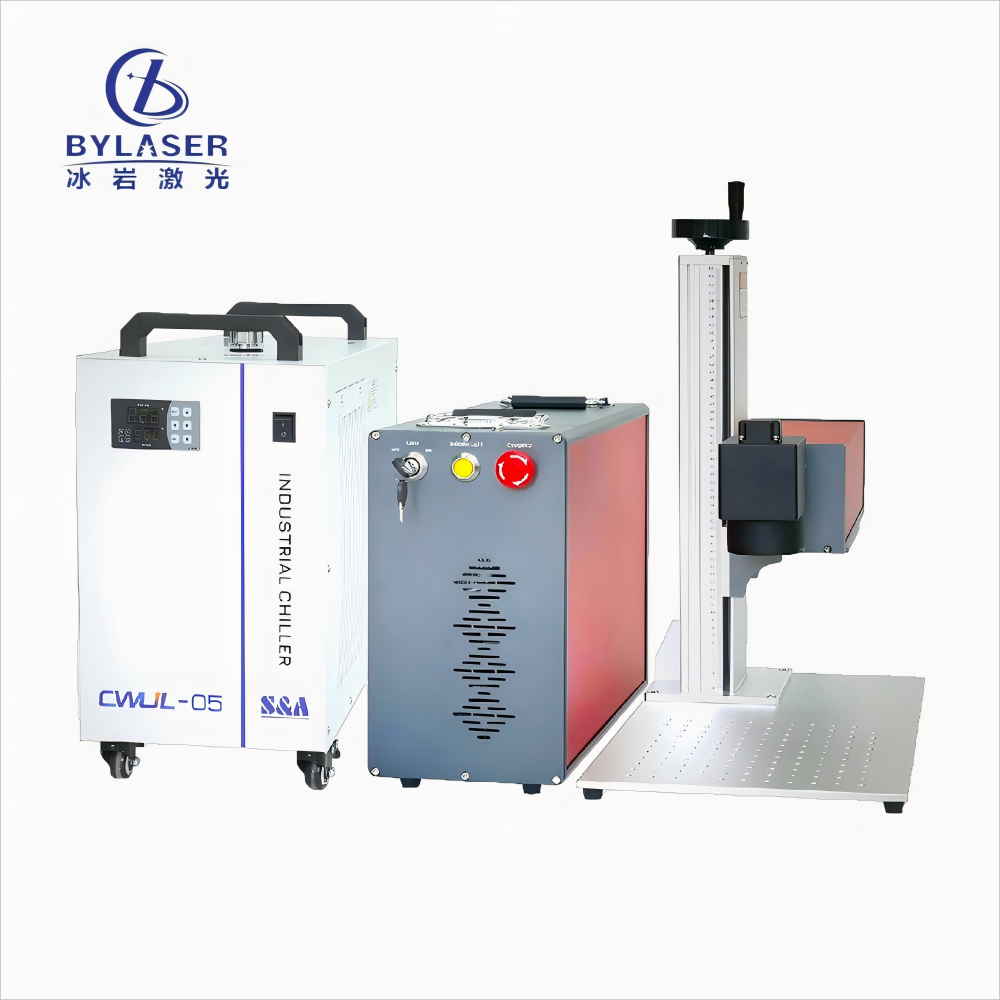
UV marking technology operates by concentrating ultraviolet laser energy onto material surfaces, vaporizing or discoloring them without significant heat penetration. The concentrated beam delivers exceptional precision, making UV laser marking ideal for intricate designs and high-resolution engravings. Because the laser wavelength is shorter than visible light, UV laser marking machines can work on materials that absorb ultraviolet energy while reflecting visible light, opening possibilities for marking applications that other laser systems cannot achieve efficiently.
Understanding UV Laser Marking Technology
How Ultraviolet Laser Engraving Works
Ultraviolet laser engraving operates by emitting concentrated UV light beams that interact with material surfaces at the molecular level. The UV photons carry sufficient energy to break chemical bonds within the material, creating permanent marks through photochemical processes rather than thermal burning. This method produces cleaner edges, finer details, and reduces collateral damage to surrounding areas compared to infrared laser systems. The precision of ultraviolet laser engraving makes it particularly valuable for applications requiring intricate patterns, small text, or complex geometries on sensitive materials.
Key Technical Characteristics
UV laser marking technology systems typically operate at wavelengths between 355 nanometers, delivering focused energy in extremely tight spots. The smaller beam diameter achievable with UV light enables resolutions that exceed capabilities of standard CO2 or fiber laser systems. UV marking technology produces minimal heat dispersion, preserving material integrity and enabling marking on heat-sensitive substrates. Additionally, UV laser marking machines generally require shorter exposure times and lower overall power consumption compared to other laser marking technologies, contributing to operational efficiency.
Core Applications Across Industries
Precision Marking on Metals and Alloys
Laser marking for metal surfaces has become critical in aerospace, automotive, and electronics manufacturing where component identification, serialization, and traceability requirements drive demand. UV laser marking systems excel at creating permanent, high-contrast marks on various metal types including aluminum, copper, stainless steel, and titanium alloys. The process produces micron-level precision, enabling detailed logos, barcodes, QR codes, and alphanumeric characters essential for supply chain management. Industrial manufacturers rely on laser marking for metal applications to ensure regulatory compliance, product authentication, and efficient inventory tracking.
Medical Device and Electronics Marking
The medical device and consumer electronics industries depend on precise marking solutions for component identification, date codes, and regulatory compliance. UV laser marking technology provides sterile, non-contact marking processes that eliminate contamination risks associated with mechanical marking methods. Medical device manufacturers use UV marking technology to engrave lot numbers, expiration dates, and unique device identifiers without compromising material properties or device functionality. Electronics manufacturers utilize ultraviolet laser engraving for circuit board marking, component labeling, and micron-precision engraving on semiconductor packaging.
Polymer and Composite Material Processing
Materials like plastics, rubber, and fiber-reinforced composites present unique marking challenges because infrared lasers often cause excessive melting or discoloration. UV laser marking machines deliver superior results on these materials because ultraviolet laser engraving removes material through photochemical reactions rather than thermal burning. This capability enables clean marking on medical tubing, pharmaceutical packaging, consumer product labels, and structural composite components. The minimal thermal impact preserves material mechanical properties while delivering high-contrast, permanent marks.
Business Value and Operational Benefits
Efficiency and Cost Advantages
Implementing UV marking technology reduces production costs through faster marking cycles and minimal material waste compared to mechanical or chemical marking methods. UV laser marking machines achieve high throughput on production lines while maintaining consistent quality across thousands of parts. The non-contact nature of laser marking eliminates tool wear and replacement costs associated with mechanical marking systems. Energy efficiency of modern UV laser marking machines contributes to lower operational expenses, and reduced maintenance requirements further improve total cost of ownership for industrial applications.
Quality and Compliance Benefits
Permanent, high-contrast marks produced by ultraviolet laser engraving technology ensure compliance with industry regulations including traceability, product identification, and anti-counterfeiting requirements. The precision of UV laser marking machines enables creation of human-readable and machine-readable codes that survive extended product lifecycles. Industries such as pharmaceuticals, aerospace, and automotive depend on laser marking for metal and polymer components to meet stringent regulatory standards. Superior mark permanence and readability reduce costly recalls, warranty disputes, and compliance violations.
FAQ
What materials can a UV laser marking machine mark effectively?
UV laser marking machines can mark metals including aluminum, copper, and stainless steel, along with polymers, rubbers, ceramics, glass, and composite materials. Ultraviolet laser engraving works exceptionally well on heat-sensitive materials where infrared lasers cause excessive damage. The broad material compatibility of UV marking technology makes these systems valuable across diverse manufacturing sectors.
How does UV laser marking technology compare to traditional marking methods?
Compared to mechanical marking or chemical etching, UV marking technology delivers superior precision, faster processing speeds, and permanent results without tool wear. Laser marking for metal and other materials produces cleaner, more detailed marks while eliminating operator safety concerns associated with chemical processes. The non-contact nature of ultraviolet laser engraving preserves material integrity and enables automated, high-volume production.
Why is UV laser marking technology gaining popularity in industrial applications?
Growing regulatory requirements for product traceability, anti-counterfeiting measures, and component identification drive adoption of UV laser marking machines across industries. The superior precision, speed, and flexibility of UV marking technology enable manufacturers to meet strict compliance standards while improving operational efficiency. As industries demand finer details and marking on increasingly sensitive materials, ultraviolet laser engraving technology continues to emerge as the preferred solution.
