


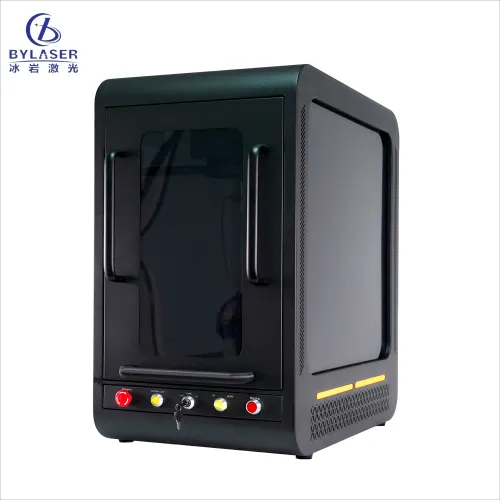
Operating a laser paint remover requires careful financial planning and understanding of the true cost structure involved. Unlike traditional paint removal methods, a laser paint remover represents an investment in precision technology that demands attention to capital expenditure, operational overhead, and maintenance requirements. For industries pursuing industrial paint removal solutions, understanding these costs upfront helps businesses make informed decisions about whether laser-based coating removal laser systems justify the investment compared to conventional approaches.
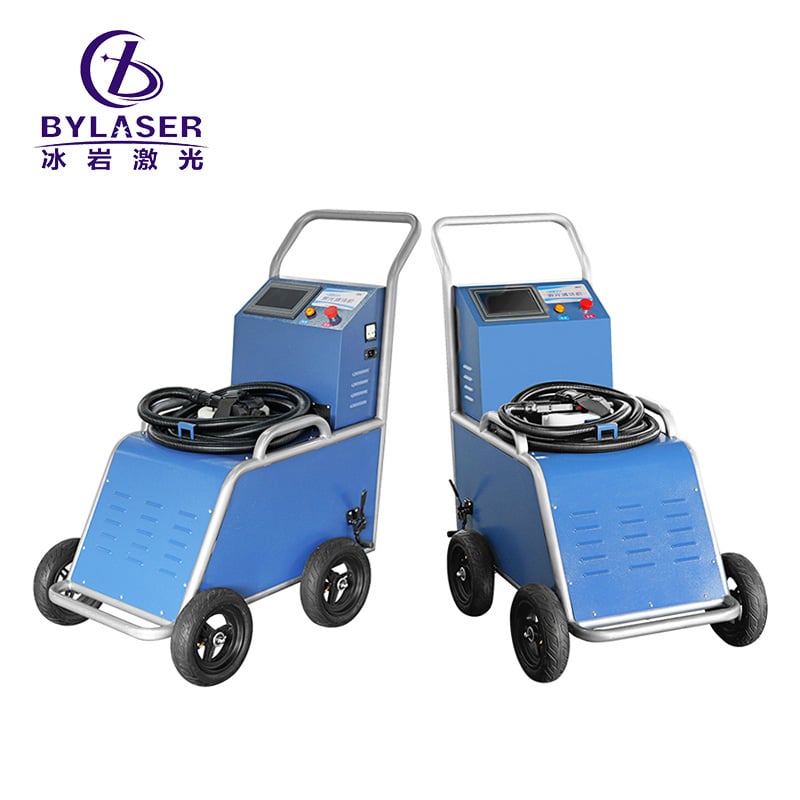
The financial impact of laser paint stripping extends beyond the initial purchase price. Operators must account for power consumption, system maintenance, operator training, facility setup, and the longevity of critical components. By examining each cost category systematically, industrial facilities can project their total cost of ownership and understand how a laser paint remover fits into their operational budget and timeline.
Capital Equipment and Installation Expenses
Initial Equipment Investment
The purchase price of a laser paint removal system typically ranges significantly based on power output, portability, and integrated features. Entry-level systems designed for small-scale industrial paint removal start at one price point, while industrial-grade laser paint stripping equipment with higher wattage and advanced automation can reach substantially higher figures. Facilities must choose equipment based on their specific coating removal laser requirements, project volume, and desired precision level.
Beyond the equipment itself, installation costs include mounting structures, safety enclosures, control panel integration, and connection to existing facility infrastructure. Site preparation for a laser paint remover system may require electrical upgrades, ventilation modifications, or protective barriers depending on the installation environment. These auxiliary expenses can represent 10 to 20 percent of the total initial investment for some industrial paint removal setups.
Operational Infrastructure Setup
Proper implementation of laser paint stripping technology demands investment in supporting systems. Dust collection, fume extraction, and material handling equipment are essential components that protect worker safety and maintain environmental compliance. The cost of these supporting systems varies with facility size and the intensity of coating removal laser operations planned.
Safety certifications, operator training programs, and initial system calibration also constitute part of the setup expense. A comprehensive training program ensures operators understand the laser paint remover's capabilities and safety protocols, reducing the risk of equipment misuse or workplace incidents that could interrupt production schedules.
Ongoing Operational Costs
Power Consumption and Energy Expenses
The primary recurring cost of operating a laser paint remover is electrical power consumption. A high-powered industrial paint removal system consumes significant electricity during active laser paint stripping operations. The wattage requirement, duty cycle, and facility electricity rates combine to determine monthly or annual energy costs that directly impact operational budgets.
Facilities processing high volumes of coating removal laser work may see energy costs become the largest single operational expense, potentially exceeding other categories like maintenance or supplies. Calculating hourly power draw and multiplying by anticipated operating hours helps estimate accurate energy budgets for laser paint remover deployment.
Maintenance, Parts Replacement, and Service
Regular maintenance keeps a laser paint stripping system performing at peak efficiency and extends equipment lifespan. Routine inspections, laser optics cleaning, and calibration checks must occur on scheduled intervals to prevent performance degradation. While basic maintenance tasks may be performed in-house, specialized service work often requires certified technicians, adding to industrial paint removal expenses.
Key components like laser tubes, optical elements, and cooling systems have finite lifespans and require periodic replacement as part of managing a laser paint remover's operational costs. Planning for these predictable replacement expenses helps facilities budget accurately and avoid unexpected downtime when critical components fail during production.
Consumables and Operating Supplies
Beyond labor and energy, laser paint stripping operations require consumable materials that contribute to total cost structure. Cleaning solutions for optics, protective coatings, air filter replacements, and coolant for the cooling system all factor into ongoing supply expenses for industrial paint removal systems. The volume of coating removal laser work directly correlates with consumable usage rates.
Facilities running continuous or high-volume laser paint remover operations may establish supply contracts or bulk purchasing arrangements to reduce per-unit consumable costs. Tracking consumable usage helps identify operational trends and optimize purchasing strategies over time.
Staffing, Training, and Indirect Costs
Operator Training and Certification
Skilled operators are essential for safe and effective laser paint stripping deployment. Initial operator certification programs teach safety protocols, equipment controls, troubleshooting basics, and maintenance procedures specific to your laser paint remover model. These training investments protect worker safety and maximize equipment utilization efficiency.
Ongoing professional development and refresher training maintain operator competency, particularly when introducing new coating removal laser applications or when staff turnover brings new team members into the operation. Allocating budget for continuous training reduces the risk of suboptimal equipment performance or safety incidents during industrial paint removal work.
Labor and Production Scheduling
While laser paint stripping automation reduces manual labor compared to traditional removal methods, dedicated operator labor remains a necessary cost component. Facilities must budget for operator wages, shift coverage, and potential overtime during periods of high industrial paint removal volume. The efficiency of a laser paint remover system partially depends on optimizing operator scheduling to match workload fluctuations.
Downtime costs also merit consideration when planning operations. Equipment maintenance windows, component replacement, or system repairs remove productivity capacity from schedules. Facilities that cannot accommodate scheduled maintenance disruptions may need backup equipment or outsourcing agreements to maintain service continuity during coating removal laser system downtime.
Environmental Compliance and Waste Management
Industrial paint removal operations generate waste materials that require proper handling and disposal according to environmental regulations. The cost of waste management, including collection, transportation, and treatment of removed coatings and paint particles, varies by jurisdiction and disposal method. A laser paint remover system may reduce certain waste streams compared to chemical removal methods, potentially offsetting some disposal costs for industrial paint removal facilities.
Compliance monitoring and documentation requirements add administrative expenses to laser paint stripping operations. Maintaining records of environmental permits, waste manifests, and equipment certifications protects facilities from regulatory penalties and demonstrates responsible industrial paint removal practices.
FAQ
What factors most significantly impact laser paint remover operating costs?
The largest cost drivers for laser paint stripping include equipment power consumption, operator labor, maintenance and parts replacement, and waste disposal. The specific industrial paint removal volume, local electricity rates, and equipment model directly influence which factors dominate your total cost structure. Facilities should analyze their anticipated utilization levels and local utility costs to predict which categories will have the greatest financial impact on their coating removal laser operations.
How does laser paint remover cost compare to traditional industrial paint removal methods?
Laser paint stripping typically requires higher capital investment than some traditional methods but may offer lower per-unit operating costs and reduced labor intensity over time. The comparison depends on your specific application, substrate sensitivity, environmental regulations, and production volume. Conducting a detailed cost analysis comparing laser paint remover total cost of ownership against chemical stripping or abrasive methods provides the most accurate financial guidance for your industrial paint removal decision.
What operational strategies help minimize laser paint remover costs?
Optimizing equipment utilization, scheduling preventive maintenance during low-volume periods, bulk purchasing of consumables, and investing in comprehensive operator training all contribute to cost reduction for laser paint stripping operations. Facilities can also explore energy efficiency improvements, negotiate service contracts with equipment providers, and track metrics to identify coating removal laser applications where unit costs are lowest. Regular cost monitoring enables continuous refinement of your industrial paint removal strategy.
