


Laser rust removal has emerged as one of the most effective and innovative rust removal techniques available today. Unlike traditional abrasive methods, laser cleaning technology uses focused light energy to eliminate rust, corrosion, and surface contaminants from metal surfaces with precision and minimal damage. The answer is clear: yes, laser rust removal can exceptionally clean metal surfaces, and it does so more efficiently than many conventional approaches.
The power of laser cleaning technology lies in its ability to selectively remove unwanted material without harming the underlying substrate. When rust oxidizes metal, it creates distinct chemical layers that absorb specific wavelengths of laser light. Metal surface restoration through this method represents a significant advancement in industrial maintenance, offering superior results compared to grinding, sandblasting, or chemical treatments that often cause substrate damage or environmental concerns.
How Laser Cleaning Technology Works
The Mechanism of Laser Rust Removal
Laser rust removal operates through a process called ablation, where high-intensity laser pulses vaporize rust and contaminants in microseconds. The laser energy heats the rust layer so rapidly that it converts directly to gas, leaving the clean metal beneath untouched. This laser cleaning technology targets the rust specifically because rust has different optical properties than bare metal, allowing the laser to distinguish between what needs removal and what should remain.
The wavelength and pulse duration of the laser determine its effectiveness for different types of corrosion. Industrial systems typically use fiber lasers in the near-infrared spectrum, which penetrate rust layers effectively while reflecting off clean metal. This selective absorption is what makes laser rust removal far safer than abrasive rust removal techniques that indiscriminately remove surface material.
Advantages Over Traditional Rust Removal Techniques
Conventional rust removal techniques like sandblasting, wire brushing, or chemical stripping have significant drawbacks. Abrasive methods alter surface dimensions, create dust hazards, and can damage precision components. Chemical approaches introduce toxic residues and disposal challenges. The laser rust removal method eliminates these problems entirely. It produces no secondary waste, requires no chemical consumables, and leaves surfaces with precise dimensions intact, making metal surface restoration cleaner and faster.
Applications and Industrial Benefits
Metal Surface Restoration in Manufacturing
Metal surface restoration using laser cleaning technology has revolutionized maintenance practices across manufacturing sectors. Heavy machinery, automotive components, and aerospace parts accumulate rust and oxidation during storage or operation. Traditional rust removal techniques required disassembly, extended downtime, and post-cleaning surface treatment. Laser systems clean parts in place, reducing production interruptions and labor costs significantly while maintaining material integrity that rust removal techniques performed manually could compromise.
In automotive applications, laser cleaning removes corrosion from engine blocks, transmission housings, and chassis components without affecting precision-machined surfaces. The process takes minutes rather than hours, and operators see immediate results with zero collateral damage. This efficiency makes rust removal techniques centered on laser technology increasingly attractive for high-volume operations requiring consistent quality.
Specialized Applications and Environmental Benefits
Laser cleaning technology excels in environments where traditional rust removal techniques pose safety or environmental risks. Contaminated surfaces in historical restoration, aerospace maintenance, and electronic assembly benefit from the non-contact, residue-free nature of laser rust removal. The absence of particulate generation means no respiratory hazards, no containment requirements, and no disposal regulations that plague sandblasting or grinding operations.
Off-road equipment, construction machinery, and transportation vehicles frequently suffer from heavy rust accumulation. Metal surface restoration in these applications demands rust removal techniques that work quickly and thoroughly. Laser cleaning technology addresses this need by removing not just surface rust but also deep oxidation and mill scale that conventional methods struggle with, restoring structural integrity and extending equipment lifespan.
Practical Considerations for Implementation
Surface Types and Material Compatibility
Laser rust removal works effectively on most ferrous metals, including steel, cast iron, and stainless steel. The laser cleaning technology adapts well to various surface finishes and rust severities, from light surface oxidation to heavy mill scale. However, different materials may require parameter adjustments. Softer metals like aluminum or copper demand lower power settings to prevent surface damage, while hardened steel components tolerate higher intensities.
Rust removal techniques must account for material composition when selecting laser specifications. The optical properties of different oxides and corrosion products influence absorption rates, so operators must calibrate systems appropriately. Testing on sample pieces before production runs ensures that metal surface restoration achieves desired results without unintended alterations to substrate properties or dimensions.
System Selection and Operational Factors
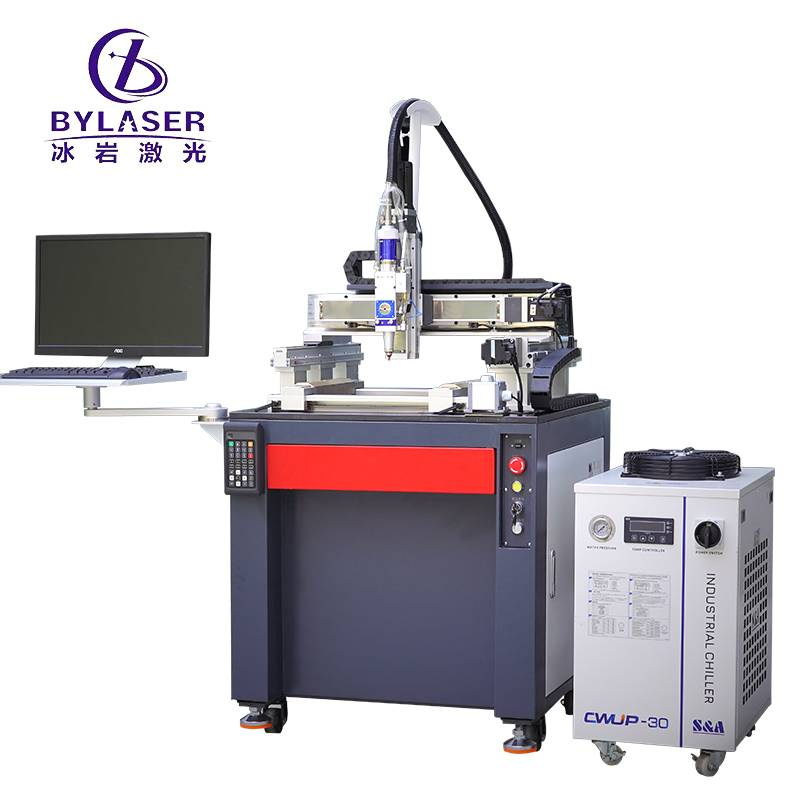
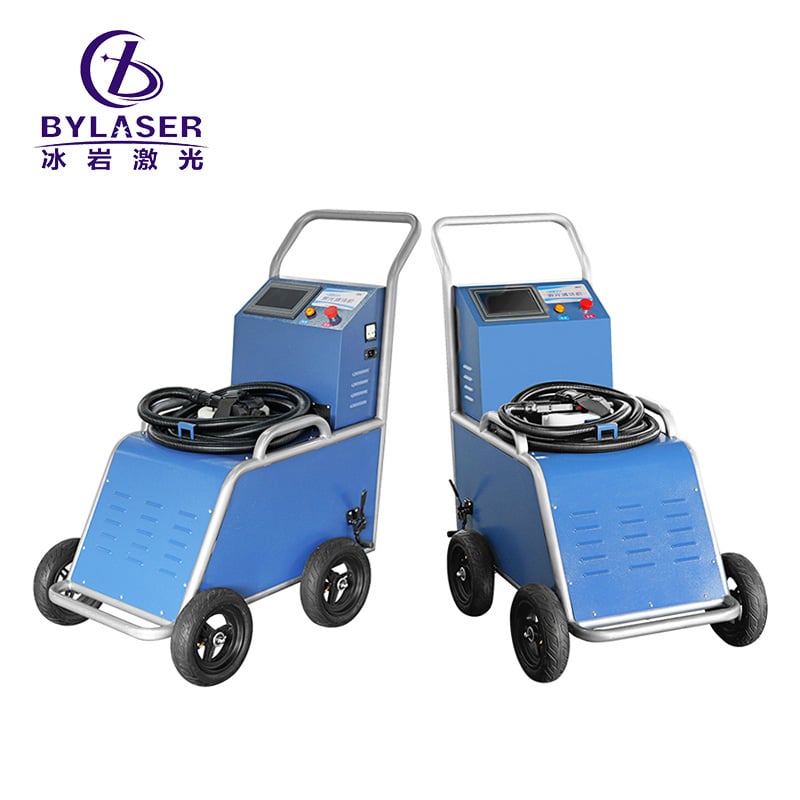
Choosing appropriate laser cleaning technology depends on production volume, component size, and accessibility requirements. Compact handheld systems suit field maintenance and isolated restoration projects, while fixed-installation systems optimize throughput for high-volume manufacturing environments. Rust removal techniques implemented with portable lasers offer flexibility for construction sites, naval maintenance, and remote operations where transporting equipment is impractical.
Operator training remains essential despite the technology's relative simplicity. Protective equipment, proper system calibration, and understanding material-specific parameters ensure safety and effectiveness. Metal surface restoration projects benefit from this investment in knowledge, as improper laser settings can reduce efficiency or, in rare cases, cause unwanted surface effects.
FAQ
Can laser rust removal damage the underlying metal?
No, when properly calibrated, laser cleaning technology removes only the rust and corrosion layer without affecting the base metal. The selective absorption properties mean the laser focuses energy on oxidized material while reflecting away from clean substrate. Unlike abrasive rust removal techniques that risk dimensional change or substrate weakening, laser rust removal preserves material integrity completely.
How does laser rust removal compare to chemical rust removal techniques?
Laser rust removal offers significant advantages over chemical methods. Chemical rust removal techniques introduce toxic residues, require disposal procedures, and often leave surface films requiring additional processing. Laser cleaning technology generates zero chemical waste, works faster, and leaves surfaces completely clean with no secondary treatment necessary. The speed and environmental safety make laser rust removal superior for most industrial applications.
Is laser rust removal cost-effective for small-scale operations?
For modest volumes, handheld laser systems provide cost-effective metal surface restoration compared to recurring chemical purchases or outsourcing to specialized services. Rust removal techniques using portable lasers eliminate consumable costs associated with abrasives or chemicals, requiring only electricity. Initial equipment investment is offset quickly through reduced labor time and elimination of material costs, making laser cleaning technology economical even for smaller operations.
