


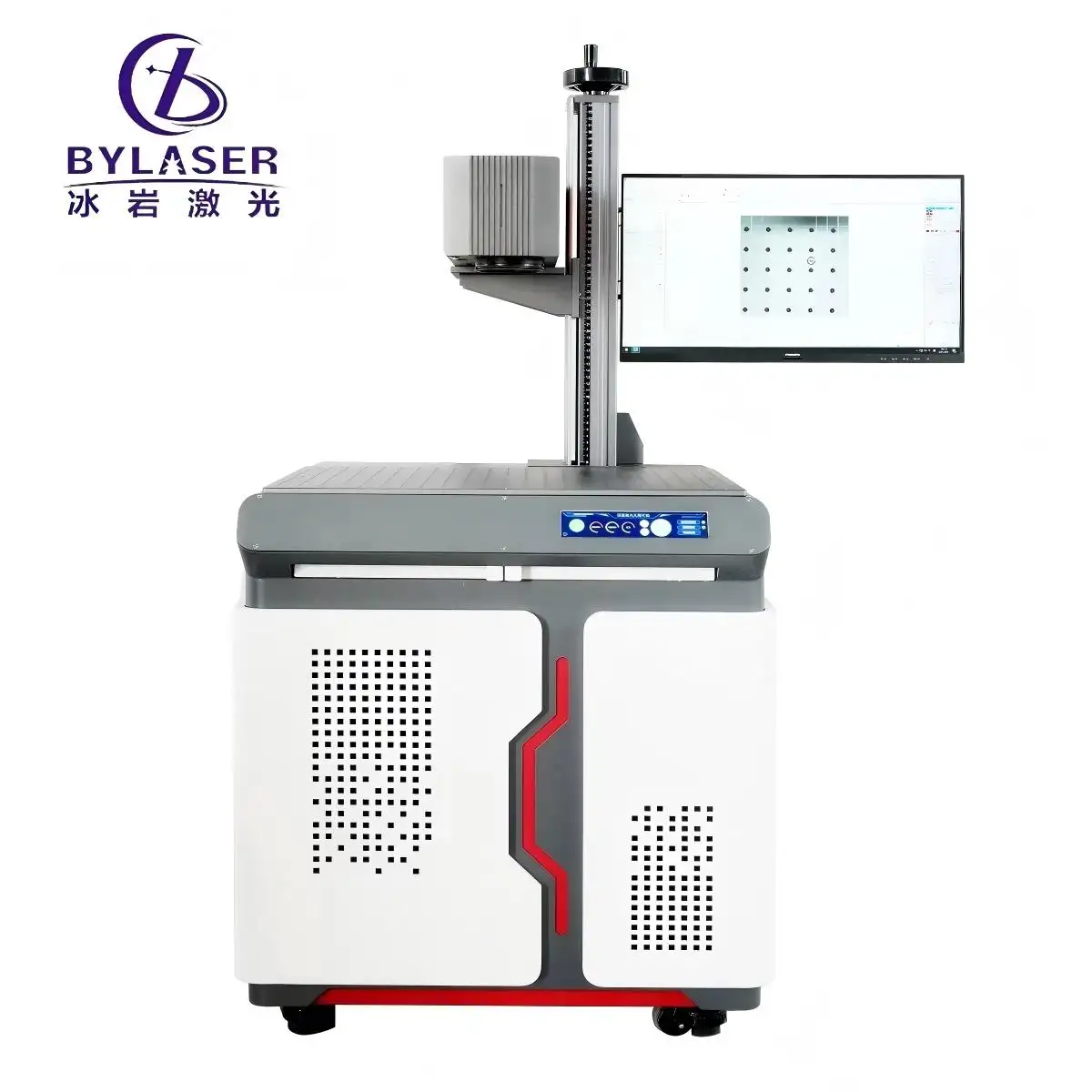
A laser rust cleaning machine represents a transformative approach to industrial surface preparation and maintenance. These advanced systems use concentrated laser beams to remove rust, corrosion, paint, and contaminants from metal surfaces without abrasive methods or chemical treatments. Understanding which materials can be safely processed is essential for manufacturers, maintenance teams, and industrial facilities planning to adopt this technology. The versatility of laser surface cleaning technology extends across diverse materials and applications, making it valuable for sectors ranging from aerospace and automotive to heritage restoration and infrastructure maintenance.
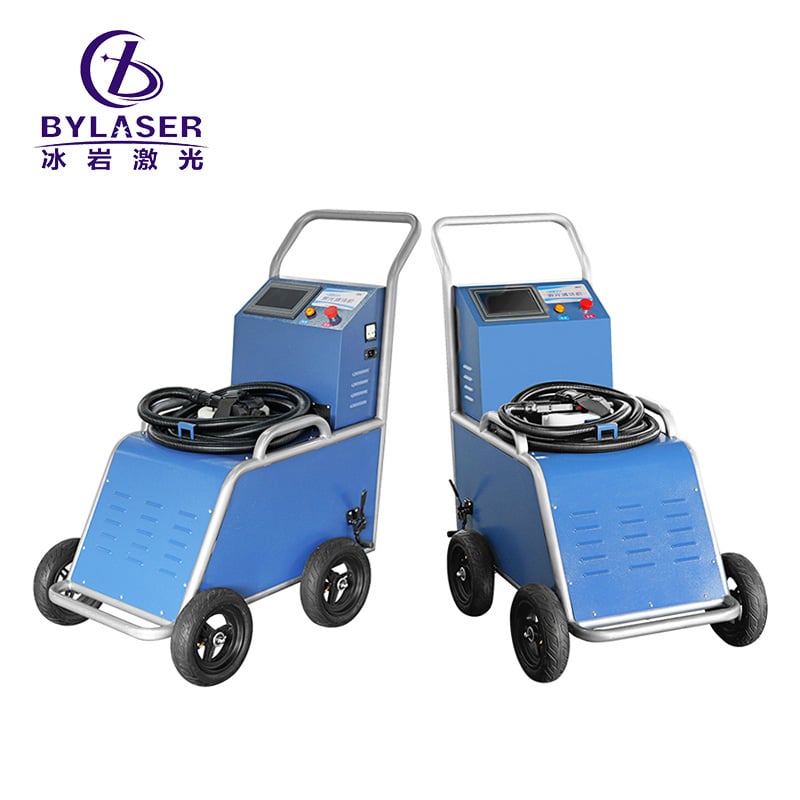
Modern handheld laser rust remover units and industrial rust removal laser systems operate through the same fundamental principle: rapid laser pulses ablate surface contaminants and oxidized layers. The effectiveness depends on material composition, surface structure, and laser wavelength calibration. Different materials respond uniquely to laser energy, and understanding these material-specific responses ensures optimal cleaning performance, equipment longevity, and safety compliance across industrial applications.
Ferrous Materials and Iron-Based Metals
Steel and Carbon Steel Processing
Steel represents the most common application for laser surface cleaning technology across industrial sectors. The handheld laser rust remover effectively removes rust layers, mill scale, and surface oxidation from carbon steel, stainless steel, and tool steel without damaging the underlying material. Industrial rust removal laser systems can process both low-carbon and high-carbon steel variants, adapting laser parameters to material thickness and rust severity. The laser beam vaporizes rust compounds while the base steel substrate remains intact, providing clean surfaces ready for welding, coating, or assembly operations.
Cast Iron and Specialty Iron Alloys
Cast iron presents unique challenges and opportunities for laser rust cleaning machines. The porous microstructure of cast iron requires careful laser parameter tuning to avoid thermal stress fracturing. A laser rust cleaning machine can effectively clean cast iron engine blocks, machine bases, and heritage restoration projects when operators adjust pulse frequency and energy density appropriately. Malleable iron, ductile iron, and specialized iron alloys similarly respond well to laser surface cleaning technology, though each requires baseline testing to establish optimal cleaning parameters for specific alloy compositions.
Non-Ferrous Metals and Aluminum Applications
Aluminum and Aluminum Alloys
Aluminum represents a critical material category for handheld laser rust remover adoption in aerospace, automotive, and marine industries. Laser surface cleaning technology effectively removes aluminum oxide layers, corrosion products, and contaminants without creating heat-affected zones or material loss. Industrial rust removal laser systems preserve the structural integrity of aluminum components while preparing surfaces for adhesive bonding, welding, or coating application. The non-contact nature of laser cleaning eliminates mechanical damage risks that traditional abrasive methods impose on softer aluminum surfaces.
Copper, Brass, and Bronze Processing
Copper-based alloys respond excellently to laser rust cleaning machines, making these materials suitable for electrical components, decorative restoration, and industrial equipment maintenance. The laser rust cleaning machine removes verdigris, oxide films, and patina while preserving underlying metal structure. Brass and bronze components in heritage applications, marine environments, and industrial settings benefit from the precision of handheld laser rust remover technology. The ability to selectively clean without chemical residues makes laser surface cleaning technology ideal for sensitive applications requiring contamination-free surfaces.
Specialized Materials and Industrial Applications
Titanium and Exotic Alloys
Titanium and superalloy components demand non-destructive surface preparation methods, making laser surface cleaning technology particularly valuable for aerospace manufacturing and medical device production. A laser rust cleaning machine can remove oxide layers, contaminants, and discoloration from titanium surfaces without affecting material properties or dimensional accuracy. Industrial rust removal laser systems process nickel-based superalloys, cobalt alloys, and other high-performance materials used in extreme-environment applications. The controlled nature of laser ablation preserves the metallurgical characteristics essential for critical aerospace and industrial components.
Coated Surfaces and Composite Preparation
The handheld laser rust remover excels at selective paint removal, coating stripping, and surface preparation for composite bonding. Laser surface cleaning technology can target specific coating layers while leaving base materials unaffected, enabling precision restoration and maintenance workflows. Industrial rust removal laser systems prepare composite substrates, remove old adhesives, and clean surface contamination without introducing moisture or chemical residues that compromise subsequent bonding processes. This capability makes laser rust cleaning machines essential for advanced manufacturing environments requiring contamination-free preparation protocols.
Material Limitations and Practical Considerations
Materials Requiring Special Attention
While laser rust cleaning machines offer exceptional versatility, some materials require careful parameter management or preliminary assessment. Zinc-coated surfaces demand lower laser energy to prevent excessive vaporization, while carbon composite materials need laser wavelength selection and power calibration to avoid thermal degradation. Polymer-based coatings and delicate surface finishes benefit from test procedures before full-scale production cleaning. Understanding material-specific laser interaction characteristics ensures that industrial rust removal laser systems deliver effective cleaning without unintended surface modification or material compromise.
Quality Assurance and Material Testing
Establishing material compatibility before deploying handheld laser rust remover systems prevents operational issues and ensures consistent results. Industrial facilities should conduct baseline testing on representative material samples, documenting optimal laser parameter settings for each material category and application. The laser surface cleaning technology continues advancing with improved fiber laser designs, enhanced pulse modulation, and expanded wavelength options that broaden material processing capabilities. Quality assurance protocols incorporating material compatibility testing maximize the operational efficiency and safety profile of laser rust cleaning machines across diverse industrial environments.
FAQ
Can a laser rust cleaning machine process painted or coated surfaces?
Yes, laser surface cleaning technology effectively removes paint, coatings, and surface treatments from metal substrates. A handheld laser rust remover can selectively strip specific coating layers while preserving the base material underneath. Industrial rust removal laser systems enable precision restoration work where only surface contaminants require removal without affecting underlying material properties. The non-contact process prevents substrate damage that abrasive methods typically cause on delicate or composite surfaces.
What are the limitations of laser rust cleaning machines with stainless steel?
Stainless steel presents fewer limitations than many metals when processed with laser rust cleaning machines because the chromium-oxide passive layer protects the underlying material from laser ablation. A laser rust cleaning machine can safely remove rust, weld spatter, and surface contaminants from stainless steel without compromising corrosion resistance. Industrial rust removal laser systems must use calibrated parameters to avoid chromium depletion at the surface, but properly configured handheld laser rust remover units deliver excellent results for stainless steel applications across food processing, pharmaceutical, and marine industries.
Is laser surface cleaning technology suitable for delicate or thin materials?
Laser surface cleaning technology offers excellent control for delicate materials when operators adjust laser power, pulse frequency, and dwell time appropriately. A handheld laser rust remover can clean thin metal sheets, precision components, and historic artifacts without perforation or thermal distortion that alternative methods risk. Industrial rust removal laser systems enable safe processing of materials with thickness constraints by reducing pulse energy and increasing scanning speed. The precision and control inherent to laser rust cleaning machines make them suitable for applications where traditional cleaning methods would cause unacceptable material damage or loss.
