


The speed at which a laser cleaner processes surfaces represents one of the most critical performance metrics in modern industrial surface treatment. Understanding processing velocity, coverage rates, and throughput capacity directly impacts project timelines, operational costs, and overall productivity. A laser cleaner can process surfaces significantly faster than conventional cleaning methods, but actual speed depends on multiple variables including surface material, contamination type, laser power output, and scanning parameters.
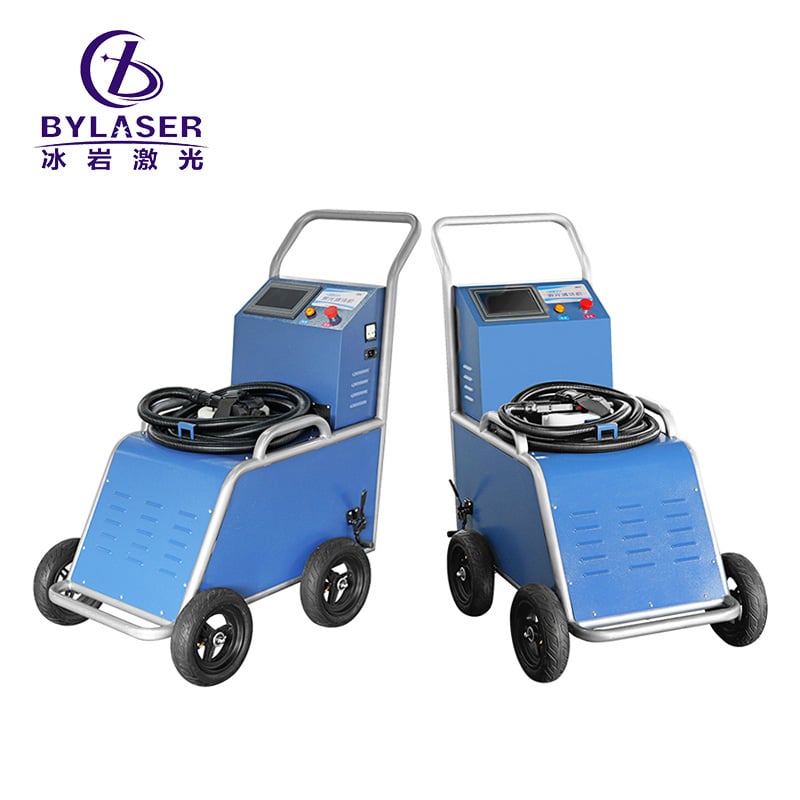
Industrial laser cleaning systems have revolutionized surface preparation across manufacturing, maintenance, and restoration sectors. The processing speed of a portable laser cleaner varies widely based on operational setup, material composition, and contamination severity. Typical coverage rates range from 1 to 10 square meters per hour, though premium systems with higher wattage can achieve faster throughput. Recognizing the factors that influence speed helps operators optimize workflow and select equipment matching specific production requirements.
Processing Speed Fundamentals
Laser Power and Coverage Rate Correlation
Laser power output directly correlates with processing speed in any industrial laser cleaning application. Higher wattage systems deliver more energy per pulse, enabling faster material ablation and contamination removal. A 200W laser cleaning system typically covers 2 to 4 square meters per hour on light oxide layers, while a 300W unit can achieve 4 to 8 square meters per hour under similar conditions. The relationship between power and speed is not always linear due to material absorption rates, pulse frequency adjustments, and thermal management considerations.
Contamination Type Impact on Processing Velocity
Different contamination types require varying processing times when using a portable laser cleaner or stationary industrial laser cleaning equipment. Light surface oxidation, paint residue, and grease deposits clean relatively quickly, often requiring single passes at standard parameters. Heavy rust, thick coatings, welding spatter, and crystallized deposits demand multiple passes or reduced scanning speeds to ensure complete removal without substrate damage. Understanding contamination severity allows operators to estimate accurate processing timelines and adjust laser cleaning system parameters for optimal efficiency.
Scanning Parameters and Throughput Optimization
Beam Scanning Speed and Coverage Efficiency
The scanning speed of the laser beam directly determines how much surface area a laser cleaner can address within a given timeframe. Modern industrial laser cleaning systems employ adjustable scanning frequencies ranging from 1 to 20 kHz, depending on equipment design and application requirements. Faster scanning speeds increase coverage area but may reduce cleaning depth on stubborn contaminants, requiring operators to balance speed against cleaning effectiveness. A portable laser cleaner with optimized scanning parameters can process large surface areas efficiently while maintaining consistent contaminant removal across the entire treatment zone.
Pulse Frequency and Energy Density Management
Pulse frequency determines how many laser pulses strike the surface per second, directly affecting both processing speed and cleaning quality. Higher pulse frequencies enable faster surface traversal with consistent energy delivery, while lower frequencies provide greater energy concentration per pulse. Industrial laser cleaning systems typically operate between 50,000 to 200,000 pulses per second, with frequency adjustments allowing fine-tuning of the laser cleaning system performance. Operators must balance peak power delivery against throughput requirements to achieve optimal results without thermal stress on substrates or equipment performance degradation.
Material and Application-Specific Processing Rates
Substrate Material Influence on Cleaning Speed
Different substrate materials respond distinctly to laser energy, significantly affecting how fast a laser cleaner can process surfaces. Metals like steel, aluminum, and copper exhibit excellent laser absorption characteristics, enabling rapid contamination removal at standard power levels. Non-metallic substrates including composites, ceramics, and stone require more conservative processing parameters to prevent surface damage, consequently reducing overall processing speed. A portable laser cleaner performing on painted steel surfaces can complete the same job faster than when treating composite materials, making substrate knowledge essential for accurate project timeline estimation.
Industrial Application Scenarios and Typical Processing Rates
Real-world industrial laser cleaning applications demonstrate significant processing speed variations across different sectors. Manufacturing facilities using industrial laser cleaning for pre-welding surface preparation typically achieve 3 to 6 square meters per hour depending on oxide layer severity and equipment specifications. Aerospace maintenance teams utilizing laser cleaning systems for paint and coating removal often report 2 to 5 square meters per hour due to demanding precision requirements. Heritage restoration projects may process at 1 to 3 square meters per hour when treating delicate surfaces requiring minimal substrate interaction. These application-specific rates help facility managers and project planners establish realistic production schedules and resource allocation strategies.
Practical Considerations for Speed Optimization
Equipment Setup and Operator Experience Effects
Proper equipment configuration and operator expertise significantly influence actual processing speed achieved with any laser cleaner installation. A portable laser cleaner operated by experienced technicians consistently delivers faster, more efficient results than identical equipment in untrained hands. Equipment positioning, cooling system management, lens cleanliness, and parameter adjustment proficiency all directly impact throughput. Facilities investing in operator training and standardized setup procedures typically see 20 to 40 percent improvements in processing speed compared to ad-hoc operational approaches, making training a valuable investment for maximizing laser cleaning system return on investment.
Maintenance and Environmental Factors
Regular maintenance directly correlates with sustained processing speed across equipment lifespan. Dust accumulation on optical components, cooling system fouling, and laser tube degradation gradually reduce effective power output and processing capability. Environmental conditions including ambient temperature, humidity, and air quality affect laser performance and cooling efficiency, especially for portable laser cleaner equipment operating in outdoor environments. Implementing preventive maintenance schedules and environmental controls helps maintain consistent processing speeds and prevents equipment degradation that would otherwise reduce industrial laser cleaning system efficiency over time.
FAQ
How does a portable laser cleaner compare to stationary systems in terms of processing speed?
Portable laser cleaner units typically operate at comparable speeds to stationary industrial laser cleaning systems when power output is equivalent. The primary differences emerge in consistency and precision rather than raw processing velocity. Stationary systems provide more stable positioning and cooling, potentially maintaining peak performance longer during extended operations. Portable equipment offers flexibility for on-site work but may experience slight performance variations due to environmental exposure and positioning challenges. Actual processing speed depends more on laser power, contamination type, and scanning parameters than on equipment portability.
Can processing speed be increased without compromising cleaning quality?
Yes, processing speed improvements are possible through parameter optimization without sacrificing results. Upgrading to higher-power laser cleaning systems, improving scanning algorithms, and utilizing advanced pulse frequency configurations can increase speed while maintaining quality. Proper operator training enables efficient parameter adjustment specific to contamination types and substrate materials. However, attempting to maximize speed beyond equipment capabilities or material tolerances typically results in incomplete contamination removal or substrate damage. The optimal approach balances speed maximization against application requirements rather than pursuing maximum velocity regardless of outcome quality.
What factors most significantly affect industrial laser cleaning processing speed?
Laser power output and contamination type represent the two most influential factors affecting processing speed for any industrial laser cleaning application. A laser cleaner with insufficient power struggles with heavy deposits regardless of other parameters, while excessive contamination thickness inherently requires more processing time. Scanning speed, pulse frequency, substrate material, and operator experience provide secondary influences that fine-tune speed within the constraints established by power and contamination factors. Understanding these interconnected variables helps facility managers make informed decisions about equipment selection and realistic timeline planning for laser cleaning projects.
