


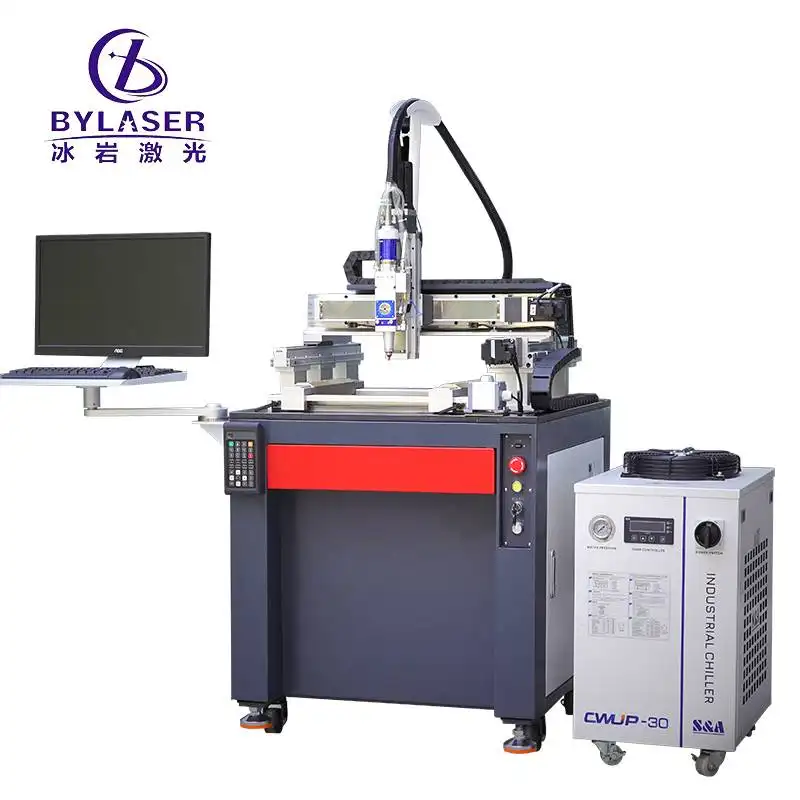
A laser marker represents one of the most precise marking technologies available in modern manufacturing and industrial production. Understanding the accuracy capabilities of a laser marking machine is essential for businesses seeking to achieve consistent quality, traceability, and brand protection on their products. The precision of a laser marker depends on multiple interconnected factors, including the laser source type, beam diameter, focusing optics, control systems, and material properties.
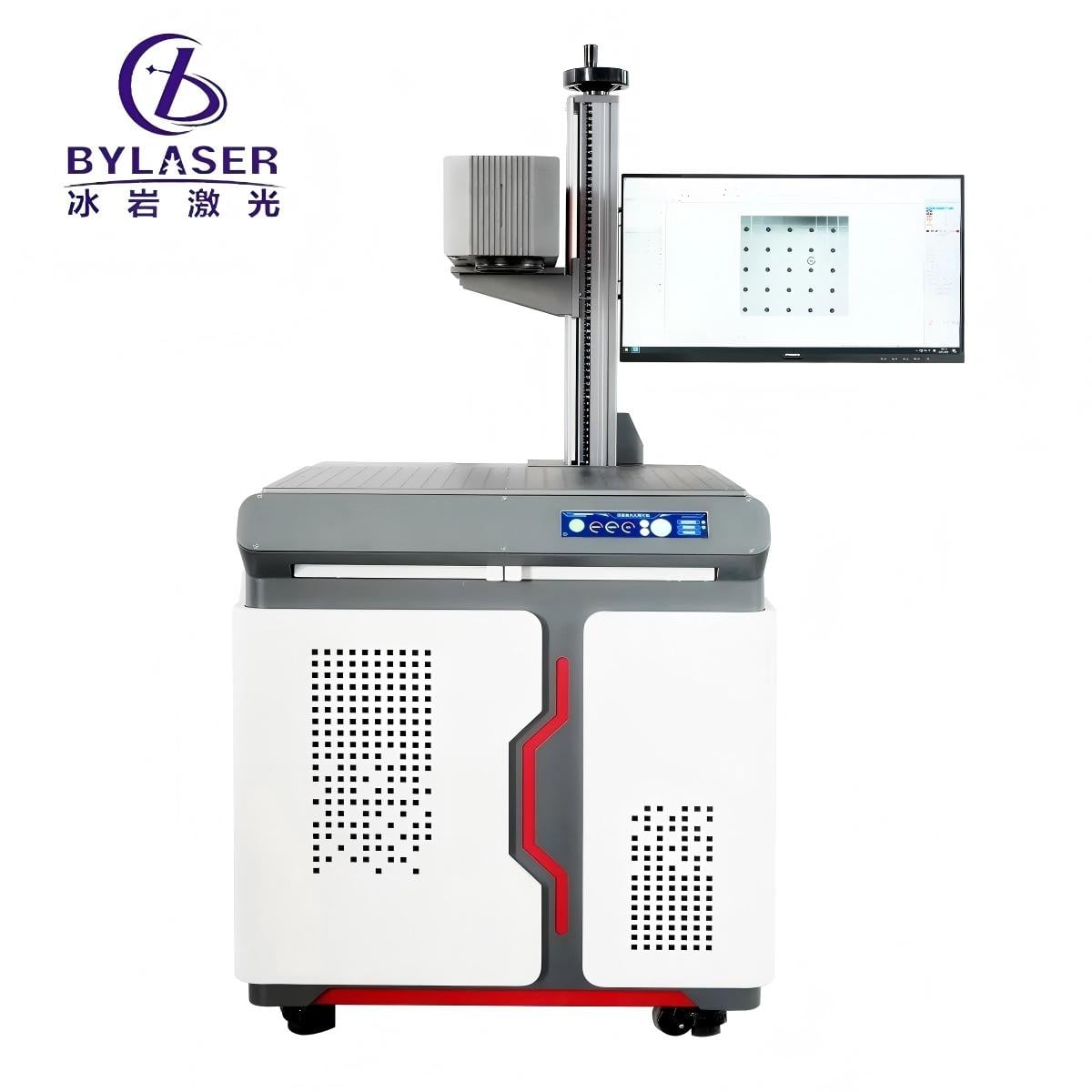
Modern fiber laser engraving systems can achieve marking precision down to tens of microns, making them ideal for applications requiring detailed barcodes, QR codes, serial numbers, and intricate logos. The precision capabilities of an industrial laser system extend beyond simple depth control; they encompass positioning accuracy, repeatability, and the ability to maintain consistent mark quality across large production batches. This guide explores the technical foundations of laser marking accuracy and the practical limits businesses should understand when selecting marking equipment.
Understanding Laser Marker Resolution and Beam Focus
How Beam Diameter Affects Marking Precision
The physical diameter of the laser beam is the primary factor determining the minimum feature size a laser marking machine can produce. Fiber laser engraving typically employs focused beam diameters ranging from 10 to 50 microns, depending on the optical design and wavelength characteristics. A narrower beam enables finer details, sharper edges, and smaller text characters, while a broader beam produces faster marking speeds but with reduced detail resolution. Industrial laser systems use high-quality focusing lenses and precise beam-shaping optics to minimize beam diameter and achieve the tightest possible focus points.
The Role of Wavelength in Precision Capability
Fiber laser engraving systems operate at 1064 nanometers wavelength, which allows excellent absorption in metals and certain plastics while enabling high beam quality. Shorter wavelengths theoretically offer better focusing potential, but fiber lasers are chosen for industrial applications because they deliver superior beam quality, thermal stability, and long-term reliability. The wavelength of the laser marker directly influences the minimum spot size achievable through optical focusing, making it a critical determinant of absolute precision limits.
Positioning Accuracy and Repeatability in Industrial Laser Systems
XY Positioning Accuracy Specifications
Beyond beam diameter, the XY positioning accuracy of an industrial laser system determines how precisely marks can be placed on a product surface. Modern laser marking machines achieve XY positioning accuracy of ±0.01 to ±0.05 millimeters, depending on the motion control system, stepper motor quality, and scanning head configuration. This level of accuracy ensures that multiple marks, text lines, and graphic elements align correctly and maintain consistency across production runs. High-end fiber laser engraving equipment integrates closed-loop feedback systems and precision ball screws to minimize cumulative positioning errors.
Repeatability and Mark Consistency
Repeatability refers to the laser marker's ability to produce identical marks at the same location across multiple parts. Industrial laser systems with proper calibration can achieve repeatability within ±0.02 millimeters, making them suitable for applications where exact replication is critical. Factors affecting repeatability include thermal drift in the laser source, mechanical wear in motion components, and variations in material reflectivity. A laser marking machine with stable temperature control, rigid mechanical construction, and advanced software compensation maintains superior mark consistency throughout extended production cycles.
Material Interaction and Depth Control Precision
Achieving Consistent Depth and Contrast
The precision of a laser marker extends to controlling the depth of engraved or ablated material on the work surface. Fiber laser engraving can achieve depth precision of ±5 to ±20 microns through careful power adjustment, pulse duration control, and focus offset management. Different materials respond differently to laser energy; metals typically show crisp, well-defined marks, while plastics and composites require lower power settings to avoid heat damage. An industrial laser system with real-time power monitoring and material-specific parameter libraries ensures optimal mark quality and depth consistency.
Handling Surface Variability and Tolerance Stacking
Manufacturing reality includes surface irregularities, material thickness variations, and curvature that affect laser marking precision. A laser marking machine with dynamic focus correction and height-sensing capabilities maintains focus accuracy even across uneven surfaces. Some advanced systems integrate vision systems to detect surface position and automatically adjust laser parameters in real-time. These adaptive features allow an industrial laser system to maintain marking precision despite the inherent variability present in real-world production environments.
Practical Precision Limits and Application Scenarios
Minimum Feature Size Achievable
The absolute minimum feature size—such as line width, text height, or barcode bar width—that a laser marker can consistently produce typically ranges from 0.05 to 0.2 millimeters for fiber laser engraving. For 1D barcodes requiring readability, line widths of 0.1 to 0.15 millimeters are standard, while QR codes demand somewhat larger feature sizes for scanning reliability. Text heights below 0.5 millimeters become difficult to read reliably, even with perfect laser marking machine precision. Industrial applications generally target feature sizes of 0.1 to 0.5 millimeters to balance marking sharpness with functional robustness and production speed.
Production Speed Versus Precision Trade-offs
Higher precision marking typically requires lower scan speeds, allowing the laser marker more time to properly focus and engrave fine details. A laser marking machine scanning at 1000 millimeters per second can mark larger features quickly but sacrifices detail quality. Slowing to 200–500 millimeters per second enables an industrial laser system to produce sharper text, finer logos, and more complex graphics. Operators must balance production throughput against the precision requirements of their specific application, as attempting maximum speed with complex designs often results in compromised mark quality.
FAQ
What is the typical precision range of a fiber laser engraving system?
Fiber laser engraving systems typically achieve marking precision between 0.05 and 0.2 millimeters for fine features, with positioning accuracy of ±0.01 to ±0.05 millimeters. The actual precision depends on beam diameter, focusing optics, XY stage accuracy, and material properties. Industrial-grade fiber laser engraving can reliably produce text as small as 1.5 millimeters in height and maintain feature consistency within ±0.02 millimeters across production runs.
How does material type affect laser marker accuracy?
Different materials respond uniquely to laser energy, affecting the precision and quality of marks produced by a laser marking machine. Metals provide clean, well-defined marks with sharp edges, while plastic materials may require lower power to prevent thermal distortion. An industrial laser system must be calibrated with material-specific parameters to maintain consistent mark depth, contrast, and accuracy across diverse applications and material compositions.
Can a laser marker compensate for uneven surfaces?
Advanced laser marking machines equipped with height-sensing or vision systems can detect surface irregularities and adjust focus dynamically to maintain marking precision across curved or uneven parts. Standard industrial laser systems maintain focus within acceptable tolerances using mechanical depth compensation, though active sensing offers superior results for highly variable surfaces. For optimal results with challenging geometry, integrating a laser marker with automated focus correction technology ensures consistent precision throughout production.
