


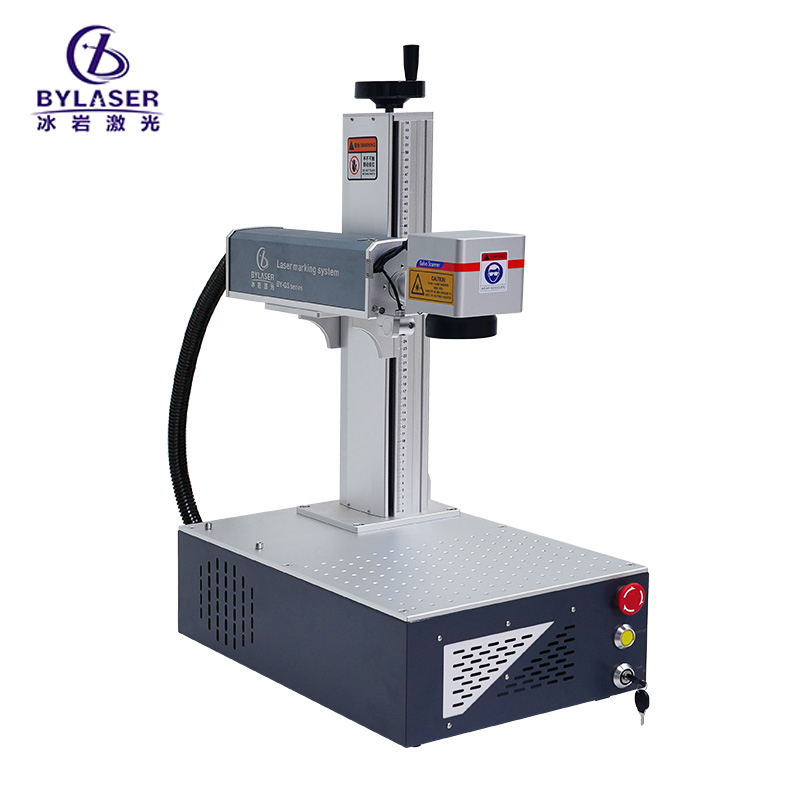
A laser marker is a precision instrument that requires consistent maintenance to function reliably. Whether you operate a fiber laser engraving system in a production facility or a compact marking device in a workshop, understanding maintenance needs is critical for long-term performance and cost-efficiency. Without proper care, even high-quality laser marking machines experience degraded output quality, reduced lifespan, and unexpected downtime.
Routine maintenance of a laser marking machine extends operational life, maintains marking precision, and reduces repair costs. An industrial laser system that receives proper care delivers consistent results and remains productive for years. This guide covers the essential maintenance practices every operator should follow to protect their equipment investment and ensure reliable performance.
Daily and Weekly Maintenance Tasks
Cleaning Optical Components
The fiber laser engraving process generates residue and dust that accumulate on optical surfaces. Lens and mirror contamination reduces beam quality and marking accuracy. Daily visual inspection of optical components helps identify debris early. Clean external lenses gently with lens paper and appropriate optical cleaning solution, always moving in circular motions from center outward to avoid scratching.
Weekly deep cleaning of optical paths maintains the sharpness of your laser marking machine output. Use compressed air to remove loose particles from housing vents and heat sinks. Never touch optical surfaces with bare hands, as skin oils cause permanent damage. A clean optical system ensures your industrial laser system delivers the marking precision and intensity that parts require.
Checking Cooling System Function
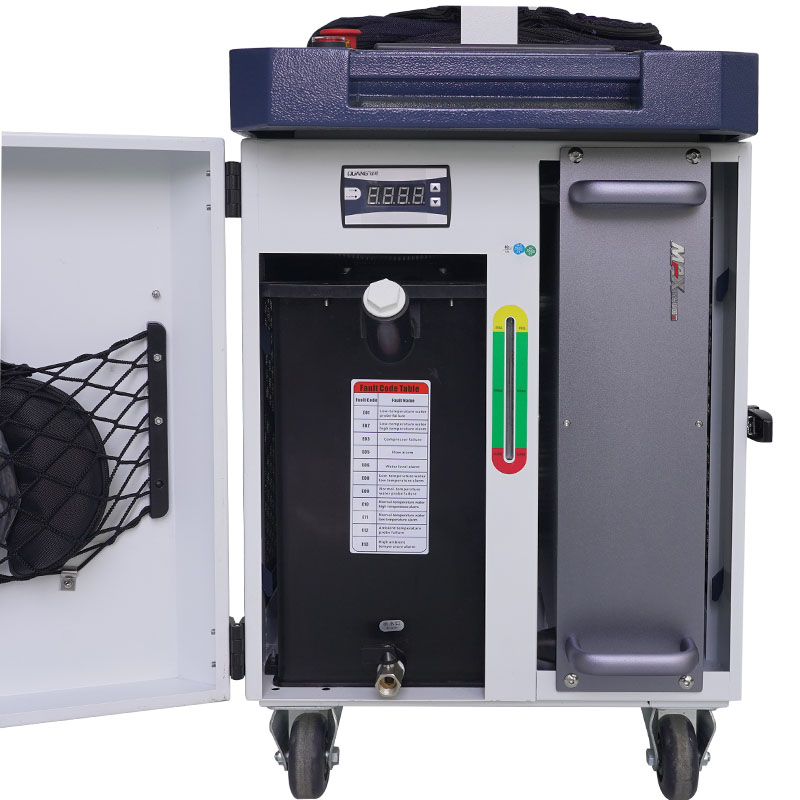
The cooling system regulates temperature inside your laser marker and maintains safe operating conditions. Check water levels in the cooling reservoir weekly and top off with distilled water if needed. Verify that coolant flow indicators show normal circulation without blockages. A laser marking machine that runs hot experiences faster component degradation and reduced power output.
Listen for unusual pump noises or vibrations during operation, which signal pump wear or air bubbles in lines. Ensure cooling fans operate without obstruction and that intake and exhaust vents remain clear. Proper cooling directly impacts how long your fiber laser engraving system performs at full capability.
Monthly and Quarterly Maintenance Procedures
Inspecting and Replacing Filters
Air filters protect internal laser marking machine components from airborne particles that cause deterioration. Inspect filters monthly for visible dust accumulation and replace them quarterly or when they appear clogged. A laser marking machine running with a blocked filter works harder, generates excess heat, and risks component failure. Clean filters maintain consistent cooling efficiency and protect sensitive optical and electrical parts.
Similarly, cooling system filters trap particulates from the water loop. Replace these filters according to your machine manual, typically every three to six months. Dirty filters reduce coolant flow, forcing the industrial laser system to work harder and overheat. Regular filter replacement is one of the most cost-effective preventive measures for your laser marking machine.
Alignment and Calibration Checks
Over time, vibration and thermal expansion can shift optical alignment in a fiber laser engraving system. Monthly checks help catch alignment drift before it degrades marking quality. Use your machine's built-in test patterns or alignment tools to verify beam focus and positioning accuracy. Misaligned optics reduce marking sharpness and may cause the laser marker to skip or produce inconsistent results.
Document baseline measurements when your laser marking machine is new, then compare against these references during checks. Minor drift requires recalibration by following your equipment manual or contacting technical support. An industrial laser system maintained in proper alignment delivers consistent part quality and reduces scrap rates. Quarterly calibration verification prevents larger problems from developing unnoticed.
Annual and Advanced Maintenance
Professional Service and Component Replacement
Schedule annual professional maintenance on your laser marking machine with qualified technicians. Professional inspections include sealed-system diagnostics, optical performance testing, and electrical safety verification that routine daily checks cannot provide. Technicians assess wear on components like mirrors, lenses, and protective optics that cannot be user-replaced safely. A fiber laser engraving system benefits from expert evaluation at least once yearly to catch developing issues early.
Certain components have finite operational lifespans and require planned replacement. Laser tube output degrades gradually over thousands of hours of operation in older systems. Check your specific model documentation for component replacement schedules. An industrial laser system with worn tubes or corrupted optics produces lower power output and cannot mark as quickly or deeply as required. Proactive replacement of wear items keeps your laser marker performing within specification.
Electrical and Safety System Verification
The electrical and safety systems in a laser marking machine protect operators and prevent damage from improper use or equipment malfunction. Annually verify that emergency stop buttons function correctly, interlock switches prevent operation with covers open, and safety indicators display accurate status. Test beam shutters to confirm they respond to command input without delay. A laser marker with compromised safety systems poses injury risks and may violate workplace regulations.
Check power supply connections for corrosion or loose contacts that can cause performance issues or fire hazards. Inspect cooling fan bearings, motor connections, and thermal sensors for signs of degradation. Document all safety and electrical checks in a maintenance log. An industrial laser system maintained with attention to electrical integrity remains safe and reliable throughout its operational life.
FAQ
How often should I replace the cooling fluid in my laser marking machine?
Most manufacturers recommend replacing cooling fluid annually or every 12 months of operation, whichever comes first. In high-use environments, more frequent replacement may be necessary. Check your laser marker documentation for specific intervals based on ambient temperature and usage patterns. Over time, coolant additives break down and mineral buildup accumulates, reducing cooling efficiency. A fiber laser engraving system with degraded coolant cannot maintain optimal operating temperature, causing power loss and component stress.
What signs indicate my laser marking machine needs professional service?
Watch for reduced marking depth or intensity, slower processing speeds, or inconsistent mark quality across your workpieces. Strange noises from the cooling pump, thermal sensor errors, or inability to reach normal operating temperature all signal problems requiring attention. If your industrial laser system shows frequent beam misalignment despite recalibration, internal optical degradation may have occurred. When troubleshooting basic maintenance does not resolve issues, professional diagnostic service becomes necessary to identify root causes and prevent further deterioration.
Can I perform optical cleaning myself on my fiber laser engraving system?
Yes, you can safely clean external optics and protective lenses on your laser marker using proper technique and appropriate materials. Use only optical-grade lens paper and specified cleaning solutions designed for laser optics. Never use paper towels, cloths, or household cleaners that scratch or damage surfaces. Never attempt to access internal optical paths or mirrors unless specifically trained, as misalignment causes permanent marking quality problems. For complex internal cleaning or sealed optical systems in your laser marking machine, request professional service to avoid voiding warranties or creating costly damage.
