


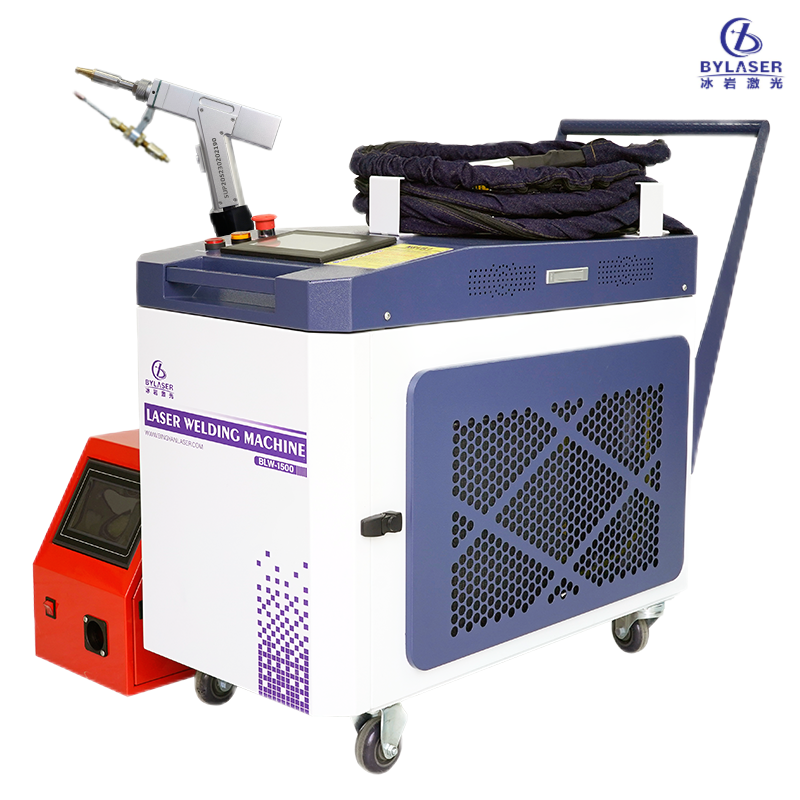
Industrial rust removal has long been a challenge for manufacturing, maintenance, and restoration professionals. Traditional methods like grinding, sandblasting, and chemical treatment consume time, energy, and resources while often leaving surface damage. A laser rust remover represents a modern breakthrough in this field, offering precision and efficiency that conventional approaches struggle to match. This technology harnesses focused laser light to disintegrate rust and contaminants from metal surfaces without harsh chemicals or abrasive methods.
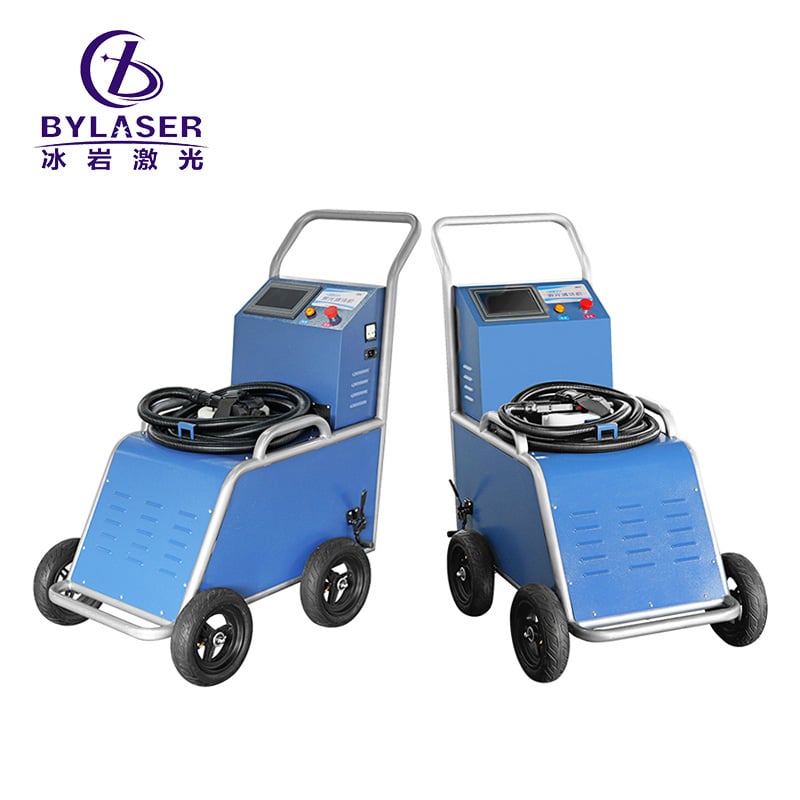
Understanding the effectiveness of rust removal technology requires examining not just what the laser cleaning machine achieves, but also how it compares to existing solutions in real-world scenarios. Effectiveness extends beyond simple rust removal—it encompasses surface preservation, operational speed, material compatibility, and long-term cost implications. When evaluating metal surface treatment options, professionals must weigh performance metrics against practical deployment considerations.
Core Effectiveness of Laser Cleaning Technology
Rust Removal Precision and Speed
The laser cleaning machine operates by emitting high-intensity pulses of light that ablate rust, paint, and oxidation layers from metal surfaces. Unlike sandblasting or grinding, this rust removal technology does not remove base material, making it ideal for thin-walled components, delicate machinery parts, and historical restoration work. The ablation process is so controlled that rust elimination occurs within microseconds, allowing operators to target specific areas without affecting adjacent surfaces or coatings meant to remain intact.
Industrial testing demonstrates that a laser rust remover can clean surfaces at rates significantly faster than manual methods and comparable to or faster than mechanical abrasion in many scenarios. The metal surface treatment achieves cleanliness grades equivalent to commercial sandblasting standards while eliminating dust, secondary waste streams, and worker exposure to harmful particles. For aerospace components, automotive parts, and precision machinery, this level of control represents a competitive advantage in production scheduling and quality assurance.
Surface Preservation and Material Safety
One of the defining advantages of rust removal technology is its non-contact nature. The laser cleaning machine directs energy precisely where needed without mechanical stress, vibration, or pressure that could warp thin components or damage underlying surfaces. This capability is especially valuable for aluminum alloys, copper, titanium, and other materials sensitive to grinding or shot blasting, where traditional metal surface treatment methods risk compromising structural integrity or dimensional accuracy.
The laser rust remover also preserves existing protective coatings when selective cleaning is required. Operators can remove rust while leaving intact paint, plating, or patina layers that serve functional or aesthetic purposes. This selectivity is nearly impossible with abrasive methods and would require extensive masking with chemical cleaning approaches, making laser technology uniquely suited to restoration and maintenance scenarios where precision matters.
Comparative Effectiveness Against Traditional Methods
Performance Metrics and Operational Advantages
When compared head-to-head, a laser rust remover outperforms traditional approaches in several critical dimensions. Sandblasting generates significant dust and secondary containment requirements, limiting deployment in sensitive environments like food processing facilities, electronics manufacturing, or medical device production. Chemical rust removal technology introduces hazardous waste disposal costs and worker safety concerns. The laser cleaning machine produces minimal byproducts—primarily vaporized rust and microscopic particles easily controlled with simple ventilation—making it environmentally compliant and worker-friendly.
Rust removal technology also delivers superior consistency. Manual labor introduces variability; mechanical equipment can miss recessed areas or apply uneven pressure. A laser rust remover, when properly calibrated, delivers uniform energy distribution across the target surface, ensuring predictable results and compliance with quality specifications. For manufacturers managing rust prone inventory or managing preventive maintenance schedules, this repeatability translates to reduced rework, faster throughput, and lower defect rates.
Cost-Effectiveness and Total Operating Expenses
Initial capital investment for a laser cleaning machine exceeds traditional sandblasting equipment, but lifecycle economics favor laser technology when considering operational costs. A laser rust remover eliminates consumables like sandpaper, abrasive grit, chemical solutions, and disposal fees. Labor productivity improves because the metal surface treatment process operates faster with less setup time and no safety equipment overhead. Facilities reduce waste disposal costs, worker injury claims, and equipment maintenance compared to abrasive rust removal methods that require regular equipment service and cleaning.
For organizations processing high volumes of corroded parts or performing routine maintenance across large asset bases, rust removal technology investments pay for themselves within 1–3 years depending on scale and application intensity. Service providers offering laser cleaning solutions often operate profitably at rates comparable to or lower than sandblasting services, making the transition economically feasible for budget-conscious operations. The reduced secondary labor for cleanup and waste handling further improves the financial case for laser technology adoption.
Practical Applications and Real-World Effectiveness
Industrial and Commercial Use Cases
The laser cleaning machine proves exceptionally effective in manufacturing environments where rust interferes with assembly, measurement, or quality inspection. Automotive suppliers use rust removal technology to clean stamped parts before welding, improving joint quality and reducing rework. Aerospace manufacturers apply laser rust removers to aircraft maintenance, eliminating corrosion without damaging composite overlays or protective primers. Industrial equipment maintenance teams employ the metal surface treatment to restore machinery to operational condition without extended downtime associated with sandblasting or chemical tank immersion.
Beyond manufacturing, restoration specialists and conservation professionals rely on laser technology to preserve historical metal artifacts, architectural elements, and antique machinery where traditional rust removal methods would cause irreversible damage. The precision of a laser rust remover makes it invaluable in these contexts, allowing selective rust elimination from cast iron, bronze, and steel surfaces while preserving patina, detail, and material authenticity that define historical value.
Limitations and Conditions for Maximum Effectiveness
Despite significant advantages, rust removal technology performs optimally under specific conditions. Surface geometry matters—deeply recessed areas or complex internal cavities may require multiple angles or positioning adjustments. The laser cleaning machine also works more efficiently on ferrous metals than on some non-ferrous materials, though technology advances continue expanding material compatibility. Operators must account for surface color and reflectivity, as certain finishes affect ablation efficiency compared to bare oxidized metal.
Environmental factors influence effectiveness; the laser rust remover operates most reliably indoors or in controlled outdoor conditions, as ambient light, dust, and moisture can degrade performance. Component accessibility is critical—items must fit within the equipment's work envelope and be positionable for laser access. Understanding these parameters ensures realistic expectations and proper application selection, preventing disappointment from mismatched deployment scenarios.
FAQ
Can a laser rust remover handle heavily corroded industrial components?
Yes, rust removal technology effectively addresses severe corrosion on industrial equipment. The laser cleaning machine progressively ablates rust layers, even through thick oxidation. For heavily corroded parts, multiple passes may be necessary, but the process remains non-destructive and reliable. Testing confirms that even decades-old corrosion yields to laser treatment without compromising underlying base metal integrity, making it ideal for restoration of vintage machinery and long-idle equipment.
How does metal surface treatment with lasers compare to traditional sandblasting in terms of environmental impact?
Laser rust remover technology significantly reduces environmental burden compared to sandblasting. Sandblasting generates particulate waste requiring containment and disposal, while laser cleaning machines produce minimal byproducts and no secondary chemical waste. The rust removal technology eliminates water usage associated with wet blasting and reduces air pollution from dust generation. Facilities require simpler ventilation systems and face minimal regulatory compliance complexity, making laser approaches preferable from sustainability and occupational health perspectives.
What is the typical lifespan and maintenance requirement for a laser cleaning machine?
Modern laser rust remover equipment typically operates reliably for 5–10 years with proper maintenance. Unlike abrasive systems requiring frequent consumable replacement and mechanical service, a laser cleaning machine demands routine optics cleaning, cooling system maintenance, and periodic calibration. These maintenance intervals are predictable and non-intensive, contributing to lower operating costs. Operators should follow manufacturer guidelines for protective optics care and laser tube servicing to maximize equipment life and maintain rust removal technology performance consistency.
