


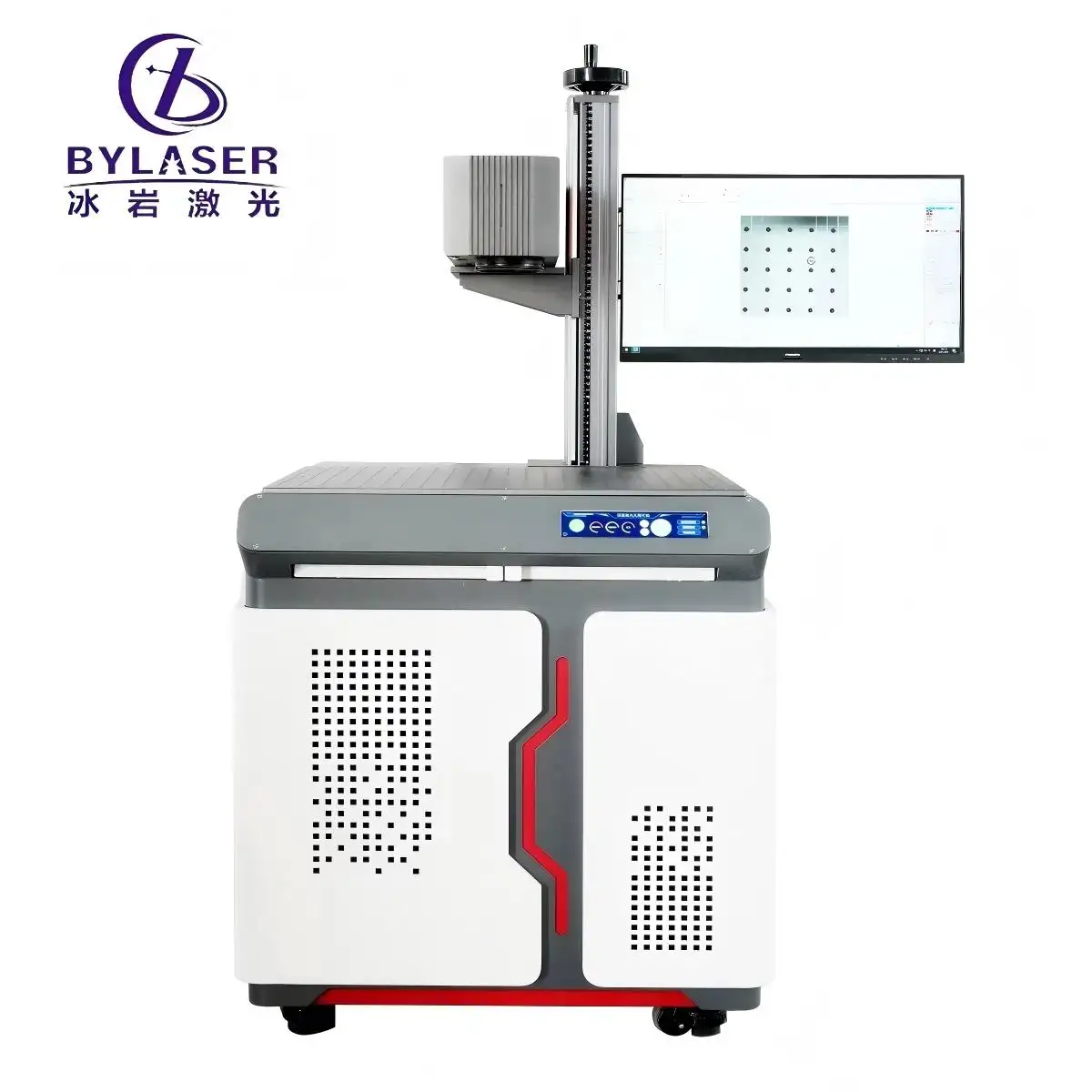
A laser marker is a precision tool that uses focused laser light to create permanent marks, engravings, or cuts on material surfaces. Whether you work in manufacturing, jewelry production, electronics assembly, or medical device fabrication, understanding how a laser marking machine operates is essential for optimizing your production workflow and achieving superior marking quality. The industrial laser system has become indispensable across countless industries, delivering speed, accuracy, and consistency that traditional marking methods simply cannot match.
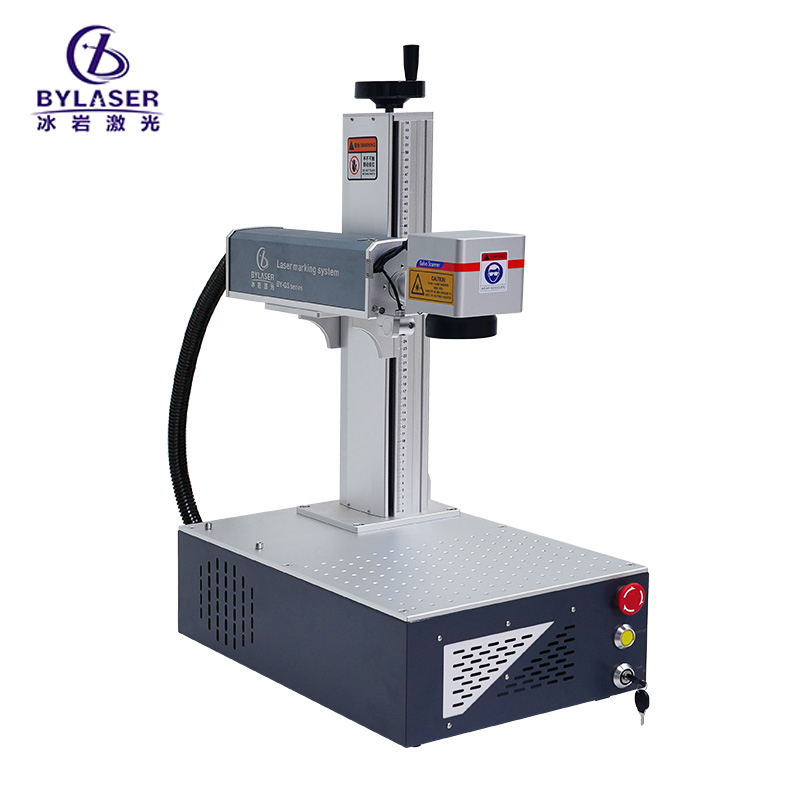
The fundamental principle behind laser marking technology involves concentrated photon energy interacting with material at the molecular level. When the laser beam strikes the surface, it generates intense heat in a microscopically small area, causing material ablation, discoloration, or surface modification without requiring physical contact. This non-contact marking approach eliminates tool wear, reduces maintenance costs, and enables marking on delicate or complex-shaped surfaces where traditional engraving tools would cause damage or deformation.
Core Technology Behind Laser Marking Systems
How Fiber Laser Engraving Works
Fiber laser engraving represents the most widely adopted technology in modern laser marking machines. The fiber laser source generates light at 1064 nanometers wavelength, which is highly absorbed by metals, plastics, and many organic materials. This fiber laser engraving method uses a fiber optic cable to deliver the laser beam to a galvanometer-controlled mirror system, which directs the beam across the workpiece with extraordinary precision and speed. The concentrated beam creates marks with depths ranging from surface-level discoloration to deep engravings, depending on laser power and dwell time settings.
The beam delivery system in a laser marking machine is what allows operators to achieve consistent results across complex geometric patterns. Galvanometer mirrors can reposition the beam thousands of times per second, enabling rapid marking of intricate designs, serial numbers, QR codes, and barcodes. Industrial laser systems equipped with fiber technology operate at wall-plug efficiencies exceeding 20 percent, making them significantly more energy-efficient than older CO2 or lamp-pumped solid-state alternatives. This efficiency translates directly into lower operating costs and reduced thermal management requirements in your production facility.
Pulse Duration and Material Interaction
Laser marking machines deliver energy in microsecond or nanosecond pulses, controlling exactly how much thermal energy deposits into the material. Shorter pulse durations create finer detail and reduce heat-affected zones around the mark, which is particularly important when marking temperature-sensitive components like electronics or composites. A fiber laser engraving system typically operates at pulse frequencies between 20 to 200 kilohertz, allowing the laser marking machine to complete complex patterns in seconds rather than minutes. The repetition rate, combined with scanning speed, determines the overall marking throughput and production efficiency for your facility.
Different materials respond differently to laser energy, and understanding these interactions is central to maximizing quality. Metals typically show excellent absorption across the infrared spectrum, making fiber laser technology ideal for marking stainless steel, aluminum, titanium, and copper alloys. Plastics, ceramics, and anodized surfaces also respond well to laser marking machines, though specific parameter tuning ensures optimal contrast and mark permanence without material degradation.
Practical Applications and Industry Use Cases
Manufacturing and Product Identification
Industrial laser systems have become the standard for permanent product identification in manufacturing environments. When you need to mark serial numbers, batch codes, logos, or date codes directly onto components, a laser marking machine delivers unmatched speed and permanence. Unlike inkjet or mechanical marking methods, laser-marked identifiers cannot fade, wash off, or deteriorate over product lifetime, which is critical for compliance, traceability, and warranty verification. Automotive suppliers, electronics manufacturers, and medical device producers rely on fiber laser engraving to mark thousands of components daily without consumable costs or downtime.
The non-contact nature of laser marking eliminates the risk of part damage that occurs with mechanical stamping or pressing. When marking small, precision-engineered parts, a single contact-based method can introduce deformation or stress concentration points that compromise structural integrity. An industrial laser system marks with zero physical force, preserving dimensional accuracy and material properties while creating visually sharp, indelible marks.
Customization and Personalization Markets
In jewelry, luxury goods, and personalized product sectors, laser marking machines enable on-demand customization without tooling costs or setup delays. A fiber laser engraving system can mark names, dates, initials, or custom graphics onto rings, watches, pens, plaques, and corporate gifts within minutes of receiving an order. This flexibility drives profitability in low-volume, high-variety production scenarios where traditional marking methods would be economically infeasible. The industrial laser system reduces time-to-delivery, supports pricing premiums for customized offerings, and opens market opportunities that standardized production cannot capture.
The ability to produce high-quality personalized marks at scale has transformed entire business models. Wedding bands, commemorative items, awards, and branded merchandise can now be marked with precise detail and individual customization, creating new revenue streams and competitive differentiation for manufacturers and resellers.
Performance Characteristics and System Considerations
Marking Speed and Production Capacity
Modern fiber laser engraving systems achieve marking speeds of 1 to 10 meters per second, depending on laser power and marking depth. A laser marking machine rated at 20 or 30 watts can mark a 1-inch-square product identification pattern in 2 to 5 seconds, enabling production rates of 500 to 1000 parts per hour in many applications. For high-volume applications, an industrial laser system integrates with conveyor systems, robotic handling, or multi-position work tables to maximize throughput without operator intervention. This automation potential makes laser marking machines particularly valuable in continuous production environments where consistent, high-speed marking is non-negotiable.
The combination of marking speed and reliability means laser marking machines operate with minimal downtime compared to mechanical or chemical marking alternatives. Once a laser marking machine is dialed in, it produces consistent results batch after batch, shift after shift, with no wear to critical components and no consumable replenishment needs.
Safety and Operational Advantages
Fiber laser engraving and other industrial laser systems operate safely when proper containment and interlocks are in place. A laser marking machine generates electromagnetic radiation within a tightly focused beam, contained within an enclosed work chamber that prevents operator exposure. This enclosure also captures fume and particulate generated during ablation, improving workplace air quality and meeting occupational safety regulations. Compared to chemical etching, mechanical stamping, or solvent-based marking methods, an industrial laser system poses fewer health hazards and requires minimal personal protective equipment beyond standard shop practices.
The absence of consumables—no inks, solvents, or stamping dies—simplifies inventory management and reduces ongoing operational complexity. A laser marking machine requires periodic optical cleaning and calibration, but maintenance intervals are measured in months rather than hours of operation, substantially lowering total cost of ownership over the system lifecycle.
FAQ
What materials can a laser marking machine mark effectively?
A laser marking machine using fiber laser engraving technology marks most metals, including stainless steel, aluminum, titanium, copper, and brass, producing high-contrast, permanent marks. Plastics, ceramics, glass, rubber, and anodized surfaces are also excellent candidates for laser marking. However, some reflective metals like polished aluminum and certain anodized coatings may require surface preparation. Your industrial laser system specifications will specify compatible materials and optimal parameter ranges for best results.
How does a laser marker achieve such fine detail compared to mechanical methods?
A laser marking machine focuses the beam to a spot size as small as 20 to 100 micrometers, far smaller than any mechanical tool point. This microscopic precision, combined with computer control and fiber laser engraving precision scanning, enables marks with line widths and details that mechanical stamping or engraving cannot achieve. An industrial laser system can resolve QR codes, fine text, and complex graphics without losing definition, making it ideal for applications requiring both detail and permanence.
What is the typical lifespan and maintenance requirement for a laser marker?
Most fiber laser engraving systems operate for 50,000 to 100,000 hours before significant optical degradation occurs, easily supporting ten or more years of production use. Maintenance primarily involves periodic cleaning of optical windows and calibration checks, typically performed quarterly or semi-annually. Unlike mechanical marking tools that wear down with each cycle or chemical marking systems that require regular replenishment, an industrial laser system offers low ongoing maintenance demands and predictable operational costs throughout its useful life.
