


Yes, a laser engraving machine for metal can absolutely work on stainless steel, making it one of the most versatile metal marking technology solutions available for industrial and commercial applications. Stainless steel is an ideal substrate for laser marking because of its reflective surface and dense composition, which respond exceptionally well to high-powered laser beams. Modern precision metal engraving equipment, particularly fiber laser systems, has been specifically engineered to handle the unique challenges that stainless steel presents, delivering permanent marks with exceptional clarity and durability.
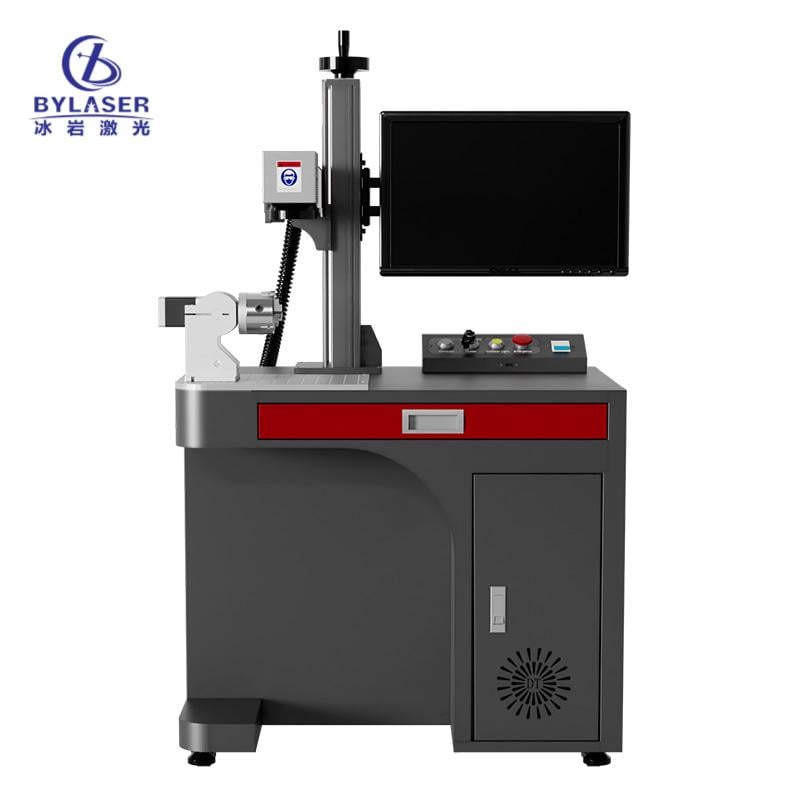
Understanding how fiber laser metal processing interacts with stainless steel surfaces is essential for manufacturers and fabricators who depend on reliable metal marking technology for product identification, branding, and traceability. The combination of precision metal engraving equipment and advanced laser technology enables operators to achieve consistent results across different stainless steel grades, from 304 and 316 to duplex varieties. This comprehensive guide explores the capabilities, technical considerations, and practical applications of laser marking on stainless steel materials.
How Fiber Laser Metal Processing Works on Stainless Steel
The Science Behind Laser Marking Technology
Fiber laser metal processing operates by directing a concentrated beam of light onto the stainless steel surface, where the energy causes controlled material ablation or discoloration. The laser beam heats the metal to extreme temperatures in microseconds, creating a permanent mark without physically cutting through the material. Metal marking technology using fiber lasers is particularly effective on stainless steel because the wavelength of fiber lasers—typically around 1064 nanometers—is highly absorbed by metallic surfaces rather than reflected away.
Technical Advantages for Stainless Steel Applications
Precision metal engraving equipment designed for stainless steel offers several key advantages over traditional marking methods. Fiber laser systems produce marks that are highly resistant to oxidation, corrosion, and wear, which is critical for stainless steel components that will be exposed to harsh environments. The fiber laser metal processing technology delivers exceptional speed and accuracy, capable of creating fine details and complex patterns without thermal distortion or edge irregularities that can compromise product aesthetics or functionality.
Practical Applications of Metal Marking Technology in Manufacturing
Industrial Identification and Traceability
Manufacturers across diverse industries rely on precision metal engraving equipment to apply serial numbers, batch codes, and regulatory markings to stainless steel components. Automotive suppliers, medical device manufacturers, and aerospace companies depend on fiber laser metal processing to ensure permanent, readable marks that meet strict compliance and traceability requirements. The laser engraving machine for metal provides non-contact marking, eliminating the risk of physical damage or contamination that can occur with mechanical marking tools.
Custom Branding and Product Personalization
Beyond functional identification, metal marking technology enables manufacturers to apply logos, brand names, and decorative patterns to stainless steel products. Precision metal engraving equipment allows for high-resolution imaging capabilities that transform stainless steel surfaces into branded displays. Whether marking kitchen appliances, jewelry, promotional items, or industrial equipment, fiber laser metal processing delivers consistent, professional-quality results that enhance product value and customer perception.
Technical Considerations When Selecting Precision Metal Engraving Equipment
Power Output and Mark Depth Requirements
The performance of a laser engraving machine for metal on stainless steel depends significantly on laser power, typically measured in watts. Higher-powered fiber laser metal processing systems can create deeper, more pronounced marks and process materials faster than lower-power alternatives. For light surface marking, 20–50 watt systems are often sufficient, while demanding industrial applications may require 100 watts or more. Understanding your specific mark depth and production volume requirements ensures you select metal marking technology that balances efficiency with cost-effectiveness.
Material Grade Compatibility and Surface Preparation
Different stainless steel grades exhibit varying laser absorption characteristics, and precision metal engraving equipment must be calibrated appropriately for each material type. Grade 304 stainless steel, the most common variety, responds well to standard fiber laser parameters. However, highly polished or reflective stainless steel surfaces may require different focus settings or pulse frequencies compared to brushed finishes. Pre-cleaning the stainless steel surface removes contaminants that can interfere with mark quality, ensuring consistent results across large production runs when using metal marking technology.
Speed and Throughput Optimization
Production speed is a critical factor for manufacturers selecting precision metal engraving equipment. Fiber laser metal processing systems can mark multiple items per minute, depending on mark complexity and size. Advanced laser engraving machines for metal feature adjustable scanning speeds and pulse frequencies that allow operators to optimize throughput without sacrificing mark quality. For high-volume operations, throughput capabilities directly impact cost per unit and overall production efficiency.
FAQ
What types of marks can a laser engraving machine for metal create on stainless steel?
Precision metal engraving equipment can create a wide variety of marks on stainless steel, including text, serial numbers, barcodes, QR codes, logos, and detailed graphics. Fiber laser metal processing systems can adjust power, speed, and pulse settings to produce everything from light surface etching to deep engravings. The depth and darkness of marks can be precisely controlled, allowing manufacturers to meet specific aesthetic and functional requirements while using metal marking technology.
How does stainless steel surface finish affect laser engraving results?
Stainless steel surface finish significantly influences how a laser engraving machine for metal performs. Brushed or matte finishes typically produce more consistent marks than polished, mirror-like surfaces, which can reflect more laser energy and create variable mark quality. Fiber laser metal processing works effectively on both finishes, but operators may need to adjust laser parameters when switching between different surface preparations. Metal marking technology delivers superior results when surface contamination is minimized before marking begins.
What is the lifespan and durability of laser-marked stainless steel?
Marks created by precision metal engraving equipment on stainless steel are permanent and highly durable, often lasting as long as the component itself. Fiber laser metal processing creates marks through material alteration or controlled oxidation, rather than surface coatings that can wear away. Metal marking technology produces marks resistant to corrosion, chemical exposure, and mechanical abrasion, making laser-engraved stainless steel ideal for products that require long-term traceability and identification.
