


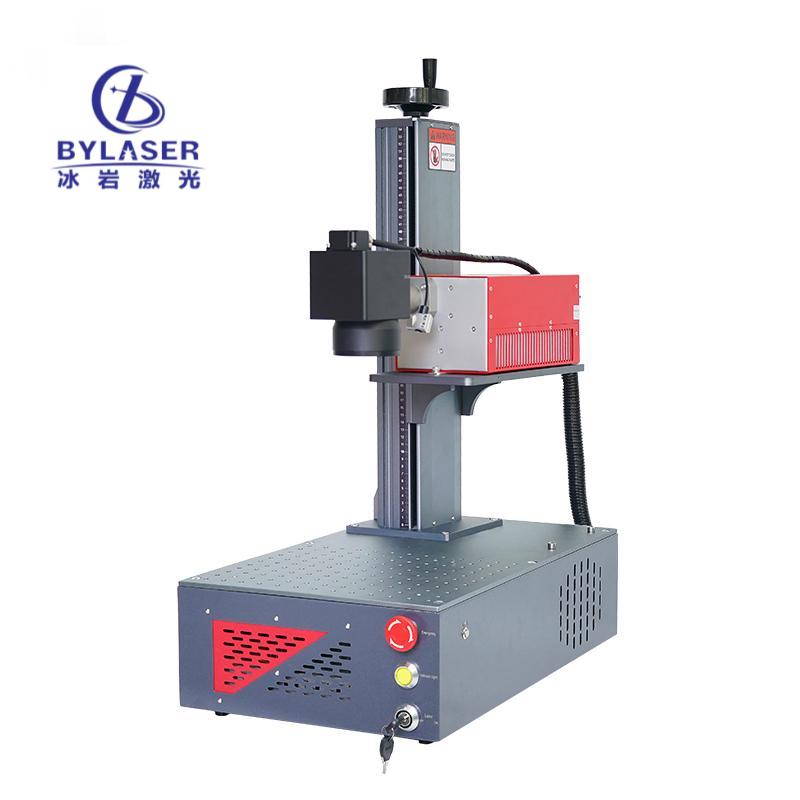
Operating a uv laser marking machine involves multiple cost factors that extend well beyond the initial equipment purchase. Understanding the complete cost structure is essential for manufacturers, job shops, and businesses considering this technology as an investment. The total cost of ownership depends on equipment expenses, energy consumption, maintenance requirements, consumables, labor, and production volume. Industrial buyers need to evaluate these components systematically to calculate accurate ROI and determine whether UV marking technology aligns with their operational budget and business objectives.
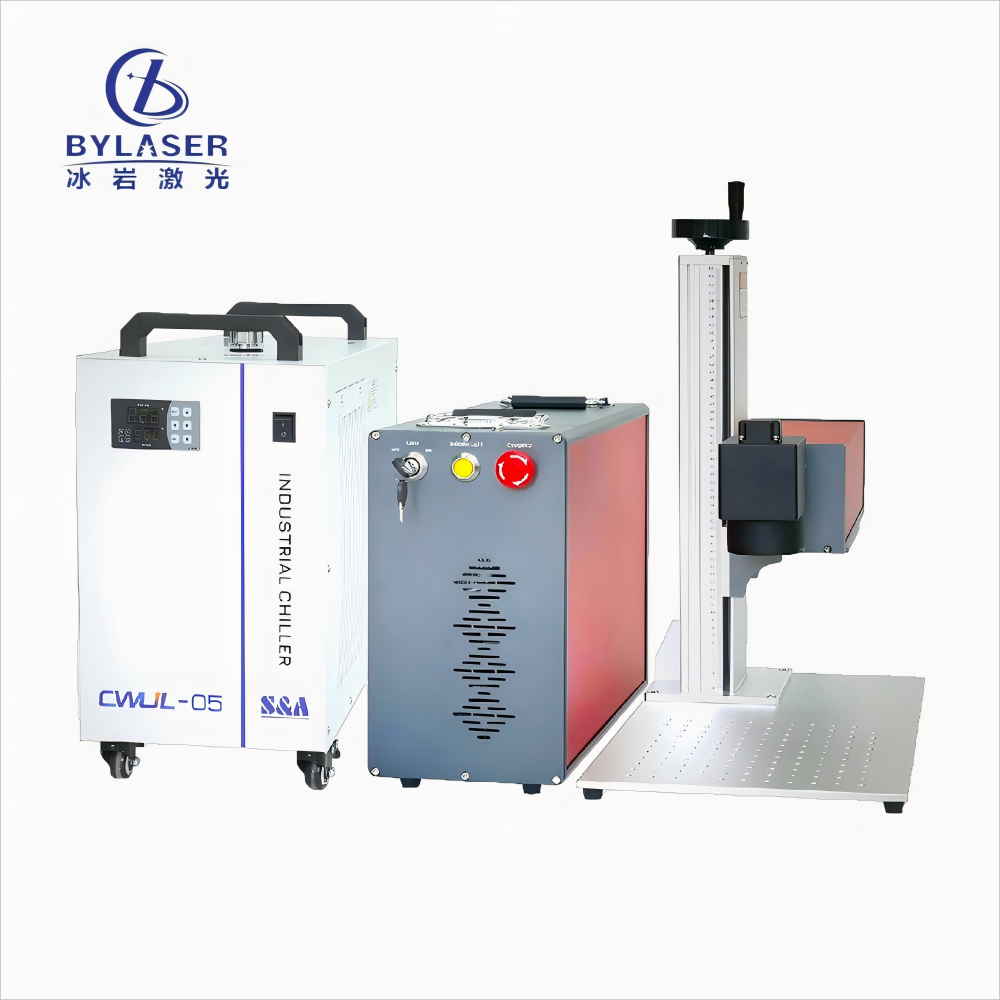
The operating cost of a UV marking system varies significantly based on machine specifications, production volume, and facility infrastructure. Entry-level systems require lower upfront investment than industrial-grade units, but operational efficiency metrics differ accordingly. High-volume manufacturers using ultraviolet laser engraving technology must account for power draw, cooling system maintenance, component replacement cycles, and indirect labor costs. By breaking down each cost category, businesses can better forecast annual expenses and make informed decisions about system sizing and capacity planning.
Equipment Investment and Initial Costs
Purchase Price and Specifications
The purchase price of a uv laser marking machine typically ranges from mid-range investment for compact tabletop models to substantial capital expenditure for industrial-capacity systems. Compact, portable units designed for small-volume production cost less but may impose throughput limitations. Industrial-grade systems with larger work areas, faster marking speeds, and integrated material handling systems command premium prices. UV marking technology offers distinct advantages over mechanical and thermal marking methods, justifying equipment investment for applications requiring precision, speed, and permanent marks on diverse substrates.
Installation, Calibration, and Setup
Beyond equipment acquisition, installation expenses include facility preparation, electrical infrastructure upgrades, cooling system setup, and system calibration. Many laser marking for metal applications require dedicated power circuits, water cooling systems, and exhaust ventilation. Professional installation and operator training add to initial costs but reduce startup delays and early operational issues. First-year expenses typically exceed equipment cost alone, making accurate budgeting critical for financial planning and departmental approvals.
Operational and Utility Costs
Energy Consumption and Power Requirements
Operating a uv laser marking machine incurs ongoing electrical expenses through laser tube operation, cooling system pumps, air compressors, and control electronics. Power consumption typically ranges from 3 to 15 kilowatts depending on laser power output and system components. Water-cooled systems draw more power than air-cooled alternatives but provide superior thermal management for continuous operation. Monthly electricity costs depend on local utility rates, operating hours, and system efficiency. For facilities running 24/7 production, power expenses become a significant line item in monthly operating budgets.
Consumables and Replacement Components
Regular consumable costs include cooling fluid, air filters, electrical components, and lenses. Ultraviolet laser engraving systems require periodic laser tube replacement, which represents a substantial expense occurring every 5,000 to 10,000 operating hours depending on machine quality and usage patterns. Galvanometer mirrors, optical lenses, and focusing elements degrade over time and require replacement. These consumables directly impact operating costs and should be factored into annual budget forecasts based on anticipated production volume and machine utilization rates.
Maintenance, Support, and Indirect Costs
Preventive Maintenance and Service Programs
Scheduled maintenance extends machine lifespan and prevents costly downtime associated with UV marking technology failures. Preventive service includes lens cleaning, optical alignment verification, cooling system inspections, and electrical component testing. Annual maintenance contracts with equipment suppliers typically range from 10 to 15 percent of equipment cost. Unplanned repairs triggered by inadequate maintenance can exceed preventive service costs significantly. Facilities must balance maintenance spending against production risk, as laser marking for metal applications often support time-sensitive customer deliveries.
Labor and Operator Training
Qualified operators require training on UV marking technology setup, parameter optimization, material compatibility, and safety protocols. Ongoing training maintains operator competency and reduces marking defects requiring rework. Labor allocation includes machine setup, mark quality monitoring, throughput tracking, and minor troubleshooting. For high-volume operations, one dedicated operator may manage multiple systems or support partial-time attention on multiple machines. Labor costs scale with production hours and facility staffing models.
FAQ
What is the typical payback period for uv laser marking machine investment?
Payback periods for uv laser marking machine systems typically range from 12 to 36 months depending on application volume, mark pricing, and baseline costs. High-volume applications replacing manual marking or older technologies show faster ROI. Facilities with moderate production volumes may experience longer payback timelines but benefit from superior mark quality and production flexibility. Accurate ROI calculation requires comparing total operating costs against revenue or cost savings generated by marks produced.
How does ultraviolet laser engraving reduce costs compared to other marking methods?
Ultraviolet laser engraving eliminates consumable marking materials, reduces rework from defective marks, and increases throughput compared to mechanical or contact marking systems. UV marking technology produces permanent, high-contrast marks without requiring inks, dyes, or sacrificial materials. Faster marking speeds reduce per-unit production time, lowering labor allocation and overhead absorption. These operational efficiencies offset higher equipment costs over extended production timelines, particularly in high-volume environments.
Can laser marking for metal applications justify equipment investment in small production facilities?
Small facilities with specialized marking requirements may justify laser marking for metal applications through outsourcing cost comparisons or unique market positioning. Contract marking services often charge premium rates per mark or minimum order quantities. Owning uv laser marking machine equipment enables on-demand marking capability, rapid prototyping support, and immediate customer response. Small facilities benefit from portable or compact systems with lower equipment costs and operational overhead compared to industrial-scale installations.
