


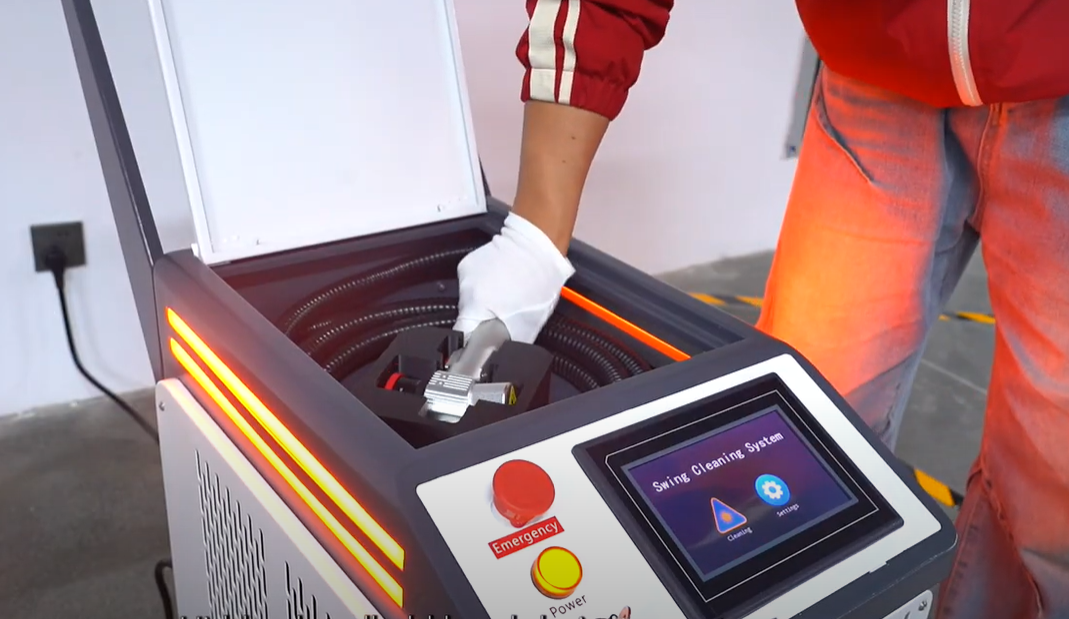
Achieving optimal results with a laser engraving machine for metal requires understanding the relationship between machine settings, material properties, and desired output quality. Metal surfaces present unique challenges compared to other materials because of their reflectivity, thermal conductivity, and varying surface conditions. Whether you work with stainless steel, aluminum, copper, or titanium, the optimization process follows core principles that ensure consistent, high-quality engravings while maximizing equipment lifespan and production efficiency.
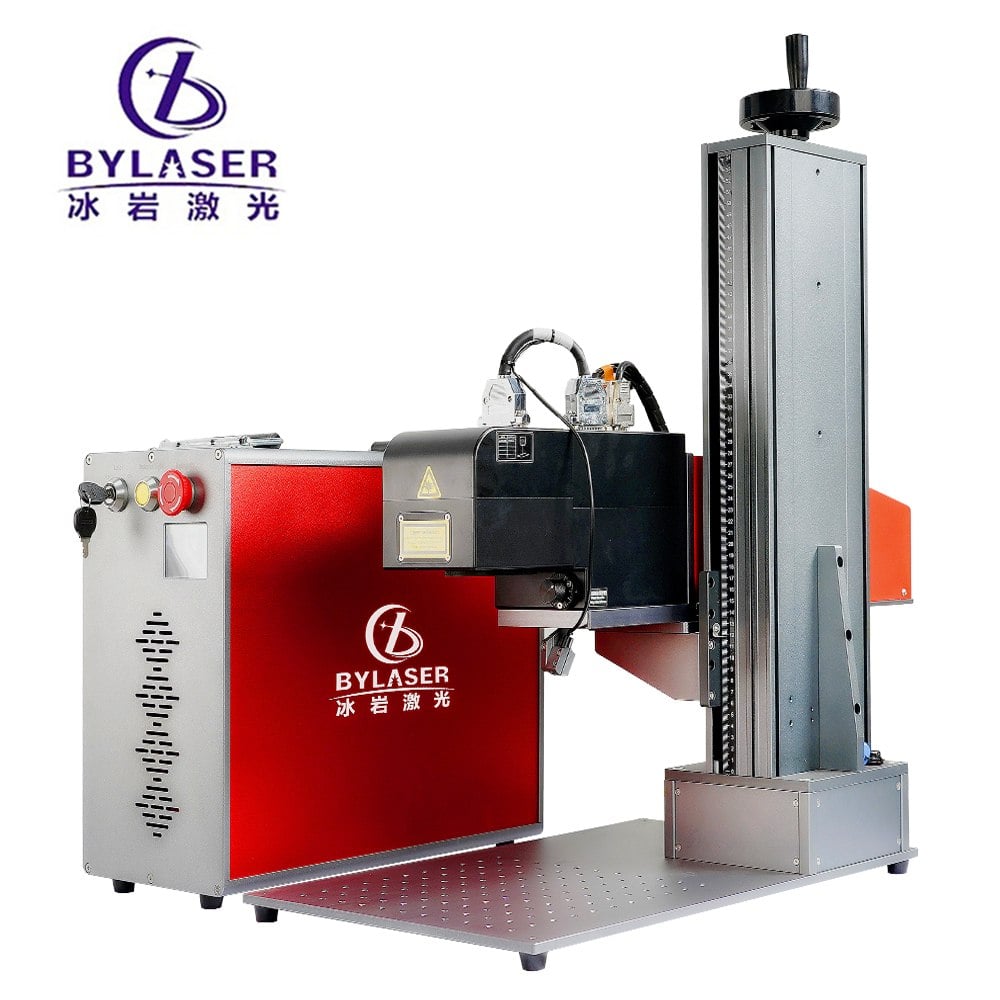
The foundation of successful metal marking technology implementation lies in understanding your specific equipment's capabilities and your material's response to laser energy. Fiber laser metal processing systems operate differently from other laser types, delivering concentrated energy that vaporizes or melts metal surfaces to create permanent marks. Success depends on calibrating power levels, pulse frequency, scan speed, and focus depth to match your metal type and desired mark depth, ensuring precision metal engraving equipment performs reliably across production runs.
Understanding Metal Surface Characteristics and Laser Interaction
How Metal Properties Affect Engraving Performance
Different metals respond distinctly to laser energy due to their unique physical and thermal properties. Aluminum and copper, for example, reflect significant portions of laser light, requiring higher power settings compared to stainless steel, which absorbs more energy. Your laser engraving machine for metal must account for these differences; otherwise, you risk shallow marks, inconsistent depth, or surface damage. Understanding melting points, thermal conductivity, and surface oxidation states allows operators to anticipate how each material will behave during fiber laser metal processing.
Temperature Management During the Engraving Process
Metal conducts heat efficiently, distributing laser energy beyond the intended engraving area. When operating a laser engraving machine for metal at high power levels without thermal management, heat accumulation can distort thin workpieces or damage surrounding areas. Strategic cooling intervals, controlled pulse patterns, and appropriate scan speeds help manage temperature buildup. Fiber laser metal processing systems benefit from intermittent operation schedules that allow metals to cool between engravings, particularly when working with thin-walled or precision components where thermal stress poses risks.
Optimizing Machine Settings for Metal Engraving
Power Level and Pulse Frequency Configuration
Power settings form the foundation of metal marking technology effectiveness. Starting at conservative power levels and incrementally increasing allows you to find the minimum power needed for clean, legible marks without excessive vaporization or material distortion. Most precision metal engraving equipment operates effectively between 20% and 80% of maximum power, depending on metal type and desired mark depth. Pulse frequency affects mark quality; higher frequencies create smoother marks with less heat damage, while lower frequencies produce deeper but potentially rougher engravings.
Testing is essential before committing to production parameters. Create test marks on scrap metal identical to your workpiece material, varying power and frequency settings. Document which combinations produce your desired mark depth, color consistency, and surface finish. This systematic approach saves time and material waste while ensuring your laser engraving machine for metal achieves reproducible results. Fiber laser metal processing systems typically show the greatest consistency when operating within their designed power range rather than at extreme settings.
Scan Speed and Focus Depth Alignment
Scan speed determines how quickly the laser beam moves across the metal surface, directly affecting mark depth and clarity. Slower scan speeds allow more laser energy to act on each point, creating deeper marks but potentially causing heat distortion. Faster speeds produce lighter marks with minimal thermal impact. Your precision metal engraving equipment includes speed controls that should be adjusted based on material thickness and desired mark characteristics. Most operators find that medium scan speeds, paired with appropriate power levels, deliver the best balance between mark quality and production throughput.
Focus depth refers to how precisely the laser beam concentrates on the metal surface. Maintaining optimal focus ensures that all parts of your workpiece receive consistent laser energy, resulting in uniform mark appearance across the entire engraved area. Use your laser engraving machine for metal's autofocus function if available, or perform manual focus checks before each batch. Metal marking technology performs best when the focal point sits just at or slightly below the metal surface, maximizing energy density and mark sharpness. Misaligned focus is among the most common causes of inconsistent results in fiber laser metal processing applications.
Material-Specific Strategies and Best Practices
Working with Stainless Steel and Mild Steel
Stainless steel ranks among the most commonly engraved metals due to its widespread industrial use and favorable laser interaction properties. It absorbs laser energy efficiently and produces clean, permanent marks with moderate power settings. When optimizing your laser engraving machine for metal applications on stainless steel, start at 30-50% power with medium scan speeds and assess the results. The metal marking technology creates a characteristic dark mark through oxidation, which becomes particularly visible on polished surfaces. Ensure adequate ventilation during operation, as stainless steel engraving produces metal fumes and particulate matter.
Mild steel behaves similarly to stainless steel but may require slightly lower power settings to achieve comparable mark depth. Rust and surface oxidation present challenges; cleaning the surface beforehand dramatically improves mark consistency. Precision metal engraving equipment achieves excellent results on mild steel across batch production runs when initial setup parameters are correctly established. The mark contrast on mild steel is generally strong, making it ideal for applications where legibility and permanence are critical requirements.
Handling Reflective Metals and Specialty Alloys
Aluminum and copper present unique challenges because their high reflectivity deflects laser energy, reducing mark efficiency. Your laser engraving machine for metal must operate at higher power levels when processing reflective metals, typically 60-80% of maximum capacity. Some fiber laser metal processing systems include special coatings or surface treatments that reduce reflectivity and improve energy absorption. When engraving aluminum, consider anodized surfaces as they offer better laser absorption than bare aluminum, producing cleaner marks with lower power requirements.
Specialty alloys, including titanium and nickel-based superalloys, require careful parameter adjustment because they conduct heat differently than common structural metals. Test engravings remain essential when working with unfamiliar alloys, as metal marking technology response varies significantly. Precision metal engraving equipment typically performs well on titanium at moderate-to-high power settings with slower scan speeds, producing high-contrast marks suitable for aerospace and medical device applications. Document your settings for each alloy type to build a reference library that streamlines future production jobs.
Maintenance and Equipment Care for Long-Term Performance
Lens Cleaning and Optical System Maintenance
Metal engraving generates particulate matter and fumes that gradually accumulate on optical components within your laser engraving machine for metal. Dirty lenses reduce beam focus quality and energy transmission, directly degrading mark quality and requiring compensatory power increases. Establish a regular cleaning schedule, typically weekly for high-volume operations, using appropriate lens cleaning solutions and soft, lint-free materials. Damaged or scratched optics significantly impact performance and should be replaced promptly. Fiber laser metal processing systems perform optimally when optical paths remain clean and undamaged.
Beyond lenses, inspect mirrors, beam paths, and focusing elements regularly for contamination or misalignment. Many operators implement maintenance logs to track when components were cleaned or serviced, enabling predictive maintenance schedules. Precision metal engraving equipment preserves consistent output over years when optical systems receive proper attention. Investing in preventive maintenance reduces downtime and extends equipment lifespan, ultimately improving return on your laser investment.
Cooling System Optimization
Fiber laser metal processing systems generate significant heat during operation, necessitating effective cooling to maintain consistent performance and prevent thermal damage to internal components. Most modern precision metal engraving equipment includes water or air cooling systems that must be monitored and maintained. Check coolant levels regularly, ensure circulation pumps function properly, and verify that cooling pipes are clear of blockages. Temperature monitoring displays on many laser systems alert operators when cooling performance degrades, signaling maintenance needs before equipment failure occurs.
FAQ
What metal marking technology offers the best mark permanence?
Fiber laser metal processing creates permanent marks through surface vaporization and oxidation, making it superior to mechanical or ink-based marking methods. The mark becomes an integral part of the metal surface, resistant to fading, wear, and environmental exposure. Precision metal engraving equipment utilizing fiber laser technology produces marks that last the lifetime of the component, meeting permanent identification requirements in aerospace, automotive, and medical device industries.
How do I prevent thermal damage when using a laser engraving machine for metal?
Thermal damage occurs when laser energy causes unwanted melting, distortion, or discoloration beyond the intended mark area. Prevent this by using the lowest effective power setting, maintaining appropriate scan speeds, incorporating cooling intervals between engravings, and ensuring optimal lens focus. Fiber laser metal processing systems allow for pulsed operation that deposits energy efficiently without excessive heat accumulation. Testing on scrap material before full production runs ensures parameters are optimized for your specific workpiece.
