


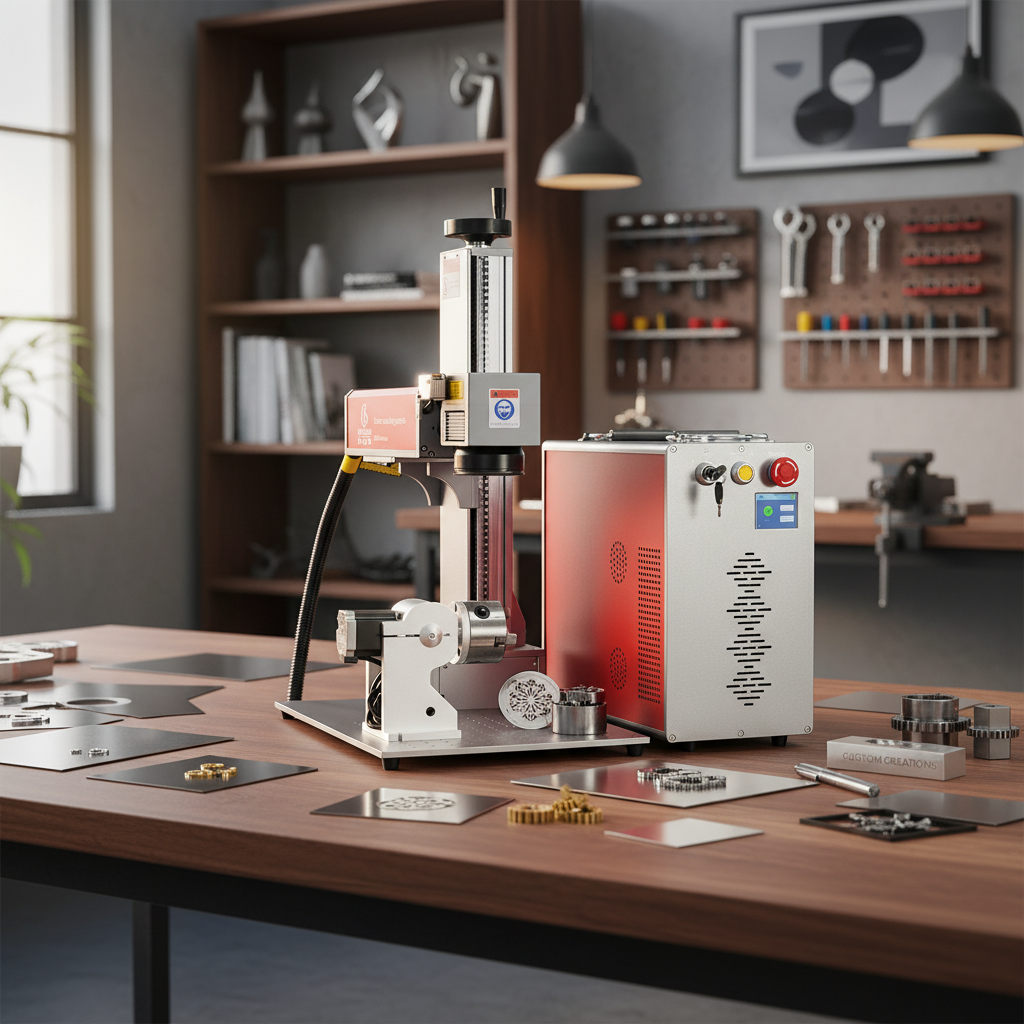
A laser marker is one of the most versatile tools in modern manufacturing and personalization industries. Understanding which materials your laser marking machine can process is essential for maximizing productivity and achieving professional-quality results. The versatility of a laser marker extends across metals, plastics, ceramics, wood, and numerous other substrates, each requiring different power settings and processing parameters to achieve optimal engraving outcomes.
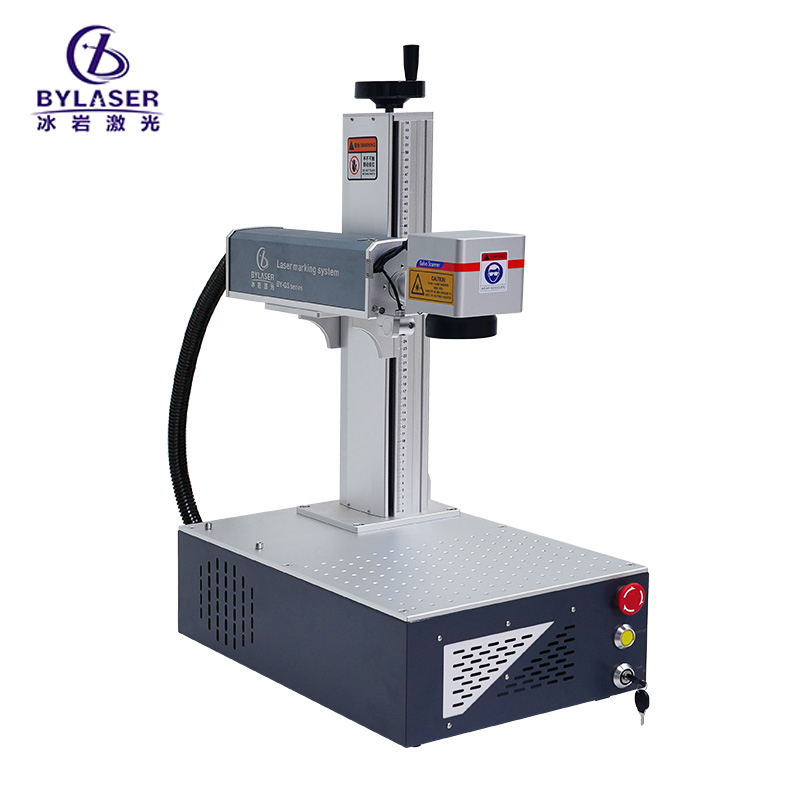
Whether you operate a small business or manage large-scale production, knowing the material compatibility of your fiber laser engraving system helps you expand service offerings and take on diverse projects. Industrial laser systems have revolutionized how businesses approach customization, product identification, and brand enhancement. This guide explores the full range of materials that modern laser marking machines can engrave, along with practical insights to help you leverage your equipment effectively.
Metals and Metal Alloys
Ferrous and Non-Ferrous Metals
Fiber laser engraving works exceptionally well on both ferrous metals like steel and stainless steel, and non-ferrous metals including aluminum, copper, brass, and titanium. The laser marking machine creates permanent marks by removing surface material or causing oxidation that produces high-contrast, durable engravings. Stainless steel is particularly popular in industrial applications because it resists corrosion and the laser mark remains visible for years without fading. Aluminum presents slightly different challenges due to its reflective properties, but modern fiber laser engraving equipment handles aluminum efficiently when configured with appropriate power settings.
Precious Metals and Specialty Alloys
The laser marker performs exceptionally on precious metals such as gold, silver, and platinum, making it invaluable for jewelry manufacturers and luxury goods producers. The precision of fiber laser engraving allows for intricate designs, serial numbers, hallmark stamps, and personalized details that enhance product value and brand identity. Specialty alloys like tungsten, molybdenum, and nickel-based superalloys used in aerospace and medical device manufacturing can also be marked reliably. The industrial laser system's ability to create precise, repeatable marks on these expensive substrates ensures consistent quality and reduces material waste.
Plastics and Polymer Materials
Engraving and Cutting Capabilities on Plastics
Many plastic materials respond well to laser marking machines, though results vary depending on the plastic type and laser wavelength. Acrylic, polycarbonate, and ABS plastics can be engraved or cut with precision using the right laser marking machine parameters. The laser creates clear, contrasting marks on acrylic by vaporizing the surface layer, producing white or frosted engravings that are visually striking. Polycarbonate materials are commonly marked for product identification, control panels, and protective equipment in industrial environments. The fiber laser engraving process on plastics is clean and precise, leaving minimal residue and maintaining material integrity around the engraved areas.
Limitations and Material Restrictions
Not all plastics are suitable for laser marking machines. PVC, polyvinyl chloride, releases chlorine gas when exposed to laser radiation and poses serious safety hazards, making it unsuitable for fiber laser engraving. Similarly, polycarbonate containing certain additives may discolor or degrade when processed. Before operating your industrial laser system on any plastic substrate, verify material composition and test on sample pieces to ensure quality results and operator safety. Working with compatible plastics expands your business capabilities while maintaining safe working conditions.
Wood, Ceramics, and Other Materials
Wood and Organic Materials
Wood is one of the most popular materials for laser marking machines due to its natural aesthetic and strong customer demand for personalized wooden products. Hardwoods like oak, walnut, and maple produce excellent results with sharp, dark engravings that showcase the laser marker's precision. Softwoods such as pine and birch can also be marked, though they may produce lighter marks or require adjusted power settings. Beyond solid wood, plywood, MDF, and engineered wood products are compatible with fiber laser engraving systems. The laser marking machine vaporizes the wood surface to create permanent, beautiful engravings suitable for gifts, home décor, signage, and branded merchandise.
Ceramics, Glass, and Stone
Ceramics and porcelain are excellent candidates for laser marking machines, with the industrial laser system creating permanent marks without affecting the material's structural integrity. Glass can be marked with certain laser systems, though the process requires specialized equipment and technique to achieve optimal results without cracking. Natural stone materials including marble, granite, and slate respond well to fiber laser engraving, producing striking high-contrast marks ideal for memorials, plaques, and architectural signage. Leather is another material where laser marking machines excel, creating precise, professional engravings for branding, personalization, and product identification in fashion and accessories industries.
Frequently Asked Questions
Which metals work best with a laser marker?
Stainless steel and aluminum are among the easiest metals for a laser marker to engrave, producing clear, durable marks with minimal setup. Copper, brass, and gold also respond exceptionally well to fiber laser engraving, making them ideal for jewelry, promotional items, and luxury product marking. Steel and titanium are frequently marked in industrial applications where durability and precision are critical. Most metals in the periodic table are compatible with a laser marking machine, though reflective metals like aluminum may require slightly higher power settings to achieve consistent results.
Can a laser marking machine engrave all plastics safely?
Not all plastics are safe or suitable for a laser marker. PVC and certain vinyl compounds release toxic chlorine gas when heated by a fiber laser engraving system, creating serious health risks and equipment damage. Acrylic, polycarbonate, ABS, and nylon are generally safe for laser marking machines and produce excellent results. Always verify material composition before operating your industrial laser system on plastic substrates, and conduct test engravings on scrap material to confirm compatibility. When in doubt, consult material safety data sheets or contact your laser marking machine manufacturer for guidance.
What is the advantage of fiber laser engraving for material versatility?
Fiber laser engraving technology excels because a single laser marking machine can process an exceptionally wide range of materials without requiring multiple pieces of equipment. The industrial laser system's ability to handle metals, plastics, ceramics, wood, and leather in one platform reduces capital investment and increases operational flexibility. Fiber laser engraving produces superior mark quality on metals compared to older laser technologies, while maintaining excellent results on organic materials. This versatility makes a laser marking machine an investment that grows your business capabilities and enables you to serve diverse customer needs with a single, reliable piece of equipment.
