


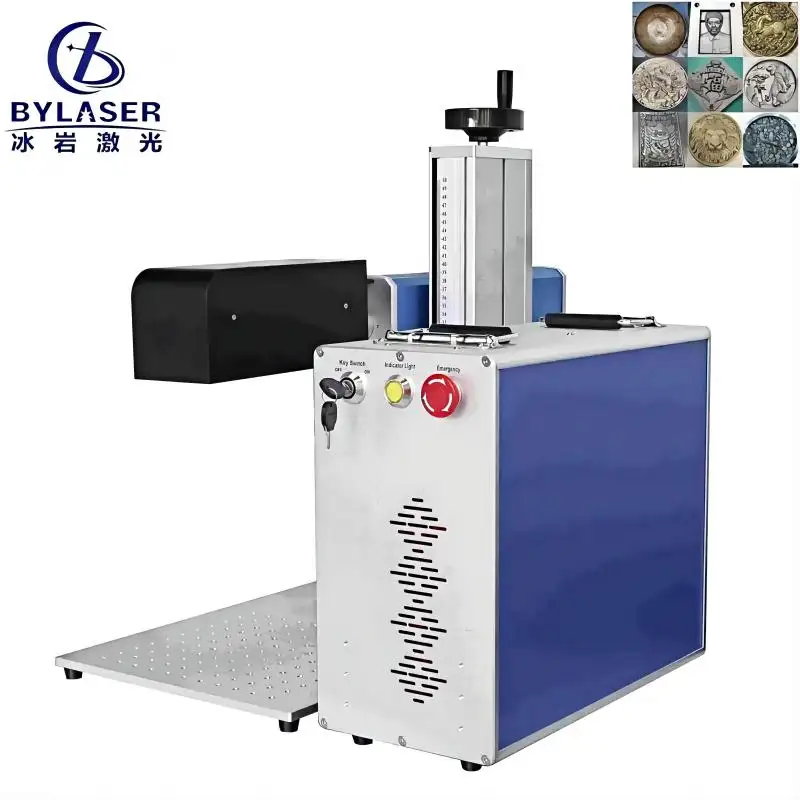
Proper maintenance of a laser marker is critical to maintaining peak performance and extending equipment lifespan in industrial production environments. Whether you operate a fiber laser engraving system or a compact laser marking machine, understanding the core maintenance requirements directly impacts marking quality, operational safety, and long-term cost efficiency. Neglecting routine care can lead to accelerated component degradation, reduced output accuracy, and costly unplanned downtime that disrupts production schedules.
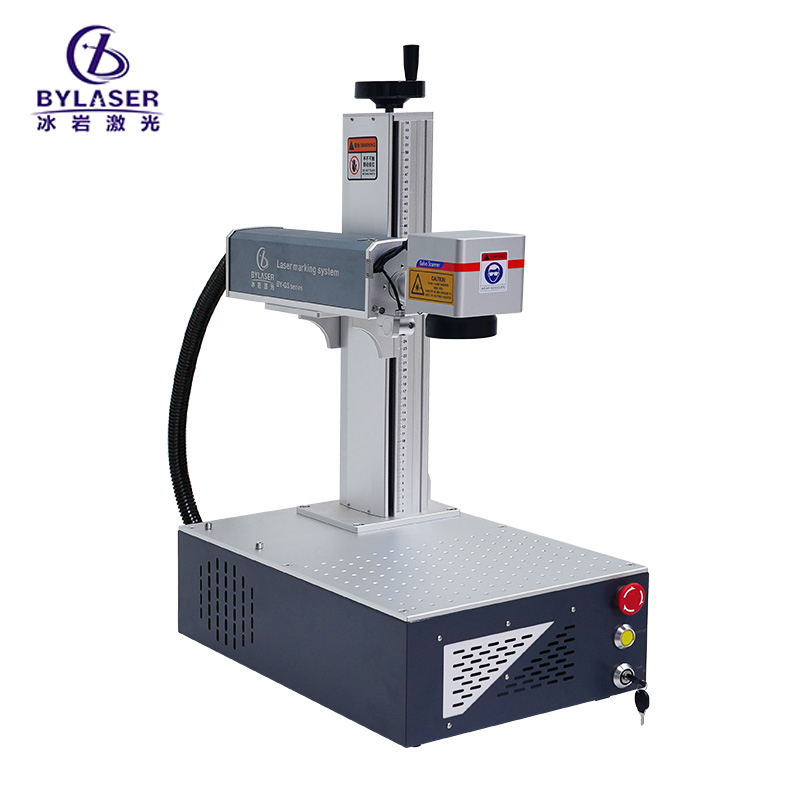
An industrial laser system demands a systematic maintenance approach that balances preventive care with responsive repairs. This guide outlines the essential maintenance requirements every operator and facility manager should implement to keep laser marking machines running reliably. By following established maintenance protocols, you protect your investment and ensure consistent marking results across all production batches.
Optical System Cleaning and Alignment
Lens and Mirror Care
The optical components of your laser marking machine are among the most sensitive parts requiring regular attention. Dust, debris, and condensation accumulate on lenses and mirrors over time, scattering the laser beam and reducing marking precision. Weekly inspection followed by gentle cleaning with approved optical solutions prevents contamination buildup. Most fiber laser engraving systems benefit from monthly deep cleaning of all optical surfaces, using specialized lens paper and isopropyl alcohol to avoid scratching delicate coatings.
Misalignment of optical components degrades beam quality and creates inconsistent marks across your workpieces. Check mirror alignment quarterly or whenever you notice shifts in marking position or depth. Many industrial laser system operators establish a monthly alignment verification routine using test patterns to catch early drift before it affects production. Proper alignment ensures maximum power efficiency and extends the functional lifespan of your laser marking machine significantly.
Beam Path Inspection
The entire beam path from the laser source through the optical delivery system should be visually inspected monthly for signs of dust accumulation or component loosening. Internal optics within your laser marking machine may develop internal contamination that external cleaning cannot address, requiring professional service. Blocked or partially obstructed beam paths reduce marking effectiveness and waste energy, increasing operational costs. Establish a quarterly professional beam path assessment with your equipment supplier to identify subtle degradation before it impacts production quality.
Cooling System Maintenance
Chiller and Circulation Checks
Your industrial laser system generates significant heat that must be efficiently removed through a dedicated cooling circuit. Most laser marking machines use water-cooled designs where the chiller maintains precise temperature control, typically between eighteen and twenty-two degrees Celsius. Inspect coolant levels daily and verify circulation flow by checking the display panel temperature readings. Clean the chiller filters monthly to prevent sediment blockage that forces the system to work harder and consume more energy.
Contaminated coolant accelerates component wear and reduces laser efficiency across your fiber laser engraving operations. Flush and replace coolant every six months or according to your chiller manufacturer's specifications, whichever comes first. Test coolant pH monthly to detect acidic degradation that indicates contamination. Many maintenance failures in laser marking machine systems stem from overlooked chiller problems that could have been prevented through basic monitoring. Properly maintained cooling systems operate more quietly, consume less electricity, and help the laser marker maintain stable output power.
Pump and Line Integrity
Check all coolant hoses and connections quarterly for leaks, cracks, or loose fittings that compromise the cooling loop. A small leak in your industrial laser system can progress quickly, causing catastrophic laser tube failure if unaddressed. Listen for unusual pump sounds during operation, as grinding or rattling noises often signal bearing wear requiring pump replacement. Replace worn hoses proactively rather than waiting for emergency failures that stop production.
Electrical and Gas Supply Monitoring
Power Supply Stability
Your laser marking machine requires stable electrical power within manufacturer specifications to operate safely and precisely. Install a dedicated power line with appropriate circuit protection and consider using an uninterruptible power supply for critical production environments. Fluctuating voltage damages electrical components and destabilizes laser output, creating inconsistent marks. Test your facility's power stability monthly using a power quality meter, and upgrade infrastructure if voltage sags or surges exceed acceptable ranges.
Gas Cartridge and Supply Management
Certain industrial laser system configurations require assist gas for enhanced marking performance, typically nitrogen or compressed air. Monitor gas pressure gauges on your laser marking machine daily, as insufficient pressure reduces marking depth and quality. Replace gas cartridges when pressure drops below recommended levels rather than running empty, which introduces contaminants into the system. Store backup gas cartridges in a controlled environment away from temperature extremes. For larger fiber laser engraving operations using dedicated gas supply lines, inspect regulators and fittings monthly for leaks or damage.
FAQ
How often should I perform maintenance on my laser marking machine?
Daily checks include coolant levels, gas pressure, and visual beam quality verification. Weekly tasks encompass lens inspection and light cleaning. Monthly activities include deep optical cleaning, filter replacement, and power stability testing. Quarterly work involves alignment verification and hose inspection. Semi-annual maintenance includes coolant replacement and professional calibration of your industrial laser system. Your specific laser marker model may require adjusted schedules based on usage intensity and manufacturer guidelines.
What are the most critical maintenance items for fiber laser engraving systems?
Optical component cleanliness ranks as the highest priority for any laser marking machine, as contamination directly degrades marking quality. Cooling system performance follows closely, since heat management failures can permanently damage the laser tube. Regular beam alignment checks ensure consistent results across all your fiber laser engraving projects. Together, these three areas represent the foundation of effective laser marker maintenance and should receive primary focus in your maintenance schedule.
Can I perform all laser marking machine maintenance myself?
Routine maintenance tasks like coolant level checks, filter replacement, and visual inspections fall within operator responsibility and require no specialized expertise. However, optical alignment, internal cleaning, and repairs to your industrial laser system should be handled by qualified technicians to avoid damage and safety risks. Complex adjustments to laser marking machine power settings or gas supply lines should reference the manufacturer manual and preferably involve professional support. Establish a maintenance partnership with your equipment supplier to handle advanced work while you manage daily operational checks.
