


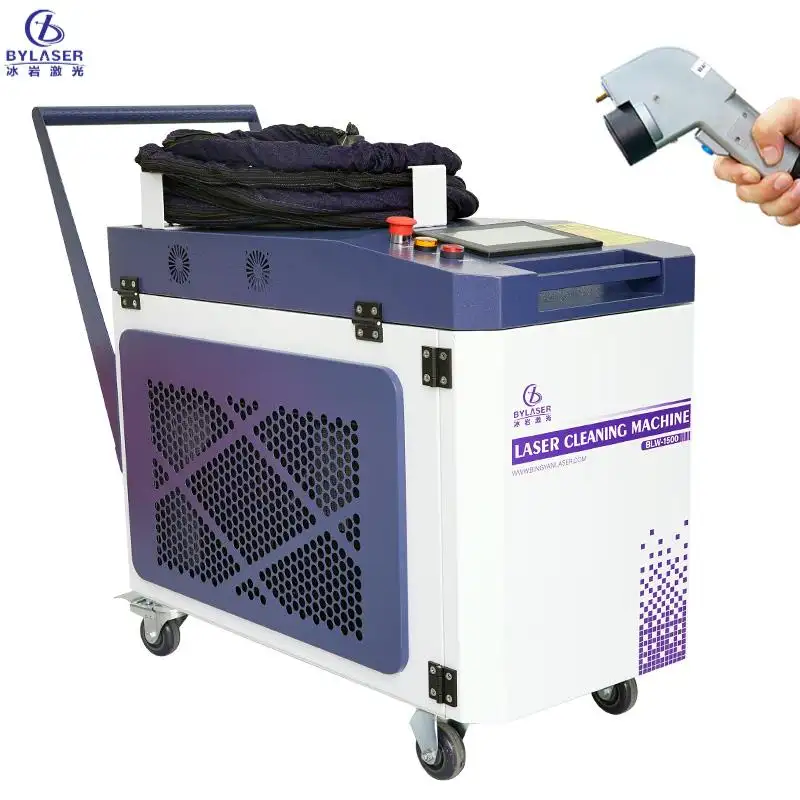
Operating a laser rust remover involves multiple cost factors that extend well beyond the initial equipment purchase. Understanding these expenses helps industrial facilities make informed decisions about implementing rust removal technology into their maintenance workflows. The total cost of ownership depends on machine specifications, usage intensity, and operational efficiency measures.
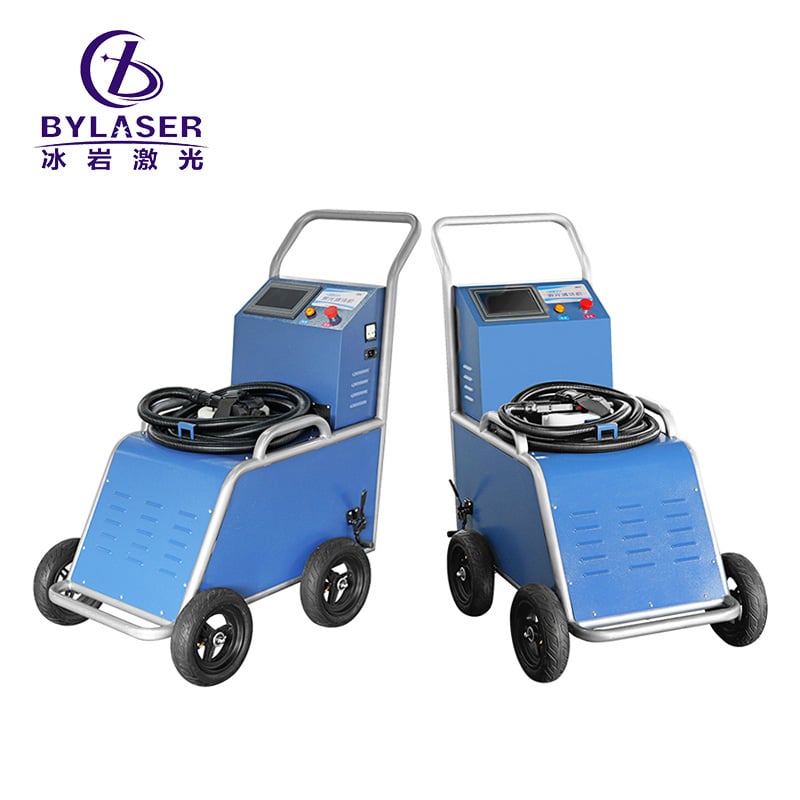
The financial commitment to a laser cleaning machine includes capital expenditure, operational costs, and maintenance requirements spread across multiple years. By examining each cost category systematically, facility managers can accurately forecast budgets and calculate return on investment timelines for their specific applications.
Initial Equipment Investment and Capital Costs
Purchase Price and System Configuration
The laser rust remover systems range significantly in price based on power output and technical specifications. Entry-level models start around fifteen to twenty-five thousand dollars, while industrial-grade laser cleaning machine units with higher wattage and advanced features can exceed one hundred thousand dollars. Power output directly influences both equipment cost and operational expenses, making this the most critical purchasing decision.
Installation and Infrastructure Requirements
Beyond the base machine cost, facility operators must budget for installation, workspace preparation, and safety infrastructure. Electrical system upgrades may be necessary to support the power demands of high-wattage systems. Rust removal technology typically requires dedicated ventilation systems, exhaust handling equipment, and safety enclosures that add fifteen to thirty percent to the total capital investment. These infrastructure costs vary based on facility location, existing utilities, and local regulatory requirements for metal surface treatment equipment.
Energy Consumption and Operational Expenses
Power Requirements and Electricity Costs
Laser cleaning machines consume substantial electrical power during operation, with typical systems drawing between five to thirty kilowatts depending on output specifications. Operating costs depend directly on local electricity rates, which vary dramatically by region and utility provider. A two-hundred-watt continuous-duty system might consume approximately fifty kilowatt-hours per eight-hour shift, costing between five and fifteen dollars daily depending on regional rates. Facilities operating multiple shifts or year-round cleaning sessions experience proportionally higher energy expenses and should conduct detailed consumption analysis.
Duty Cycle and Utilization Patterns
The actual operational expense depends heavily on how intensively the rust removal technology is deployed. Facilities that run the laser cleaning machine continuously at full power incur maximum energy costs, while operations using pulse-based or intermittent cleaning modes reduce electricity consumption significantly. Proper scheduling and batch processing can optimize utilization efficiency and lower monthly energy expenses substantially. Understanding your facility's typical cleaning requirements helps predict realistic operational budgets and identify cost-saving opportunities.
Maintenance, Components, and Support Services
Consumable Parts and Replacement Costs
Laser rust removal systems require regular replacement of optical components, protective lenses, and sealed window assemblies. These consumable parts protect the laser source from dust and debris generated during metal surface treatment operations. Optical component replacement typically costs between one thousand and five thousand dollars annually depending on usage intensity and rust removal technology specifications. Laser cleaning machine lenses degrade with exposure to contamination, making regular replacement essential for maintaining system performance and output quality.
Preventive Maintenance and Professional Services
Professional service contracts typically cost between twenty and fifty percent of the equipment purchase price annually, covering inspections, calibrations, and emergency repairs. Many manufacturers recommend quarterly maintenance intervals to ensure optimal laser rust remover performance and extend operational life. Operators should factor in potential downtime costs when budgeting for maintenance visits, as interrupted cleaning schedules can impact production timelines. Some facilities choose extended warranty packages or service agreements that distribute maintenance costs predictably throughout the operating year.
Long-Term Financial Considerations and ROI Analysis
Workforce Training and Operational Staffing
Operating laser cleaning machines requires trained technicians familiar with rust removal technology and laser safety protocols. Initial training programs typically cost two to five thousand dollars per operator, with periodic refresher training recommended annually. Staffing costs represent a significant portion of total operating expenses, particularly for facilities requiring dedicated laser rust remover operators or expanding their metal surface treatment capabilities. Experienced technicians ensure safe operation, maximize equipment efficiency, and prevent costly damage from improper usage.
Calculating Total Cost of Ownership
Total ownership costs extend across the entire equipment lifespan, typically five to ten years depending on maintenance and utilization patterns. Annual operating budgets should include energy consumption, consumable replacements, professional maintenance, training updates, and anticipated repair expenses. Most industrial facilities discover that laser rust remover systems deliver positive financial returns within two to three years by replacing expensive traditional rust removal methods. Detailed cost analysis comparing traditional cleaning methods against laser cleaning machine expenses demonstrates the long-term financial advantage of modern rust removal technology.
FAQ
What is the typical payback period for a laser rust remover investment?
Most facilities experience payback periods between two and four years, depending on previous cleaning method costs and system utilization intensity. The financial advantage increases significantly for operations that previously relied on expensive abrasive blasting, chemical stripping, or manual rust removal labor. Higher utilization rates and larger cleaning volumes accelerate the payback timeline considerably.
Can operating costs be reduced through preventive maintenance?
Yes, consistent preventive maintenance significantly reduces long-term operating expenses by preventing unexpected failures and extending component lifespan. Regular lens cleaning, optical alignment checks, and system calibrations prevent performance degradation and expensive emergency repairs. Facilities maintaining strict maintenance schedules typically experience fifteen to thirty percent lower total operating costs compared to reactive repair approaches.
How do regional electricity rates affect laser rust remover operating budgets?
Regional electricity rates create substantial variations in annual operating costs, potentially ranging from five thousand to twenty thousand dollars annually for identical equipment. Facilities in high-electricity-rate regions should prioritize energy-efficient pulse-mode laser cleaning machines and optimize duty cycles to minimize consumption. Conversely, facilities in low-rate regions may justify continuous-operation systems that maximize productivity regardless of higher energy usage.
