


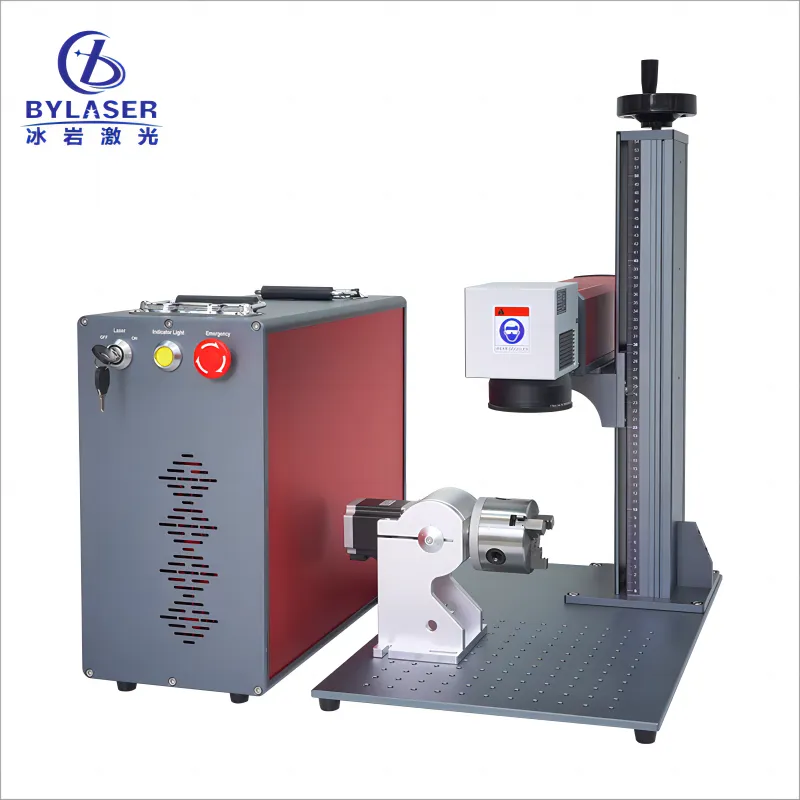
A laser rust remover represents a revolutionary approach to cleaning and restoring metal surfaces across multiple industries. Unlike traditional rust removal technology that relies on abrasive methods, sanding, or harsh chemicals, this rust removal technology uses concentrated light energy to vaporize oxide layers and rust without damaging the underlying substrate. Understanding which surfaces are compatible with this technology is essential for manufacturers, maintenance teams, and restoration specialists seeking efficient, safe, and environmentally responsible solutions.
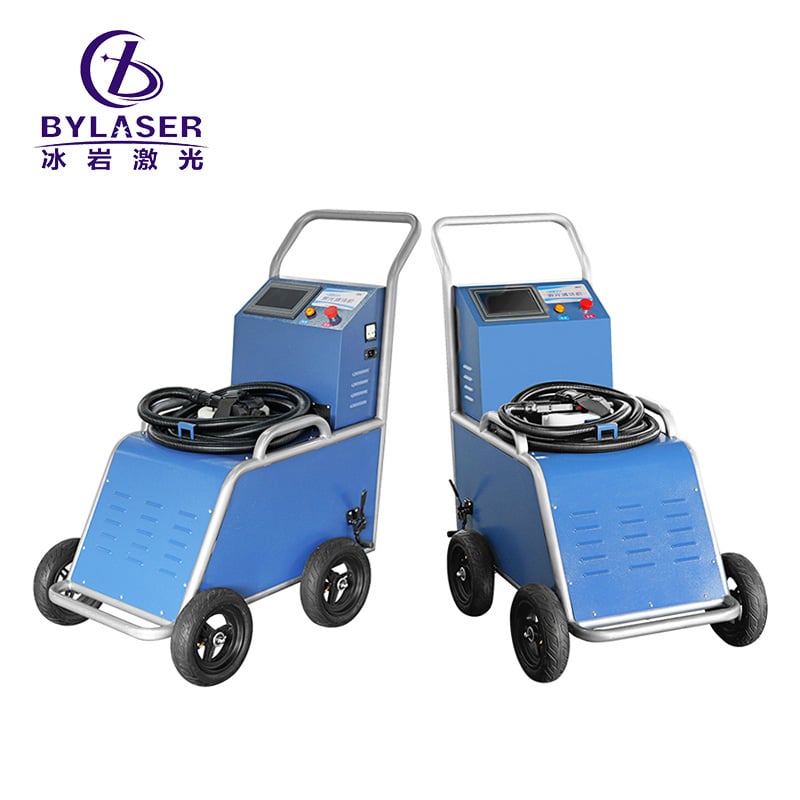
The versatility of rust removal technology has transformed maintenance workflows in automotive, aerospace, manufacturing, and heritage restoration sectors. A laser cleaning machine offers precise control, eliminating rust from intricate geometries and sensitive components where conventional methods would cause collateral damage. This article explores the specific surface types that benefit from laser rust removal, the mechanisms that enable effective treatment, and practical considerations for successful application across diverse industrial contexts.
Steel and Iron Substrates for Laser Cleaning
Carbon Steel and Alloy Steel Surfaces
Carbon steel remains the most common substrate treated with laser cleaning machines due to its widespread industrial use and susceptibility to rust formation. The rust removal technology effectively targets surface oxidation, mill scale, and corrosion products on carbon steel without altering the base metal microstructure. Alloy steel variants, including stainless steel grades, respond exceptionally well to laser treatment because the high-energy photons selectively ablate rust and contaminants while leaving the underlying steel intact. The laser cleaning machine operates by exciting electrons in oxide layers, causing them to separate from the parent metal through photoacoustic and photothermal effects.
Cast Iron and Ductile Iron Components
Cast iron and ductile iron present unique opportunities for rust removal technology applications, particularly in machinery restoration and automotive engine rebuilding. These materials often feature complex geometries with deep recesses where traditional abrasive blasting or chemical treatments prove ineffective or dangerous. A laser cleaning machine can penetrate intricate passages, valve seats, and combustion chamber surfaces, removing decades of accumulated rust and carbon deposits with millimeter-level precision. The non-contact nature of rust removal technology eliminates the risk of mechanical damage to brittle cast iron structures, making it invaluable for heritage equipment restoration and precision component refurbishment.
Specialized Metal Surfaces and Applications
Aluminum and Aluminum Alloy Treatment
Aluminum and its alloys require calibrated laser cleaning machine parameters due to their lower melting points and rapid oxidation tendencies. The rust removal technology can safely remove aluminum oxide layers, anodized coatings, and light corrosion from aircraft components, heat exchangers, and precision machined parts. Operators must configure appropriate laser wavelengths and pulse durations to prevent surface melting or unintended annealing. Modern laser equipment automatically adjusts these parameters, making aluminum treatment increasingly accessible across aerospace and automotive manufacturing sectors where rust removal technology enhances component lifecycle and performance.
Copper, Brass, and Precious Metal Surfaces
Non-ferrous metals including copper, brass, bronze, and precious metal alloys respond favorably to laser cleaning technology. Copper-based materials often accumulate verdigris, patina, and oxidation layers that rust removal technology can selectively remove while preserving underlying material integrity. The laser cleaning machine proves particularly valuable for jewelry restoration, electrical contact cleaning, and restoration of architectural copper elements. Unlike acid dipping or mechanical polishing, this rust removal technology preserves surface geometry and historical patina if desired, offering conservators precise control over cleaning depth and extent.
Industrial and Specialized Surface Treatments
Painted and Coated Metal Surfaces
Advanced rust removal technology can strip paint, coatings, and adhesives from metal substrates without generating hazardous waste or exposing workers to toxic fumes. Laser cleaning machines specifically calibrated for coating removal allow selective ablation of paint layers while protecting the underlying metal. This capability transforms aerospace maintenance, where old paint removal traditionally required manual labor and hazardous chemicals. The precision of rust removal technology makes it ideal for pretreatment operations before repainting, welding, or adhesive bonding where surface cleanliness directly impacts manufacturing quality and safety standards.
Weld Joints and Fabricated Assemblies
Weld spatter, oxidation zones, and heat-affected areas accumulate rapid corrosion in fabricated steel structures, pipelines, and pressure vessels. A laser cleaning machine delivers precise energy to weld surfaces without distorting nearby base metal or heat-treating completed joints. Rust removal technology enables post-weld cleaning without requiring secondary finishing operations that add labor costs and manufacturing time. Fabricators increasingly deploy laser cleaning machines in production workflows, improving weld inspection visibility, corrosion resistance ratings, and final product aesthetics while reducing manual grinding and preparation steps.
FAQ
Can a laser rust remover treat stainless steel safely?
Yes, laser cleaning machines are highly effective on stainless steel surfaces. The rust removal technology selectively removes surface rust, oxide films, and contaminants while preserving the protective passive layer that makes stainless steel corrosion-resistant. Proper parameter selection ensures the underlying chromium-oxide layer remains intact, maintaining the material's corrosion resistance and mechanical properties. Stainless steel components in medical devices, food processing equipment, and chemical plants benefit greatly from this non-contact rust removal technology approach.
What surface preparation is needed before using a laser cleaning machine?
Most surfaces require minimal preparation for laser cleaning machine treatment. Loose debris, scale, and large oxide flakes should be removed to optimize rust removal technology effectiveness, but extensive pre-cleaning is unnecessary. The laser cleaning machine performs best when aimed directly at oxidized surfaces, and operators typically work in controlled environments or portable outdoor setups. No chemical pre-treatment, priming, or surface conditioning is required, making rust removal technology significantly more efficient than traditional methods requiring multiple preparatory steps.
Which industries benefit most from laser rust remover technology?
Aerospace, automotive restoration, manufacturing, maintenance, and heritage conservation represent primary beneficiaries of rust removal technology. Railways, marine vessels, power generation equipment, and precision instrumentation industries increasingly adopt laser cleaning machines to reduce downtime and improve maintenance efficiency. Any sector involving metal fabrication, equipment restoration, or precision cleaning finds value in rust removal technology's speed, safety, and environmental advantages. Small fabrication shops and large industrial facilities alike leverage this technology to enhance productivity and compliance with environmental regulations.
