


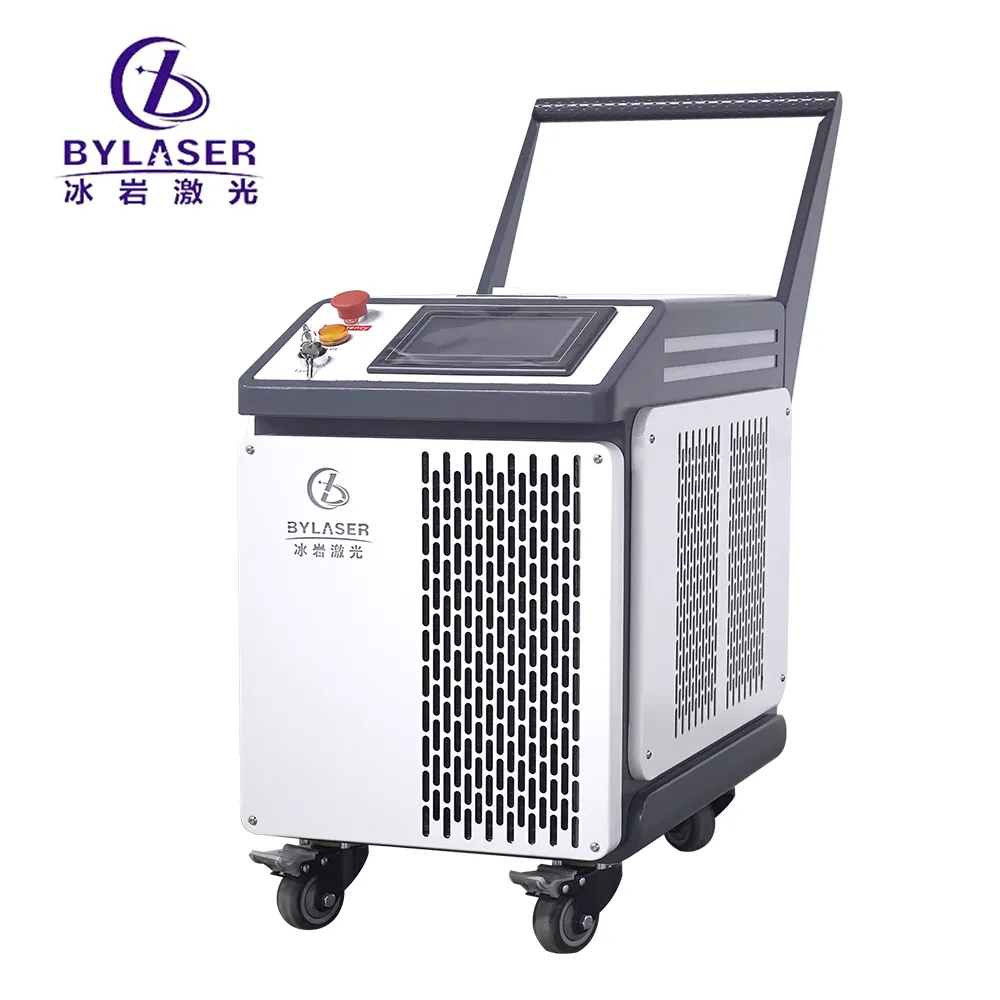
Rust is one of the most persistent challenges in industrial manufacturing, infrastructure maintenance, and equipment preservation. Traditional rust removal methods—grinding, sandblasting, chemical treatments, and wire brushing—are time-consuming, labor-intensive, and often produce inconsistent results. A laser rust remover offers a fundamentally different approach that addresses these limitations while delivering superior efficiency, precision, and cost-effectiveness across industrial sectors.
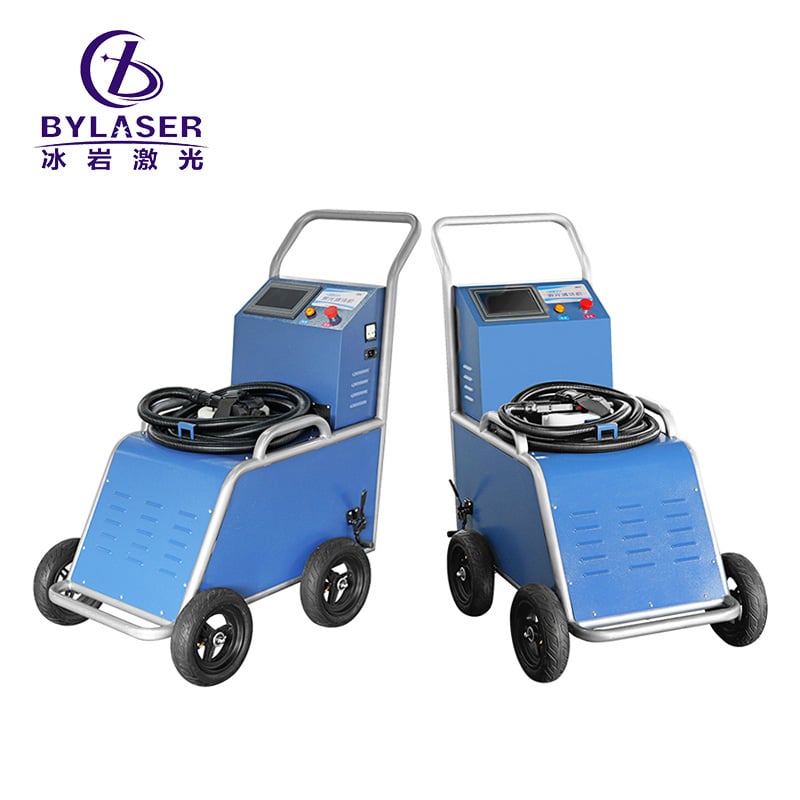
The advantages of rust removal technology extend far beyond simple speed improvements. Laser cleaning machines operate through a non-contact process that selectively removes rust, oxide layers, and contaminants without damaging the underlying metal substrate. This precision makes laser rust remover systems ideal for applications where substrate integrity, surface quality, and material preservation are critical business requirements.
Superior Precision and Surface Protection
Selective Contamination Removal
One of the most significant benefits of laser rust remover systems is their ability to target only the unwanted material while preserving the base metal completely. The laser beam operates at a wavelength and intensity specifically calibrated to ablate rust, paint, oxide scale, and industrial contamination without affecting the underlying steel, aluminum, or other metal surfaces. This selective removal capability distinguishes rust removal technology from abrasive alternatives that inevitably create surface micro-scratches, dimensional loss, and substrate weakening.
Metal surface treatment using laser technology enables operators to work on precision components, historical equipment, and high-value assets where traditional methods would cause unacceptable damage. The laser cleaning machine's non-contact nature eliminates the friction, pressure, and vibration that accompany sandblasting or wire wheel approaches, protecting delicate geometries, edges, and critical dimensions.
Consistent Surface Finish Quality
Traditional rust removal methods produce variable results depending on operator skill, material hardness, and corrosion depth. A laser rust remover delivers uniform cleaning across the entire surface in a single pass, producing a consistent, repeatable finish that meets exact industrial specifications. This consistency is especially valuable in manufacturing environments where surface preparation quality directly influences paint adhesion, coating durability, and final product performance.
Rust removal technology using laser systems eliminates operator-dependent variables, ensuring that each component receives identical surface treatment regardless of who operates the laser cleaning machine or when the work occurs. This standardization reduces rework, minimizes quality defects, and improves overall production reliability.
Dramatic Efficiency and Operational Advantages
Rapid Cleaning Speed and Reduced Labor
A laser rust remover dramatically accelerates rust removal tasks that would otherwise consume hours or days using conventional methods. Large corroded surfaces, industrial equipment, ship hulls, bridge structures, and railway infrastructure can be cleaned in a fraction of the time required by sandblasting, grinding, or chemical treatment. This speed directly translates to reduced labor costs, faster project turnaround, and decreased downtime for equipment maintenance.
The laser cleaning machine operates continuously without the need for abrasive material resupply, chemical preparation, or equipment repositioning. Operators can maintain consistent work speed, cover large areas systematically, and complete rust removal technology projects within compressed schedules. For organizations managing multiple assets or operating under tight maintenance windows, the efficiency advantage of laser rust remover systems represents substantial operational and financial benefit.
No Secondary Waste Stream Management
Traditional rust removal approaches generate significant waste requiring environmental disposal and regulatory compliance. Sandblasting produces dust and spent abrasive material; chemical treatments create liquid waste streams; grinding generates metal particles and dust. In contrast, a laser rust remover produces minimal waste—the removed rust particles are simply deposited as fine powder beneath the work area, eliminating expensive disposal costs and environmental contamination risks.
This waste reduction makes rust removal technology using laser systems particularly attractive in environmentally sensitive operations, urban maintenance environments, and facilities with stringent waste management requirements. The laser cleaning machine's clean process footprint reduces regulatory burden, insurance risk, and operational complexity.
Long-Term Cost Reduction and Business Impact
Total Cost of Ownership Advantage
While initial investment in a laser rust remover system exceeds the cost of traditional equipment, the operational economics strongly favor laser technology. Labor savings, reduced material costs, minimal consumable replacement, and elimination of waste disposal expenses combine to deliver rapid payback periods typically ranging from twelve to twenty-four months depending on usage intensity. Organizations performing frequent rust removal work or operating large fleets and infrastructure portfolios realize payback within the first year of operation.
Rust removal technology investments provide compounding benefits as the laser cleaning machine accumulates operating hours. Unlike abrasive systems requiring ongoing material replenishment and equipment maintenance, a well-maintained laser rust remover system delivers consistent performance with minimal consumable costs, making the economics increasingly favorable over multi-year operational lifespans.
Enhanced Productivity and Asset Value
The ability to rapidly and precisely restore corroded equipment to like-new condition extends asset service life and preserves equipment functionality. Industrial machinery, vehicles, structural components, and infrastructure elements maintained through regular laser rust remover cleaning remain safer, more reliable, and more valuable than equivalent assets subjected to corrosion damage accumulation. This preservation directly impacts insurance valuations, resale potential, and operational safety outcomes.
Organizations leveraging rust removal technology through laser cleaning machine implementation can defer major equipment replacement, reduce catastrophic failure risk, and maintain existing asset productivity rather than investing in costly new equipment acquisition. The strategic advantages extend throughout the organization, supporting budget discipline while improving operational reliability.
FAQ
How does a laser rust remover compare to traditional sandblasting?
Laser rust remover technology provides superior precision, eliminating substrate damage risk and surface micro-scratching inherent to abrasive methods. A laser cleaning machine completes work faster, generates no waste streams, requires no material resupply, and produces consistent results regardless of operator skill. Sandblasting remains viable for heavy-duty industrial demolition where maximum material removal is the objective, but laser rust remover is superior for precision components, historical restoration, and applications prioritizing substrate protection and surface quality.
What materials can a laser cleaning machine effectively treat?
Rust removal technology using laser systems works effectively on steel, stainless steel, aluminum, copper, brass, titanium, and numerous other metal alloys. The laser cleaning machine can remove rust, mill scale, paint, oil, contamination, and oxidation from virtually any metal surface. Different laser wavelengths and power settings are calibrated to specific materials and contamination types, making laser rust remover adaptable across diverse industrial applications and material requirements.
Is laser rust remover technology safe and environmentally compliant?
Yes, laser rust remover systems are among the safest and most environmentally responsible rust removal technology solutions available. A properly maintained laser cleaning machine produces no hazardous emissions, no chemical waste, no airborne dust clouds, and minimal noise. Modern safety interlocks and operational protocols ensure operator protection, and the minimal waste generation means zero environmental compliance burden, making laser rust remover ideal for regulated industries and environmentally conscious operations.
