


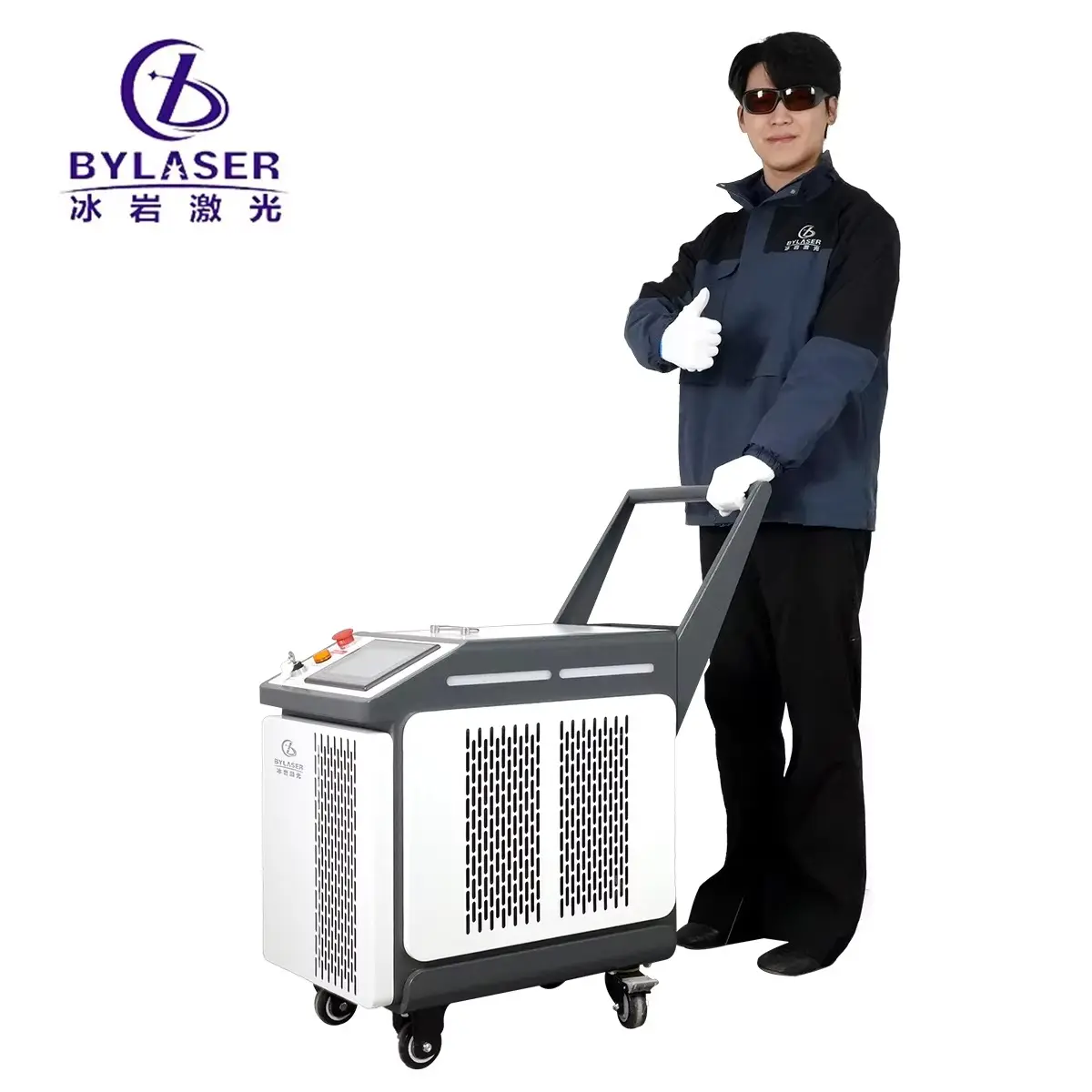
A laser rust remover delivers exceptional cleaning speed compared to traditional methods, making it a transformative solution for industrial operations. Modern rust removal technology can clean contaminated metal surfaces in seconds to minutes, depending on rust thickness, material type, and laser power output. Understanding the actual cleaning performance of a laser cleaning machine helps manufacturers, maintenance teams, and fabricators make informed decisions about equipment investment and operational efficiency.
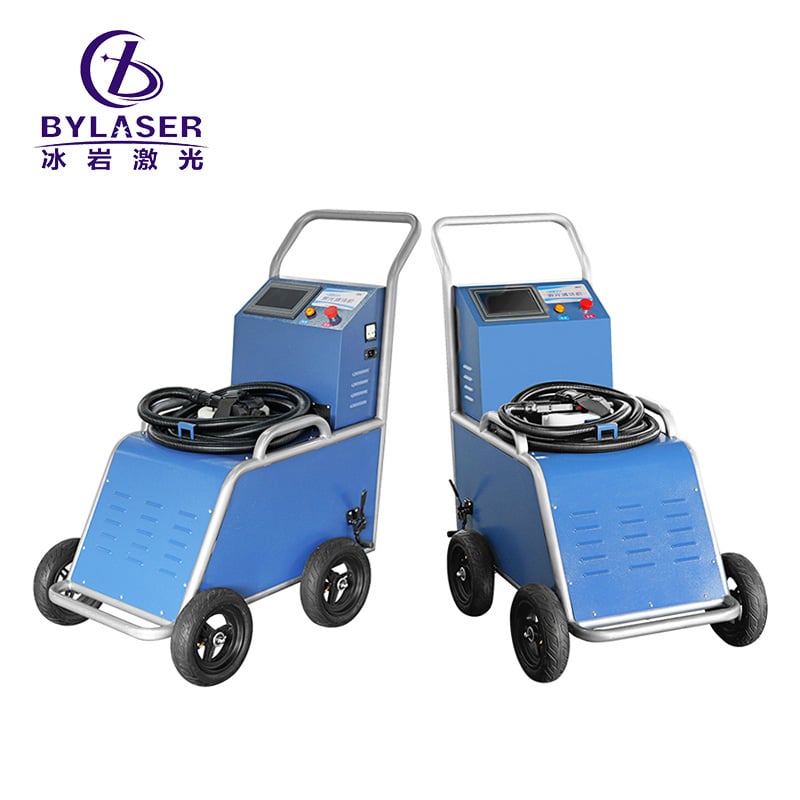
The speed advantage of rust removal technology stems from laser's ability to ablate rust and oxidation without chemical solvents, abrasive materials, or manual labor. A laser cleaning machine typically processes surface area at rates of 5 to 50 square meters per hour, with variations based on laser power, beam frequency, and surface geometry. This rapid metal surface treatment capability translates directly to reduced downtime, lower operational costs, and improved production schedules across manufacturing, automotive, aerospace, and maintenance sectors.
Cleaning Speed Performance Factors
Laser Power and Frequency Output
The wattage of a laser rust remover directly influences cleaning velocity. Higher-powered laser cleaning machines—typically 100 to 300 watts—achieve faster rust removal than lower-power units. Pulse frequency also plays a critical role; rapid pulse rates enable the laser cleaning machine to deliver multiple ablation impacts per second, accelerating rust removal technology effectiveness. A 300-watt unit operating at high frequency can clean heavily oxidized metal surfaces three to five times faster than manual grinding or chemical treatment methods.
Rust Thickness and Surface Condition
Surface conditions directly impact how fast rust removal technology operates. Light surface oxidation clears within seconds per square centimeter, while heavy rust scale may require 10 to 30 seconds depending on corrosion depth. A laser cleaning machine handles variable rust thicknesses efficiently because the laser pulse ablates only the rust layer without affecting underlying metal. This precision means metal surface treatment preserves material integrity while maintaining rapid processing speeds that traditional abrasive or chemical methods cannot match.
Industrial Cleaning Speed Benchmarks
Real-World Processing Times
Industrial operators consistently report that rust removal technology reduces cleaning time by 60 to 80 percent compared to sandblasting or chemical immersion. A laser cleaning machine can prepare a corroded steel beam for recoating in 15 to 20 minutes, whereas traditional methods require hours of preparation. For metal surface treatment in automotive restoration, a laser rust remover can clean a corroded engine block in 30 to 45 minutes, eliminating the need for disassembly, chemical baths, or weeks of manual restoration work.
Scalability Across Different Applications
Rust removal technology scales efficiently from small precision components to large industrial structures. A laser cleaning machine performs equally well on delicate electronics, medical implants, and architectural metalwork as it does on heavy equipment and machinery. The non-contact nature of laser cleaning ensures uniform results across complex geometries, threads, and crevices where manual or abrasive methods struggle. Metal surface treatment speed remains consistent regardless of component complexity, giving operators predictable scheduling and reliable throughput for high-volume cleaning operations.
Operational Efficiency and Cost Advantages
Productivity Improvements
Speed directly translates to economic benefit in industrial settings. A laser rust remover eliminates setup time, chemical handling, waste disposal, and post-cleaning surface preparation required by older rust removal technology. Operators can process more components per shift, reducing labor intensity and overhead costs. The laser cleaning machine's rapid processing enables facilities to maintain aggressive maintenance schedules without disrupting production flow, leading to extended equipment lifespan and safer working environments.
Material and Environmental Gains
Because rust removal technology uses only light energy, no abrasive material is consumed and no chemical waste requires disposal. A laser cleaning machine generates no dust, fumes, or secondary byproducts, supporting workplace safety and environmental compliance. The speed advantage compounds these benefits—faster processing means fewer operator hours exposed to any industrial environment. Metal surface treatment via laser achieves superior cleanliness in less time while reducing overall operational footprint compared to sandblasting, wire brushing, or chemical immersion processes.
FAQ
How many square meters can a laser rust remover clean per hour?
A typical laser cleaning machine cleans between 5 and 50 square meters per hour, depending on laser power, rust severity, and surface geometry. A 300-watt unit working on light-to-moderate oxidation reaches the upper range, while 100-watt models or heavy rust conditions operate at lower speeds. The rust removal technology efficiency means even slower speeds outpace traditional methods like grinding or chemical treatment by significant margins.
Can a laser rust remover clean intricate metal surfaces faster than manual methods?
Yes, a laser cleaning machine excels on complex geometries because the non-contact laser beam reaches crevices, threads, and recessed areas where manual tools cannot access efficiently. Rust removal technology eliminates the repositioning time required for hand tools, allowing continuous processing across intricate metal surface treatment zones. A single operator can clean detailed components with consistent speed and precision that would require multiple hours of skilled manual labor using traditional equipment.
What factors slow down a laser rust remover's cleaning speed?
Heavy, multilayer rust scale, thick paint coatings, and very high corrosion depth extend processing time for any laser cleaning machine. Surface geometry, material thermal properties, and laser calibration also influence rust removal technology speed. A laser rust remover operating at lower power settings or on highly irregular metal surface treatment applications may work slower than on smooth, moderately corroded surfaces, though it still outperforms sandblasting or chemical processes by substantial margins.
