


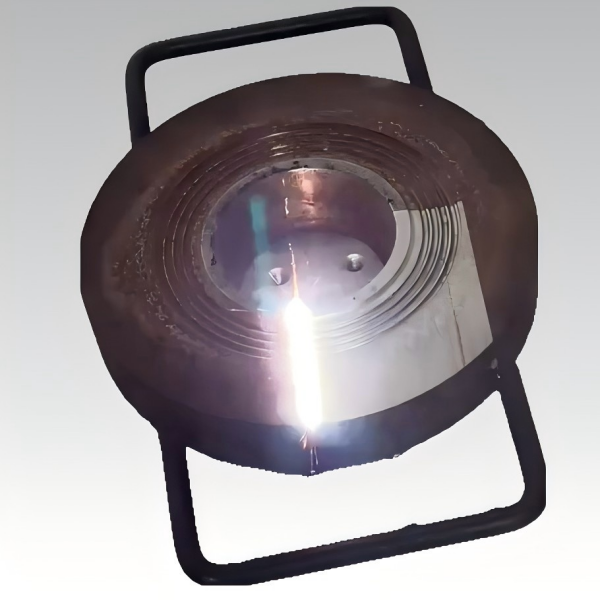
Understanding the cost of a laser rust remover is essential for industrial facilities, restoration businesses, and manufacturing operations considering rust removal technology investments. The price of a laser rust remover varies significantly based on power output, technology specifications, and intended application scope. Most industrial-grade laser cleaning machines range from $15,000 to $150,000, though entry-level portable units start around $8,000 while heavy-duty systems can exceed $200,000. Investment decisions require careful evaluation of upfront capital, operational expenses, and long-term return on investment in metal surface treatment projects.
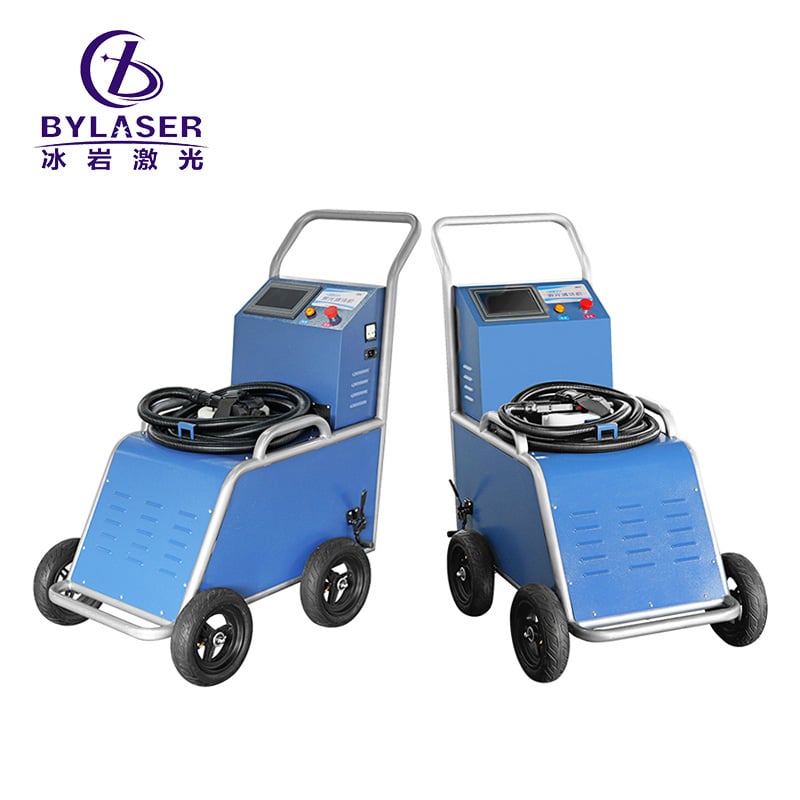
When evaluating rust removal technology solutions, the total cost of ownership extends beyond the purchase price of the laser cleaning machine itself. Operational factors including power consumption, maintenance requirements, training, and facility setup all influence the genuine investment needed. Understanding these cost drivers helps businesses make informed purchasing decisions and accurately forecast the financial impact of implementing laser-based metal surface treatment capabilities within their operations.
Key Pricing Factors for Laser Rust Removal Systems
Power Output and Wattage Specifications
Power output represents the primary driver of laser rust remover pricing. Entry-level systems typically range from 50 to 100 watts and cost between $8,000 and $25,000, suitable for small-scale restoration work and light industrial cleaning. Mid-range laser cleaning machines with 150 to 300 watts generally fall between $30,000 and $80,000, offering versatility for diverse metal surface treatment applications. High-powered industrial systems delivering 500 watts or more command prices from $100,000 to $250,000, designed for continuous production environments and heavy-duty rust removal operations requiring faster cycle times and deeper penetration capabilities.
Technology Type and Laser Configuration
The laser technology selected significantly impacts the rust removal technology cost structure. Fiber laser systems typically range from $20,000 to $150,000 and dominate the industrial sector due to their efficiency, precision, and lower operational costs. CO2 laser platforms generally cost $15,000 to $100,000 and work well for specific surface types, though they require more maintenance and higher operational expenses. Pulsed laser cleaning machines often command premium pricing of $40,000 to $200,000 but deliver superior performance on delicate surfaces and provide reduced heat distortion during metal surface treatment procedures.
Operating Costs and Maintenance Expenses
Power Consumption and Utility Requirements
Beyond the initial purchase price of a laser cleaning machine, electricity consumption represents a significant ongoing expense. Most industrial laser rust remover systems consume between 3 to 15 kilowatts during operation, translating to monthly electrical costs ranging from $500 to $3,000 depending on local utility rates and usage intensity. Facilities must ensure adequate electrical infrastructure and sometimes invest in power upgrades costing $5,000 to $30,000 before system installation. Understanding these utility demands is crucial for rust removal technology cost calculations and helps operations budget realistically for multi-year ownership scenarios.
Maintenance, Repairs, and Support Services
Annual maintenance for a laser rust remover typically costs 5 to 15 percent of the original system price, covering lens replacement, optical alignment, and preventive servicing. A $50,000 laser cleaning machine might require $2,500 to $7,500 annually in maintenance expenses to maintain optimal metal surface treatment performance and system reliability. Extended warranty packages and support contracts often cost $3,000 to $15,000 yearly, providing emergency repairs, technical support, and priority component replacement. Operators should factor these recurring costs into their rust removal technology budget and consider service agreements as insurance against unexpected downtime.
ROI and Financial Justification for Laser Rust Removal Investment
Labor Cost Reduction and Productivity Gains
The laser rust remover delivers substantial labor savings compared to traditional rust removal methods. Manual abrasive blasting, wire brushing, and chemical treatments require skilled operators, extended processing time, and significant material waste, often costing $50 to $150 per labor hour plus consumables. Automated laser cleaning machines reduce processing time by 60 to 80 percent, with single operators managing multiple work cycles simultaneously, effectively reducing per-unit labor expense to $5 to $25. For high-volume production facilities processing thousands of components annually, labor savings alone often achieve system payback within 18 to 36 months, depending on initial rust removal technology investment and local wage rates.
Extended Asset Life and Reduced Waste Generation
Laser-based metal surface treatment preserves material integrity by removing rust without generating secondary waste or creating environmental disposal liabilities. Traditional abrasive blasting creates dust, generates chemical runoff, and consumes millions of tons of abrasive media annually, requiring containment systems costing $10,000 to $50,000. A laser cleaning machine produces no consumable waste, eliminating disposal expenses and reducing environmental compliance burdens associated with hazardous materials. Over a ten-year operating period, these cumulative savings in waste management, environmental remediation, and regulatory compliance often exceed the initial laser rust remover cost, strengthening the financial case for equipment investment and supporting long-term operational sustainability.
Frequently Asked Questions
What warranty and financing options are available for laser cleaning machines?
Most manufacturers provide standard two to three-year limited warranties covering defects and component failures on new laser rust remover systems. Extended warranties typically cost 10 to 20 percent of the purchase price and add coverage through five to ten years. Financing programs through equipment leasing companies allow businesses to deploy rust removal technology with monthly payments of $500 to $5,000, spreading the investment across the asset's useful life. Leasing options often include maintenance and support, reducing upfront capital requirements and providing flexibility to upgrade laser cleaning machine technology as rust removal industry standards evolve.
How does portable or handheld laser rust remover pricing differ from industrial-scale systems?
Portable and handheld laser rust remover units cost significantly less than stationary industrial platforms, typically ranging from $5,000 to $40,000 depending on power output and features. These mobile laser cleaning machines sacrifice some processing speed and continuous operation capability compared to fixed systems but offer exceptional flexibility for field restoration, emergency maintenance, and small-batch metal surface treatment projects. Handheld options are ideal for service providers, restoration specialists, and facilities with diverse work locations, while stationary industrial systems justify their higher rust removal technology cost through higher throughput and lower per-unit processing expense in high-volume production scenarios.
What factors should guide my selection between competing laser cleaning machine models and brands?
Comparison decisions should prioritize alignment between laser rust remover specifications and actual operational requirements rather than focusing exclusively on purchase price. Evaluate power output needed for your specific metal surface treatment applications, expected annual volume and processing intensity, available facility space and electrical infrastructure, and manufacturer support and service availability in your region. Request technical specifications, reference customer data, and comparative demonstration trials to ensure the laser cleaning machine delivers intended rust removal technology performance. Consider total cost of ownership metrics including maintenance, support, training, and facility modifications rather than making decisions based solely on initial equipment cost, as lowest-price systems frequently generate higher operating expenses and lower long-term return on investment.
