×
×
Modern manufacturing industries increasingly depend on precision marking and engraving technologies to meet stringent quality standards and traceability requirements. Laser engraving machines have emerged as the preferred solution for metal processing applications across diverse sectors, offering unparalleled accuracy, speed, and versatility. These advanced systems utilize focused laser beams to create permanent markings on various metal surfaces, enabling manufacturers to achieve consistent results while maintaining production efficiency. The growing demand for customized products, regulatory compliance, and brand protection has further accelerated the adoption of laser engraving machines in industrial applications. Understanding which industries benefit most from these technologies provides valuable insights into the current market landscape and future growth opportunities.
The automotive industry represents one of the largest consumers of laser engraving machines for metal processing, driven by strict regulatory requirements and quality control standards. Manufacturers utilize these systems to engrave part numbers, batch codes, and serial numbers on engine components, transmission parts, and chassis elements. This permanent identification enables comprehensive traceability throughout the supply chain, facilitating recalls when necessary and ensuring compliance with safety regulations. Laser engraving machines provide the precision required to mark small components without compromising their structural integrity or performance characteristics.
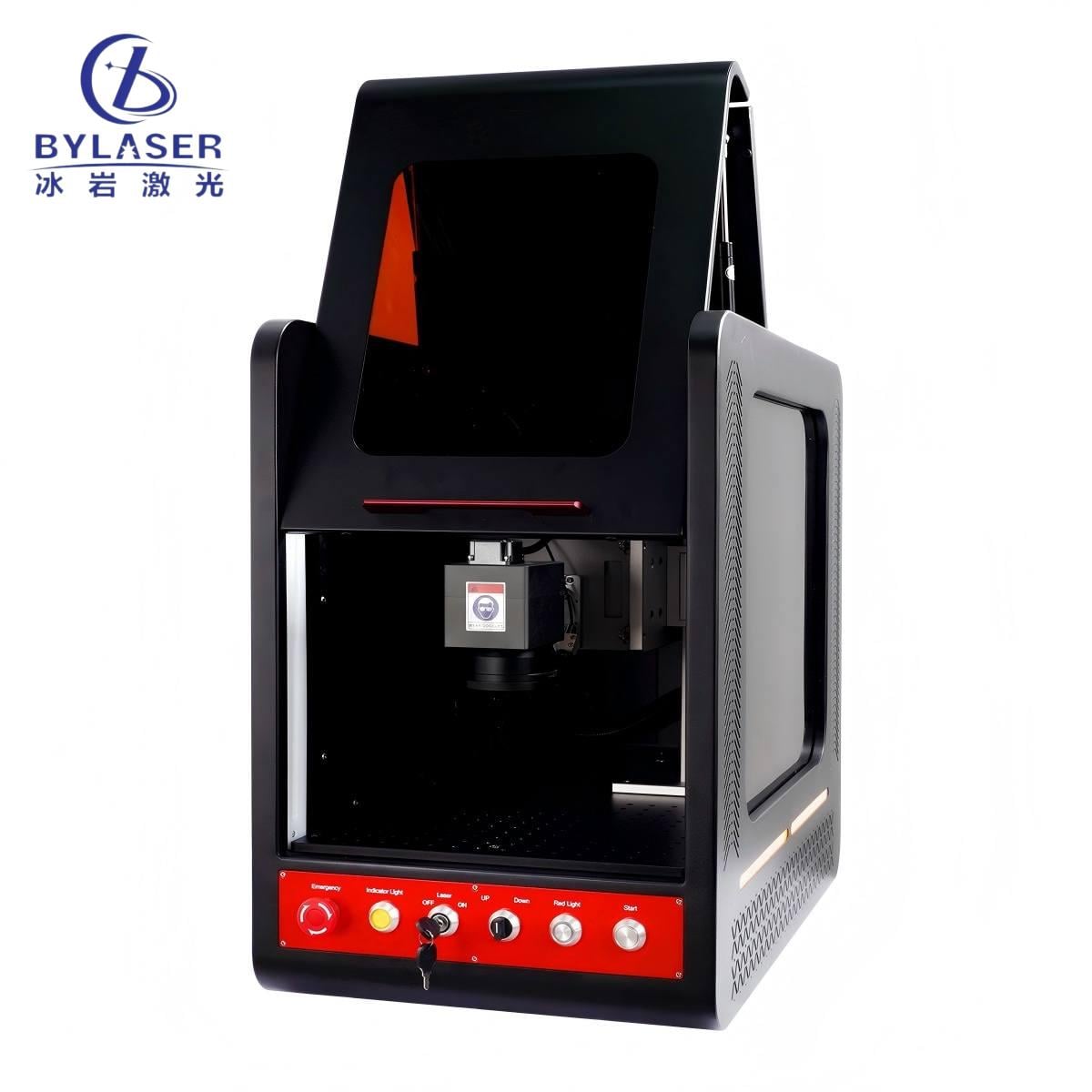
Advanced automotive manufacturers also employ laser engraving technology for date coding and supplier information on critical safety components such as airbag housings, brake systems, and steering assemblies. The non-contact nature of laser processing eliminates the risk of mechanical stress or deformation that could affect component reliability. Furthermore, the permanent nature of laser-engraved markings ensures that identification remains legible throughout the vehicle's operational lifetime, even under harsh environmental conditions including temperature extremes, chemical exposure, and mechanical wear.
Luxury and performance vehicle manufacturers increasingly rely on laser engraving machines to create distinctive branding elements and personalized features. Engine covers, instrument panels, and decorative trim pieces often feature laser-engraved logos, model designations, and custom graphics that enhance brand recognition and perceived value. The precision capabilities of modern laser systems enable the creation of intricate designs and fine text that would be impossible or cost-prohibitive with traditional marking methods.
The growing trend toward vehicle personalization has created new opportunities for laser engraving applications in the automotive aftermarket. Custom shops and dealerships utilize portable laser engraving machines to add personalized elements such as owner names, special edition markings, and decorative patterns to various metal components. This flexibility allows for on-demand customization without the need for expensive tooling or lengthy setup procedures, making small-batch personalization economically viable.
Aerospace and defense industries maintain some of the most stringent requirements for component identification and traceability, making laser engraving machines essential tools for manufacturers in these sectors. Aircraft engines, landing gear assemblies, and structural components require permanent markings that can withstand extreme temperatures, vibration, and corrosive environments encountered during operation. Laser engraving provides the durability and legibility necessary to meet these demanding requirements while maintaining the precise tolerances critical for aerospace applications.
Military and defense contractors utilize laser engraving machines to mark weapons systems, communication equipment, and vehicle components with unique identifiers that support asset tracking and maintenance scheduling. The ability to create high-contrast markings on various metal alloys, including titanium, aluminum, and specialized steel grades, makes laser technology indispensable for defense applications. These markings must remain legible under battlefield conditions and throughout extended service lives, often exceeding decades of operation.
Aerospace manufacturers face rigorous certification processes that require comprehensive documentation of component origins, manufacturing processes, and quality control measures. Laser engraving machines enable the application of 2D data matrix codes and other machine-readable identifiers that link physical components to digital records throughout the manufacturing and service lifecycle. This level of traceability supports compliance with industry standards such as AS9100 and helps manufacturers respond quickly to safety directives or service bulletins.
The precision and repeatability of laser engraving systems ensure consistent marking quality across large production runs, reducing the risk of human error and supporting automated quality control processes. Advanced laser systems integrate with manufacturing execution systems to automatically apply correct markings based on production schedules and part specifications, eliminating manual data entry and reducing the potential for marking errors that could compromise traceability or compliance.
Medical device manufacturers rely heavily on laser engraving machines to mark surgical instruments, implants, and diagnostic equipment with essential identification information. Surgical instruments require permanent markings that can withstand repeated sterilization cycles using steam, chemical, or radiation methods without degrading or becoming illegible. Laser engraving creates markings that penetrate the surface of stainless steel and titanium instruments, providing durability that exceeds the requirements of even the most aggressive sterilization protocols.
The precision capabilities of laser engraving machines enable manufacturers to apply detailed markings on small instruments such as microsurgical tools, dental instruments, and minimally invasive surgical devices. These markings typically include manufacturer information, part numbers, lot codes, and size designations that support proper instrument selection and inventory management in hospital settings. The ability to create high-resolution text and symbols ensures that markings remain legible even on instruments with limited surface area available for identification.
Orthopedic implants, cardiovascular devices, and other permanent medical implants require unique identification markings that enable tracking from manufacture through implantation and potential explantation. Laser engraving machines provide the capability to mark biocompatible metals such as titanium and cobalt-chrome alloys without introducing contaminants or creating surface irregularities that could affect biocompatibility or performance. The permanent nature of laser markings ensures that identification remains intact throughout the device's intended service life within the human body.
Regulatory agencies worldwide require comprehensive traceability for medical devices, particularly those classified as high-risk or life-sustaining. Laser engraving machines enable manufacturers to apply unique device identifiers mandated by regulations such as the FDA's UDI requirements and European MDR standards. These markings support post-market surveillance, adverse event reporting, and device recalls when necessary, contributing to overall patient safety and regulatory compliance.
The electronics industry utilizes laser engraving machines extensively for marking printed circuit boards, electronic components, and device housings with identification codes, logos, and regulatory markings. The precision and speed of laser systems make them ideal for high-volume production environments where consistent marking quality and throughput are critical factors. Laser engraving machines can process various materials commonly used in electronics manufacturing, including aluminum housings, stainless steel shields, and specialized metal substrates used in high-frequency applications.
Semiconductor manufacturers employ laser engraving technology to mark metal leadframes, package substrates, and heat spreaders with part numbers, date codes, and traceability information. The non-contact nature of laser processing eliminates the risk of mechanical damage to delicate electronic components while providing the marking resolution necessary for miniaturized devices. Advanced laser systems can create markings as small as a few micrometers, enabling identification on components that would be impossible to mark using traditional methods.
Consumer electronics manufacturers increasingly use laser engraving machines to create distinctive product designs and enable mass customization of devices such as smartphones, tablets, and wearable technology. Laser engraving allows manufacturers to create unique surface textures, decorative patterns, and personalized engravings on metal device housings without compromising structural integrity or electromagnetic compatibility. This capability supports premium product positioning and enables manufacturers to offer personalization services that enhance customer engagement and brand loyalty.
The flexibility of laser engraving systems enables manufacturers to quickly modify designs and implement limited edition products without investing in new tooling or lengthy setup procedures. This agility is particularly valuable in the fast-paced consumer electronics market, where product lifecycles are measured in months rather than years. Laser engraving machines support just-in-time manufacturing strategies by enabling on-demand customization and reducing inventory requirements for variant products.
Heavy equipment manufacturers across industries including construction, mining, and agriculture depend on laser engraving machines to mark large metal components with essential identification and maintenance information. Engine blocks, hydraulic components, and structural elements require permanent markings that remain legible throughout extended service lives in harsh operating environments. Laser engraving provides the durability necessary to withstand exposure to dirt, chemicals, extreme temperatures, and mechanical abuse commonly encountered in industrial applications.
The scalability of laser engraving systems makes them suitable for marking components ranging from small hydraulic fittings to large structural elements weighing several tons. Portable laser engraving machines enable on-site marking of oversized components that cannot be easily transported to manufacturing facilities, supporting field assembly operations and maintenance activities. This flexibility reduces logistics costs and enables manufacturers to maintain marking consistency across distributed production and assembly operations.
Industrial equipment manufacturers face numerous regulatory requirements for component identification, safety warnings, and operational instructions. Laser engraving machines enable the application of permanent safety markings, operating pressure ratings, and certification marks that support compliance with industry standards and government regulations. These markings must remain legible throughout the equipment's service life to ensure operator safety and maintain regulatory compliance during inspections and audits.
The precision and consistency of laser engraving systems support automated marking processes that reduce human error and ensure consistent compliance with marking requirements across large production volumes. Integration with manufacturing execution systems enables automatic application of appropriate markings based on component specifications and destination markets, supporting global manufacturing operations while maintaining compliance with local regulations and standards.
The jewelry industry has embraced laser engraving machines as essential tools for creating personalized products and distinctive designs on precious metals including gold, silver, and platinum. Laser technology enables jewelers to create intricate engravings, custom text, and detailed patterns that would be extremely difficult or impossible to achieve using traditional hand engraving techniques. The precision of laser systems allows for consistent reproduction of complex designs across multiple pieces, supporting both custom work and production jewelry lines.
High-end jewelry manufacturers utilize laser engraving machines to apply maker's marks, hallmarks, and certification information required by regulatory authorities and industry standards. These markings verify metal purity, manufacturer identity, and compliance with trade regulations while maintaining the aesthetic appeal of finished jewelry pieces. The ability to create extremely small, precise markings enables compliance with marking requirements without compromising the visual design of delicate jewelry items.
Luxury goods manufacturers increasingly rely on laser engraving machines to implement sophisticated anti-counterfeiting measures that protect brand integrity and consumer confidence. Laser systems can create microscopic security features, unique serial numbers, and authentication codes that are difficult or impossible for counterfeiters to reproduce using conventional methods. These security features often incorporate multiple marking techniques including surface engraving, sub-surface marking, and specialized coding systems that require proprietary equipment to verify.
The flexibility of laser engraving technology enables manufacturers to implement track-and-trace systems that support authentication throughout the supply chain and retail distribution network. Individual products can be marked with unique identifiers that link to secure databases containing manufacturing records, distribution history, and ownership information. This level of traceability supports warranty programs, theft recovery, and brand protection initiatives while providing consumers with confidence in product authenticity.
Laser engraving machines can process virtually all types of metals commonly used in industrial applications, including stainless steel, aluminum, titanium, brass, copper, and various alloy compositions. The versatility of laser technology allows for marking on both ferrous and non-ferrous metals, with different laser wavelengths and power levels optimized for specific material characteristics. Advanced laser systems can handle exotic materials such as Inconel, Hastelloy, and other specialized alloys used in aerospace and high-temperature applications, providing consistent marking quality across diverse material specifications.
While the initial investment in laser engraving machines may be higher than traditional marking methods such as dot peen or chemical etching, the long-term operational costs are typically lower due to reduced consumables, minimal maintenance requirements, and faster processing speeds. Laser systems eliminate the need for marking tools, chemicals, or consumable materials, reducing ongoing operational expenses and environmental impact. The speed and precision of laser marking often enable higher production throughput and reduced labor costs, particularly for high-volume applications where consistency and repeatability are critical factors.
Modern laser engraving machines designed for industrial applications typically require minimal routine maintenance, primarily consisting of periodic cleaning of optical components, replacement of consumable items such as laser diodes or flash lamps, and routine calibration procedures. Most systems incorporate automated monitoring and diagnostic capabilities that alert operators to maintenance needs and potential issues before they affect production quality or system reliability. Preventive maintenance schedules are usually based on operating hours or processing volume rather than calendar intervals, allowing manufacturers to optimize maintenance timing based on actual system utilization.
Laser engraving machines offer exceptional scalability, making them suitable for both small-scale customization projects and large-scale production environments. The flexibility of laser systems allows for quick setup changes and design modifications without tooling costs or lengthy changeover procedures, enabling cost-effective short-run customization work. For high-volume production, laser engraving machines can operate continuously with automated part handling systems and integration with manufacturing execution systems, supporting throughput rates that meet demanding production schedules while maintaining consistent marking quality across large quantities.