×
×
Precision in manufacturing has never been more critical than it is today, with industries demanding increasingly accurate marking, engraving, and identification solutions. A high-quality laser marking machine serves as the backbone of modern production lines, delivering consistent results that meet stringent quality standards. Understanding which features contribute most significantly to precision can help manufacturers make informed decisions when selecting equipment for their operations. The right combination of technical specifications, software capabilities, and mechanical design elements determines whether a laser marking machine will deliver the exceptional accuracy required for today's competitive marketplace.
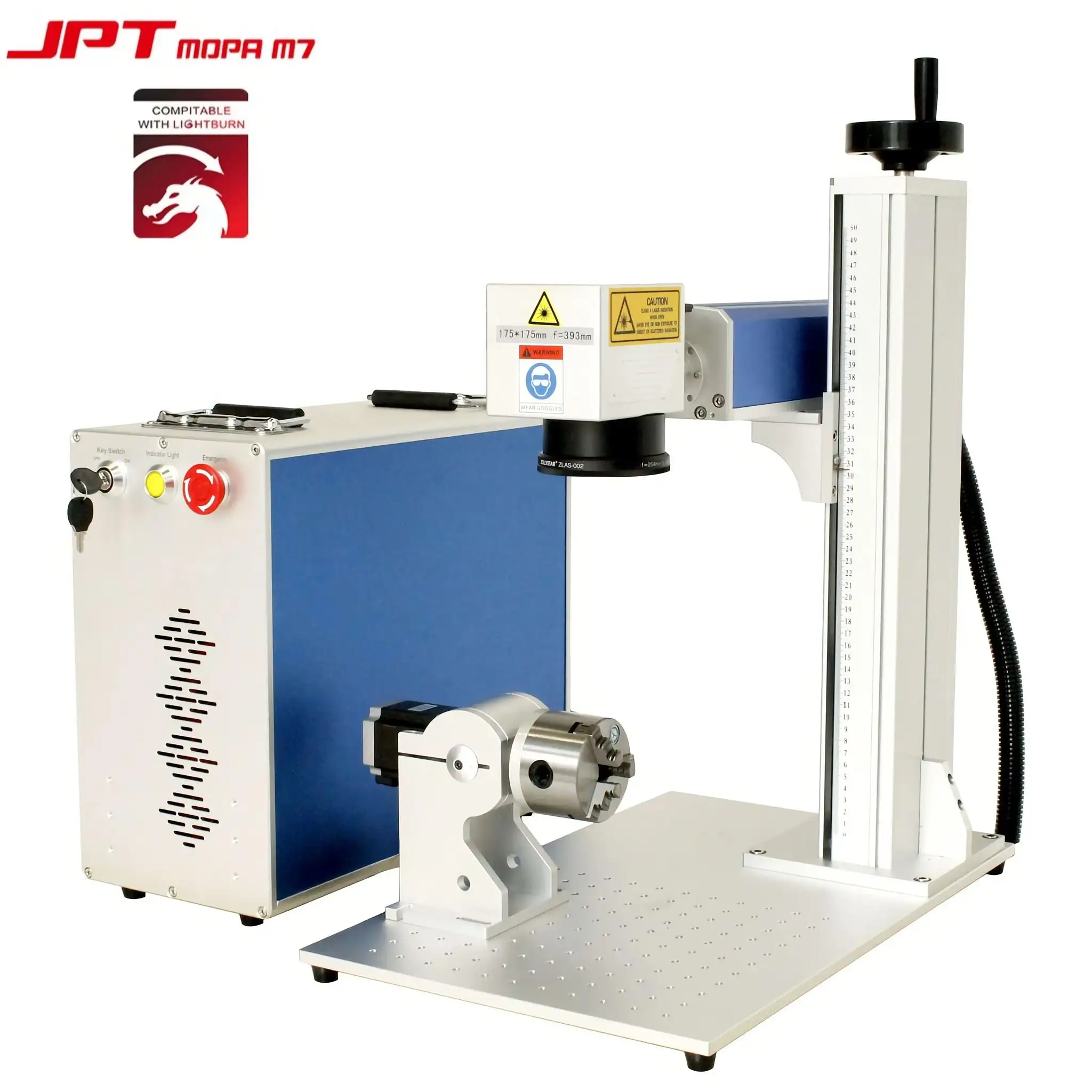
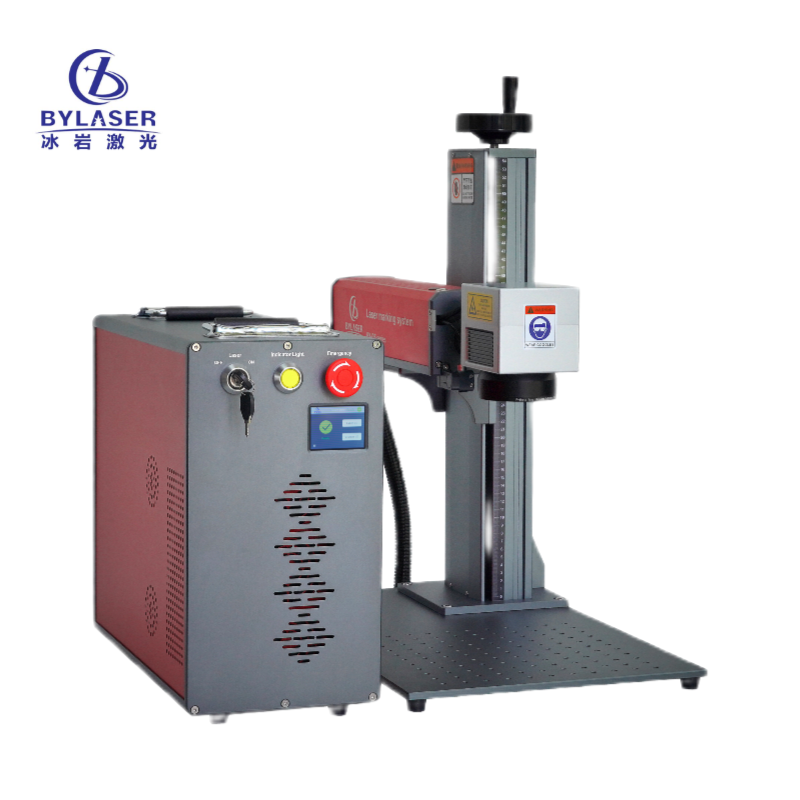
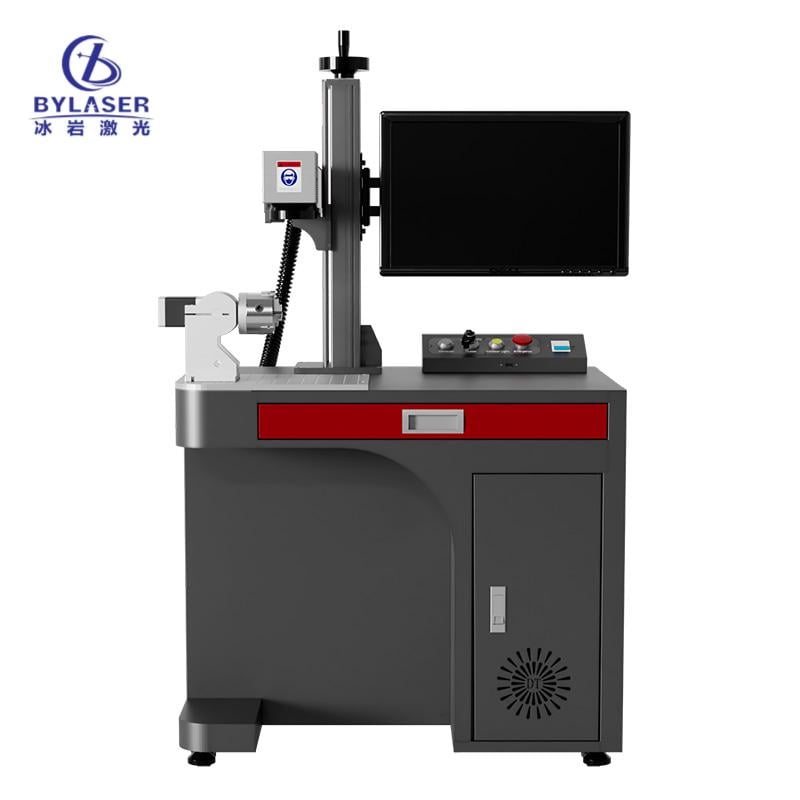
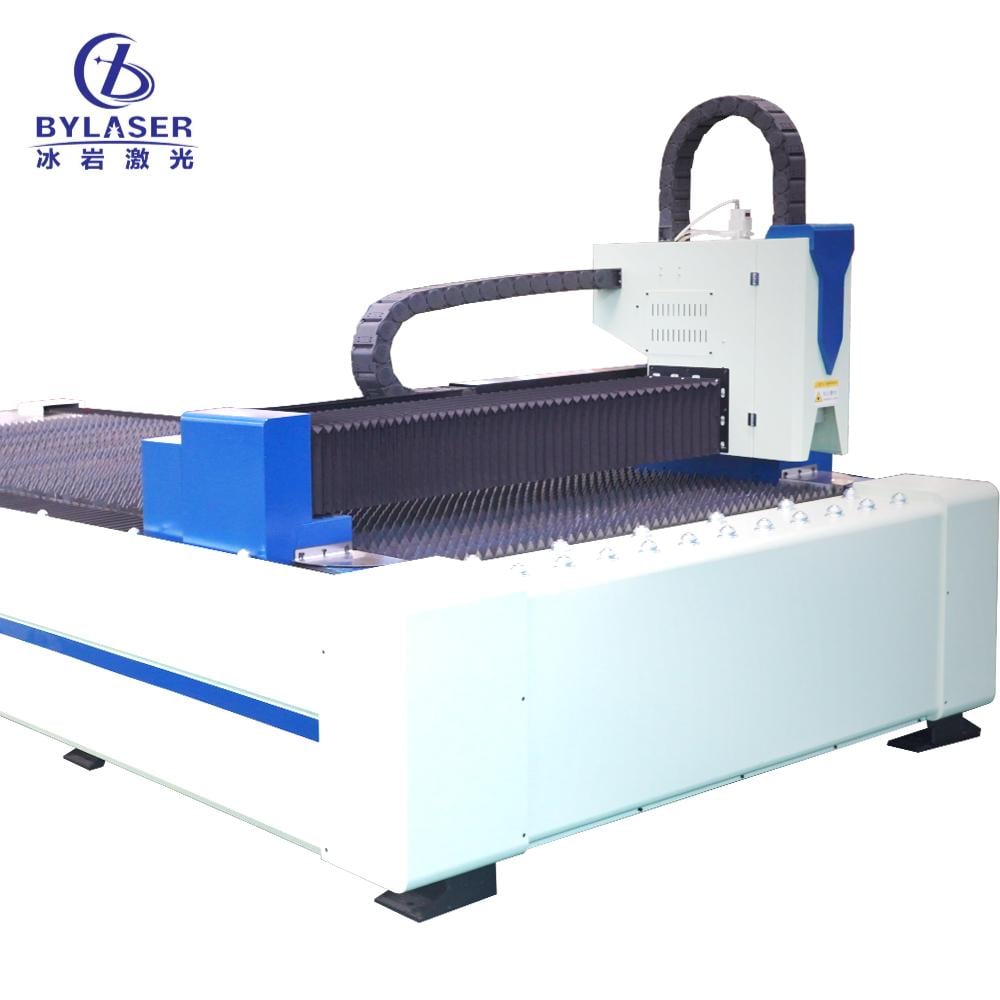
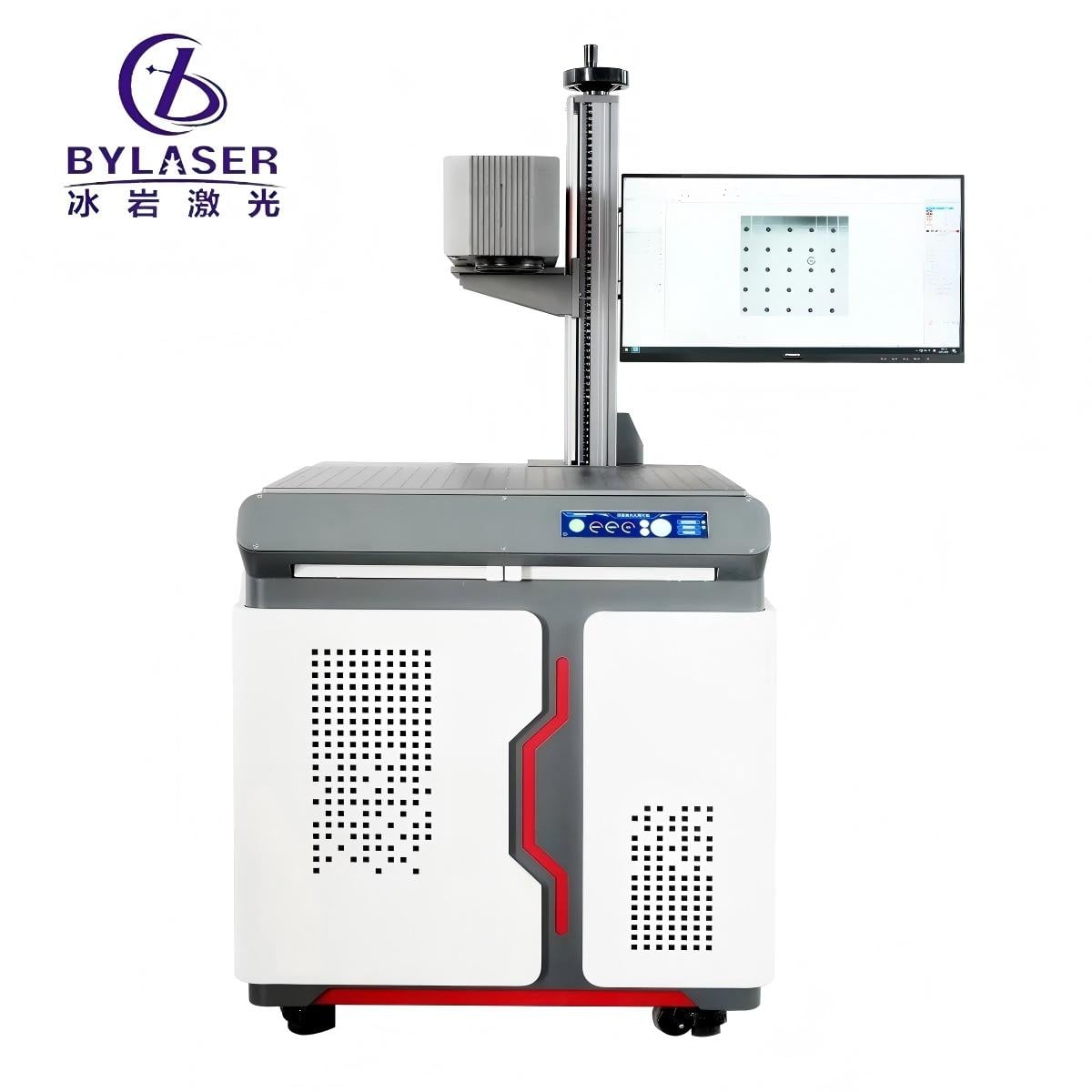
The laser source represents the heart of any marking system, and fiber laser technology has become one of the most widely adopted solutions for precision marking. Modern fiber laser marking machines deliver stable beam quality that supports tight focusing and consistent energy distribution across the marking field. This directly improves edge definition, depth control, and helps reduce excessive heat impact during the marking process. The inherent stability of fiber laser sources also supports consistent results throughout extended production runs, minimizing variations between batches.
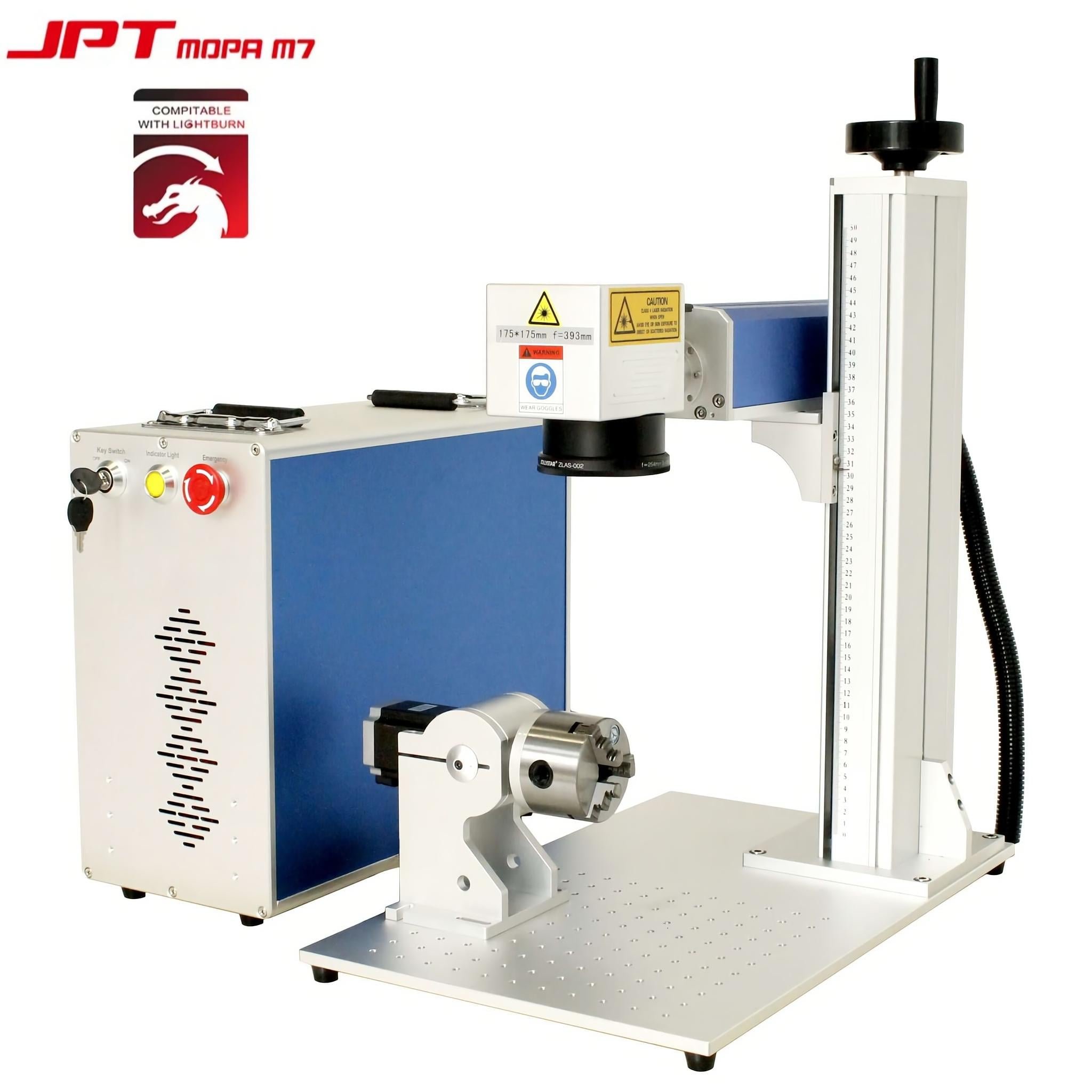
Wavelength selection plays a crucial role in achieving optimal precision for different materials and applications. Most industrial laser marking machines operate at 1064nm, which provides strong absorption characteristics for metals, many plastics, and a wide range of coated substrates. The coherent nature of laser light ensures energy delivery remains focused and predictable, enabling precise control over spot size and energy density distribution across the marking area.
Consistent power output forms the foundation of repeatable marking results, making output stability one of the most critical features in precision laser systems. High-quality laser marking machines incorporate power monitoring and control systems that help maintain stable output during long production cycles. This consistency ensures that identical marking parameters can deliver highly repeatable results, whether processing the first part or the ten-thousandth part in a production run.
Pulse parameter control extends beyond basic power regulation to include frequency, pulse width, and peak power characteristics. Systems with flexible pulse control allow operators to fine-tune energy delivery for different materials, surface finishes, and marking objectives such as high-contrast marking, annealing, or deep engraving. This capability is essential for maintaining consistent depth, contrast, and line quality across mixed production requirements.
The precision of beam positioning directly impacts marking accuracy, making galvanometer scanner technology a key component in high-performance systems. Professional laser marking machines use high-speed galvanometer mirrors designed for stable, repeatable positioning across the working field. When marking fine text, QR codes, or detailed graphics, scanner accuracy and repeatability help ensure the mark remains aligned and dimensionally consistent throughout production runs.
Scanner field size and correction capability significantly influence overall system precision, particularly when marking large parts or working near the edges of the marking field. Advanced systems incorporate field correction algorithms that compensate for optical distortion and ensure consistent geometry. These corrections help maintain dimensional accuracy so circles remain round, straight lines stay linear, and text remains readable across the entire marking area.
Focusing lens selection and mounting precision directly determine the achievable spot size and depth of field characteristics that define marking resolution. High-quality laser marking machine systems use precision lenses and stable optical alignment to maintain consistent spot performance across the marking field. This consistency helps ensure uniform marking quality regardless of part position, reducing variations that can occur with lower-grade optical setups.
Automated focus adjustment mechanisms enhance precision by maintaining optimal focal position when processing parts with height differences, curved surfaces, or complex geometries. Depending on the system configuration, focus can be adjusted using distance measurement or mechanical positioning. This reduces manual setup time and improves consistency, especially in production environments handling multiple SKUs.
Software capability plays an important role in achieving stable precision across complex marking tasks. Modern laser marking control software uses vector-based processing to optimize beam path planning, acceleration profiles, and marking sequences. These functions help reduce corner overburn, minimize unnecessary movement, and improve uniformity, especially when marking fine fonts, micro text, or high-density QR codes.
Path optimization routines impact both precision and productivity by reducing redundant beam travel and maintaining stable marking speeds across complex patterns. Advanced software can automatically sort marking elements by proximity and optimize marking order. These improvements become especially valuable for high-detail graphics, serial marking, and applications where dimensional consistency is critical.
Closed-loop monitoring helps laser marking machines maintain consistent results by tracking key operational conditions during the marking process. Depending on the system design, monitoring can include power stability, scanner performance, and environmental conditions. This supports more stable marking output during long production runs and reduces the risk of drift caused by temperature changes or extended duty cycles.
Quality verification capabilities integrated into the workflow provide immediate feedback on marking results. Vision systems or inspection tools can help verify mark position, contrast, and readability after marking. This enables rapid detection of marking issues and helps prevent defective parts from moving to the next production stage, supporting both quality control and traceability requirements.
Environmental stability directly affects laser marking precision, with temperature variation being a common cause of drift in industrial environments. Professional laser marking machines use thermal management designs to help keep key components operating within stable ranges during continuous production. This may include cooling systems, temperature monitoring, and structural thermal isolation that reduce the influence of ambient temperature changes.
Laser source temperature regulation is important for maintaining consistent output and beam performance over long operating cycles. Stable thermal design helps prevent wavelength shift, power fluctuation, and gradual drift that may impact marking consistency. For factories running long shifts, reliable thermal control reduces the need for frequent recalibration and supports repeatable results.
Mechanical vibration can reduce marking precision by introducing beam movement or part displacement during the marking process. High-precision laser marking machines incorporate structural reinforcement and vibration-reduction measures to protect sensitive optical and mechanical components. This is especially important in industrial workshops where nearby equipment can generate continuous vibration.
Internal component mounting and mechanical structure contribute substantially to long-term stability. Professional systems use rigid mounting platforms, stable Z-axis mechanisms, and durable mechanical assemblies designed for industrial duty. These design features help maintain calibration and repeatability over time, reducing maintenance frequency and improving lifecycle reliability.
Modern manufacturing requires seamless integration between laser marking machines and production control systems, making communication capabilities essential for maintaining precision in automated workflows. Advanced systems support common industrial communication methods to enable real-time data exchange with MES, quality databases, and production scheduling tools. This allows marking content and parameters to be controlled consistently across different production batches.
Database integration can reduce manual input errors by retrieving marking content directly from enterprise systems. This supports stable serialization, batch marking, and traceability requirements while ensuring consistent parameter application. When combined with inspection records, it also helps manufacturers maintain complete marking history for quality audits and customer compliance.
Precision marking requires consistent part positioning and reliable fixturing to ensure repeatable results. Laser marking machines designed for production typically support stable workholding solutions for different part geometries. This may include locating pins, clamping mechanisms, and modular fixtures that reduce operator variation and improve setup efficiency.
Automation integration extends precision control beyond marking to include the full production workflow. Systems equipped with robotic interfaces, conveyor support, or sensor-based part detection can maintain marking accuracy while processing high volumes with minimal manual intervention. This is especially valuable for manufacturers requiring stable marking quality across large production runs or complex part shapes.
The optimal beam diameter for precision marking depends on the marking content, material type, and required detail level. Smaller spot sizes support finer resolution and sharper edges, while larger spot sizes may improve consistency for certain materials or deeper marking tasks. In practice, most precision laser marking machines allow operators to optimize spot size through lens selection and parameter tuning to match specific production requirements.
Marking speed and precision are closely related. Higher speeds can introduce dynamic errors or reduce energy consistency, especially when marking small characters or dense QR codes. Modern laser marking machines use motion control optimization and software-based path planning to maintain accuracy at higher speeds. The best approach is to balance throughput requirements with the readability, contrast, and dimensional tolerances required for your application.
Maintaining precision typically involves routine cleaning of optical components, periodic verification using test patterns, and regular checks of focus and output stability. Environmental monitoring can also help, especially in workshops with high temperature fluctuation or vibration. Preventive maintenance based on operating hours is often more reliable than calendar-only schedules, since workload intensity varies significantly across production environments.
Yes. Modern laser marking machines can maintain stable precision across different materials when parameters are optimized for each substrate. However, achieving the best results typically requires material-specific tuning for power, speed, frequency, and pulse settings. Many systems support saving multiple parameter libraries so operators can quickly switch between materials while maintaining consistent quality and repeatability.