×
×
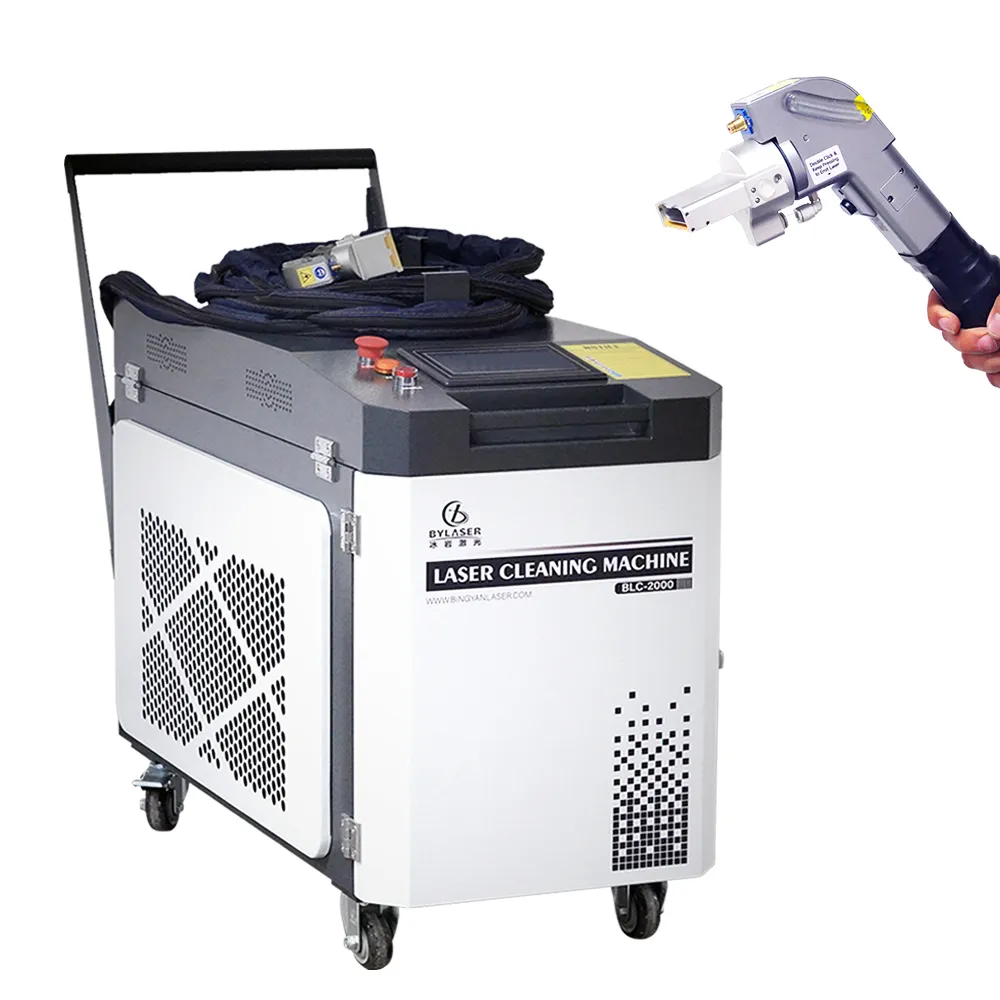
Industrial cleaning has undergone a revolutionary transformation with the introduction of advanced laser cleaning machine technology. This innovative approach to surface preparation and contamination removal has become increasingly popular across manufacturing, restoration, and maintenance sectors. A laser cleaning machine offers precision, environmental sustainability, and operational efficiency that traditional cleaning methods simply cannot match. Understanding the key factors involved in selecting the right laser cleaning machine for your specific industrial applications requires careful consideration of power requirements, material compatibility, operational costs, and long-term maintenance needs.
The core technology behind every laser cleaning machine involves the precise application of high-intensity light pulses to remove contaminants, coatings, or unwanted materials from surfaces. This process relies on selective absorption where the target material absorbs laser energy more readily than the underlying substrate. The rapid heating and vaporization of contaminants creates minimal thermal impact on the base material, preserving structural integrity while achieving thorough cleaning results. Modern laser cleaning machine systems incorporate sophisticated control mechanisms that allow operators to adjust pulse duration, energy density, and scanning patterns for optimal performance across diverse applications.
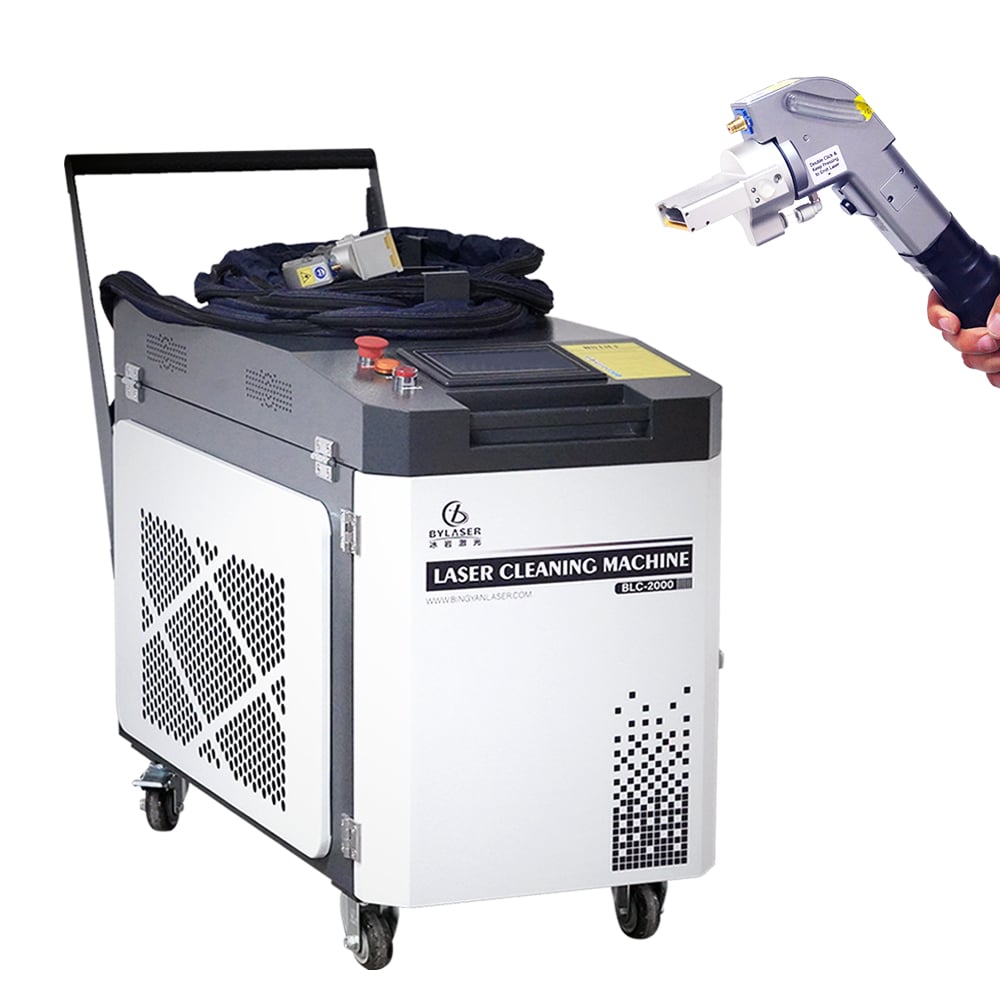
Advanced laser cleaning machine designs utilize different wavelengths and pulse configurations to target specific materials and contamination types. Fiber lasers operating at 1064 nanometers provide excellent performance for rust removal, paint stripping, and oxide cleaning on metallic surfaces. The photomechanical effect generated by short pulse durations minimizes heat-affected zones while maximizing cleaning efficiency. Understanding these fundamental principles helps industrial users make informed decisions when evaluating different laser cleaning machine options for their specific operational requirements.
Implementing a laser cleaning machine in industrial operations provides significant advantages compared to conventional cleaning techniques such as sandblasting, chemical stripping, or manual abrasion. Environmental sustainability represents a primary benefit since laser cleaning eliminates the need for harsh chemicals, abrasive media, or disposal of contaminated waste materials. The precision offered by a laser cleaning machine allows for selective removal of specific layers or contaminants without damaging underlying surfaces, making it ideal for delicate restoration work or high-value components.
Operational efficiency gains from laser cleaning machine technology include reduced labor requirements, faster processing times, and consistent results regardless of operator skill level. The automated nature of modern laser cleaning systems minimizes human error while providing repeatable outcomes across multiple workpieces. Additionally, the non-contact cleaning process eliminates tool wear and reduces ongoing consumable costs, creating long-term economic benefits for industrial facilities investing in laser cleaning machine technology.
Selecting the appropriate power level for your laser cleaning machine directly impacts cleaning efficiency, processing speed, and operational costs. Low-power systems ranging from 50 to 200 watts excel at delicate cleaning applications such as artwork restoration, electronics cleaning, or thin coating removal where precision takes priority over speed. Medium-power laser cleaning machine configurations between 200 and 500 watts provide balanced performance for general industrial applications including rust removal, paint stripping, and surface preparation tasks.
High-power laser cleaning machine systems exceeding 500 watts deliver maximum throughput for heavy-duty industrial applications such as thick coating removal, large-scale rust treatment, or high-volume production environments. However, increased power levels require enhanced safety protocols, improved cooling systems, and higher initial investment costs. The key to optimal laser cleaning machine selection involves matching power specifications to your specific cleaning requirements while considering factors such as material thickness, contamination density, and desired processing speeds.
The pulse characteristics of a laser cleaning machine significantly influence cleaning effectiveness and material compatibility. Short pulse durations measured in nanoseconds provide excellent precision for delicate materials and thin coatings where thermal damage must be minimized. These ultra-short pulses create photomechanical effects that break molecular bonds without generating excessive heat, making them ideal for cleaning sensitive substrates or removing specific layers from multi-layer coatings.
Longer pulse durations in the microsecond range offer better energy efficiency for heavy-duty cleaning applications where thermal effects can be beneficial for contamination removal. The adjustable pulse frequency of modern laser cleaning machine systems allows operators to optimize cleaning parameters for different materials and contamination types. Higher frequencies provide smoother surface finishes and more uniform cleaning results, while lower frequencies can penetrate deeper contamination layers more effectively.
A properly configured laser cleaning machine excels at treating various metallic surfaces commonly found in industrial environments. Steel components benefit from laser cleaning technology for rust removal, scale elimination, and surface preparation prior to welding or coating applications. The selective nature of laser cleaning allows for precise removal of oxidation layers while preserving the base metal integrity, resulting in superior surface preparation compared to abrasive cleaning methods.
Aluminum surfaces respond exceptionally well to laser cleaning machine treatment for removing anodizing layers, paint coatings, or contamination from manufacturing processes. Stainless steel applications include weld cleaning, passivation layer removal, and restoration of corrosion-resistant properties. The non-contact nature of laser cleaning eliminates the risk of surface contamination from abrasive particles or chemical residues that could compromise material performance in critical applications.
Modern laser cleaning machine technology extends beyond metallic applications to include various non-metallic materials requiring specialized cleaning approaches. Stone and masonry surfaces benefit from gentle laser cleaning for historical restoration projects where traditional methods might cause irreversible damage. The precise control offered by advanced laser cleaning machine systems allows conservators to remove pollutants, biological growth, or unwanted coatings while preserving original surface textures and patina.
Composite materials used in aerospace, automotive, and marine applications require careful cleaning to maintain structural integrity and performance characteristics. A laser cleaning machine configured with appropriate parameters can remove surface contaminants, mold release agents, or weathering effects from composite substrates without causing delamination or fiber damage. The versatility of laser cleaning technology makes it suitable for cleaning rubber components, plastic surfaces, and even certain ceramic materials when proper wavelength and power settings are employed.
The initial purchase price of a laser cleaning machine represents a significant capital investment that must be evaluated against long-term operational benefits and cost savings. Entry-level systems suitable for small-scale operations or specialized applications typically range from moderate to substantial investment levels depending on power output and feature complexity. Industrial-grade laser cleaning machine systems with higher power outputs and advanced automation capabilities require more substantial initial investments but offer superior productivity and operational efficiency.
When evaluating laser cleaning machine costs, consider the total system price including necessary accessories such as safety equipment, ventilation systems, and operator training programs. Additional costs may include installation services, commissioning support, and initial spare parts inventory. However, the absence of ongoing consumable costs such as abrasive media, chemicals, or replacement brushes helps offset the higher initial investment over the equipment lifecycle.
Operating a laser cleaning machine involves primarily electrical consumption and periodic maintenance costs, creating predictable operational expenses compared to traditional cleaning methods. Energy efficiency varies between different laser cleaning machine designs, with modern fiber laser systems offering excellent electrical efficiency and low heat generation. The elimination of consumable materials such as sandblasting media, chemical solvents, or abrasive tools significantly reduces ongoing operational costs while eliminating waste disposal expenses.
Labor cost reductions represent another significant economic benefit of laser cleaning machine implementation. Automated cleaning processes require minimal operator intervention, allowing skilled personnel to focus on higher-value activities while the laser cleaning machine handles routine cleaning tasks. The consistent results achieved by laser cleaning technology reduce rework costs and improve overall production quality, contributing to improved profitability and operational efficiency.
Operating a laser cleaning machine requires strict adherence to established safety protocols and regulatory guidelines governing industrial laser systems. Most industrial laser cleaning machines fall under Class 4 laser classifications, requiring comprehensive safety measures including designated laser safety areas, appropriate warning signage, and controlled access procedures. Operators must receive proper training on laser safety principles, emergency procedures, and protective equipment requirements before working with laser cleaning machine systems.
Personal protective equipment for laser cleaning machine operations includes specialized laser safety eyewear rated for the specific wavelength and power level of the system. Skin protection may be necessary for high-power applications where reflected or scattered laser radiation could cause thermal injuries. Proper ventilation systems are essential to manage fumes and particulates generated during the laser cleaning process, ensuring safe working conditions and regulatory compliance.
The environmental safety profile of laser cleaning machine technology surpasses traditional cleaning methods by eliminating chemical waste streams and reducing airborne contaminants. However, proper fume extraction and filtration systems remain necessary to capture and contain particles generated during the cleaning process. HEPA filtration or specialized extraction systems designed for laser cleaning applications ensure compliance with air quality regulations and protect worker health.
Noise levels from laser cleaning machine operations typically remain well below industrial safety thresholds, creating more comfortable working conditions compared to pneumatic or mechanical cleaning methods. The precision of laser cleaning reduces the risk of substrate damage or structural weakening that might create safety hazards in cleaned components. Regular maintenance and calibration of laser cleaning machine systems ensure continued safe operation and optimal performance throughout the equipment lifecycle.
Maintaining optimal performance from your laser cleaning machine requires implementation of comprehensive preventive maintenance protocols designed to ensure reliable operation and extend equipment lifespan. Regular cleaning of optical components including lenses, mirrors, and beam delivery systems prevents contamination buildup that could degrade laser beam quality or damage expensive optical elements. Fiber laser systems used in most modern laser cleaning machine designs require minimal maintenance compared to traditional gas laser technologies.
Cooling system maintenance represents a critical aspect of laser cleaning machine upkeep, particularly for higher-power systems that generate significant heat during operation. Regular coolant level checks, filter replacements, and temperature monitoring help prevent thermal damage to laser components and ensure consistent performance. Mechanical components such as scanner systems and positioning equipment require periodic lubrication and alignment checks to maintain precise beam positioning and scanning accuracy.
Selecting a laser cleaning machine supplier with comprehensive technical support capabilities ensures minimal downtime and rapid resolution of operational issues. Local service availability, spare parts inventory, and response time commitments should be evaluated as part of the overall equipment selection process. Remote diagnostic capabilities available in modern laser cleaning machine systems enable faster troubleshooting and reduce service call requirements.
Training programs offered by laser cleaning machine manufacturers help operators develop expertise in system operation, basic maintenance procedures, and troubleshooting techniques. Comprehensive training reduces the likelihood of operational errors and helps maximize the return on your laser cleaning machine investment. Ongoing technical support relationships with equipment suppliers provide access to software updates, application development assistance, and optimization recommendations based on evolving cleaning requirements.
The optimal power level for a laser cleaning machine depends on several key factors including the type and thickness of contamination being removed, the substrate material properties, required processing speed, and precision requirements. Light contamination such as thin oxide layers or dust may require only 50-100 watts, while heavy rust, thick paint, or industrial coatings typically need 200-500 watts or higher. Material sensitivity also plays a crucial role, with delicate substrates requiring lower power levels to prevent thermal damage, while robust materials can handle higher power settings for faster processing.
Laser cleaning machine technology offers significant environmental advantages over traditional cleaning methods by eliminating the need for chemical solvents, abrasive media, and water-intensive processes. Unlike sandblasting or chemical stripping, laser cleaning produces no hazardous waste streams requiring special disposal procedures. The process generates only small amounts of vaporized contaminants that can be easily captured with standard filtration systems, dramatically reducing environmental footprint and regulatory compliance requirements while maintaining superior cleaning effectiveness.
Operating costs for a laser cleaning machine primarily include electrical consumption, periodic maintenance, and occasional replacement of optical components. Unlike traditional cleaning methods, laser systems require no consumable materials such as abrasive media, chemicals, or replacement tools, significantly reducing ongoing operational expenses. Typical maintenance costs involve cooling system servicing, optical component cleaning, and software updates, while energy consumption varies based on power level and usage patterns but generally remains predictable and manageable within industrial budgets.
Return on investment timelines for laser cleaning machine systems typically range from 6 months to 3 years depending on application intensity, labor cost savings, and eliminated consumable expenses. High-volume operations with significant manual cleaning requirements often achieve payback within the first year through reduced labor costs and improved productivity. Facilities with substantial consumable material costs from traditional cleaning methods may see even faster returns, while specialized or lower-volume applications might require longer payback periods but still provide substantial long-term economic benefits and operational improvements.