×
×
Industrial metal equipment faces constant challenges from corrosion, rust, and surface contamination that can significantly impact performance and longevity. Traditional cleaning methods often involve harsh chemicals, abrasive materials, or time-consuming manual processes that may damage the underlying metal surface. A laser rust removal machine represents a revolutionary advancement in surface cleaning technology, offering precise, environmentally friendly, and highly effective solutions for maintaining metal equipment across various industries. This sophisticated equipment utilizes focused laser beams to selectively remove rust, paint, oxides, and other contaminants without compromising the integrity of the base material.
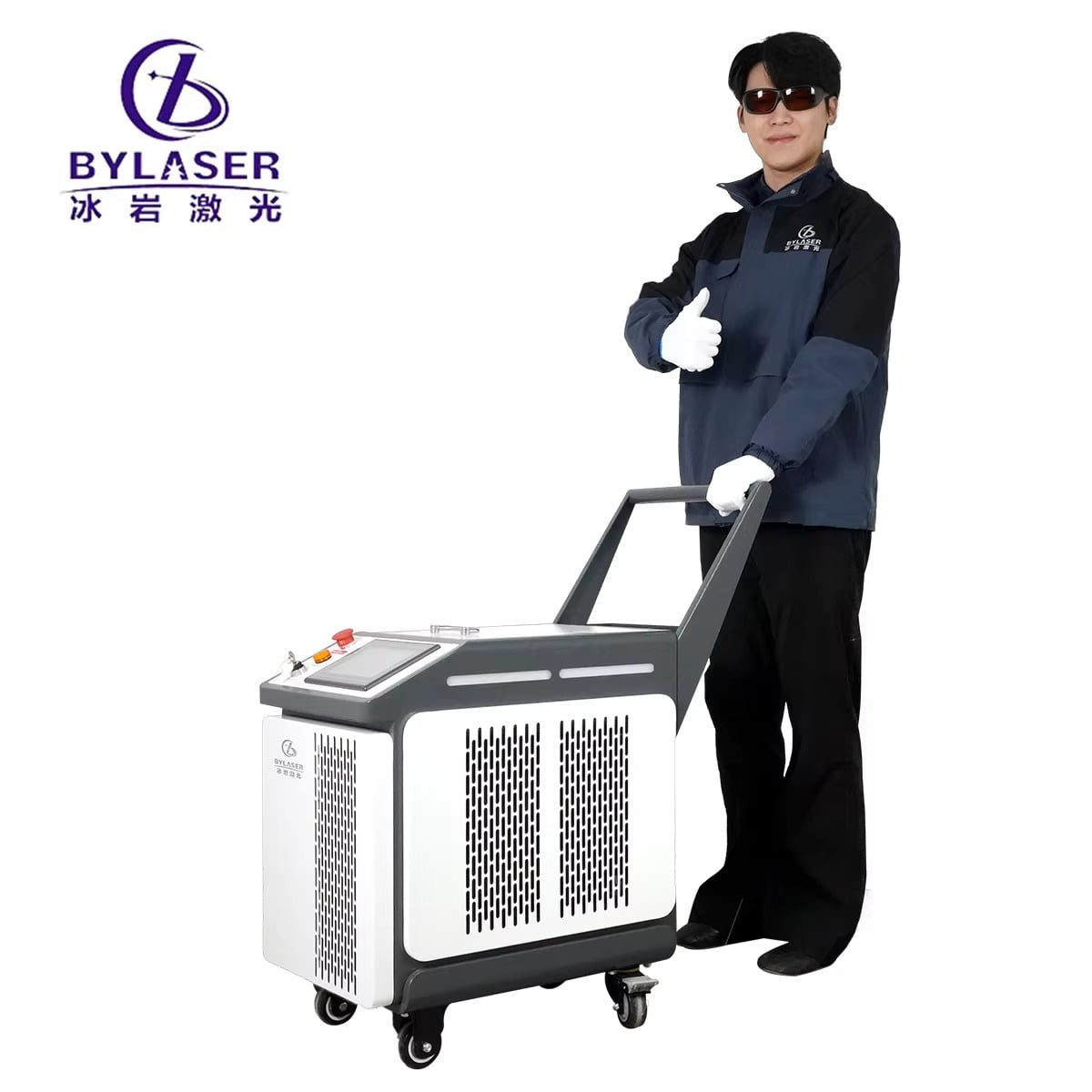
Modern manufacturing facilities, shipyards, automotive workshops, and restoration projects increasingly rely on laser cleaning technology to maintain equipment efficiency and extend operational lifespans. The selection process for the optimal laser rust removal machine requires careful consideration of multiple technical factors, operational requirements, and cost-effectiveness parameters. Understanding these critical elements enables organizations to make informed decisions that align with their specific cleaning applications and long-term maintenance strategies.
The fundamental operation of a laser rust removal machine relies on the principle of selective photothermolysis, where laser energy is absorbed differently by various materials based on their optical properties. When the laser beam contacts rust or contaminants, these materials absorb the energy more readily than the underlying clean metal, causing rapid heating and vaporization of unwanted substances. This selective absorption allows for precise cleaning without damaging the base material, making laser technology superior to traditional abrasive methods.
The laser cleaning process generates minimal waste products, as most contaminants are vaporized or sublimated during treatment. This characteristic makes laser rust removal machines particularly attractive for environmentally conscious operations and facilities operating under strict waste management regulations. The precise control over energy density and pulse duration enables operators to fine-tune cleaning parameters for different materials and contamination levels.
Different laser wavelengths interact uniquely with various materials, making wavelength selection a critical factor in laser rust removal machine effectiveness. Near-infrared wavelengths, typically around 1064 nanometers, provide excellent absorption characteristics for rust and oxide removal on ferrous metals. The absorption coefficient differences between clean metal surfaces and rust layers create the selective cleaning action that defines laser technology's precision.
Surface roughness, material composition, and contamination thickness all influence the optimal wavelength choice for specific applications. Advanced laser rust removal machines often incorporate adjustable parameters that allow operators to optimize performance across different cleaning scenarios. Understanding these material interactions helps users select equipment that delivers consistent results across their intended application range.
The power output of a laser rust removal machine directly impacts cleaning speed, penetration depth, and overall efficiency for different contamination levels. Lower power systems, typically ranging from 100 to 500 watts, excel in light rust removal and delicate surface preparation tasks where precision takes precedence over speed. These systems offer excellent control for detailed work on intricate components or valuable equipment where surface preservation is paramount.
Higher power laser rust removal machines, operating between 1000 to 3000 watts or more, provide rapid cleaning capabilities for heavy rust, thick paint layers, and large-scale industrial applications. The increased energy density enables faster processing speeds and deeper penetration into stubborn contamination layers. However, higher power systems require more sophisticated safety measures and operator training to prevent accidental damage to substrate materials.
Pulse duration parameters significantly influence the cleaning mechanism and thermal effects on treated surfaces. Shorter pulse durations, measured in nanoseconds or picoseconds, minimize heat-affected zones and reduce the risk of thermal damage to sensitive materials. These ultra-short pulses enable precise material removal while maintaining excellent surface quality and dimensional accuracy.
Pulse frequency or repetition rate determines the number of laser pulses delivered per second, directly affecting processing speed and energy distribution. Higher repetition rates generally increase cleaning speeds but may require careful thermal management to prevent excessive heat buildup. The optimal combination of pulse duration and frequency varies depending on material properties, contamination characteristics, and desired surface finish quality.
Manufacturing facilities require laser rust removal machines capable of handling diverse materials, varying contamination levels, and high-throughput cleaning operations. Production environments often demand automated or semi-automated systems that integrate seamlessly with existing workflow processes. The ability to process large quantities of components consistently while maintaining quality standards becomes a primary selection criterion for industrial applications.
Integration capabilities with robotic systems, conveyor lines, and quality control equipment enhance the value proposition of industrial laser rust removal machine installations. Advanced control systems enable recipe storage, process monitoring, and data logging features that support lean manufacturing principles and continuous improvement initiatives. The equipment's ability to adapt to different product geometries and cleaning requirements without extensive reconfiguration saves valuable production time and resources.
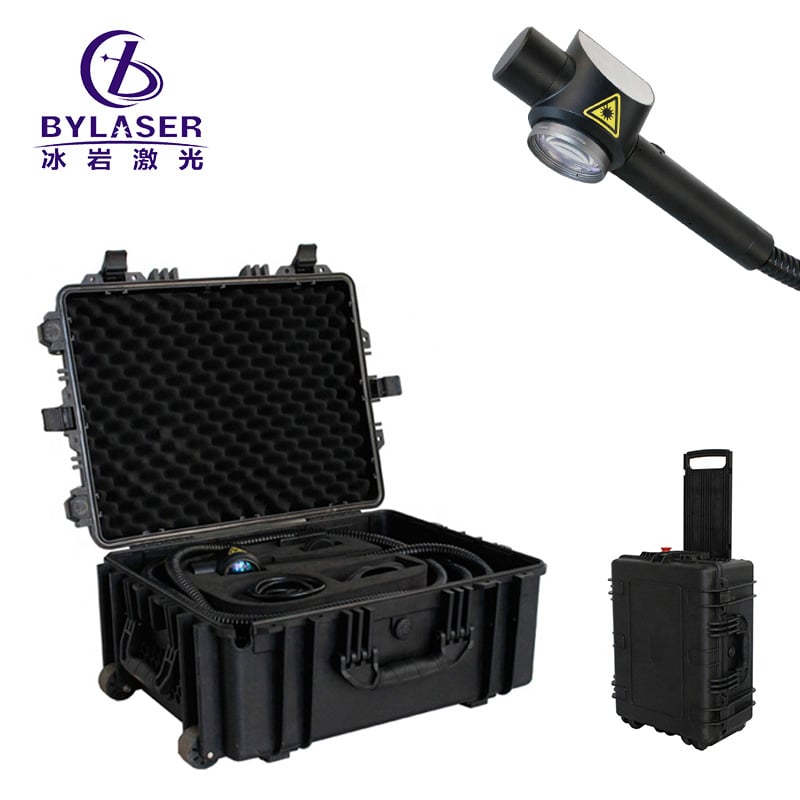
Maintenance departments and repair facilities often require portable or semi-portable laser rust removal machines that can access equipment in various locations and configurations. The flexibility to clean components in place or remove them for detailed treatment determines the equipment's utility in maintenance applications. Handheld systems provide excellent maneuverability for accessing confined spaces, complex geometries, and field repair situations.
Durability and reliability become critical factors for maintenance applications where equipment downtime directly impacts operational costs. The laser rust removal machine must withstand challenging environmental conditions, frequent transport, and intensive use patterns typical of maintenance operations. Simplified operation procedures and minimal training requirements enable maintenance personnel to achieve effective results without extensive specialized knowledge.
The initial purchase price of a laser rust removal machine varies significantly based on power output, feature complexity, and manufacturer reputation. Entry-level systems suitable for light-duty applications may cost between $50,000 to $150,000, while high-power industrial systems can range from $200,000 to over $500,000. These initial costs must be evaluated against long-term operational savings and productivity improvements to determine true value proposition.
Additional costs including installation, training, safety equipment, and facility modifications should be factored into the total investment calculation. Some laser rust removal machine suppliers offer comprehensive packages including training, maintenance contracts, and technical support services that provide predictable operating costs and reduced risk of unexpected expenses. Financing options and lease arrangements may make advanced technology more accessible for smaller organizations or those with limited capital budgets.
Operating costs for laser rust removal machines primarily consist of electrical power consumption, maintenance requirements, and consumable materials. Unlike traditional cleaning methods, laser technology eliminates the need for chemical solvents, abrasive media, and extensive waste disposal processes. This reduction in consumable costs and environmental compliance expenses contributes significantly to long-term cost savings and improved profitability.
Labor productivity improvements represent another substantial economic benefit of laser cleaning technology. The speed and efficiency of laser rust removal machines often enable single operators to accomplish cleaning tasks that previously required multiple personnel using conventional methods. Reduced setup times, minimal surface preparation requirements, and immediate readiness for subsequent processes further enhance productivity and reduce overall project costs.
Laser rust removal machines typically operate as Class 4 laser systems, requiring comprehensive safety protocols and protective measures to ensure operator and bystander safety. These high-power systems demand specialized training, protective equipment, and controlled access areas to prevent accidental exposure to harmful laser radiation. Understanding laser safety classifications and associated requirements helps organizations prepare appropriate safety infrastructure and training programs.
Personal protective equipment including laser safety eyewear, respiratory protection, and protective clothing becomes mandatory for all personnel working near laser rust removal machine operations. Proper eyewear selection based on laser wavelength and power density ensures adequate protection against both direct and reflected laser beams. Respiratory protection may be necessary depending on the materials being cleaned and ventilation adequacy in the work environment.
Ventilation systems and fume extraction equipment help manage airborne particles and vapors generated during laser cleaning operations. While laser rust removal machines produce significantly less waste than traditional methods, proper ventilation ensures a safe working environment and compliance with occupational health regulations. The type and efficiency of extraction systems should match the expected contamination levels and cleaning volumes.
Workplace safety protocols must address fire prevention, electrical safety, and emergency procedures specific to laser operations. Regular safety audits, equipment inspections, and personnel training updates maintain compliance with evolving safety standards and regulations. Documentation of safety procedures, incident reporting, and corrective actions demonstrates due diligence and supports regulatory compliance efforts.
Modern laser rust removal machines incorporate sophisticated automation features that enhance consistency, repeatability, and operational efficiency. Programmable cleaning patterns, automatic parameter adjustment, and real-time process monitoring enable precise control over cleaning results while reducing operator skill requirements. These advanced control systems support quality assurance protocols and provide documented evidence of cleaning processes for regulatory compliance.
Integration with factory automation systems, including programmable logic controllers and manufacturing execution systems, enables seamless incorporation of laser cleaning into existing production workflows. Data connectivity features allow remote monitoring, predictive maintenance scheduling, and performance optimization based on historical cleaning data. These capabilities support Industry 4.0 initiatives and continuous improvement programs focused on operational excellence.
Modular design approaches in laser rust removal machine construction provide flexibility to adapt equipment configuration for specific applications or changing requirements. Interchangeable laser heads, adjustable beam delivery systems, and variable working distances enable users to optimize performance across different cleaning scenarios without purchasing multiple specialized systems. This adaptability extends equipment utility and improves return on investment over time.
Software customization options allow users to develop application-specific cleaning protocols, store multiple processing recipes, and fine-tune parameters for different materials and contamination types. Advanced laser rust removal machines may offer graphical user interfaces that simplify operation while providing comprehensive control over all system functions. These features reduce training requirements and enable consistent results regardless of operator experience levels.
Regular maintenance procedures ensure optimal performance and extend the operational lifespan of laser rust removal machines. Scheduled maintenance typically includes laser source inspection, optical component cleaning, cooling system servicing, and calibration verification. Understanding maintenance requirements helps organizations plan service schedules, budget for ongoing costs, and maintain equipment availability for critical operations.
Manufacturer support services, including technical assistance, spare parts availability, and field service capabilities, significantly impact long-term equipment reliability and user satisfaction. Comprehensive service agreements may include preventive maintenance, emergency repair services, and performance guarantees that provide predictable operating costs and minimize unexpected downtime. The quality and responsiveness of manufacturer support often proves as important as initial equipment specifications in achieving successful laser cleaning implementations.
The rapid advancement of laser technology requires consideration of future upgrade possibilities and technology migration paths when selecting a laser rust removal machine. Systems designed with modular architectures and standardized interfaces provide better adaptation to future technological improvements without requiring complete equipment replacement. This forward compatibility protects investment value and enables organizations to benefit from ongoing technology developments.
Software updates, hardware enhancements, and application development support from manufacturers help users maximize equipment capabilities throughout the ownership period. Regular technology assessments and vendor roadmap discussions ensure alignment between organizational needs and available technology solutions. Planning for technology evolution prevents obsolescence and maintains competitive advantages in cleaning efficiency and capability.
The appropriate power level depends on several key factors including the thickness and type of contamination, substrate material properties, desired cleaning speed, and required surface finish quality. Light rust and surface oxides typically require 100-500 watts, while heavy rust, thick paint, or large-scale operations may need 1000 watts or more. Material sensitivity also influences power selection, as delicate or heat-sensitive components require lower power densities to prevent thermal damage.
Laser rust removal machines offer significant long-term cost advantages despite higher initial investment compared to traditional methods. Operating costs are typically lower due to elimination of consumable materials like abrasives, chemicals, and extensive waste disposal requirements. Labor productivity improvements, reduced surface preparation time, and immediate readiness for subsequent processes often result in 30-60% faster project completion compared to conventional cleaning methods.
Class 4 laser systems require comprehensive safety protocols including proper laser safety eyewear rated for the specific wavelength and power density, controlled access areas with appropriate warning signs, and trained personnel familiar with laser safety procedures. Additional requirements may include respiratory protection, ventilation systems for fume extraction, and emergency shutdown procedures. Regular safety training and compliance audits ensure ongoing safe operation and regulatory compliance.
Modern laser rust removal machines can effectively clean various ferrous and non-ferrous metals including steel, aluminum, copper, and specialized alloys. Parameter adjustment capabilities allow optimization for different surface conditions, contamination types, and material properties. However, highly reflective surfaces may require specific wavelengths or power settings, and some materials may have thermal limitations that influence cleaning parameters and processing speeds.