×
×
Choosing the right laser engraver machine requires careful consideration of multiple technical specifications and operational features that directly impact performance, precision, and long-term reliability. Modern manufacturing environments demand equipment that delivers consistent results while maintaining cost-effectiveness across diverse applications. Understanding which features truly matter can save significant time and investment while ensuring optimal productivity for your specific engraving requirements.
The power output of a laser engraver machine fundamentally determines its capability to process different materials efficiently. Higher wattage systems typically offer faster engraving speeds and can handle thicker or denser materials with greater ease. However, selecting excessive power for lightweight applications can lead to unnecessary energy consumption and potential material damage. Most industrial applications benefit from systems ranging between 40 to 150 watts, depending on the specific materials and production volumes involved.
Power stability remains equally important as raw wattage output when evaluating laser engraver machine options. Consistent power delivery ensures uniform engraving depth and quality across extended production runs. Quality systems incorporate advanced power regulation circuits that maintain stable output even during temperature fluctuations or voltage variations. This stability directly translates to reduced waste, improved product consistency, and enhanced overall operational efficiency.
Different laser source technologies offer varying lifespans and maintenance requirements that significantly impact total cost of ownership. CO2 lasers typically provide 10,000 to 45,000 hours of operation before requiring replacement, while fiber lasers can exceed 100,000 hours with minimal maintenance. Understanding these differences helps calculate long-term operational costs and plan maintenance schedules effectively. Regular maintenance protocols for any laser engraver machine should include cleaning optical components, checking alignment, and monitoring power output consistency.
Replacement part availability and technical support accessibility become crucial factors when selecting laser source technology. Established manufacturers typically offer comprehensive support networks with readily available components and trained service technicians. This support infrastructure minimizes downtime risks and ensures continued productivity throughout the equipment's operational life.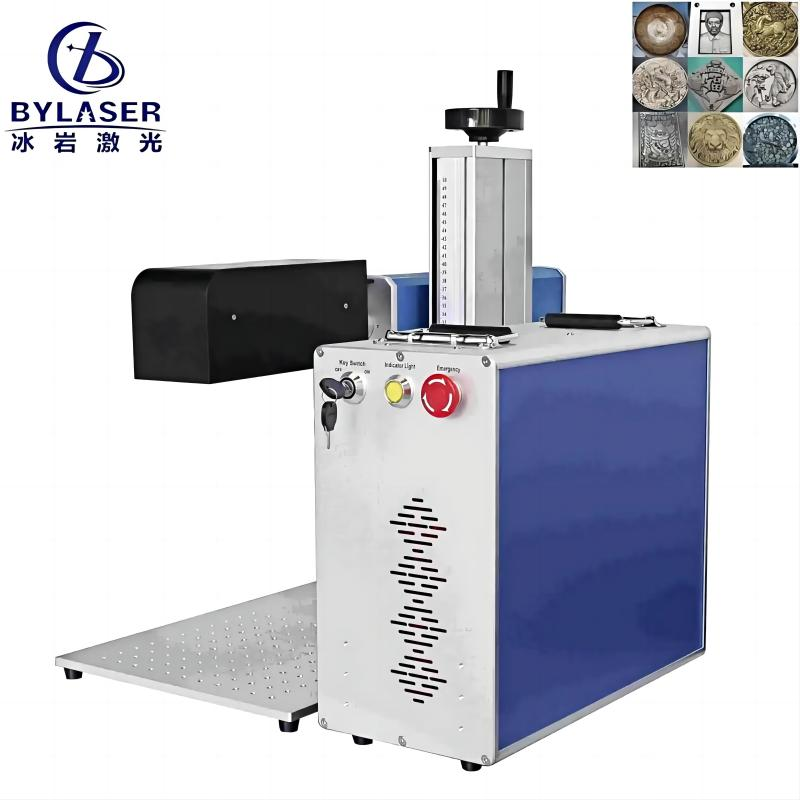
The mechanical precision of a laser engraver machine directly influences the quality and accuracy of finished products. High-quality systems incorporate precision linear guides, ball screws, and servo motors that ensure repeatable positioning accuracy within micrometers. These components work together to eliminate backlash and maintain consistent positioning across the entire working area. Premium systems often feature closed-loop feedback systems that continuously monitor and correct positioning errors in real-time.
Working area size and positioning accuracy must be balanced according to specific application requirements. Larger working areas may compromise positioning precision unless supported by robust mechanical systems and advanced control algorithms. Evaluating the relationship between workspace dimensions and accuracy specifications helps determine the most suitable laser engraver machine configuration for particular production needs.
Resolution capabilities determine the finest detail levels achievable during engraving operations. Most professional laser engraver machine systems offer resolution settings ranging from 300 to 1200 DPI, with higher resolutions producing finer detail at the expense of processing speed. Understanding the resolution requirements for specific applications helps optimize the balance between quality and productivity. Complex graphics or intricate text typically require higher resolution settings, while simple marking applications may perform adequately at lower resolutions.
Variable speed control functionality allows operators to adjust processing parameters for different materials and applications. Advanced systems provide independent control over cutting speed, engraving speed, and power output, enabling optimization for each specific task. This flexibility becomes particularly valuable when processing diverse material types or switching between different product configurations within a single production run.
Modern laser engraver machine systems must integrate seamlessly with popular design software packages to maintain efficient workflow processes. Compatibility with industry-standard programs such as AutoCAD, CorelDRAW, and Adobe Illustrator eliminates file conversion steps and reduces potential errors during data transfer. Native support for common file formats including DXF, SVG, and PDF ensures smooth integration with existing design processes and reduces training requirements for operators.
Advanced control software often includes specialized features for optimizing engraving parameters automatically based on material properties and design complexity. These intelligent systems can analyze artwork and recommend optimal settings for speed, power, and resolution to achieve desired results efficiently. Such automation capabilities reduce setup time and minimize the expertise required for consistent operation across different applications.
Intuitive user interfaces significantly impact operational efficiency and reduce training time for new operators. Well-designed control systems feature logical menu structures, clear visual feedback, and straightforward parameter adjustment capabilities. Touch screen interfaces have become increasingly popular due to their familiar operation and ability to display complex information clearly. However, the reliability and responsiveness of these interfaces under industrial conditions must be carefully evaluated.
Remote monitoring and control capabilities enable operators to supervise multiple laser engraver machine units from centralized locations. Network connectivity allows real-time status monitoring, job queue management, and performance data collection for analysis and optimization. These features become particularly valuable in high-volume production environments where maximizing equipment utilization is critical for profitability.
Comprehensive safety systems protect operators from laser radiation, fume exposure, and mechanical hazards during normal operation. Quality laser engraver machine systems incorporate multiple safety interlocks, emergency stop mechanisms, and automatic shutdown features that activate when safety conditions are compromised. Proper enclosure design with appropriate viewing windows and ventilation systems ensures safe operation while maintaining visibility of the engraving process.
Fume extraction and filtration systems remove potentially harmful particles and gases generated during laser processing of various materials. Effective ventilation systems maintain clean working environments and protect operator health while ensuring compliance with workplace safety regulations. The capacity and efficiency of these systems must match the intended production volume and material types to maintain adequate protection levels.
International safety certifications demonstrate compliance with established safety standards and facilitate equipment approval in various markets. Common certifications include CE marking for European markets, FDA compliance for medical applications, and UL listing for North American installations. These certifications provide assurance that the laser engraver machine meets rigorous safety and performance standards established by recognized testing organizations.
Documentation and training materials should comprehensively address safety procedures, maintenance requirements, and emergency response protocols. Proper training ensures operators understand potential hazards and follow established safety procedures consistently. Regular safety audits and refresher training help maintain high safety standards throughout the equipment's operational life.
The range of materials that a laser engraver machine can process effectively determines its versatility and potential applications. CO2 laser systems excel at processing organic materials such as wood, acrylic, leather, and fabric, while fiber lasers are optimized for metals including stainless steel, aluminum, and brass. UV lasers offer unique advantages for processing sensitive materials like glass, ceramics, and certain plastics without generating excessive heat.
Material thickness capabilities vary significantly between different laser engraver machine configurations and power levels. Understanding the maximum and minimum thickness limitations for various materials helps ensure the selected system can handle current and anticipated future requirements. Processing parameters may require adjustment for different material thicknesses to maintain consistent quality and avoid damage to substrates or finished products.
Production throughput depends on multiple factors including laser power, material properties, design complexity, and required quality levels. High-speed processing capabilities become essential in commercial applications where productivity directly impacts profitability. However, maximum speed specifications may not reflect practical production rates when processing complex designs or maintaining high quality standards.
Batch processing capabilities and automated material handling systems can significantly improve overall throughput for high-volume applications. Some advanced laser engraver machine systems incorporate conveyor systems, automatic loading mechanisms, or multi-station configurations that enable continuous operation with minimal operator intervention. These features become particularly valuable for repetitive production tasks or applications requiring extended operational periods.
Regular maintenance schedules ensure consistent performance and extend the operational life of laser engraver machine systems. Typical maintenance tasks include cleaning optical components, lubricating mechanical systems, checking alignment, and replacing consumable items such as lenses and filters. The frequency and complexity of these tasks vary between different system designs and operating environments.
Preventive maintenance programs help identify potential issues before they impact production or cause equipment damage. Systematic inspection schedules, performance monitoring, and component replacement based on usage hours or condition assessments minimize unexpected downtime and maintain optimal performance levels. Documentation of maintenance activities provides valuable data for optimizing maintenance schedules and identifying recurring issues.
Comprehensive technical support services ensure rapid resolution of operational issues and minimize production disruptions. Quality manufacturers provide multiple support channels including phone assistance, online resources, remote diagnostic capabilities, and on-site service when required. Response time guarantees and service level agreements provide assurance that critical issues will receive prompt attention.
Training programs and educational resources help operators and maintenance personnel develop the skills necessary for effective laser engraver machine operation and basic troubleshooting. Proper training reduces the likelihood of operator errors, improves safety compliance, and enables more efficient utilization of equipment capabilities. Ongoing education opportunities help personnel stay current with technological advances and best practices.
For small business applications, a laser engraver machine with 40 to 80 watts typically provides sufficient power for most common materials including wood, acrylic, leather, and thin metals. This power range offers good versatility while maintaining reasonable operating costs and energy consumption. Higher power levels may be necessary for thicker materials or faster processing speeds, but most small business applications achieve excellent results within this range.
Control software significantly impacts operational efficiency, ease of use, and overall productivity of any laser engraver machine system. Quality software should offer intuitive operation, comprehensive file format support, and advanced features such as automatic parameter optimization and job queue management. Poor software can limit the capabilities of otherwise excellent hardware, making this a critical selection criterion that directly affects daily operation and long-term satisfaction.
Professional laser engraver machine systems should carry appropriate safety certifications for your geographic region and application requirements. CE marking is essential for European markets, while UL listing is important for North American installations. FDA compliance may be required for medical or food-related applications. These certifications demonstrate compliance with established safety standards and facilitate regulatory approval and insurance coverage.
Working area size should accommodate your largest anticipated projects while maintaining the precision requirements for your applications. Consider both current needs and potential future requirements when evaluating laser engraver machine options. Larger working areas typically command higher prices and may compromise precision, so balance workspace dimensions with accuracy specifications and budget constraints to optimize value for your specific applications.