×
×
The jewelry industry has experienced a revolutionary transformation with the introduction of advanced laser engraver machine technology. These precision instruments have become indispensable tools for creating intricate designs, personalizing pieces, and adding professional finishing touches to precious metals and gemstones. Modern laser engraver machine systems offer unprecedented accuracy and versatility, enabling jewelers to achieve results that were previously impossible with traditional engraving methods. The evolution of laser technology has made these machines more accessible to both large manufacturers and small boutique operations.
A high-quality laser engraver machine operates on the principle of focused light energy that removes material through controlled vaporization or melting. The precision achievable with modern systems allows for engraving depths measured in micrometers, making it possible to create incredibly detailed patterns on delicate jewelry pieces. The laser beam can be programmed to follow complex vector paths, enabling the creation of logos, text, patterns, and even photographic images on various jewelry materials including gold, silver, platinum, and titanium.
The power output of a laser engraver machine for jewelry typically ranges from 10 to 100 watts, depending on the specific application requirements. Lower power settings are ideal for surface marking and fine detail work, while higher power capabilities enable deeper engraving and faster processing speeds. The wavelength of the laser also plays a crucial role in determining which materials can be effectively processed, with fiber lasers being particularly well-suited for metallic jewelry applications.
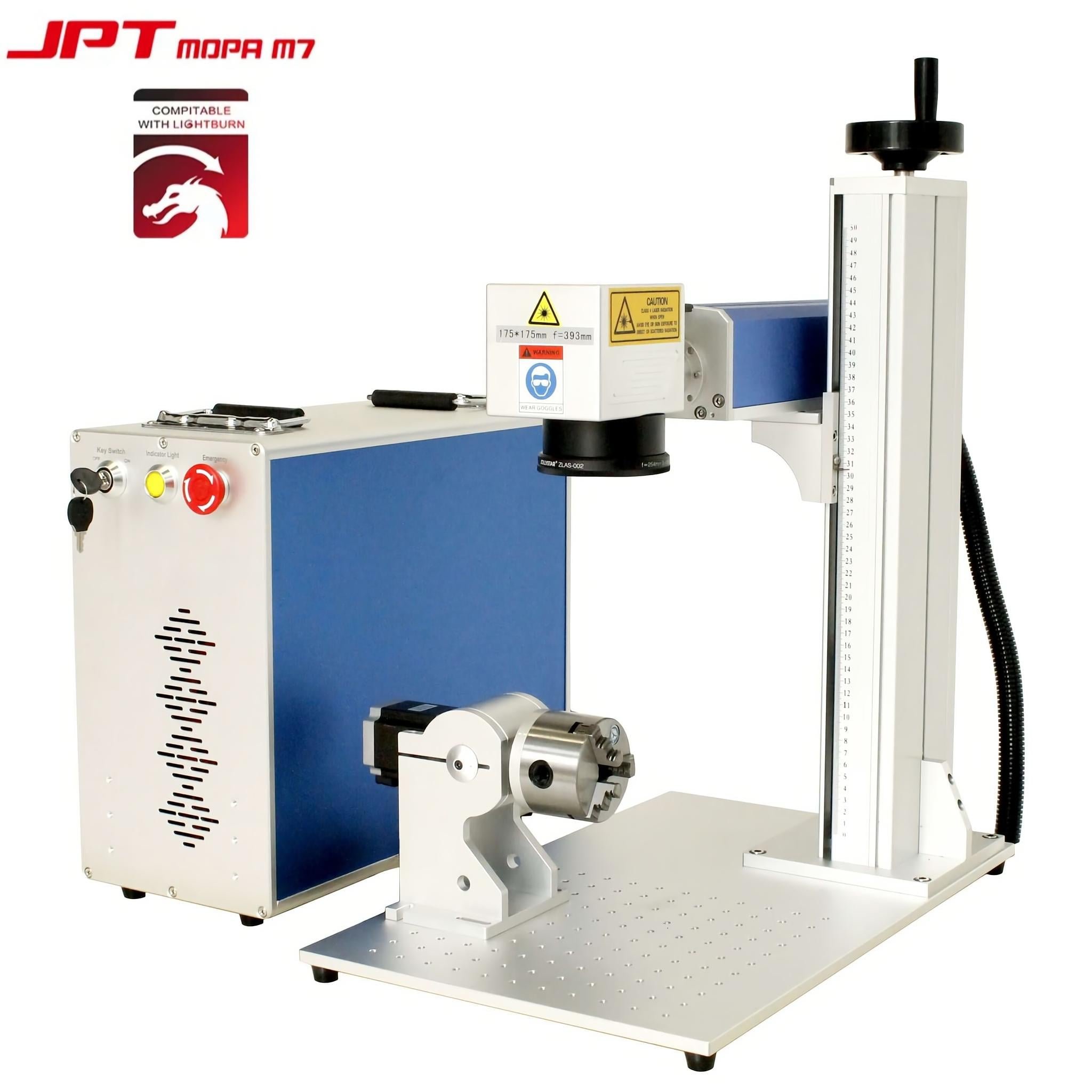
Fiber laser engraver machine systems have gained significant popularity in jewelry manufacturing due to their exceptional beam quality and efficiency when working with metals. These systems produce a wavelength that is highly absorbed by metallic surfaces, resulting in clean, precise engravings with minimal heat-affected zones. CO2 laser systems, while less common for metal jewelry work, excel at engraving organic materials like wood, leather, or acrylic components that might be incorporated into jewelry designs.
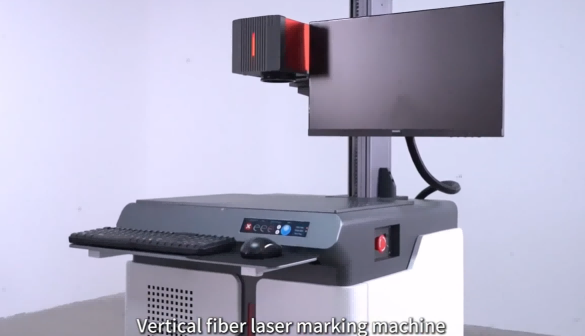
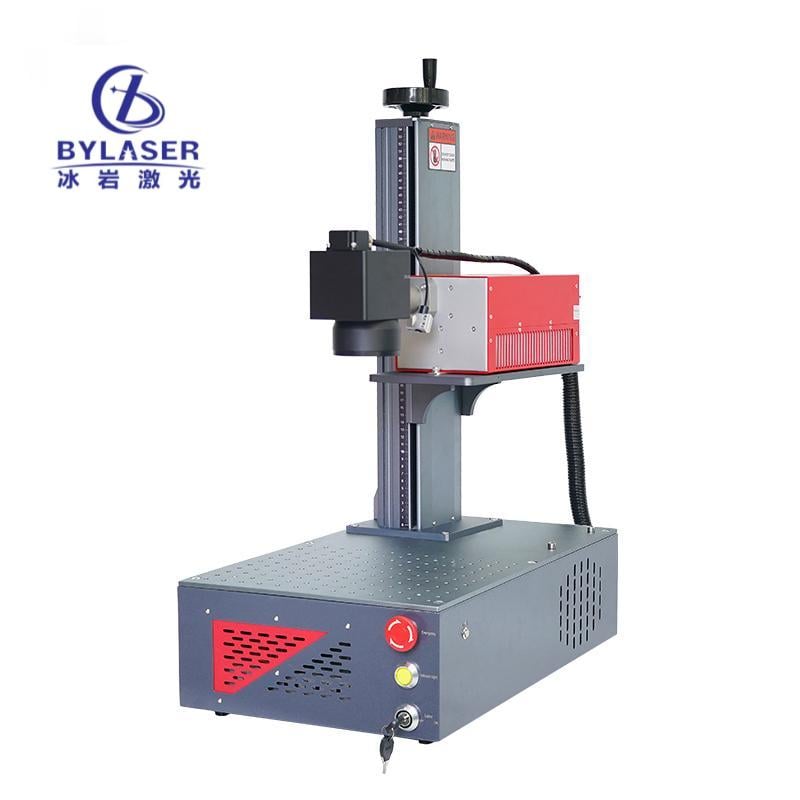
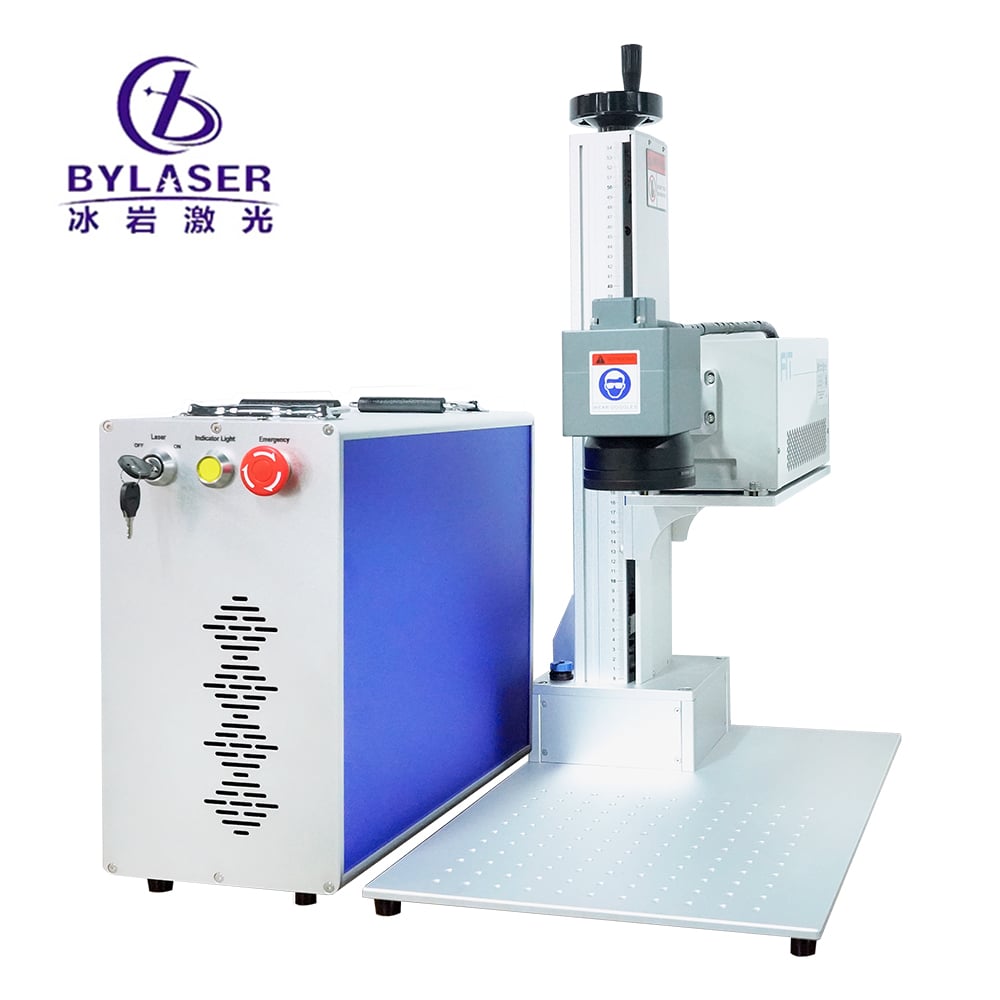
Galvo-based laser engraver machine configurations offer the fastest processing speeds for jewelry applications, as the laser beam is directed using mirrors rather than moving the workpiece or laser head mechanically. This approach enables rapid scanning across the work surface, making it ideal for batch processing of multiple jewelry items simultaneously. The precision and speed combination makes these systems particularly attractive for commercial jewelry operations.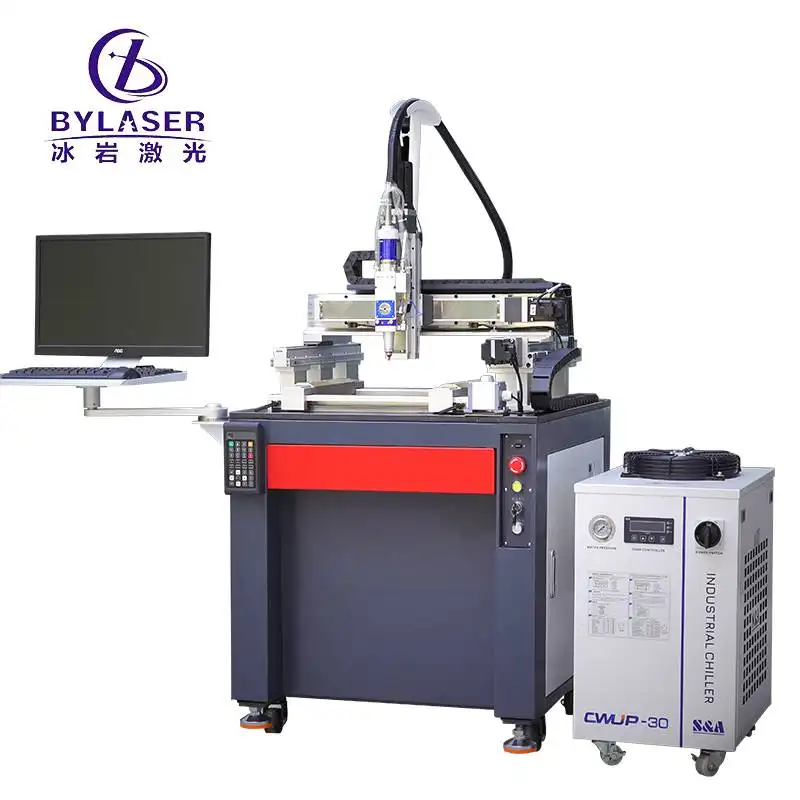
When evaluating a laser engraver machine for jewelry work, power output must be balanced against precision requirements. Higher power systems can process thicker materials and work faster, but they may sacrifice some fine detail capability. The spot size achievable by the laser beam directly impacts the minimum feature size that can be engraved, with smaller spot sizes enabling finer detail work but potentially requiring longer processing times.
Pulse duration control is another critical specification for jewelry laser engraver machine applications. Shorter pulse durations generate less heat, reducing the risk of thermal damage to delicate pieces or heat-sensitive gemstones. Advanced systems offer pulse shaping capabilities that can be optimized for different materials and engraving depths, providing greater versatility in a single machine platform.
Modern laser engraver machine systems are equipped with sophisticated software packages that simplify the design-to-production workflow. CAD integration capabilities allow direct import of jewelry designs from popular design software, eliminating the need for file format conversions. Advanced nesting algorithms can optimize material usage by arranging multiple pieces efficiently within the laser processing area.
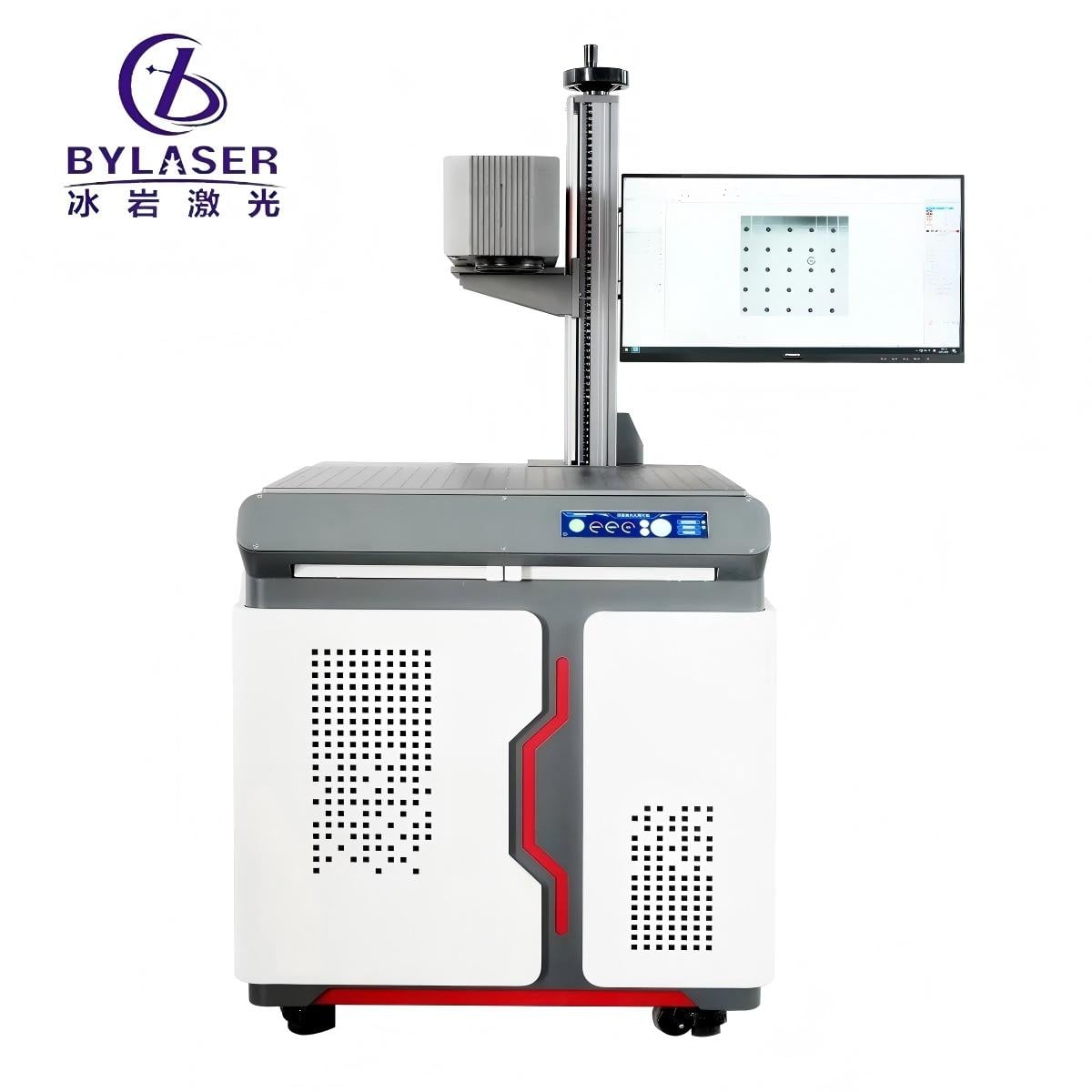
The user interface design significantly impacts productivity and ease of operation. Intuitive control panels with graphical displays make it easier for operators to set up jobs, monitor progress, and make real-time adjustments. Some laser engraver machine systems include automatic focus adjustment and material recognition features that further streamline the setup process and reduce the potential for operator errors.
Gold processing requires specific considerations when selecting a laser engraver machine due to the metal's high thermal conductivity and reflectivity. Pure gold can be challenging to engrave effectively, while gold alloys typically respond better to laser processing. The laser parameters must be carefully optimized to achieve consistent results without causing unwanted discoloration or surface texture changes that could affect the jewelry's aesthetic appeal.
Silver and platinum present their own unique processing characteristics that must be understood for optimal laser engraver machine performance. Silver's high reflectivity can require higher power settings or specialized wavelengths to achieve effective material removal. Platinum's resistance to oxidation makes it an excellent candidate for deep engraving applications where long-term durability is essential.
Modern jewelry often incorporates alternative materials such as titanium, stainless steel, and various ceramics that expand the capabilities required from a laser engraver machine. Titanium's biocompatibility and unique color-changing properties when laser processed make it increasingly popular for contemporary jewelry designs. The laser parameters can be adjusted to create different colors through controlled oxidation of the titanium surface.
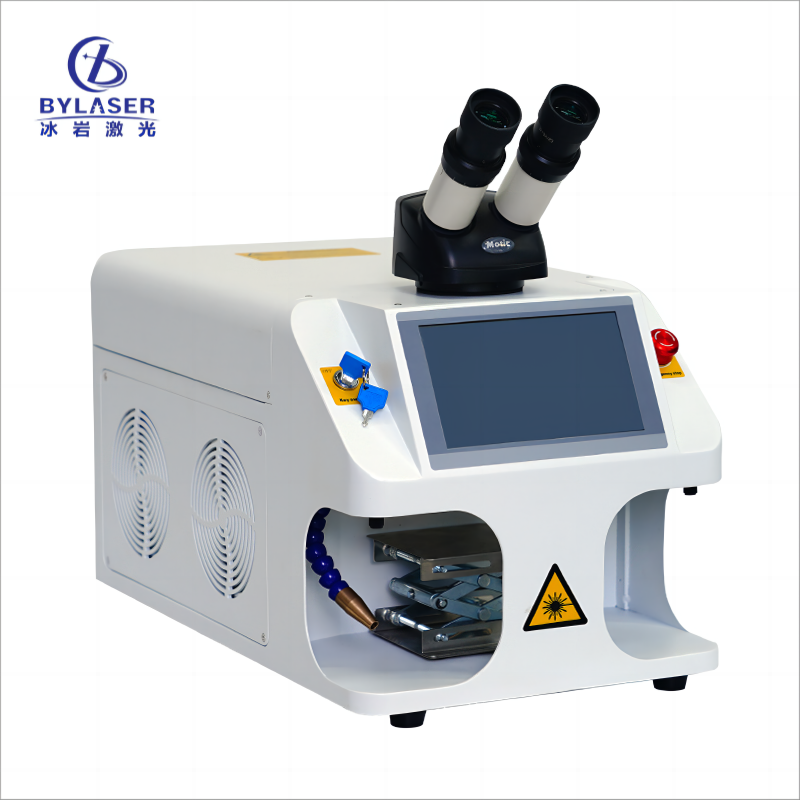
When working with gemstone-set jewelry, the laser engraver machine must be capable of precise positioning to avoid damage to expensive stones. Heat-sensitive gemstones may require special fixturing or cooling systems to prevent thermal shock. Some advanced systems include vision systems that can automatically detect and avoid gemstone locations during the engraving process.
Commercial jewelry operations benefit significantly from laser engraver machine systems that can process multiple pieces simultaneously. Rotary attachment capabilities enable engraving of rings and cylindrical jewelry items, while multi-position fixturing systems allow batch processing of flat pieces like pendants or charms. The ability to process different designs simultaneously maximizes throughput and reduces per-piece production costs.
Automated material handling systems can further enhance productivity by reducing manual intervention between processing cycles. Some advanced laser engraver machine configurations include robotic loading and unloading systems that can operate continuously with minimal supervision. These features are particularly valuable for high-volume production environments where labor costs represent a significant portion of total manufacturing expenses.
Consistent quality output is essential for jewelry manufacturing, making repeatability a critical factor in laser engraver machine selection. Closed-loop control systems monitor laser power output and positioning accuracy to ensure consistent results across production runs. Temperature compensation systems account for thermal drift that could affect positioning accuracy during extended operating periods.
In-process monitoring capabilities enable real-time quality assessment and automatic adjustment of laser parameters if deviations are detected. Some systems include vision inspection capabilities that can verify engraving quality and flag defective pieces for review. These quality control features help maintain the high standards expected in jewelry manufacturing while minimizing waste and rework costs.
The purchase price of a laser engraver machine for jewelry applications varies widely based on power output, precision capabilities, and included features. Entry-level systems suitable for small-scale operations may start around $15,000, while high-end production systems with advanced automation can exceed $200,000. The initial investment must be evaluated against expected production volumes and the value-added capabilities the system provides.
Beyond the base laser engraver machine cost, additional expenses include installation, training, and initial spare parts inventory. Software licensing fees for advanced CAD integration or specialized jewelry design packages can add several thousand dollars to the total investment. Facility requirements such as ventilation systems and electrical upgrades should also be factored into the total cost of ownership analysis.
Ongoing operating costs for a laser engraver machine include consumables such as assist gases, protective windows, and replacement parts for wear components. Fiber laser systems typically have lower operating costs than CO2 systems due to their higher electrical efficiency and longer component lifespans. Regular maintenance requirements should be clearly understood before purchase to ensure adequate budget allocation for system upkeep.
Energy consumption varies significantly between different laser engraver machine technologies and power levels. Higher efficiency systems may justify their premium purchase price through reduced electricity costs over the equipment's operational lifetime. The availability of local service support and spare parts should also be considered, as downtime costs can be substantial in production environments.
Modern laser engraver machine systems incorporate multiple safety features to protect operators and maintain compliance with international safety standards. Interlocked enclosures prevent laser exposure during operation, while emergency stop systems provide immediate shutdown capability in case of problems. Beam path monitoring systems detect any deviations that could create safety hazards.
Fume extraction systems are essential for removing potentially harmful vapors generated during laser processing of various materials. Proper ventilation design ensures compliance with occupational health requirements while maintaining a clean working environment. Some laser engraver machine systems include integrated fume extraction with automatic airflow monitoring and alarm capabilities.
Compliance with local environmental regulations may require specific filtration systems or waste handling procedures when operating a laser engraver machine. Some materials generate hazardous vapors that must be properly contained and disposed of according to local regulations. Understanding these requirements before installation prevents costly retrofits or compliance issues.
Noise levels from laser engraver machine operations should be evaluated against workplace safety requirements. While most modern systems operate relatively quietly, cooling systems and extraction fans can contribute to ambient noise levels. Proper acoustic design of the installation area helps maintain a comfortable working environment and regulatory compliance.
For most jewelry engraving applications, a laser engraver machine with 20-50 watts of power provides the ideal balance between precision and processing speed. Lower power levels around 10-20 watts are excellent for fine detail work and delicate pieces, while higher power systems up to 100 watts may be necessary for deep engraving or high-volume production environments.
Proper laser engraver machine operation with appropriate parameter settings minimizes the risk of gemstone damage. Heat-sensitive stones like emeralds or pearls require special precautions including reduced power settings, shorter pulse durations, or physical shielding. Most common jewelry stones including diamonds, sapphires, and rubies can withstand normal laser engraving parameters without damage.
Laser engraver machine technology offers superior consistency and precision compared to hand engraving, with the ability to reproduce identical designs across multiple pieces. While hand engraving provides unique artistic character, laser systems excel at complex patterns, small text, and photographic reproduction that would be extremely difficult or impossible to achieve manually. Processing speed is also significantly faster with laser systems.
Regular maintenance for a laser engraver machine includes cleaning optical components, replacing assist gas filters, and calibrating positioning systems. Most systems require weekly cleaning of protective windows and monthly inspection of beam alignment. Annual service visits from qualified technicians help ensure optimal performance and extend equipment lifespan through preventive maintenance procedures.