×
×
Selecting the right laser engraver machine for your business requires careful consideration of multiple factors including material compatibility, power requirements, precision needs, and long-term operational costs. The rapid advancement in laser technology has created diverse options ranging from entry-level CO2 systems to sophisticated UV laser platforms. Understanding your specific business applications and production requirements will guide you toward the most suitable laser engraver machine investment. Whether you're starting a personalization service, expanding manufacturing capabilities, or entering the crystal engraving market, the choice of equipment directly impacts your operational efficiency and product quality.
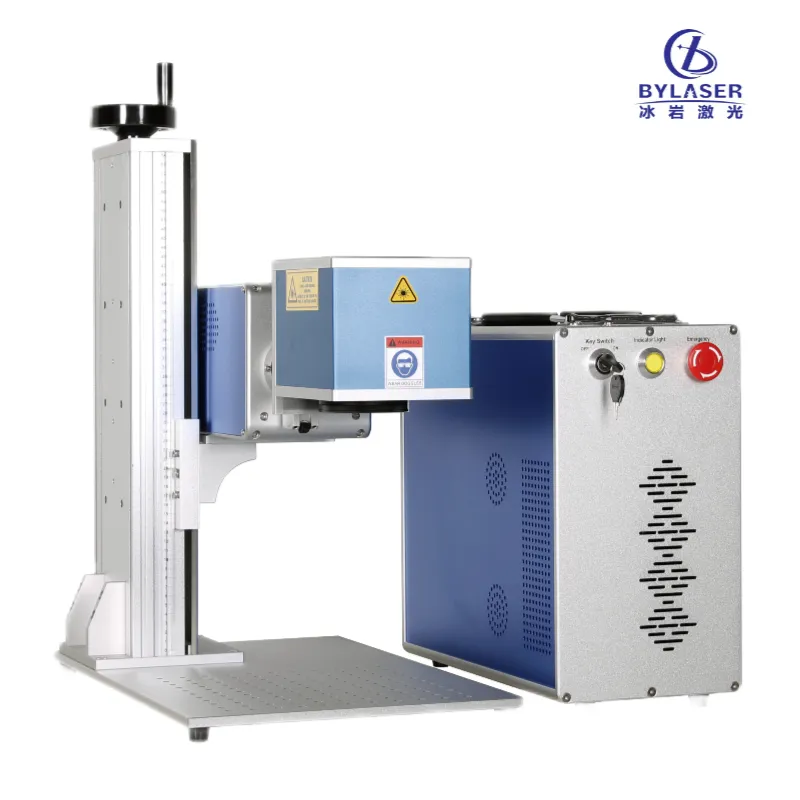
CO2 laser engraver machines represent the most common technology for processing organic materials including wood, acrylic, leather, and paper products. These systems operate at wavelengths around 10.6 micrometers, making them highly effective for cutting and engraving non-metallic substances. The power output typically ranges from 40 watts for hobbyist applications to several hundred watts for industrial production environments. CO2 laser engraver machine systems offer excellent value for businesses focusing on signage, promotional products, and craft applications.
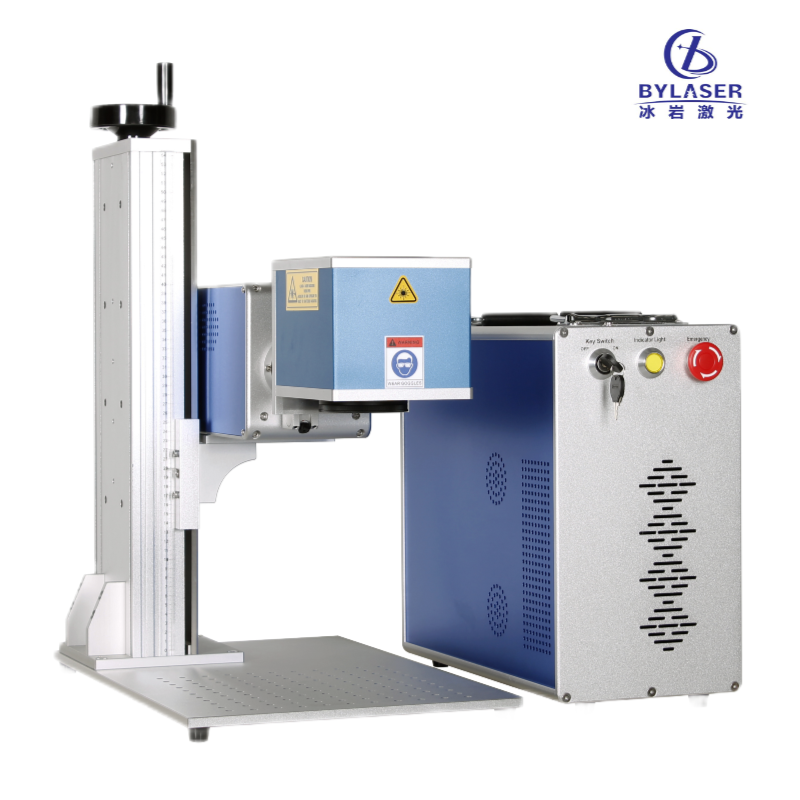
The operational characteristics of CO2 systems include relatively low maintenance requirements and consumable costs primarily limited to laser tube replacement and lens cleaning. These machines excel in applications requiring deep engraving or through-cutting capabilities on thicker materials. However, metal processing with CO2 laser engraver machine technology requires special marking compounds or coatings, which limits direct metal engraving applications.
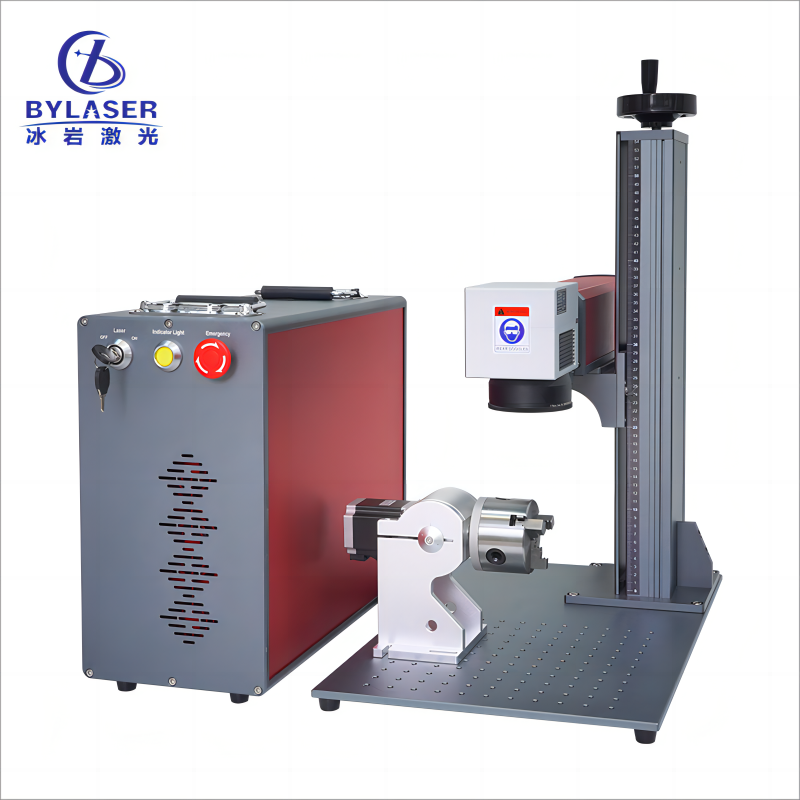
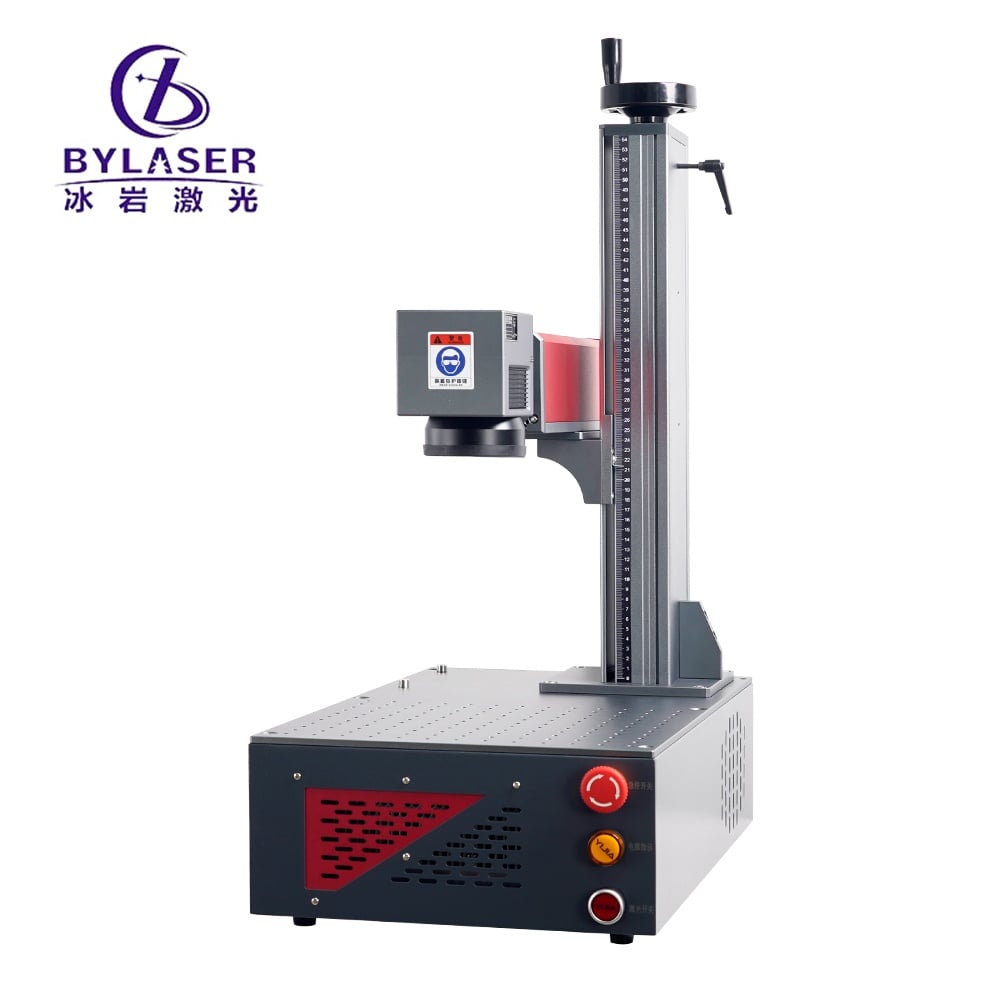
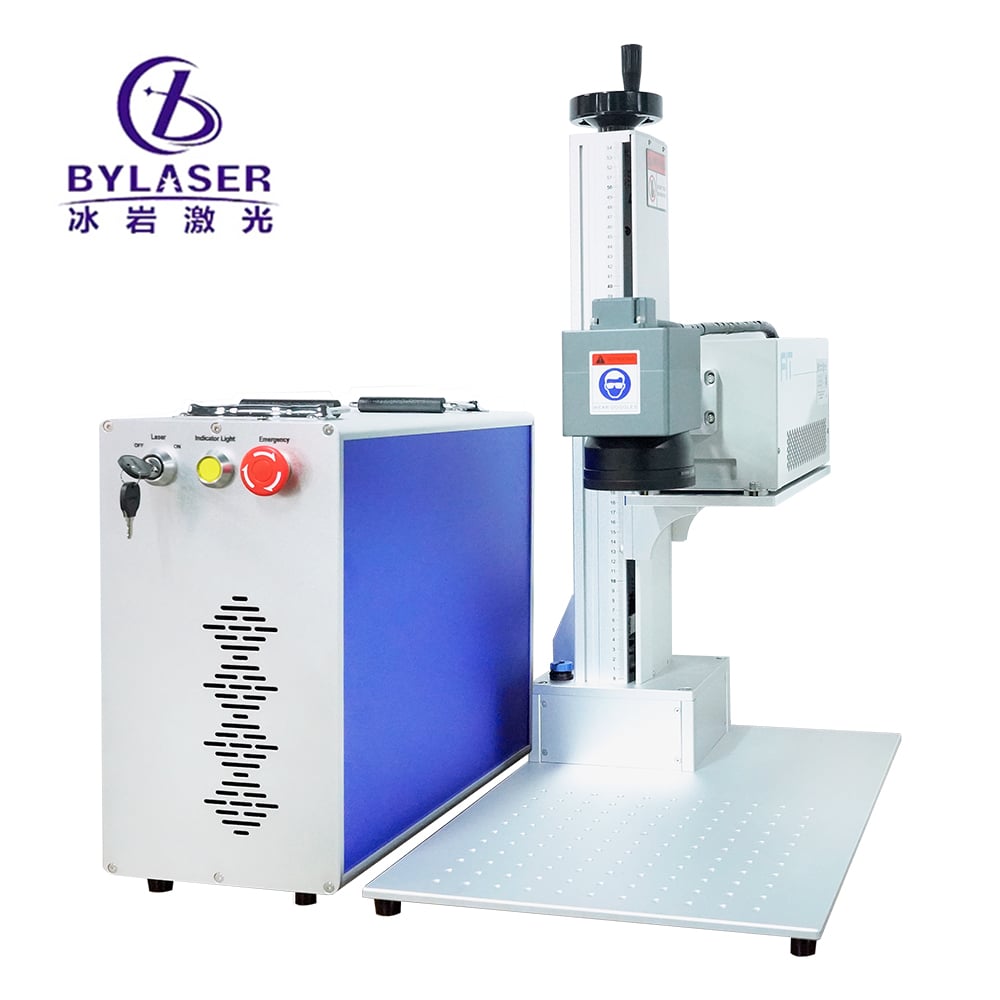
Fiber laser engraver machines utilize semiconductor diodes to pump rare-earth elements, creating highly concentrated beams ideal for metal processing applications. Operating at wavelengths around 1.064 micrometers, these systems deliver superior performance on stainless steel, aluminum, brass, and other metallic surfaces. The beam quality and power density of fiber laser engraver machine technology enables precise marking, deep engraving, and even thin metal cutting capabilities.
Industrial applications benefit from the exceptional durability and minimal maintenance requirements of fiber laser systems. The absence of consumable laser tubes and optical mirrors significantly reduces operational costs over time. Fiber laser engraver machine technology typically offers service lives exceeding 100,000 hours, making them ideal for high-volume production environments requiring consistent metal processing capabilities.
UV laser engraver machine systems operate at shorter wavelengths, typically 355 nanometers, enabling cold processing that minimizes heat-affected zones during engraving operations. This technology excels in applications requiring extreme precision on heat-sensitive materials including plastics, electronics components, and crystal substrates. The photochemical processing mechanism of UV lasers creates clean, precise marks without the thermal damage associated with longer wavelength systems.
Crystal engraving applications particularly benefit from laser engraver machine UV technology, which can create three-dimensional internal structures within transparent materials. These systems support complex geometric patterns and photographic reproductions inside crystal blocks, opening opportunities in personalized gifts, awards, and decorative applications.
Evaluating material compatibility represents a crucial step in laser engraver machine selection, as different laser types interact uniquely with various substrates. Organic materials including wood species, natural leather, cotton fabrics, and paper products respond excellently to CO2 laser processing. The molecular absorption characteristics at 10.6-micrometer wavelengths create efficient energy transfer, resulting in clean cuts and detailed engravings.
Acrylic and other thermoplastic materials also demonstrate excellent compatibility with CO2 laser engraver machine systems, producing flame-polished edges during cutting operations. However, certain synthetic materials like PVC release toxic chlorine gas when processed, requiring careful material selection and appropriate ventilation systems. Understanding these compatibility factors prevents equipment damage and ensures operator safety.
Metal processing applications demand careful consideration of laser wavelength and power density characteristics. Fiber laser engraver machine technology offers superior absorption rates on metallic surfaces, creating permanent marks through surface melting, oxidation, or ablation processes. Different metals respond uniquely to laser processing, with stainless steel typically producing dark marks through oxidation, while aluminum may require special marking compounds for optimal contrast.
The reflectivity characteristics of metals at different wavelengths significantly impact processing efficiency and safety considerations. Copper and brass exhibit high reflectivity at CO2 wavelengths, potentially causing dangerous back-reflections, while fiber laser wavelengths demonstrate much better absorption rates on these materials. Proper laser engraver machine selection based on intended metal substrates ensures both processing quality and operational safety.
Specialty applications often involve unique substrate requirements that influence laser engraver machine selection decisions. Glass processing typically requires CO2 laser systems for surface etching, while internal crystal engraving demands UV laser precision and three-dimensional positioning capabilities. Electronic components and semiconductor applications benefit from UV laser cold processing, which minimizes thermal stress and preserves component functionality.
Composite materials and multi-layer substrates present additional challenges requiring careful laser parameter optimization. The varying absorption characteristics across different layers may necessitate multiple processing passes or specialized laser engraver machine configurations. Understanding these substrate-specific requirements during the selection process prevents future limitations and ensures optimal processing results.
Power requirements for laser engraver machine systems depend heavily on intended applications, material thickness, and desired production speeds. Entry-level applications including thin material engraving and light cutting typically require 40-80 watts of CO2 laser power, while industrial applications may demand several hundred watts for thick material processing or high-speed production requirements.
Fiber laser engraver machine power requirements often differ significantly from CO2 systems due to superior absorption characteristics on metallic substrates. A 20-watt fiber laser may produce marking results comparable to much higher-power CO2 systems on metal surfaces. However, deep engraving applications or large-area processing may require higher power levels to maintain acceptable production speeds and engraving depths.
Production speed capabilities represent critical considerations in laser engraver machine selection, particularly for commercial applications requiring high throughput. The relationship between laser power, processing speed, and engraving quality requires careful optimization to achieve desired results within acceptable time frames. Higher power systems typically enable faster processing speeds while maintaining engraving quality, but also increase equipment costs and operational expenses.
Precision requirements may necessitate slower processing speeds regardless of available laser power, particularly for intricate designs or fine detail work. UV laser engraver machine systems often operate at slower speeds due to precision requirements and smaller spot sizes, but deliver superior detail resolution impossible with other laser technologies. Balancing speed and precision requirements helps identify optimal equipment specifications for specific business applications.
Beam quality parameters significantly impact the performance capabilities of any laser engraver machine system, affecting both cutting precision and engraving detail resolution. High-quality laser sources produce more concentrated energy densities, enabling finer detail work and cleaner cutting edges. The beam quality factor, often expressed as M-squared values, indicates how closely the laser beam approaches ideal Gaussian distribution characteristics.
Focusing capabilities and lens selection options further influence laser engraver machine performance across different applications. Shorter focal length lenses provide smaller spot sizes for detailed work but reduce working distances, while longer focal lengths offer greater standoff distances at the expense of spot size. Understanding these optical considerations ensures optimal lens selection for intended processing requirements.
Work area dimensions represent fundamental considerations in laser engraver machine selection, directly impacting the size and quantity of parts that can be processed in single setups. Standard bed sizes range from compact desktop units with 12x8 inch work areas to large industrial systems accommodating 48x36 inch or larger substrates. Choosing appropriate bed dimensions requires analyzing typical workpiece sizes while considering future expansion possibilities.
Large bed laser engraver machine systems offer advantages in processing multiple small parts simultaneously or handling oversized substrates, but require proportionally larger installation spaces and higher equipment investments. Conversely, compact systems provide space efficiency and lower costs but may limit production flexibility or require multiple setups for larger projects. Careful analysis of typical production requirements guides optimal bed size selection.
Material loading and positioning systems significantly impact operational efficiency and production throughput in laser engraver machine applications. Manual loading systems offer simplicity and lower costs but may create bottlenecks in high-volume production environments. Automated loading systems, including conveyor integration and rotary attachment capabilities, enhance productivity but increase system complexity and investment requirements.
Z-axis positioning capabilities enable processing materials of varying thickness within single laser engraver machine setups, providing flexibility for diverse product lines. Motorized focus adjustment systems maintain optimal beam positioning across different material thicknesses, while manual adjustment systems offer cost savings but require operator intervention between different substrate types.
Future expansion capabilities represent important considerations in laser engraver machine investment decisions, particularly for growing businesses anticipating changing production requirements. Modular system designs allow progressive capability additions including increased power, larger work areas, or additional processing stations without complete equipment replacement. These expansion options protect initial investments while supporting business growth.
Upgrade pathways for laser sources, control systems, and automation components provide flexibility in adapting laser engraver machine capabilities to evolving market demands. Systems designed with standardized interfaces and modular components typically offer superior long-term value through reduced obsolescence risks and simplified maintenance procedures.
Control system sophistication significantly impacts operator efficiency and production quality in laser engraver machine operations. Modern systems offer intuitive touchscreen interfaces with graphic job previews, parameter adjustment capabilities, and integrated material databases for simplified setup procedures. Advanced control systems include automated parameter optimization based on material selection and job requirements, reducing setup time and minimizing operator errors.
Software compatibility represents crucial considerations in laser engraver machine selection, particularly regarding design file formats and existing workflow integration. Systems supporting standard vector formats including AI, DXF, and SVG files provide maximum flexibility in design source compatibility. CAD integration capabilities enable direct processing from engineering drawings, eliminating file conversion steps and potential data translation errors.
Network connectivity options enhance laser engraver machine integration into modern production environments, supporting remote job submission, progress monitoring, and maintenance management capabilities. Ethernet connectivity enables direct file transfer from design workstations, while cloud-based systems offer remote access and job management from multiple locations. These connectivity features support distributed production environments and remote technical support capabilities.
Data management systems track production metrics including processing times, material usage, and maintenance schedules, supporting cost analysis and productivity optimization efforts. Advanced laser engraver machine control systems provide detailed job logging and reporting capabilities, enabling performance analysis and process improvement initiatives essential for commercial operations.
Automation interface capabilities determine laser engraver machine compatibility with broader production systems including material handling, quality control, and inventory management systems. Standardized communication protocols enable integration with PLCs, manufacturing execution systems, and enterprise resource planning software. These integration capabilities support lights-out production and Industry 4.0 manufacturing initiatives.
Robotic integration possibilities expand laser engraver machine applications into complex manufacturing workflows, supporting automated loading, positioning, and part removal operations. Systems designed with automation interfaces provide superior scalability for high-volume production requirements while maintaining consistent processing quality and reducing labor costs.
Laser safety classifications directly impact installation requirements, operator training needs, and regulatory compliance obligations for laser engraver machine systems. Class 1 enclosed systems provide inherent safety through protective housing and interlocking systems, while higher classifications require additional safety measures including protective eyewear, controlled access areas, and specialized training programs.
Understanding applicable safety standards including IEC 60825 and FDA CFR regulations ensures compliant laser engraver machine selection and installation procedures. These standards specify requirements for safety interlocks, warning labels, key controls, and beam termination systems essential for safe operation. Compliance with recognized safety standards protects operators while satisfying insurance and regulatory requirements.
Proper ventilation design represents critical safety considerations in laser engraver machine installations, particularly when processing materials that generate toxic or hazardous fumes during laser interaction. Adequate exhaust systems remove processing byproducts while maintaining proper airflow patterns within the work area. Filtration systems may be required for certain materials or installation environments with limited external venting capabilities.
Air assist systems not only improve processing quality by removing debris and cooling materials but also enhance safety by directing fumes away from the processing area. Proper integration of air assist with exhaust systems ensures effective fume removal while maintaining optimal laser engraver machine performance. Understanding ventilation requirements during system selection prevents costly installation modifications and ensures safe operating conditions.
Emergency stop systems and protective interlocks represent essential safety features in laser engraver machine designs, providing immediate laser shutdown capabilities in case of operator emergency or system malfunction. Properly designed emergency systems include multiple activation points, fail-safe operation, and clear reset procedures. These safety systems must be regularly tested and maintained to ensure reliable operation when needed.
Operator protection systems including viewing windows with appropriate optical density ratings and access interlocks prevent inadvertent laser exposure during operation. Advanced laser engraver machine systems incorporate beam path monitoring and automatic shutdown systems that activate when protective enclosures are opened during operation, providing multiple layers of operator protection.
Total cost of ownership for laser engraver machine systems extends far beyond initial purchase prices, encompassing installation requirements, training costs, and ongoing operational expenses. Installation considerations include electrical requirements, ventilation systems, and facility modifications that may significantly impact total project costs. Professional installation services ensure proper system setup while maintaining warranty coverage and safety compliance.
Training requirements for laser engraver machine operation, maintenance, and safety procedures represent additional investment considerations that directly impact system productivity and safety. Comprehensive training programs including hands-on practice and ongoing support typically provide better long-term value through improved operator efficiency and reduced error rates. Inadequate training can result in equipment damage, safety incidents, and poor production quality.
Ongoing operational costs for laser engraver machine systems include consumables, maintenance, utilities, and replacement parts that accumulate over the equipment lifespan. CO2 laser systems typically require periodic tube replacement, lens cleaning, and optical alignment procedures, while fiber systems generally offer lower maintenance requirements but higher initial costs. Understanding these cost patterns helps evaluate long-term system economics.
Utility consumption including electrical power, compressed air, and cooling requirements varies significantly between different laser engraver machine technologies and power levels. Efficient systems with power management features and optimized cooling systems reduce operating costs while maintaining performance. Energy-efficient designs become increasingly important for high-volume production applications with continuous operation requirements.
Revenue generation capabilities depend heavily on target market applications, pricing strategies, and production efficiency achieved with specific laser engraver machine configurations. Personalization services, industrial marking, and specialty manufacturing applications each offer different pricing structures and volume requirements that influence equipment selection decisions. Understanding target market characteristics guides optimal system specification and investment decisions.
Production capacity calculations must account for setup times, material handling requirements, and quality control procedures to establish realistic throughput expectations. Automated systems typically offer higher production rates but require larger investments and more complex operations. Manual systems provide flexibility and lower costs but may limit production scaling possibilities as business volumes increase.
The choice between CO2 and fiber laser engraver machine technologies primarily depends on your intended processing materials and applications. CO2 systems excel at processing organic materials like wood, acrylic, leather, and paper, offering excellent cutting and engraving capabilities on these substrates. Fiber lasers provide superior performance on metals including stainless steel, aluminum, and brass, with better absorption rates and marking quality. Consider your primary materials, future expansion plans, and maintenance preferences when making this decision.
Power requirements for laser engraver machine systems depend on material thickness, processing speed requirements, and engraving depth needs. Light engraving and thin material cutting typically require 40-80 watts, while industrial applications may need several hundred watts for thick materials or high-speed production. Consider your thickest materials, desired production speeds, and quality requirements when selecting power levels. Higher power systems offer faster processing but increase equipment and operational costs.
Maintenance requirements vary significantly between laser engraver machine technologies. CO2 systems typically require periodic laser tube replacement, lens cleaning, and optical mirror alignment procedures. Fiber laser systems generally offer lower maintenance with longer service lives exceeding 100,000 hours but may require more specialized service expertise. UV systems need careful optical component maintenance due to precision requirements. Consider available service support, technical expertise, and maintenance costs when selecting equipment.
Software compatibility significantly impacts operational efficiency and workflow integration for laser engraver machine systems. Look for systems supporting standard file formats including AI, DXF, SVG, and common image formats to ensure compatibility with existing design software. CAD integration capabilities eliminate file conversion steps and potential errors. Network connectivity and cloud-based systems enable remote job management and distributed production capabilities essential for modern manufacturing environments.