×
×
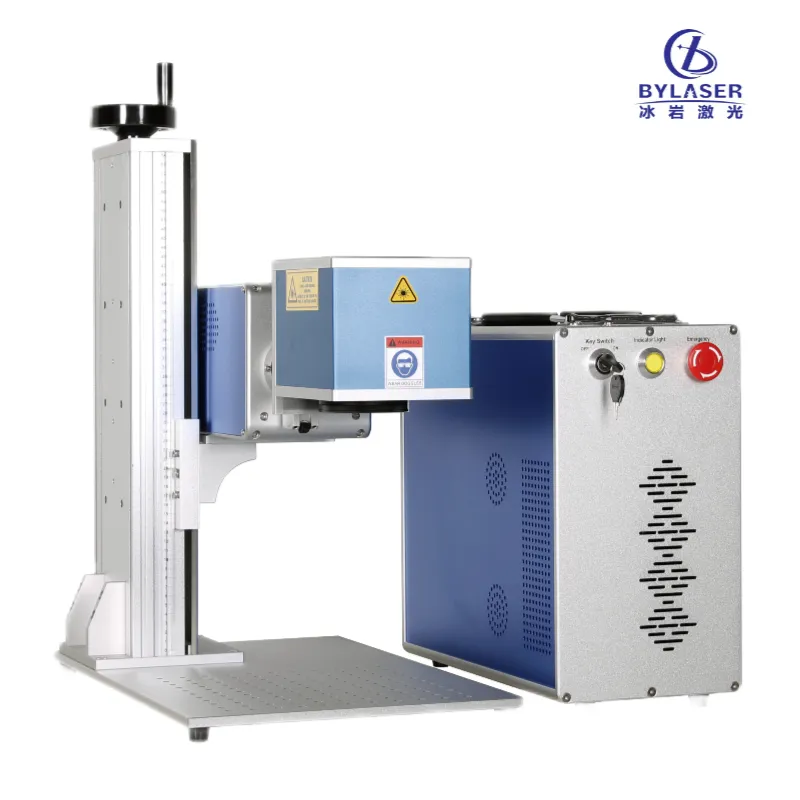
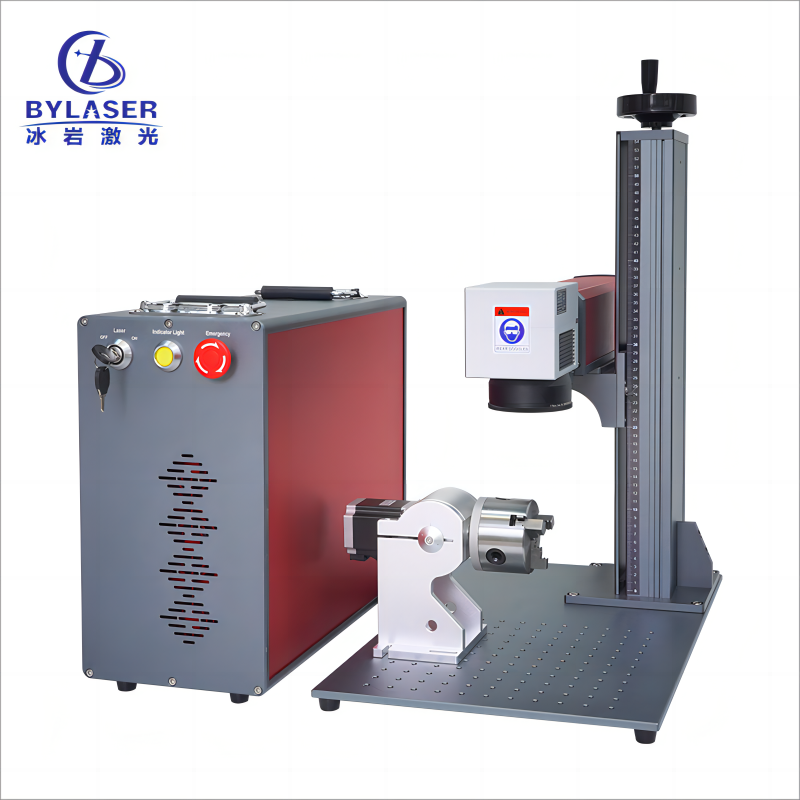
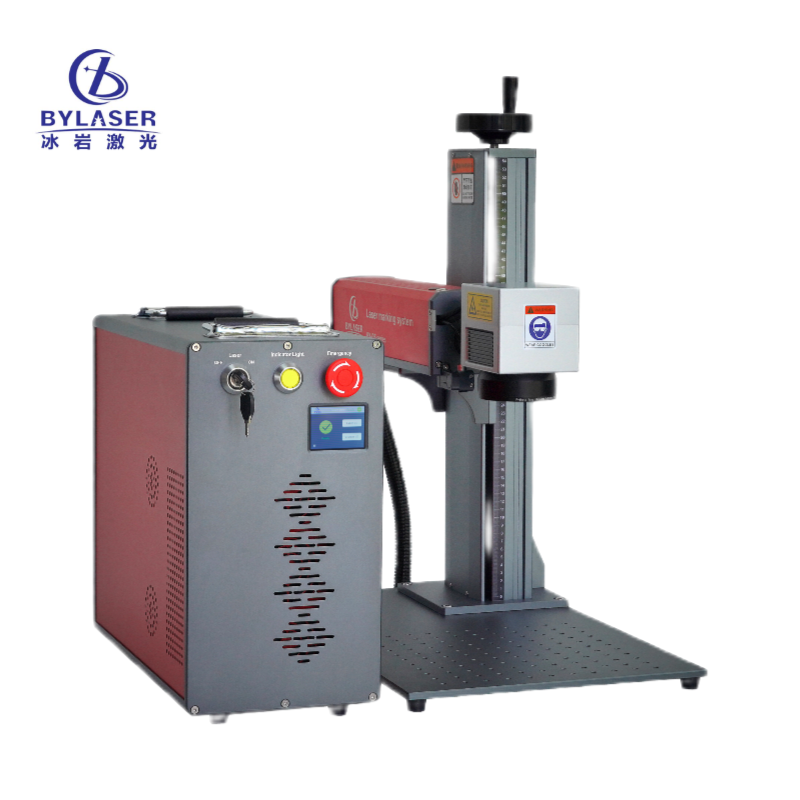
In today's competitive marketplace, customization has become a critical differentiator for businesses across industries. A laser engraver machine represents one of the most versatile and precise tools available for creating personalized products, offering manufacturers and artisans unprecedented control over design execution. The technology behind modern laser engraver machine systems has evolved dramatically, enabling everything from delicate jewelry personalization to industrial-grade component marking. As consumer demand for unique, customized products continues to surge, understanding how these sophisticated machines can transform your production capabilities becomes essential for maintaining competitive advantage.
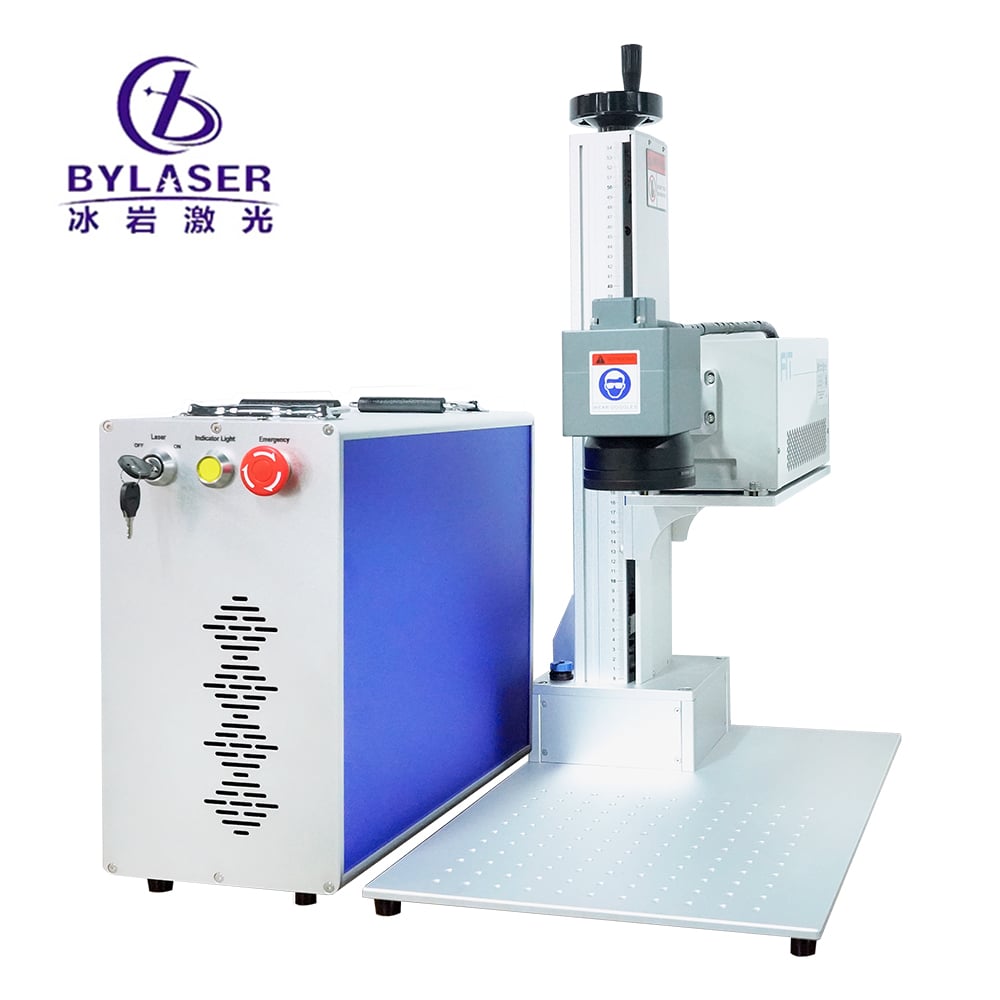
The precision offered by a contemporary laser engraver machine far exceeds traditional mechanical engraving methods, delivering accuracy measurements in micrometers rather than millimeters. This extraordinary precision stems from computer-controlled beam positioning systems that eliminate human error and mechanical wear variables. Advanced laser engraver machine models can reproduce intricate patterns, text, and imagery with consistent quality across thousands of iterations. The technology utilizes focused laser beams that create permanent markings without physical contact, eliminating tool wear and maintaining consistent depth control throughout extended production runs.
Professional laser engraver machine systems incorporate sophisticated feedback mechanisms that monitor beam intensity, positioning accuracy, and material response in real-time. These monitoring systems automatically adjust parameters to compensate for material variations, ambient temperature changes, and other environmental factors that might affect engraving quality. The result is unprecedented consistency in customization projects, whether producing single prototypes or large-scale manufacturing runs. This level of precision enables applications previously impossible with conventional engraving techniques.
Modern laser engraver machine technology demonstrates remarkable adaptability across diverse material types, from organic substances like Optical Glass, Crystal, Acrylic, and Sensitive Plastics to advanced engineered materials including ceramics and composites. Each material category requires specific laser parameters, including wavelength selection, power density, and pulse duration, which advanced systems can automatically optimize. The versatility of laser engraver machine applications extends to thickness variations, surface textures, and material hardness levels that would challenge or defeat traditional engraving methods.
The material processing capabilities of professional laser engraver machine systems continue expanding as laser technology advances and new applications emerge. Specialized wavelengths can now process transparent materials, reflective surfaces, and heat-sensitive substrates that previously required alternative marking methods. This expanded capability opens new customization opportunities across industries, from electronics manufacturing to luxury goods production, where material diversity is essential for product differentiation.
The electronics industry relies heavily on laser engraver machine technology for component identification, traceability marking, and aesthetic customization. Circuit boards, connectors, housings, and other electronic components require precise marking that withstands environmental stresses while maintaining readability throughout product lifecycles. A professional laser engraver machine can create permanent markings that resist corrosion, abrasion, and thermal cycling without compromising component functionality or reliability.
Consumer electronics customization represents another significant application area where laser engraver machine capabilities shine. Smartphone cases, laptop covers, gaming accessories, and wearable devices benefit from personalized engravings that enhance user connection and brand loyalty. The precision and speed of modern laser engraver machine systems enable mass customization programs where individual consumer preferences can be accommodated without disrupting production efficiency or increasing unit costs significantly.
Automotive and aerospace industries demand permanent identification marking systems that survive extreme operating conditions while maintaining traceability throughout component lifecycles. Laser engraver machine technology meets these demanding requirements through deep engraving capabilities that penetrate protective coatings and create permanent marks in substrate materials. Engine components, transmission parts, structural elements, and safety-critical systems all benefit from the reliability and permanence of laser engraving.
The automotive sector increasingly utilizes laser engraver machine systems for aesthetic customization applications beyond functional marking requirements. Interior trim pieces, dashboard elements, steering wheel components, and exterior badges can receive personalized engravings that enhance vehicle uniqueness and owner satisfaction. These customization capabilities support premium vehicle programs and aftermarket personalization services that command higher profit margins.
Traditional mechanical engraving requires extensive setup procedures, including tool selection, fixture preparation, and test cuts that consume significant time and materials before actual production begins. A laser engraver machine eliminates most setup requirements through software-based parameter adjustment and digital design transfer. Pattern changes, size modifications, and design revisions can be implemented instantly without physical tooling changes or mechanical adjustments.
Material utilization efficiency improves dramatically when using a laser engraver machine compared to traditional subtractive manufacturing methods. The precise beam control eliminates overcut conditions, reduces kerf width, and minimizes heat-affected zones that might require secondary finishing operations. This efficiency translates directly into material cost savings and reduced waste disposal requirements, supporting both economic and environmental objectives.
Production scalability represents a fundamental advantage of laser engraver machine technology over conventional marking and engraving methods. Single systems can accommodate both prototype quantities and high-volume production runs without significant reconfiguration or additional equipment investment. The digital nature of laser engraver machine control systems enables rapid changeover between different products, designs, or material types within the same production shift.
Automated material handling systems can integrate seamlessly with laser engraver machine operations, creating fully automated customization workflows that operate continuously with minimal human intervention. These integrated systems can process mixed production batches where each item receives unique customization parameters while maintaining consistent quality standards and production throughput rates.
Quality consistency in customization applications depends heavily on process repeatability, an area where laser engraver machine technology excels compared to manual or mechanical alternatives. Digital parameter control ensures identical processing conditions for every item in a production batch, eliminating variables that typically cause quality variations in traditional engraving methods. Temperature, pressure, tool wear, and operator skill variations that affect conventional processes become irrelevant with properly calibrated laser engraver machine systems.
Advanced laser engraver machine systems incorporate real-time monitoring and feedback systems that detect and correct process variations before they affect product quality. Beam power monitoring, positioning verification, and material response analysis provide continuous quality assurance throughout production runs. These monitoring capabilities enable predictive maintenance scheduling and parameter optimization that maintains consistent quality standards over extended operating periods.
Modern laser engraver machine systems generate comprehensive process documentation that supports quality management and regulatory compliance requirements. Every engraving operation can be logged with complete parameter records, timestamp information, and quality verification data. This documentation capability proves essential for industries with strict traceability requirements, including aerospace, medical devices, and automotive applications where component history must be maintained throughout service life.
The digital nature of laser engraver machine operations enables integration with broader manufacturing execution systems and quality management databases. Production data, quality metrics, and process parameters can be automatically captured and analyzed to identify optimization opportunities and ensure consistent compliance with quality standards. This data-driven approach to quality management provides objective evidence of process capability and continuous improvement efforts.
Emerging artificial intelligence applications promise to revolutionize laser engraver machine capabilities through intelligent parameter optimization and automated quality control. Machine learning algorithms can analyze material properties, design complexity, and quality requirements to automatically select optimal processing parameters without human intervention. These AI-enhanced systems learn from production history and continuously improve performance through experience-based optimization.
Predictive maintenance capabilities powered by artificial intelligence can analyze laser engraver machine performance data to identify potential issues before they affect production quality or cause equipment failures. These predictive systems monitor beam quality, mechanical positioning accuracy, and thermal management performance to schedule maintenance activities at optimal intervals, maximizing equipment availability and minimizing unplanned downtime.
Research and development in laser engraver machine technology continues expanding the range of processable materials and achievable effects. New laser wavelengths, pulse characteristics, and beam shaping techniques enable processing of materials previously incompatible with laser engraving, including certain plastics, composites, and multi-layer structures. These technological advances open new application opportunities across industries that demand innovative customization solutions.
Nanotechnology applications represent an emerging frontier for laser engraver machine capabilities, where precise beam control can create surface modifications at molecular scales. These advanced applications include functional surface texturing, optical property modification, and embedded sensor integration that combines customization with enhanced product functionality. The convergence of laser engraver machine technology with nanotechnology promises revolutionary customization capabilities in the coming decades.
A laser engraver machine can process a wide variety of materials including metals like stainless steel, aluminum, and titanium, organic materials such as wood, leather, and paper, plastics including acrylics and polycarbonates, ceramics, glass, and many composite materials. The specific materials that can be processed depend on the laser wavelength, power level, and pulse characteristics of the particular system. Some specialized laser engraver machine models are designed for specific material categories to optimize performance and quality results.
Laser engraving offers significant advantages over traditional mechanical methods, including higher precision, faster processing speeds, no tool wear, and the ability to create complex designs that would be impossible with mechanical tools. A laser engraver machine produces consistent results without physical contact, eliminating mechanical stress on delicate materials. Additionally, laser systems can process a broader range of materials and thicknesses while maintaining superior edge quality and dimensional accuracy compared to conventional engraving techniques.
The primary operating costs for a laser engraver machine include electrical power consumption, laser source replacement or refurbishment, routine maintenance requirements, and consumable items such as assist gases and protective lenses. Power consumption varies significantly based on laser type, processing parameters, and utilization rates. Maintenance costs depend on operating hours, environmental conditions, and the specific laser technology employed. Overall, laser engraver machine systems typically offer lower operating costs per part compared to mechanical alternatives when considering total cost of ownership.
Optimal laser engraver machine performance requires proper maintenance scheduling, environmental control, parameter optimization for specific applications, and regular calibration verification. Maintaining clean optics, stable operating temperatures, and proper ventilation significantly impacts performance consistency. Regular training for operators ensures proper system utilization and helps identify potential issues before they affect production quality. Additionally, keeping software updated and following manufacturer recommendations for consumable replacement intervals maximizes system reliability and output quality.